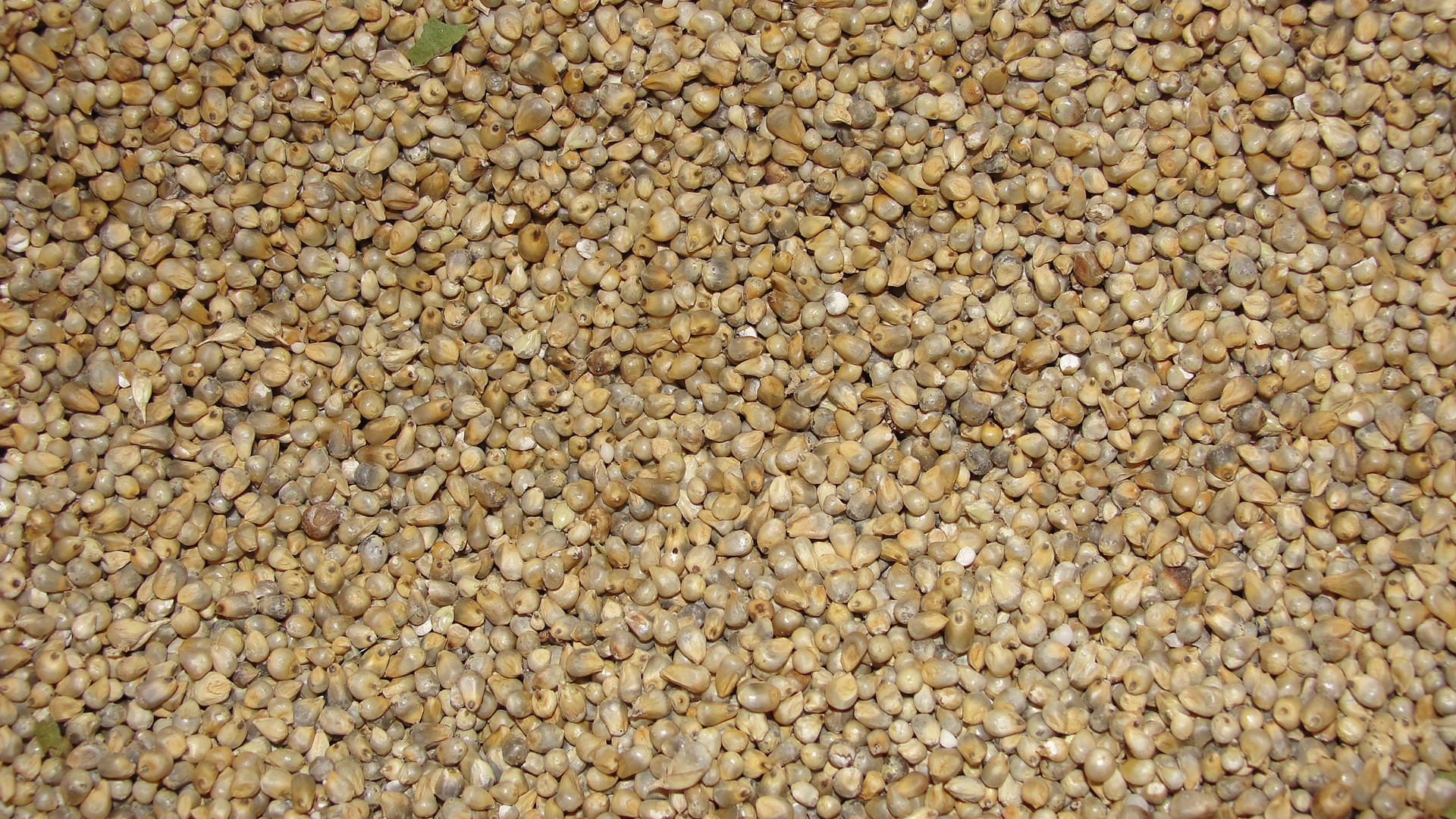

Millet, one of the oldest grains cultivated by humans, has recently made a comeback in the culinary world. The versatility of this grain is unmatched, as it can be incorporated in a variety of dishes. Millet can be used as a substitute for rice or as a base for salads, soups, and stews. This once forgotten grain is now gaining popularity due to its numerous health benefits and its adaptability in cooking.
With a nutty flavor and texture similar to couscous, millet can be used in both sweet and savory dishes. It is gluten-free, easy to digest, and a good source of protein and carbohydrates, making it an ideal ingredient for those looking for a healthier alternative.
Millet is a versatile grain that fits perfectly into a healthy, balanced diet. It can be enjoyed as a breakfast porridge, added to soups or stews, used in baking, and even used in veggie burgers. Its versatility means that it can be easily incorporated into meals throughout the day, which makes it an ideal ingredient for those looking to improve their diet.
Millet has been a staple food in many cultures for centuries. It is a healthy, low-cost alternative to other grains, and it can be prepared in just a few minutes. The versatility of millet makes it an ideal substitute for rice, couscous, or quinoa. As more and more people turn to healthier food choices, millet has become a star ingredient that is no longer just a side dish, but a versatile grain that can be the main focus of a meal.
Millet is a nutritious, earthy grain that is great for both sweet and savory dishes. It is popular among people following vegetarian or vegan diets because it is a great source of protein and fiber. Its natural sweetness makes it perfect for use in desserts, and it can also be used to create a hearty main dish. With so many meal options to choose from, it is easy to see why millet is the new superfood.
Millet is a versatile grain that is easy to cook and has a wide range of uses. It can be used in salads, soups, and stews, and can even be used to make alternative forms of bread. Its adaptability means that it can be incorporated in many types of cuisine, from Mediterranean to African to Asian. It is gaining popularity because of its adaptability and its unique, nutty flavor that can enhance a variety of dishes.
In conclusion, millet is a versatile and nutritious grain that is worth incorporating into your meals. Its popularity is growing as people become more conscious of their health and the environment. Millet is cheap, easy to cook, and can be used in many different ways, so start experimenting today!
Introduction
In recent years, millet has gained popularity in the health and wellness community for its impressive nutritional value and potential health benefits. Additionally, millet’s versatility and unique flavor profile make it an excellent ingredient for anyone looking to add some variety to their kitchen.
The Basics of Millet
Millet is a type of ancient grain that is gluten-free and rich in nutrients like protein, fiber, and essential vitamins and minerals. There are several different varieties of millet, each with its own flavor and texture, ranging from nutty and earthy to mild and fluffy.
Millet as a Main Course
Contrary to popular belief, millet is not just a side dish but can also serve as the main course of a meal. Millet can be used as a base for a stir-fry or mixed with veggies and spices for a hearty pilaf.
Millet as an Add-In
Millet can also be used as an add-in to other dishes like soups, stews, and casseroles. It can provide a nutritious and flavorful addition to any recipe, enhancing the overall texture and flavor profile of the dish.
Millet for Breakfast
Although most commonly used in savory dishes, millet can also be used to create delicious breakfast dishes like porridge or as a substitute for oatmeal in granola recipes.
Millet for Baking
Millet flour can serve as a gluten-free alternative in baking. It can be used as a substitute for wheat flour in recipes like bread, muffins, and cakes.
Millet for Health
Aside from being rich in nutrients, millet also has several health benefits. Its high fiber content can aid in digestion and help regulate blood sugar levels, while its antioxidant properties reduce inflammation in the body.
Conclusion
With its versatility and impressive nutritional profile, it’s no wonder that millet is becoming a popular staple in kitchens worldwide. So, whether you’re looking for a new main course, add-in, breakfast dish, or baking ingredient, consider using millet to add variety to your cooking style while reaping numerous health benefits.
Summary
Millet, one of the oldest grains consumed by humans, is experiencing a resurgence due to its versatility and numerous health benefits. It can be added to a variety of dishes, including salads, soups, and stews or used as a substitute for rice. As it is gluten-free, easy to digest, and an excellent source of protein, millet has gained immense popularity as a healthier alternative. It can be used in both sweet and savory dishes, making it ideal for breakfast porridges, baking, and even veggie burgers. Millet is an affordable and easy grain to include in a healthy and balanced diet.
FAQ
What exactly are millets, and why are they gaining popularity?
Millets are a group of small-seeded grains that typically grow in dry areas of the world. They are known for their high nutritional value, as they contain high amounts of protein, fiber, vitamins, and minerals. Millets are also versatile in cooking, as they can be used in a variety of dishes.
Their popularity has been growing due to their health benefits and their value as a sustainable crop. Millets can grow in poor soil conditions and require less water than other grains, making them a more eco-friendly choice. Additionally, as more people seek out gluten-free alternatives, millets are becoming a popular choice as they are naturally gluten-free.
What are some ways to incorporate millets into my diet?
Millet can be used in a variety of ways in cooking. One popular recipe is to use millet as a substitute for rice in dishes such as stir-fries or pilafs. It can also be used to make porridge or added to soups and stews for added texture and nutrition.
Another option is to use millet flour as a gluten-free alternative in baking. It can be used to make bread, pancakes, and muffins, among other things. Millet can also be popped like popcorn and used as a snack, either on its own or flavored with herbs and spices.
Are there any specific health benefits to consuming millets?
Yes, millets are known for their numerous health benefits. They are high in fiber, which can help improve digestive health and aid in weight management. Millets are also rich in magnesium, which has been linked to improved heart health and decreased risk of type 2 diabetes.
Additionally, millets are a good source of protein, making them a valuable addition to a vegetarian or plant-based diet. They also contain important vitamins and minerals such as iron, zinc, and B vitamins.
Where can I find millet products?
Millet products can be found at many health food stores and specialty grocery stores. Some mainstream grocery stores may also carry them in their natural or organic food sections.
Millet is also widely available online, both in whole grain form and as flour. When purchasing millet products, be sure to look for organic and non-GMO options for the most sustainable and healthful choice.