Many individuals around the world are choosing to adopt a gluten-free lifestyle. For some, it is a health necessity due to celiac disease or gluten sensitivity. For others, it is a personal choice aimed at promoting overall wellness. Whatever the reason, those who eliminate gluten-containing foods from their diets need to find alternatives that provide the nutrients that gluten offers.
The truth is, gluten-free dietary choices often lead to a decline in whole grain consumption. Whole grains are essential for good health, providing an abundance of vitamins, minerals, fiber and antioxidants that offer numerous health benefits. However, merely avoiding wheat, barley, and rye-based products does not necessarily mean that the body is missing vital nutrients for optimal well-being.
Millet is an ancient grain that is coming back into fashionable use in the Western world for its nutritional profile and versatility in cooking. It’s easy to digest and serves as a fantastic source of protein, minerals, fiber, and vitamins. Furthermore, millet can be a permissible and healthy addition to a gluten-free diet.
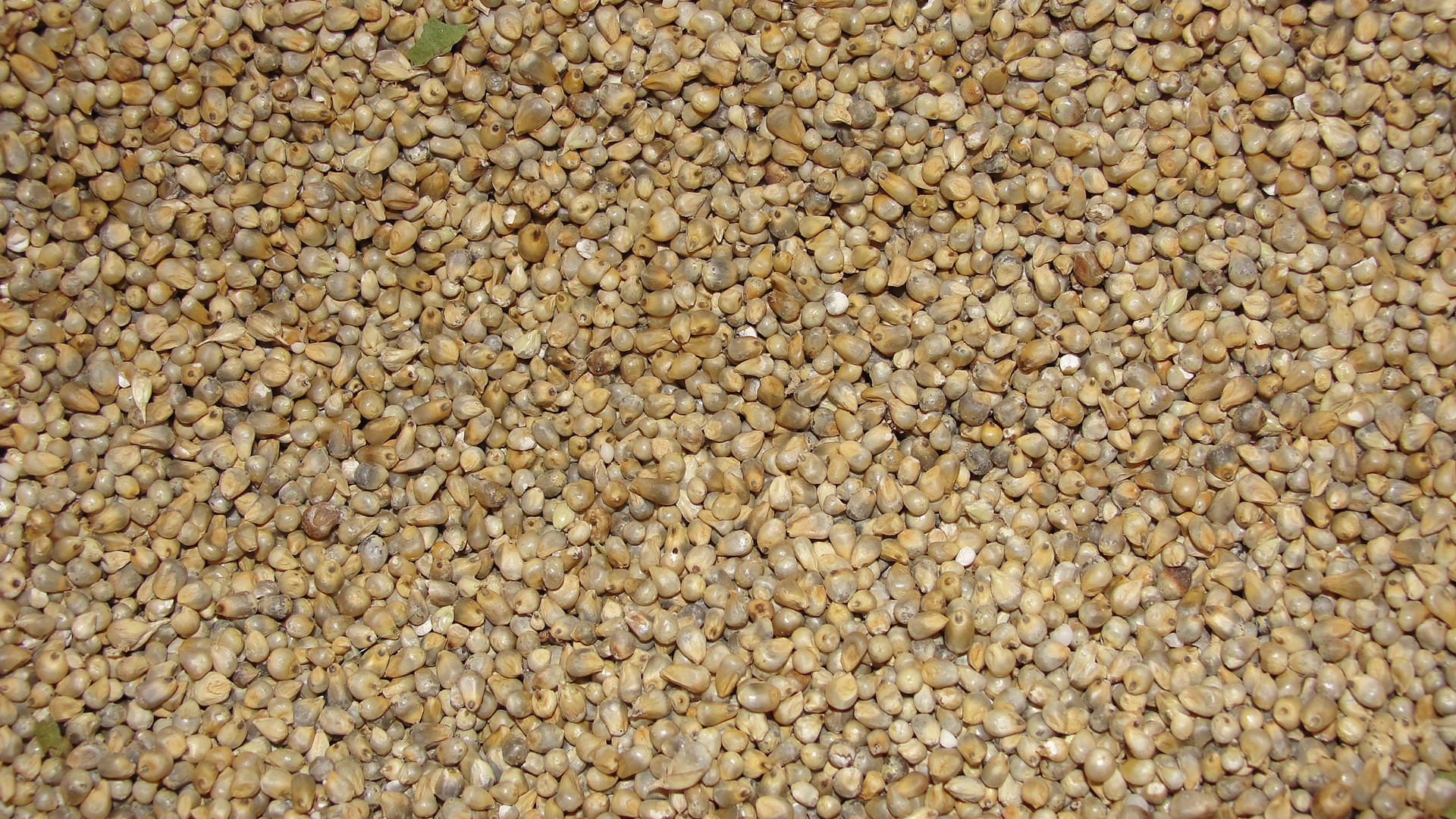
The most popular millet varieties utilized in cooking are: foxtail, pearl, finger, and proso millets. These millets are a kind of cereal that grow from grasses and are available in tiny seeds. They have been consumed by humans for centuries and hold an esteemed place in Indian and African cultures. They are mineral rich and can be advantageous in preventing chronic illnesses and can boost overall health.
In addition to good health benefits, millets are also incredibly versatile. They can be eaten as a savory or sweet breakfast porridge, baked into bread or muffins, cooked like rice, or added to salads. They can also be turned into flour, which for some recipes can substitute rice flour when baking, making it a versatile pantry staple.
In conclusion, incorporating millet into a gluten-free or even a gluten-inclusive dietary lifestyle is straightforward and a wise choice. By consuming millets in all their different forms, individuals can stay fit while enjoying the health benefits of this age-old grain. The addition of millets to one’s daily diet can not only benefit the body but also provide a unique and pleasing experience to the taste buds.
What are Millets?
Millets are a group of small-seeded grasses that are widely cultivated and consumed all over the world. Millets are high in nutrients, fiber, and protein making them a healthy alternative to gluten-rich grains.
Millets as a Gluten-Free Alternative
Millets are gluten-free, which makes them an excellent alternative for individuals who are sensitive to gluten or have celiac disease. Millets are rich in nutrients and fiber, making them a healthy addition to any diet.
The Nutritional Benefits of Millets
Millets are rich in nutrients like iron, calcium, magnesium, and zinc. They are also a good source of fiber, which helps in digestive health and reduces the risk of heart disease and type 2 diabetes.
The Different Types of Millets
There are different varieties of millets, including pearl millet, finger millet, foxtail millet, and sorghum. Each type of millet has its unique flavor, texture, and nutrient profile.
How to Cook with Millets
Millets can be cooked like other grains and used in different recipes like porridges, salads, and soups. Millet flour can be used in baking for gluten-free baked goods.
Millet-Based Recipes
There are many recipes that use millets, such as millet porridge, millet salad, millet soup, and millet-based baked goods. These recipes are easy to prepare, delicious, and a healthy alternative to gluten-rich foods.
Where to Buy Millets
Millets can be found in health food stores, specialty food stores, and some grocery stores. Millet flour is also available online. When buying millets, look for organic and non-GMO varieties.
The Bottom Line
Replacing gluten-rich grains with millets is a healthy choice for individuals who are sensitive to gluten or have celiac disease. Millets are rich in nutrients, fiber, and protein, making them a nutritious addition to any diet.
Summary
Many people adopt a gluten-free diet due to celiac disease or gluten sensitivity, but this can lead to a decline in whole grain consumption. Millet, an ancient grain, offers a source of protein, minerals, fiber, and vitamins. It can be a permissible and healthy addition to a gluten-free diet and has been consumed by humans for centuries, holding an esteemed place in Indian and African cultures. Millet is incredibly versatile and can be eaten as a breakfast porridge, baked into bread or muffins, cooked like rice, added to salads, or turned into flour, making it a wise dietary choice.
FAQ
Why should I consider incorporating millets into my gluten-free diet?
Millets are a versatile and nutritious option for those following a gluten-free diet. They are high in fiber, protein, and essential nutrients such as iron, magnesium, and B vitamins. Millets are also low in glycemic index, making them a great option for those managing blood glucose levels. They are easy to digest and do not cause bloating or other digestive discomforts commonly associated with gluten-rich grains. Millets are also sustainable and environmentally friendly, requiring minimal water and pesticides to grow, making them both healthy for you and the planet.
What are some of the types of millets and how can I incorporate them into my diet?
There are several types of millets, including sorghum, finger millet, pearl millet, and foxtail millet. They can be used to make a variety of dishes, from porridges and bread to salads and stir-fries. Sorghum can be boiled or popped like popcorn, while finger millet can be made into a nutritious flour that can be used in baked goods such as muffins and bread. Pear millet and foxtail millet can be used in soups and stews or as a base for a grain bowl. Millets can also be used to replace rice or quinoa in many recipes.
What are some of the benefits of incorporating millets into my gluten-free diet?
Incorporating millets into your gluten-free diet has several benefits. They are rich in antioxidants, which help protect your body from free radicals that can cause cellular damage. Millets are also high in fiber, which helps keep you feeling full for longer and supports healthy digestion. The protein and fiber in millets also help stabilize blood sugar levels, which is especially important for those with diabetes or other blood glucose conditions. Moreover, the nutrients in millets can help improve bone health, reduce inflammation, and support healthy skin and hair.
Can I substitute millets for gluten-rich grains in all my recipes?
While millets are a great gluten-free alternative, it is important to note that they have a different taste and texture than wheat, barley, or rye, and may not work well in all recipes. For instance, millets may not rise as well as wheat flour in baking, so you may need to experiment with different ratios when making bread or other baked goods. Additionally, if you are new to millets, start with small amounts and gradually increase your intake to avoid any digestive discomforts. As with any dietary changes, it is best to consult with a healthcare provider or dietitian to ensure that you are meeting your nutritional needs.