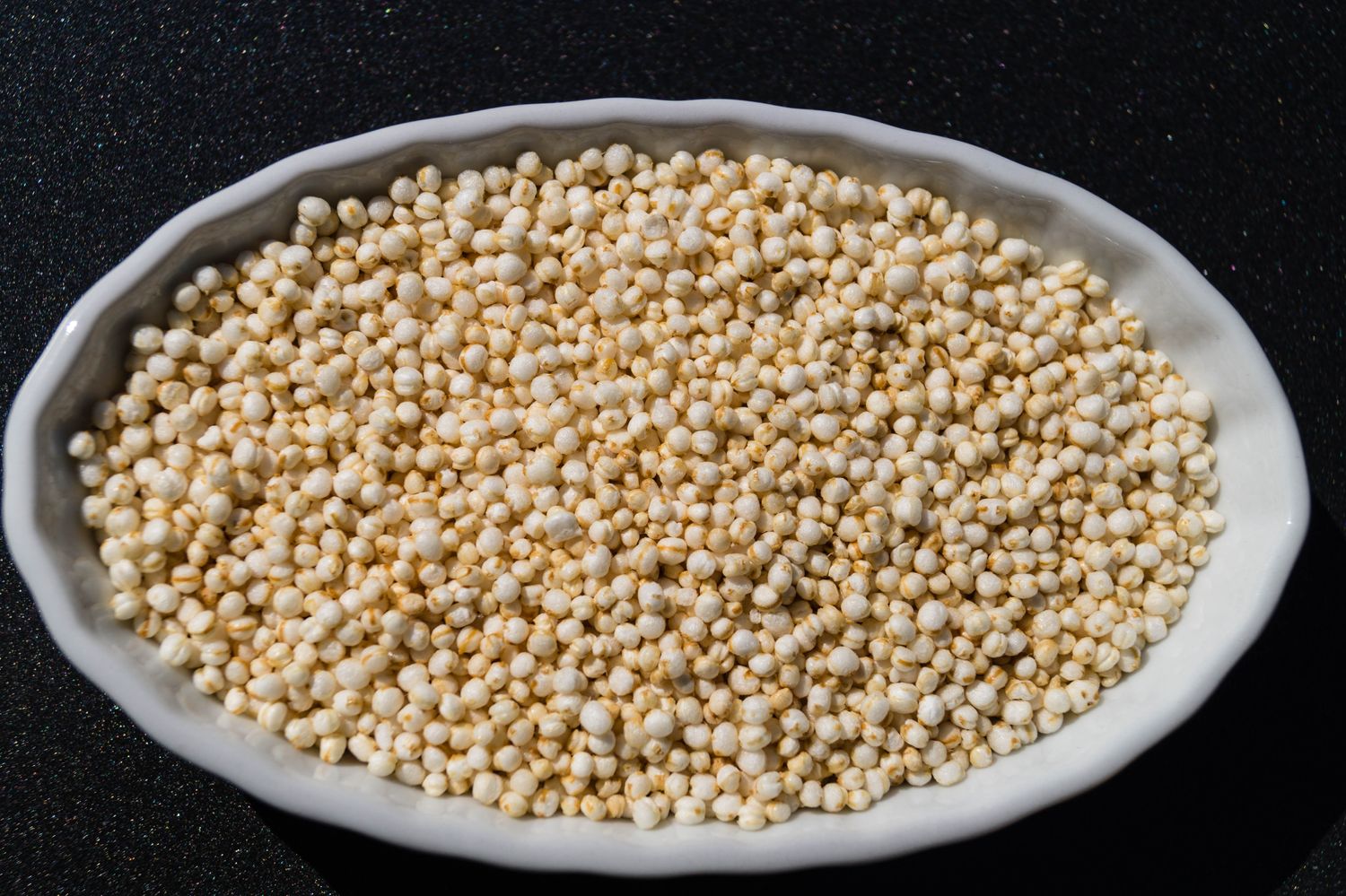

What if I told you that something as simple as adding a grain to your diet could change the way you think about agriculture? Enter millets, a group of small-seeded grasses that are packed with nutrients and have gained global attention for their substantial environmental benefits. Millets have been cultivated for thousands of years, but their role in modern agriculture is now more important than ever. In an age where the impact of climate change on our food systems is undeniable, growing millets offers a sustainable alternative to traditional crops. With their low inputs, low water requirements and resilience to heat and drought, the cultivation of millets is not just good for our health, but also for the planet.
In the past, agriculture has often been viewed as a problem, with its practices being blamed for numerous environmental and social issues. However, the increasing interest in millets is helping to change this mindset. Unlike other crops that require large quantities of water, pesticides, herbicides and fertilizers, millets are low-input crops that can grow in harsh environments with minimal water and fertilizers. This means that they do not pollute the soil or water, and have a much smaller carbon footprint. As such, millets represent a sustainable solution to the problems of the modern agriculture industry.
Not only are millets good for the environment, but they are also incredibly nutritious. They contain high levels of dietary fibre, protein and minerals such as calcium, iron and potassium, making them an excellent food source for those with dietary restrictions or deficiencies. In fact, for millions of people around the world, millets are a staple food that provides the necessary nutrients to sustain a healthy life. By incorporating millets into our diets, we can not only support sustainable agriculture practices but also improve our own health and wellbeing.
The benefits of millets are not just limited to their nutritional value and sustainable cultivation practices. Millets can also play a significant role in improving food security, especially in developing countries. With their ability to grow in dry and drought-prone regions, millets are becoming an essential crop for farmers who are dealing with water scarcity and varying weather patterns. Additionally, millets can be stored for longer periods than other grains, which can reduce food waste and ensure that populations have access to a stable food source.
By choosing to grow, consume and promote millets, we can help solve some of the most pressing problems facing our food systems. The cultivation of millets can aid in reducing greenhouse gas emissions, protecting soil health, promoting biodiversity and ensuring the availability of nutritious food for millions of people. This small seed has the potential to change the way we view agriculture and transform our approach to sustainable food production. With the world facing unprecedented challenges, it is time to embrace the power of millets and put it to work for a better tomorrow.
Millets, a group of small-seeded grasses that have been grown for centuries around the world, are proving to be a game-changer when it comes to sustainable agriculture. These hardy and resilient grains have regained popularity in recent years due to their numerous health benefits and their potential to help address food security and climate change.
Unlike other major grains like wheat, rice, and corn, millets require much less water, fertilizer, and pesticides to grow, making them a more sustainable and eco-friendly option. Additionally, millets are able to thrive in poor, dry, and marginal soils, meaning that they can be grown in areas where other crops would struggle, such as semi-arid regions or in smallholder farms with limited resources. This makes millets an essential part of sustainable agriculture and food security strategies, particularly in developing countries.
The health benefits of millets
Millets are not only good for the planet, but they are also good for our health. These grains are an excellent source of dietary fiber, protein, vitamins, and minerals, and are low in fat and gluten-free. Millets have been linked to numerous health benefits, such as improved digestion, lower cholesterol levels, reduced risk of heart disease, and better blood sugar control. There is also evidence to suggest that millets may have anti-cancer and anti-inflammatory properties.
In addition to being a nutritious food source for humans, millets also provide important fodder for livestock, making them a valuable crop for smallholder farmers who rely on livestock for their livelihoods. This dual-purpose nature of millets means that they can contribute to both food security and income generation for rural communities.
The role of millets in sustainable agriculture
Millets play a crucial role in sustainable agriculture, particularly in the context of climate change. With their ability to grow in poor and marginal soils, millets are a valuable tool in soil conservation and land restoration efforts. Additionally, millets have deep root systems that help to prevent soil erosion and increase soil health. This makes millets an important crop for maintaining soil fertility and productivity, particularly in regions affected by soil degradation and desertification.
Furthermore, millets are often grown using traditional farming practices, which are low-input and low-impact. This means that millet farming has a smaller carbon footprint than other conventional farming systems, making it a more sustainable option for mitigating climate change. Additionally, millets are often grown as part of mixed-cropping systems, which help to increase biodiversity and reduce pests and diseases.
The challenges facing millet farming
Despite the numerous benefits of millet farming, there are still several challenges that need to be addressed in order to fully realize the potential of this crop. One of the main challenges is the lack of research and development in millet breeding and agronomy, which has resulted in limited access to improved seeds and poor yields. Additionally, there is a lack of market infrastructure for millets, which often results in low prices for farmers and a lack of incentives to grow this crop.
Another challenge facing millet farming is the perception that millets are a “poor man’s food” and are not as desirable as other grains. This has resulted in a decrease in demand for millets in urban areas, where consumers often prefer more processed and Western-style products. To address this issue, there is a need for increased awareness and marketing efforts to promote the nutritional and environmental benefits of millets.
The future of millets
Despite the challenges facing millet farming, there is growing momentum around the world to promote millets as a key component of sustainable agriculture and food security initiatives. Governments, NGOs, and private sector organizations are recognizing the potential of millets to address some of the most pressing challenges facing our planet, from climate change to hunger and malnutrition.
Millet farming is also being seen as a viable solution for smallholder farmers, who are often the most vulnerable to the impacts of climate change and food insecurity. By promoting millet cultivation and improving access to markets and research, we can create a more sustainable and equitable food system that benefits both people and the planet in the long term.
Conclusion
Millets are a versatile and eco-friendly crop that have the potential to transform sustainable agriculture and improve the health and livelihoods of millions around the world. They offer a range of nutritional and environmental benefits, and their resilience and adaptability make them crucial in the face of climate change and soil degradation. However, there is still much work to be done to promote millets as a viable alternative to other major grains, and to address the challenges facing millet farming. With continued research, investment, and advocacy, we can unlock the full potential of millets and create a more sustainable, healthy, and equitable food system for all.
Summary
Millets, a group of small-seeded grasses, are gaining global attention for their substantial environmental benefits and substantial nutritional value. They offer a sustainable alternative to traditional crops in an age where climate change’s impact on food production is undeniable. Unlike other crops, they require fewer inputs, have lower water requirements, and are more resilient to heat and drought. Millets are environmentally friendly, nutritious, and can play a significant role in improving food security. They reduce greenhouse gas emissions, protect soil health, promote biodiversity and ensure the availability of nutritious food. By incorporating millets into our diets, we can support sustainable agriculture practices and improve our own health and wellbeing.
FAQ
What are millets and why are they considered sustainable?
Millets are small-seeded grains that have been around for thousands of years and were once a staple food across the world. They are drought-resistant and can grow in poor quality soil without the need for pesticides or fertilizers. These qualities make millets a sustainable crop as they require fewer resources to grow, have a lower carbon footprint, and are less likely to cause soil erosion.
Moreover, millets are highly nutritious, gluten-free, and have a low glycemic index, making them an ideal food for people with diabetes or gluten intolerance. Millets are also versatile and can be used in various dishes, including bread, porridge, or salads.
How are millets beneficial for farmers?
For farmers, millets offer several advantages. Firstly, since they require less water and have fewer dependencies on external inputs like fertilizers and pesticides, they reduce the cost of farming. This makes them suitable for small-scale farmers who cannot afford expensive agricultural inputs. Secondly, millets also act as a buffer against climate change as they are drought-resistant and can grow even in harsh weather conditions.
Additionally, in many parts of the world, millet is an ideal rotation crop that helps improve soil fertility by fixing nitrogen in the soil. This, in turn, reduces the dependence on chemical fertilizers and promotes sustainable agriculture methods.
How are millets impacting the global food industry?
The growing popularity of millets has started to change the game in the global food industry. The increasing demand for millet-based products has created new opportunities for farmers, processors, and food companies around the world. Many food companies are now incorporating millets into their products, such as breakfast cereals, energy bars, and snacks.
The increasing awareness about the environmental and health benefits of millets has also encouraged more people to turn towards a plant-based diet. This shift towards plant-based foods is creating new markets for millets and other sustainable crops.
How can consumers support millets and sustainable agriculture?
Consumers can support sustainable agriculture and millets by making conscious choices while buying food products. By choosing foods made from millets, consumers can support farmers who grow these crops and promote sustainable agricultural practices. Consumers can also support farmers by choosing to buy organic products that reduce the use of pesticides, chemicals, and fertilizers.
In addition to this, consumers can also reduce food waste by using different parts of the millet plant, such as the leaves and stalks, for animal feed or compost. Finally, consumers can also support local farmers and businesses by choosing community-supported agriculture (CSA) or farmers’ markets over large grocery stores.