
Are you looking for a healthy and nutritious diet that can improve your health and wellbeing? If yes, then you might want to consider the Mediterranean diet. It’s a dietary pattern that has been gaining popularity across the world in recent years, thanks to its heart-healthy benefits and weight loss advantages. But did you know that there’s one food group that makes this diet even better? That’s right, we are talking about millets. As we all know, Mediterranean cuisine is all about grains, vegetables, and fruits, and by adding millets to this diet, one can create a perfect match for a healthy lifestyle.
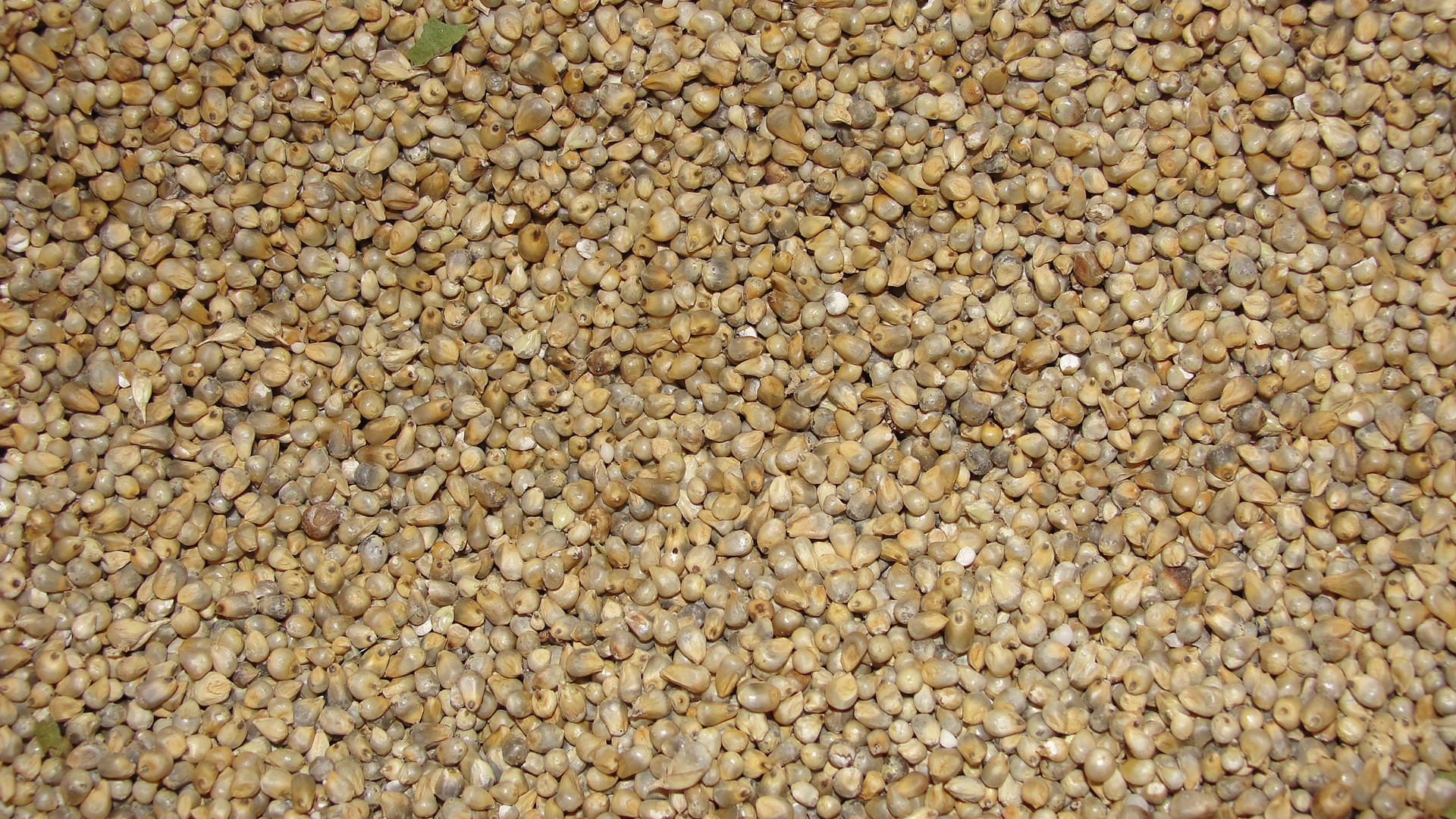
Millets are considered one of the oldest crops in the world, and they have been cultivated for thousands of years. They have a reputation as poor man’s crop but have proven to be a superfood that can help in preventing various chronic diseases. They are versatile cereal grains that come in many different forms, perfect for nourishing your body and mind. They are nutrient-dense, gluten-free, and an excellent source of dietary fiber, vitamins, and minerals. Millets are a staple food of many communities around the world, and now they are becoming quite popular in the Mediterranean diet too.
The Mediterranean diet is a way of life more than just a diet. It is all about eating fresh and wholesome food that is rich in nutrients and flavor. The diet offers a great way to reduce the risk of various diseases, such as heart disease, obesity, and diabetes. The diet emphasizes eating vegetables, fruits, whole grains, legumes, olive oil, fish, and nuts. It is a well-balanced diet that can be easily adapted to different cultures, preferences, and lifestyles.
Millets are not only healthy but also delicious. They have a unique taste and texture that can add a whole new dimension to your everyday meals. They are incredibly versatile and can be used in various ways, from making fluffy pilafs to baking bread, cookies, and cakes. By incorporating millets into your Mediterranean diet, you can create a range of healthy and delicious meals that are not only good for your body but also soul-satisfying.
Apart from being healthy and delicious, millets are environmentally friendly too. They grow quickly and require less water and fertilizers than other crops. They are resilient and can grow well in even harsh climatic conditions. By choosing to eat millets, you are not only contributing to your health but also to the health of the planet.
To sum up, adding millets to your Mediterranean diet can be a perfect match for leading a healthy lifestyle. They are nutrient-dense, gluten-free, delicious, and environmentally friendly. Their versatility makes them an ideal food for everyone. So next time, when you plan your meals, give millets a try, and take the first step towards a healthier and happier life.
Millets and the Mediterranean Diet
The Mediterranean diet has long been known as one of the healthiest diets in the world. It is based on the traditional cuisine of countries bordering the Mediterranean Sea and emphasizes whole, nutrient-dense foods, such as fruits, vegetables, whole grains, and lean proteins. One of the key components of the Mediterranean diet is the use of whole grains, and this is where millets come in as a perfect match.
Millets are a group of small-seeded grasses that have been cultivated for thousands of years and were once a staple in many traditional diets around the world. They are gluten-free, highly versatile, and packed with nutrients, including fiber, protein, vitamins, and minerals. Millets can be used in a variety of ways, from breakfast porridge to salads, soups, stews, and baked goods, making them a great addition to any diet.
Millets and Health Benefits
Millets have a wide range of health benefits that make them a perfect addition to the Mediterranean diet. One of the most significant benefits of millets is their high fiber content, which helps to regulate blood sugar levels and promotes satiety, making them an ideal food for weight loss and management. Additionally, millets are rich in antioxidants, which help to reduce inflammation and prevent chronic diseases such as cancer, heart disease, and diabetes.
Moreover, millets are a good source of plant-based proteins, making them an excellent alternative to animal products for vegetarians and vegans. They also contain essential vitamins and minerals like iron, magnesium, and manganese, all of which are critical for overall health and wellbeing.
Millets and Sustainability
Another reason why millets are a perfect match for the Mediterranean diet is their sustainability. Millets are highly resilient and can grow in harsh environments where other crops cannot survive. They are also drought-resistant, require fewer fertilizers, and use less water than other grains, which makes them a more sustainable and environmentally friendly option compared to other grains.
Additionally, millets are naturally pest-resistant, which means that farmers can avoid using harmful pesticides to protect their crops, further reducing their environmental footprint.
Millets and Culinary Applications
Millets are highly versatile and can be used in a variety of culinary applications, making them a fantastic addition to any meal. They have a slightly nutty flavor and can be cooked in a variety of ways, from boiling and steaming to roasting and frying, depending on the desired texture and flavor.
Millets can be used as a base for breakfast porridges, mixed with vegetables for a filling salad, or used in place of rice or pasta in soups, stews, and casseroles. They can also be ground into flour and used to make bread, cakes, and other baked goods, making them an excellent substitute for refined flour.
Millets and Cultural Significance
Millets have been a staple in the diets of many cultures around the world for thousands of years. In India, millets are known as “poor man’s food” and continue to be a widely consumed staple in rural areas. In Africa, millets are used to make porridges and stews, while in China and Japan, they are used to make noodles and porridges. In Europe, millets were once a staple food, but their use declined with the advent of industrial agriculture and the popularity of refined grains.
The revival of millets in modern diets not only offers a healthy and sustainable food option but also helps preserve the cultural significance of this ancient grain.
Conclusion
Millets are a perfect match for the Mediterranean diet, offering a wide range of health benefits, sustainability, culinary versatility, and cultural significance. Incorporating millets into our diets can help promote a healthy and sustainable lifestyle, and offer a delicious and nutrient-packed alternative to traditional grains.
So, the next time you are looking for a healthy and satisfying meal, consider adding some millets to your plate and experience the benefits for yourself!
Summary
The Mediterranean diet, which focuses on fresh and wholesome food rich in nutrients and flavor aimed at reducing the risk of heart disease, diabetes, and obesity, could be made even better with the addition of millets. These nutrient-dense, gluten-free grains are not only healthy and delicious but also environmentally friendly as they require less water and fertilizers compared to other crops. Millets can be used in a range of dishes, from making fluffy pilafs to baking bread, cookies, and cakes. Incorporating millets into the Mediterranean diet is a healthy and sustainable way of leading a healthy lifestyle.
FAQ
What are millets, and why are they important for the Mediterranean diet?
Millets are a group of small-seeded grasses that have been cultivated for thousands of years as a staple food in many parts of the world. They are an excellent source of complex carbohydrates, protein, and fiber, and are rich in vitamins and minerals such as iron, magnesium, and phosphorus. Millets are also gluten-free and have a low glycemic index, making them an ideal food for people with celiac disease or diabetes.
The Mediterranean diet is a healthy eating pattern that emphasizes whole, unprocessed foods such as fruits, vegetables, whole grains, legumes, nuts, and seeds. Millets are a perfect match for this diet because they are a whole grain that is rich in nutrients, low in fat, and high in dietary fiber. By replacing refined grains with millets in your diet, you can improve your health and reduce your risk of chronic diseases such as heart disease, diabetes, and cancer.
How can I incorporate millets into my Mediterranean diet?
There are many ways to incorporate millets into your Mediterranean diet. One of the simplest ways is to replace refined grains such as white rice, pasta, or bread with millet-based alternatives. For example, you could cook millet instead of rice as a side dish or use millet flour to make homemade bread, pancakes, or muffins.
Another delicious way to incorporate millets into your diet is to use them in salads, soups, or stews. Millets have a nutty flavor and a hearty texture that pairs well with Mediterranean ingredients such as tomatoes, olives, feta cheese, and fresh herbs like parsley or basil. You can also soak and sprout millets to make them easier to digest and add them to smoothies, puddings, or energy bars for a nutrient-packed snack.
Are millets suitable for people on a weight loss diet?
Yes, millets are an excellent food choice for people on a weight loss diet. They are low in calories and high in fiber, which means they can help you feel full and satisfied for longer periods, reducing your overall food intake. Millets also have a low glycemic index, which can help regulate your blood sugar levels and reduce cravings for sugary or starchy foods.
In fact, a study published in the Journal of Agricultural and Food Chemistry found that replacing refined grains with millets in the diet of overweight or obese individuals led to significant improvements in body weight, body mass index (BMI), and waist circumference. So if you are looking for a healthy and tasty food that can help you achieve your weight loss goals, millets are an excellent choice.
Can millets benefit people with chronic diseases?
Yes, millets can benefit people with chronic diseases such as diabetes, heart disease, and cancer. Millets have a low glycemic index, which means they can help regulate your blood sugar levels and reduce your risk of developing type 2 diabetes. They are also high in plant-based protein and complex carbohydrates, which can help lower your risk of heart disease by reducing your blood pressure and cholesterol levels.
Moreover, some studies suggest that millets may have anti-cancer properties due to their high antioxidant content. Antioxidants are compounds that can neutralize harmful free radicals in the body, which can damage cells and promote the development of cancer. By incorporating millets into your Mediterranean diet, you can enjoy their many health benefits and reduce your risk of chronic diseases.