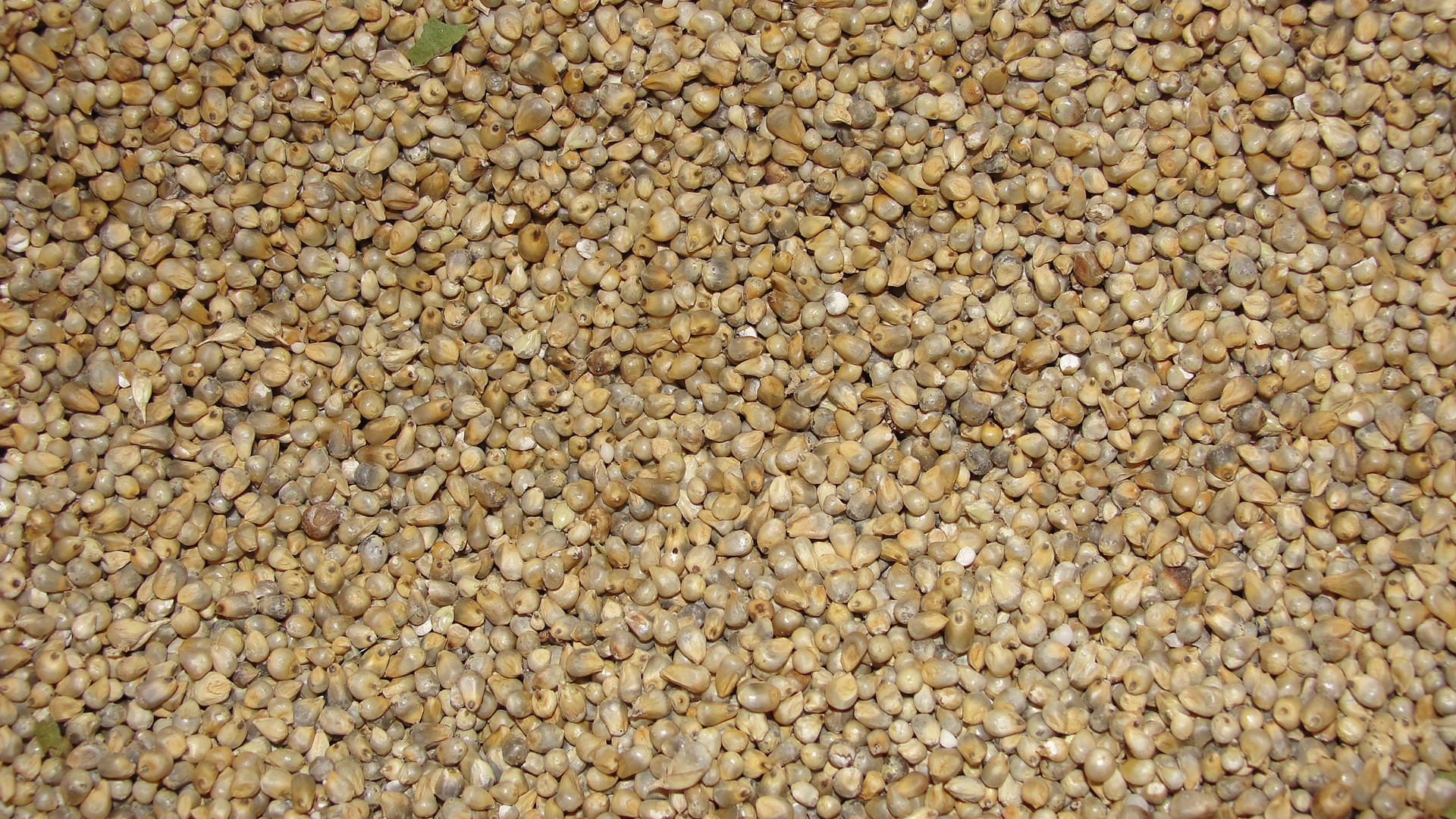
Are you tired of the same old unhealthy diet that does little for your overall well-being? Introducing millets – a group of small-seeded grasses that have been gaining popularity in recent years. These nutrient-dense grains have been around for centuries and are a staple in many parts of the world. With a wide range of health benefits, incorporating millets into your diet could significantly improve your lifestyle.
Contrary to popular belief, millets are not just a substitute for rice or wheat but offer much more. Millets are gluten-free, making them a great option for people with celiac disease or gluten intolerance. They are also highly nutritious, containing essential minerals such as magnesium, copper, and phosphorus. Millets are a slow-releasing carbohydrate, which means they take longer to digest, keeping you feeling fuller for longer.
When it comes to overall health, millets have been shown to reduce the risk of several lifestyle diseases. Studies have shown that regular consumption of millets can lower blood pressure and reduce the risk of heart disease. Millets have a low glycemic index, meaning they release glucose into your bloodstream slowly, helping to regulate blood sugar levels. This makes them an excellent option for people with diabetes who need to manage their blood sugar levels.
Millets are also packed with antioxidants, which help to prevent several types of cancer. The high fiber content in millets aids in digestion and helps to keep your gut healthy. They are a great source of protein for vegetarians and vegans, helping to build and maintain muscle mass. The calcium content in millets helps to maintain bone health and prevent diseases such as osteoporosis.
The versatility of millets makes them an excellent addition to your daily diet. They can be cooked in several ways, including porridge, salad, soups, bread, and even desserts. The enticing aroma and delicious taste of millets make them perfect for any meal of the day. With a little creativity and experimentation, you can easily incorporate millets into your favorite recipes.
In conclusion, millets are a healthy and delicious addition to any diet. They offer numerous health benefits and significantly improve your lifestyle. With their wide availability, easy preparation, and versatility, there’s no reason not to make millets a regular part of your diet. So why not give millets a try and see the difference it can make in your health and lifestyle?
Introduction
Millets are an ancient grain that has been a staple in many cultures for centuries. They are a rich source of nutrients and are gaining popularity as a healthier alternative to refined grains. Millets are gluten-free, rich in vitamins, minerals and fibre. They also have a low glycemic index, which means they release sugars slowly into the bloodstream, making them an excellent choice for people with diabetes or those concerned about maintaining blood sugar levels.
Types of Millets
There are many types of millets, including finger millet, foxtail millet, barnyard millet, pearl millet and sorghum. Each of these has unique health benefits. For example, finger millet is rich in calcium, foxtail millet is a good source of protein and iron, barnyard millet is high in fibre, pearl millet is rich in magnesium, and sorghum is gluten-free and rich in antioxidants.
Health Benefits of Millets
Millets are a rich source of nutrients that are essential for good health. They are high in fibre, which helps to promote digestion and prevent constipation. They are also a good source of protein, which is essential for building and repairing tissues in the body. Millets are also rich in vitamins and minerals, including B-complex vitamins such as niacin, thiamine and riboflavin, as well as iron, magnesium, phosphorus and potassium.
Weight Loss Benefits of Millets
Millets are an excellent choice for people trying to lose weight. They are low in calories and high in fibre, which helps to keep you feeling full and satisfied. They also have a low glycemic index, which means they release sugars into the bloodstream slowly. This helps to prevent spikes in blood sugar levels, which can lead to overeating and weight gain. Millets are also easy to digest, making them an excellent choice for people with digestive issues.
How to Cook with Millets
Millets can be cooked in many different ways. They can be boiled, roasted, or ground into flour to make bread, pancakes, and other baked goods. They can also be used to make porridge or added to soups and stews. Millets have a slightly nutty flavour and are versatile enough to be used in both sweet and savoury dishes.
Millets and Diabetes
Millets are an excellent choice for people with diabetes. They have a low glycemic index, which means they release sugars slowly into the bloodstream. This helps to prevent spikes in blood sugar levels, which can be dangerous for people with diabetes. Millets are also high in fibre, which helps to promote digestion and prevent constipation. In addition, they are a good source of vitamins and minerals, which are essential for good health.
Millets and Heart Health
Millets are an excellent choice for maintaining heart health. They are low in saturated fats and high in fibre, which helps to lower cholesterol levels. Millets are also a good source of magnesium, which is essential for maintaining healthy blood pressure levels. In addition, they are rich in antioxidants, which help to prevent oxidative damage to the heart and other organs.
Conclusion
Millets are a great addition to any diet. They are a rich source of nutrients and have many health benefits, including weight loss, diabetes control, and heart health. With their nutty flavour, they are a versatile ingredient that can be used in many different ways. So why not try incorporating millets into your diet and reap the health benefits they offer?
Summary
Millets are nutrient-dense grains that offer a range of health benefits and have been gaining in popularity in recent years. They are gluten-free and highly nutritious, containing essential minerals such as magnesium, copper, and phosphorus. Regular consumption of millets has been shown to reduce the risk of several lifestyle diseases as well as being high in antioxidants to help prevent cancer. They are also great for digestion and keeping you feeling fuller for longer. Millets are versatile and can be cooked in a variety of ways, making them an excellent addition to any diet.
FAQ
What are millets and why are they beneficial for one’s health?
Millets are small-seeded grains that are highly nutritious and rich in fiber, protein, and essential nutrients such as calcium, magnesium, and phosphorus. They are gluten-free, easy to digest, and have a low glycemic index, which means they help regulate blood sugar levels. Millets are also considered to be a good source of antioxidants and essential vitamins that boost overall health and immunity.
Regular consumption of millets can help in managing and preventing various health conditions such as diabetes, heart ailments, obesity, and gastrointestinal issues. They offer a wide range of health benefits and are an excellent addition to one’s diet for those who want to lead a healthy and active lifestyle.
Can millets be a part of a weight-loss diet?
Yes, millets are an ideal option for those who are trying to lose weight as they are low in calories and high in fiber. They keep you feeling full for longer periods, reducing your urge to snack in between meals. Millets are also an excellent source of complex carbohydrates that provide energy and prevent blood sugar spikes that can lead to weight gain.
Millets can be incorporated into one’s diet in various forms such as porridges, soups, salads, and stir-fry dishes. They are also easy to cook and can be substituted for rice or wheat in many recipes.
Are millets suitable for people with gluten allergies or intolerances?
Millets are naturally gluten-free and are an excellent alternative for those who have gluten allergies or intolerances. Unlike wheat and other gluten-containing grains, millets do not trigger inflammation in the gut or cause digestive discomfort. They are an excellent source of fiber and essential nutrients, making them safe and beneficial for those with gluten sensitivities.
Can millets be eaten by children and older adults?
Yes, millets are safe and beneficial for both children and older adults. They are rich in nutrients such as calcium, magnesium, and iron, which are essential for bone health and immunity. Millets can be easily incorporated into the diet of children through porridges and other snack items while also being incorporated in the diet of older adults as soups or porridges. They are easy to digest, and their high fiber content aids digestion, making them suitable for people of all ages. Moderation and following dietary requirements is also key when incorporating millets into any age-group.