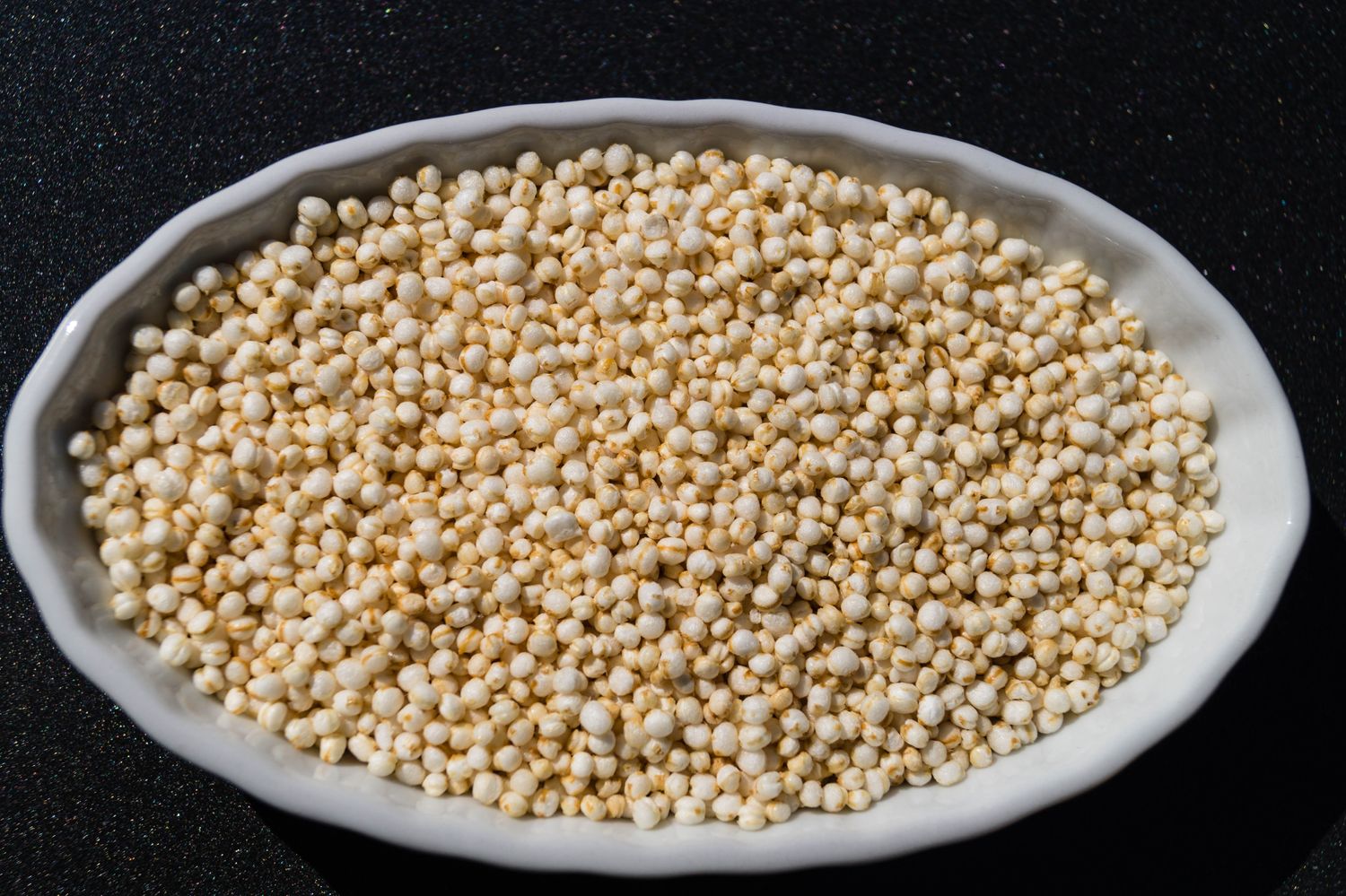

Millet, a gluten-free, nutrient-rich grain, has been an essential part of the Indian diet since ancient times. This small but mighty grain has been cultivated in India for centuries and is used to make a variety of dishes that range from flatbreads to porridges to desserts. However, despite its numerous health benefits and versatility, millet has been mostly overshadowed by popular grains like wheat, rice, and corn. But, with the increasing demand for healthy and sustainable food options, millet is now making a comeback in a big way.
Over the past few years, the popularity of millet has skyrocketed, and chefs all over the world are experimenting with this grain and coming up with innovative recipes that are delicious and healthy. From sweet to savoury, millet recipes are taking the culinary world by storm, and it’s not hard to see why. With its nutty flavour and texture, millet can be used in a variety of dishes, making it a versatile ingredient in any kitchen.
One of the best things about millet is that it is easy to cook and can be used in a variety of dishes. It can be used in place of rice or pasta, mixed in with salads or soups, or used to make delicious desserts. Whether you want to make a hearty breakfast dish or a light and refreshing snack, millet is the perfect ingredient to use.
One dish that has become increasingly popular is millet biryani, a delicious and healthy take on the classic biryani. Biryani, a favourite Indian dish, is traditionally made with basmati rice and a variety of spices and vegetables or meat. Millet biryani is a healthier version of the dish, replacing rice with millets and reducing the amount of oil used in the recipe. The result is a flavourful and nutritious dish that is perfect for any occasion.
Another popular millet dish is the bhakri, a traditional Maharashtrian flatbread made with millet flour. Bhakris are gluten-free and can be eaten with a variety of curries and vegetable dishes, making them a staple in Indian households. Millet bhakris are a healthier version of the flatbread, and they are a popular choice for those who are looking for gluten-free and low-carb options.
Whether you are a lover of traditional Indian dishes or someone who wants to try something new, millet is the perfect ingredient to experiment with. With its numerous health benefits and versatility, millet is a great addition to any diet. So, the next time you are in the kitchen, try using millet in your favourite recipes or try out some of the innovative millet recipes that chefs all over the world are creating.
Introduction
Millets have been an integral part of Indian cuisine for centuries. Yet, for the longest time, they have remained relegated to the status of poor man’s food. Fortunately, with the growing awareness around health and wellness, millets are now finding their way back into our kitchens. These tiny grains are powerhouses of nutrition, packed with protein, fiber, and essential minerals. Plus, they are versatile, easy to cook, and can be used to make a variety of dishes.
Breakfast
Millets are a great way to start your day on a healthy note. You can swap your regular cereal or oats with millet-based breakfast dishes like dosas, idlis, or upmas. For example, Ragi dosa or idli is a popular South Indian breakfast dish that is nutritious and delicious. Similarly, you can make a savory semolina and millet upma or a sweet millet porridge with jaggery and coconut milk.
Lunch
For lunch, you can replace your regular rice with millets like foxtail millet, kodo millet, or pearl millet. These millets have a low glycemic index and are rich in dietary fiber, making them a healthy option for people with diabetes or those looking to manage their weight. You can also make millet-based salads, like quinoa and millet salad or Thai-style millet salad.
Dinner
Millets can be used to make a variety of dinner dishes like biryanis, pulavs, and khichdis. Millet biryanis are a great option for vegetarians or for those who don’t consume beef or mutton. You can make a delicious vegetable and millet biryani or a zesty chicken and millet biryani. Similarly, you can make a wholesome one-pot meal with millets like a Thai-style millet pulao or a mixed millet khichdi.
Snacks
Millets can also be used to make healthy and tasty snacks like murukkus, chaklis, and vadams. You can make millet murukkus by combining ragi flour and rice flour or pearl millet flour. Similarly, you can make crunchy chaklis with proso millet or a crispy vadam with finger millet.
Desserts
Millets can be used to make a variety of sweet dishes like puddings, kheers, and laddoos. For example, you can make a creamy millet-based phirni by combining foxtail millet flour, milk, and sugar. Or you can make millet laddoos with jaggery, coconut, and millet flour. Additionally, you can make a finger millet and carrot halwa or a sweet porridge with barnyard millet and jaggery.
Health Benefits
Millets are nutrient-dense and offer a plethora of health benefits. For example, they are gluten-free and can be consumed by people with celiac disease or gluten intolerance. They are also rich in antioxidants and can help boost your immunity. Additionally, they are a great source of protein and fiber, making them a healthy option for people looking to lose weight or build muscle.
Conclusion
Millets have been around for centuries but have been largely overlooked in favor of rice and wheat. However, they offer a range of health benefits and can be used to make a variety of dishes for every meal of the day. So, why not give millets a chance and experiment with some innovative millet recipes in your kitchen?
Summary
Millet, a gluten-free and nutrient-packed grain, has been a central part of the Indian diet for centuries. Despite its versatility and health benefits, millet has been overshadowed by other popular grains. However, in recent years, millet has gained popularity as a healthy and sustainable food option. Chefs around the world are experimenting with millet, creating innovative and delicious recipes. Millet can be used in a variety of dishes, replacing rice or pasta, mixed with salads or soups, or even used to make desserts. Popular millet dishes include biryani, a healthy version of the classic Indian dish, and bhakri, a traditional gluten-free flatbread.
FAQ
What are millets, and why are they gaining popularity as a healthy food option?
Millets are small-seeded grasses that are widely cultivated and consumed as staple foods in many parts of the world. They are naturally gluten-free and provide a variety of nutrients, including fiber, vitamins, and minerals. Millets are also low in glycemic index, which means they release sugar gradually into the bloodstream and help regulate blood sugar levels.
In recent years, there has been a growing interest in millets due to their health benefits and their potential as a sustainable crop. Millets require less water, fertilizer, and pesticide than other major grains, making them more environmentally friendly. Millets are also versatile and can be used in a range of cuisines and dishes, from porridges and flatbreads to soups and salads.
What are some innovative millet recipes that I can try for breakfast?
One easy and delicious millet recipe for breakfast is millet porridge. Rinse and soak the millet for at least 30 minutes, then drain and cook it in water or plant-based milk until it is soft and creamy. Add some sweetener, such as honey or maple syrup, and some toppings, such as nuts, seeds, or fruit.
Another option is millet pancakes or waffles. Mix millet flour with baking powder, milk, and eggs to make a batter, then cook the pancakes or waffles until golden brown. You can also add some flavorings, such as cinnamon or vanilla, and toppings, such as berries or yogurt.
Can I use millets in savory dishes as well, and what are some examples?
Yes, millets are very versatile and can be used in a range of savory dishes, from soups and stews to stir-fries and casseroles. One example is millet pilaf, which is a flavorful and nutritious side dish. Cook the millet with some onion, garlic, and spices, such as cumin and turmeric, then add some vegetables, such as carrots, peas, or bell peppers, and cook until tender.
Another option is millet salad, which can be made with various ingredients and dressings. Start with boiled or roasted millet, then add some chopped vegetables, such as cucumber, tomatoes, or spinach, and some protein, such as tofu, chickpeas, or chicken. Drizzle with a dressing, such as lemon vinaigrette or tahini sauce, and you have a delicious and healthy meal.
How can I use millets in place of rice or other grains in my favorite recipes?
Millets can be used in many of the same ways as rice or other grains, so you can substitute them in your favorite recipes with some adjustments. For example, if you want to make biryani with millets instead of rice, use the same spices and aromatics, but cook the millets separately and then layer them with the vegetables and meat or tofu. Another option is to use millets instead of couscous or quinoa in a salad or a bowl.
When using millets in place of rice or other grains, keep in mind that they usually require less cooking time and less water, so adjust the recipe accordingly. Millets also have a different texture and taste than rice, so experiment with different varieties and cooking methods to find your favorite combinations.