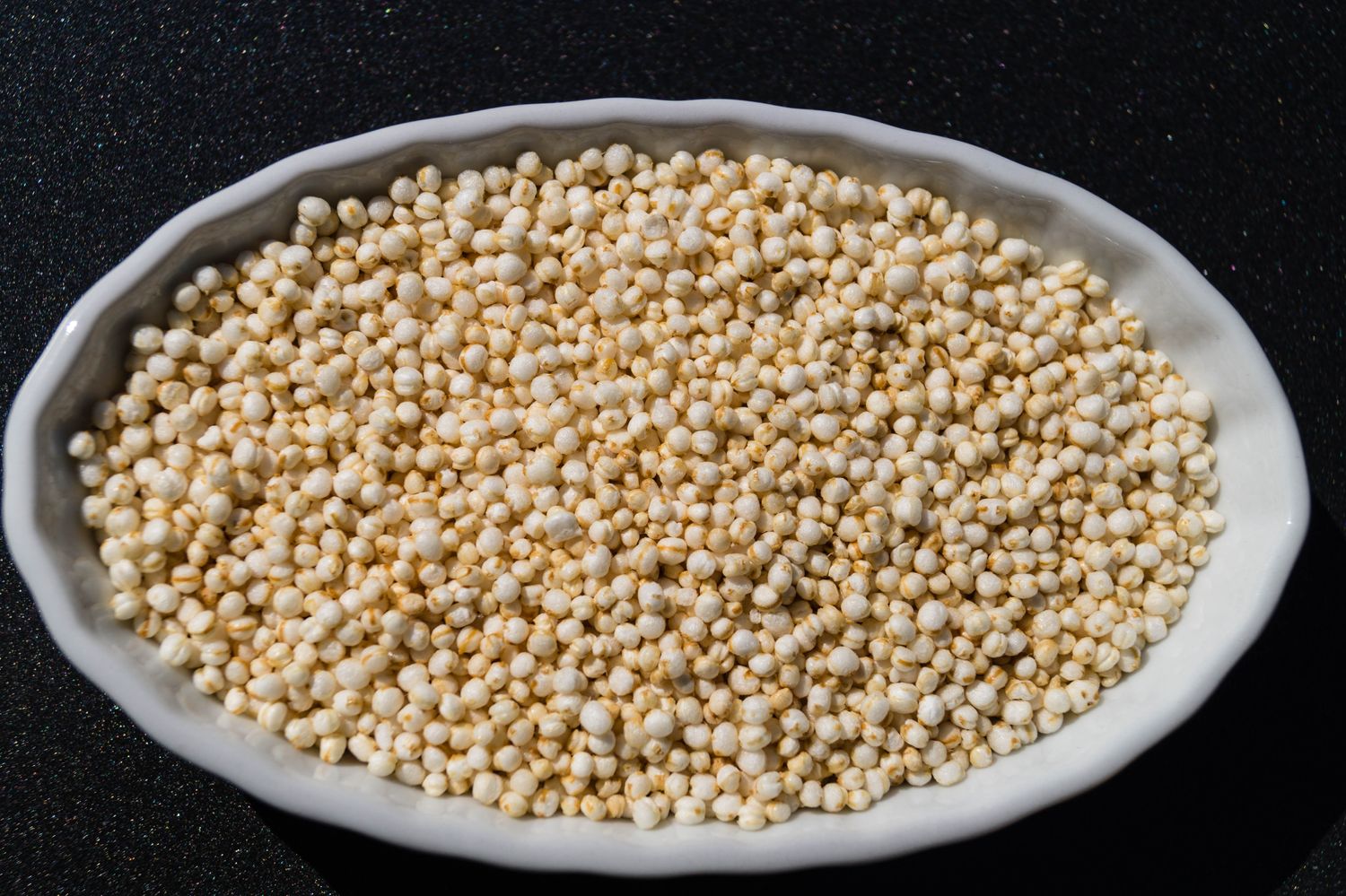

Have you been looking for a new addition to your diet that can offer numerous health benefits? Look no further than millets. These small-seeded grains have been consumed by humans for over 10,000 years and are still popular in many parts of the world, particularly in Asia and Africa. Despite their long history, millets have been overlooked in Western diets due to the dominance of more popular grains like wheat, rice, and corn. But with the rise of interest in healthy eating and plant-based diets, millets have been gaining recognition as a superfood.
Millets are not only nutritious but also versatile, with many different varieties that can be used in a variety of dishes. They are gluten-free, making them an excellent alternative for those with celiac disease or gluten sensitivities. Millets are also rich in essential nutrients such as fiber, vitamins, and minerals, making them a great addition to any balanced diet. Incorporating millets into your meals can help boost your immune system, improve digestion, and reduce the risk of chronic diseases such as diabetes and heart disease.
One of the unique features of millets is their ability to adapt to different climates and soils, making them a sustainable crop that requires little water and nutrients. Millets are often grown in dry, arid regions where other crops struggle to survive. So, by choosing to include millets in your diet, you are also supporting sustainable farming practices and helping to preserve the environment.
Despite their numerous benefits, millets have been overlooked in Western diets due to a lack of availability and promotion. However, this is slowly changing, with more and more grocery stores and specialty markets offering a variety of millets. You can also find numerous recipes that incorporate millets, from breakfast cereals to savory stews.
If you are looking for a new addition to your diet that can offer numerous health benefits, millets are definitely worth considering. With so many different types and uses in the kitchen, you are sure to find a variety that suits your taste and preferences. Not only will you be improving your own health, but you’ll also be contributing to sustainable farming practices and helping to promote millets as a superfood worthy of recognition. So what are you waiting for? Try millets today and see how they can transform your meals and your health.
Millets are a group of cereals that have been a staple food for millions of people in Asia and Africa for centuries. However, in recent years they have gained popularity worldwide as a nutritious and sustainable food source. Unlike other grains, millets are gluten-free and contain antioxidants, fiber, and essential minerals like magnesium and phosphorus. Furthermore, they are low in glycemic index and can help regulate blood sugar levels. Including millets in your diet can offer various health benefits, including improved digestion, reduced risk of heart disease, and weight management.
Millets come in several varieties, including finger millet, pearl millet, foxtail millet, and sorghum. They are adaptable and can be consumed in several different forms – as flour, flakes or as whole grains. Millets can be prepared in various ways, including as porridge, in salads, soups, or even as a substitute for rice or pasta. Additionally, they are easy to store, have a long shelf life and are less prone to spoilage compared to other grains. Millets are also sustainable as they require less water and fertilizers to grow, making them an eco-friendly alternative for conventional crops.
The health benefits of Millets
Including millets in your diet can offer health benefits, such as maintaining healthy body weight, improved digestive health, and reduced risk of chronic conditions like heart diseases and type-2 diabetes. Millets are low in fat, high in fiber, and contain vitamins and minerals that support overall health. They help in managing weight by keeping you full for longer and preventing overeating. Furthermore, millets are gluten-free, making them an ideal choice for people with gluten sensitivity or celiac disease.
Millets for a sustainable future
Millets are gaining popularity worldwide as a sustainable food source. These crops grow well in semi-arid regions and do not require extensive irrigation, fertilizers, or pesticides. Compared to other grains, millets are water-efficient and require less water to grow, making them ideal for regions with water scarcity. Additionally, millets are less prone to pests and diseases, making them a more reliable crop option for farmers, resulting in better yields and stability in the food supply chain.
Integrating Millets into our diets
Millets can be consumed in various forms, including as flour, flakes or as whole grains, making them a versatile ingredient in cooking. They can be used to make porridge, pancakes, bread, or even as a substitute for rice or pasta. Including millets in your diet not only provides health benefits but also supports sustainable farming practices. Try incorporating millet-based products in your meals, such as millet-based bread, pasta, or breakfast cereals.
Millets – A source of antioxidants
Millets are packed with antioxidants that help fight oxidative stress and inflammation in the body. These antioxidants help prevent cell damage and improve overall immune function. Furthermore, consuming millets regularly can help reduce the risk of chronic conditions like heart disease and cancer.
Millets – A boon for vegetarians and vegans
Millets are a great source of protein, making them an ideal food choice for vegetarians and vegans. They contain all essential amino acids, making them a complete protein source. Additionally, millets are low in fat and contain high fiber, which helps in maintaining healthy body weight.
Millets – A low glycemic index food
Millets are low in glycemic index and can help regulate blood sugar levels. This makes them an ideal food choice for people with diabetes. People with diabetes can use millets as an alternative to other grains like rice or pasta, thereby improving overall glycemic control and reducing the risk of developing other complications associated with diabetes.
Millets – A cost-effective food option
Millets are relatively cheaper than other grains like rice and wheat. Furthermore, they are easy to grow, store and transport, requiring minimal processing. This makes them an affordable option for people who are looking for healthy and sustainable food alternatives.
Summary
Small-seeded grains called millets, consumed by humans for over 10,000 years, have been overlooked in Western diets due to the popularity of wheat, rice, and corn. However, millets are gaining recognition as a superfood due to their nutritious, versatile and gluten-free profile. They contain essential nutrients such as fiber, vitamins and minerals, which can boost the immune system, hydrate the colon and reduce the risk of chronic diseases. Moreover, millets have the unique quality of adapting to different climates and soils, making them a sustainable crop that requires minimal water and nutrients. You can support sustainable farming and improve your health by incorporating millets into your diet.
FAQ
What are millets and what makes them a superfood?
Millets are a group of small-seeded grasses that have been cultivated for thousands of years. They are highly nutritious and offer numerous benefits to humans and the environment. Millets are a rich source of protein, fiber, minerals, and vitamins. They are gluten-free and have a low glycemic index, which makes them an excellent choice for people with celiac disease, diabetes, or metabolic disorders.
Millets are also eco-friendly, as they require less water and pesticides compared to other crops. They are highly resilient to drought and climate change, which makes them a sustainable option for farmers in arid regions. Millets are also versatile and can be used in a variety of dishes, from porridges and bread to snacks and desserts. With all these benefits, it’s no wonder that millets are gaining popularity as a superfood.
What are the health benefits of consuming millets?
Millets have numerous health benefits, which make them a valuable addition to any diet. They are rich in antioxidants, which help protect the body from oxidative stress and reduce the risk of chronic diseases such as cancer, diabetes, and heart disease. Millets are also a good source of fiber, which promotes digestion, reduces cholesterol levels, and improves glycemic control.
Millets contain essential vitamins and minerals, such as calcium, iron, and magnesium, which are important for bone health, blood circulation, and nerve function. They also have a low glycemic index, which means they release glucose slowly into the bloodstream, preventing sudden spikes in blood sugar levels. Consuming millets can help maintain a healthy weight, reduce inflammation, and improve overall immune function.
How to cook millets and incorporate them into my diet?
Millets are easy to cook and can be used in a variety of dishes. To cook millets, rinse them in cold water and drain. Then, add them to a pot with water or broth, and bring to a boil. Reduce heat, cover, and simmer until the water is absorbed, and the millets are tender. Millets can also be cooked in a rice cooker or pressure cooker, using the same proportions of water and millets.
Millets can be incorporated into the diet in several ways. They can be used as a substitute for rice in pilafs, stir-fries, and salads. They can also be added to soups, stews, and curries for added nutrition and texture. Millets can be used to make porridges, pancakes, muffins, and other baked goods. They can also be popped and used as a snack. The possibilities are endless, and millets can add a healthy and tasty twist to any meal.
Can millets be consumed by everyone, including children and seniors?
Millets are generally safe for consumption by everyone, including children and seniors. They are gluten-free and hypoallergenic, which makes them an excellent option for people with food sensitivities or allergies. Millets are easily digestible and can be incorporated into the diet of infants and young children.
Moreover, millets are beneficial for seniors, as they provide essential nutrients that are important for bone, muscle, and brain health. They are easy to chew and can be a good option for seniors with dental problems or difficulty swallowing. However, it is recommended to consult with a healthcare provider or a registered dietitian to ensure that millets are suitable for an individual’s specific dietary needs and health conditions.