The world we live in is experiencing a trend like never before- the trend of a healthy and sustainable lifestyle. In recent times, this has led to the advent of a new kind of food that has gained tremendous popularity amongst health enthusiasts- millets. As the world seeks to find alternatives to processed foods that are loaded with empty calories, millets have become the new superfood that has captured the imagination of many. And for good reason!
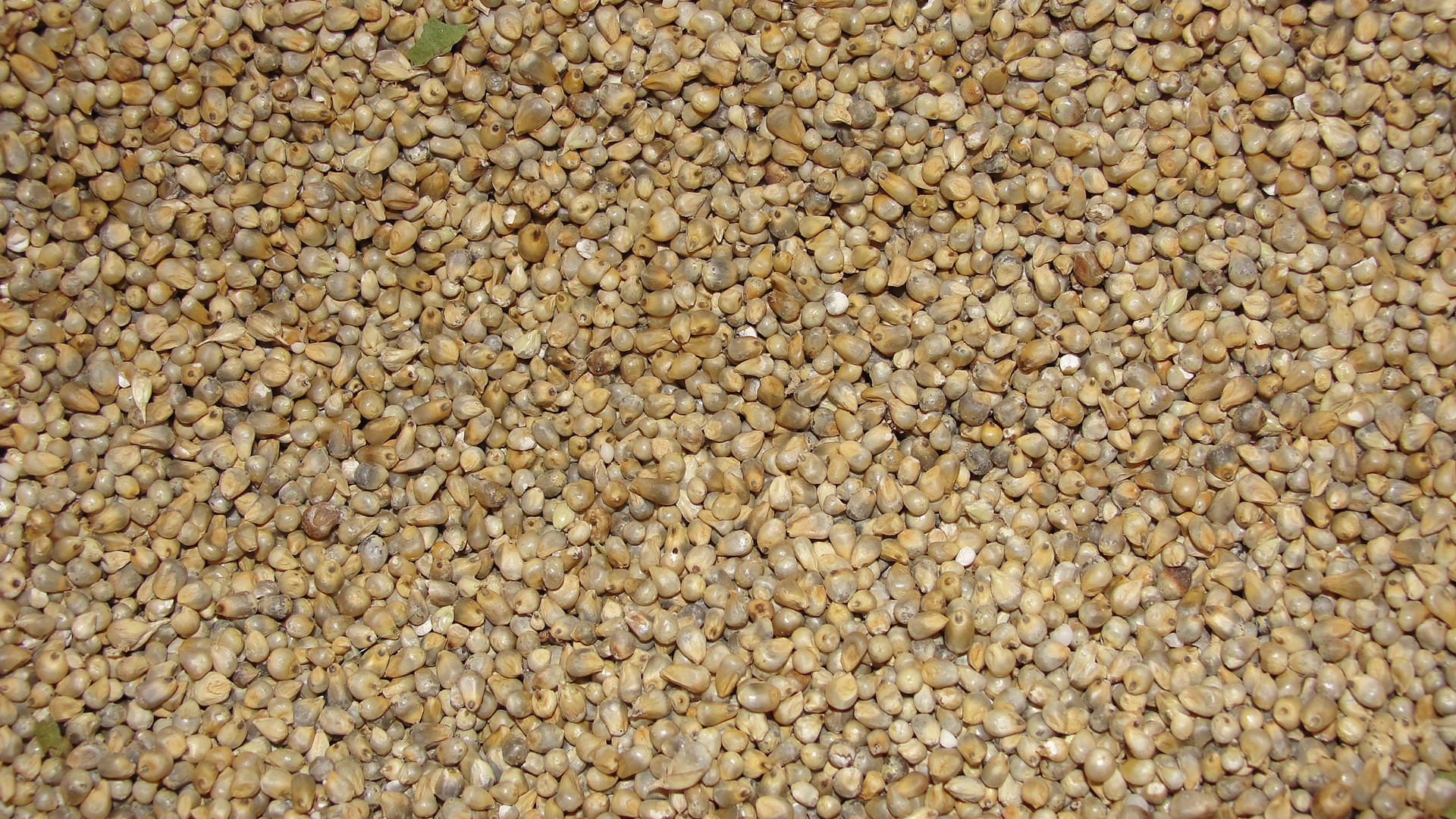
Millets are a group of small-seeded grains that have been classified as cereals and are among the oldest cultivated crops in the world. They are known for their versatile nutritional value, having a low glycemic index, and for being an excellent source of protein, fiber and other essential nutrients. Millets are gluten-free, hypoallergenic and are an excellent source of energy. They come in many varieties such as sorghum, pearl millet, finger millet and foxtail millet, each with its unique taste and benefits.
With its multiple health benefits, millets have become the go-to food for people who prefer a healthy lifestyle. Millets are an excellent source of antioxidants, which fight against various chronic diseases, including cancer and cardiovascular disease. They are also known for stabilizing blood sugar levels and are therefore recommended for people with diabetes. Additionally, millets are beneficial in the digestion process, helping to improve gut health and reduce the risk of digestive disorders.
In an age where people lead busy lives, millets have become a popular choice due to their versatility. They can be cooked as a porridge or made into flour, which can then be used to make dishes like bread, cakes and pastas. This makes them a popular choice for people who are looking for a healthy and convenient meal. The trend of incorporating millets into our diets has also been embraced globally, with many countries around the world promoting the use of millets in their cuisine.
As the awareness of the benefits of a healthy lifestyle spreads, it is no surprise that millets have become popular worldwide. From athletes to health enthusiasts, people have discovered that millets are a valuable addition to their diet, providing the body with the essential nutrients it needs. With unique flavors, versatile uses and a plethora of health benefits, millets have now firmly established themselves as the superfood of the future.
In conclusion, embracing a healthy lifestyle is the need of the hour. With millets on the rise, we have an opportunity to make our diets healthier while also contributing to the sustainable development of agriculture worldwide. So what are you waiting for? It’s time to embrace this trendy new superfood and start your journey towards a healthier you!
The Millet Revolution
For centuries, millets have been an integral part of traditional diets in Asia and Africa. However, the recent health and wellness movement has brought the small grains into the limelight as a superfood that offers numerous benefits to the body.
Millets are a group of highly nutritious, gluten-free, and versatile grains that are packed with complex carbohydrates, fiber, vitamins, and minerals. They are low in fat, high in protein, and have a low glycemic index, making them an excellent choice for people with diabetes, weight problems, and cardiac issues.
A Nutritional Powerhouse
When it comes to nutrition, millets are a jack of all trades. They come in different varieties such as pearl, foxtail, finger, and proso, and each one offers unique health benefits. Pearl millet is rich in iron, protein, and minerals, while foxtail millet is a good source of zinc and potassium. Finger millet is known for its high calcium content, and proso millet is rich in B vitamins.
Moreover, millets are packed with antioxidants that help boost immunity, reduce inflammation, and protect the body against chronic diseases such as cancer and heart disease. They are also rich in dietary fiber that aids digestion, prevents constipation, and keeps the gut healthy.
How to Include Millets in Your Diet
Millets are incredibly versatile and can be used in a variety of dishes, including breakfast porridges, savory porridges, salads, soups, stews, and desserts. They can also be used to make bread, pasta, and other baked goods.
If you’re new to millets, start by incorporating them into your everyday meals, replacing rice or wheat with millets. You can also experiment with different varieties of millets and try out traditional recipes from different parts of the world.
The Environmental Benefits of Millet Farming
Another reason to embrace millets is their eco-friendliness. Millets are highly sustainable and require less water, fertilizer, and pesticides than other crops. They are also resilient to climate change and can grow in harsh conditions.
By consuming millets, you’re not just taking care of your health but also supporting sustainable agriculture and protecting the environment.
Millets for a Healthier Lifestyle
Millets are not just a passing fad but a healthy lifestyle choice that can benefit everyone, regardless of their age or dietary preferences.
Whether you’re a fitness enthusiast, a vegan, or a foodie, millets can add valuable nutrients to your diet and help you achieve optimal health and wellbeing.
Where to Buy Millets
Millets are readily available in most grocery stores and health food stores. You can also buy them online from various e-commerce platforms.
When purchasing millets, look for high-quality, organic, and non-GMO varieties that are free of contaminants and chemicals.
The Future of Millets
As the world becomes more health-conscious and environmentally aware, the demand for millets is expected to rise. Millets are not just a trend but a sustainable and healthy food choice that has stood the test of time.
The future of millets looks bright, and it’s time for everyone to join the millet revolution and embrace this superfood for a healthier and happier life.
Summary
Millets, a group of small-seeded grains, have become a popular food choice for health enthusiasts as they are low in glycemic index, high in protein, fiber, and other essential nutrients, and an excellent source of energy. They are gluten-free, hypoallergenic, and come in many varieties with unique tastes and benefits. Millets offer multiple health benefits such as fighting against chronic diseases, stabilizing blood sugar levels, and improving gut health. They are also versatile as they can be cooked as porridge or made into flour for various dishes. Embracing millets in diets promotes healthy living and contributes to sustainable agriculture worldwide.
FAQ
What are millets and why are they considered a superfood?
Millets are a group of small-seeded grains that are often used in traditional diets around the world. They are gluten-free, high in fiber, protein, vitamins, and minerals such as iron and calcium. In recent years, they have been touted as a superfood due to their numerous health benefits such as reducing the risk of heart disease, diabetes, and certain types of cancer. They also have a low glycemic index, which makes them ideal for people with diabetes or those who want to maintain their blood sugar levels.
How can millets be incorporated into a healthy diet?
There are many ways to incorporate millets into one’s diet. They can be used as an alternative to rice or pasta, added to soups and stews, or even used in baking. Millet flour can also be used to make bread or chapati. Millets can also be used in salads, porridge, and as a breakfast cereal. For those who are unfamiliar with millets, it is recommended to start with small portions and gradually increase the amount in their diet.
Are millets suitable for people with gluten intolerance or celiac disease?
Millets are naturally gluten-free and are safe to consume for people who are gluten intolerant or have celiac disease. However, it is important to ensure that the millets used in cooking are not contaminated with gluten during processing or storage. It is advisable to purchase millets from a trusted source that is certified gluten-free.
Do millets have any side effects?
Millets are generally safe to consume and have no known side effects. However, it is recommended to consume millets in moderation as they are high in fiber, which can cause gastrointestinal discomfort for some people. It is also important to drink plenty of water when consuming millets to aid digestion. People with thyroid issues should consult their doctor before consuming millets as they contain goitrogens, which can interfere with thyroid function. Overall, millets are a nutritious addition to a balanced diet, and their benefits outweigh any potential risks.