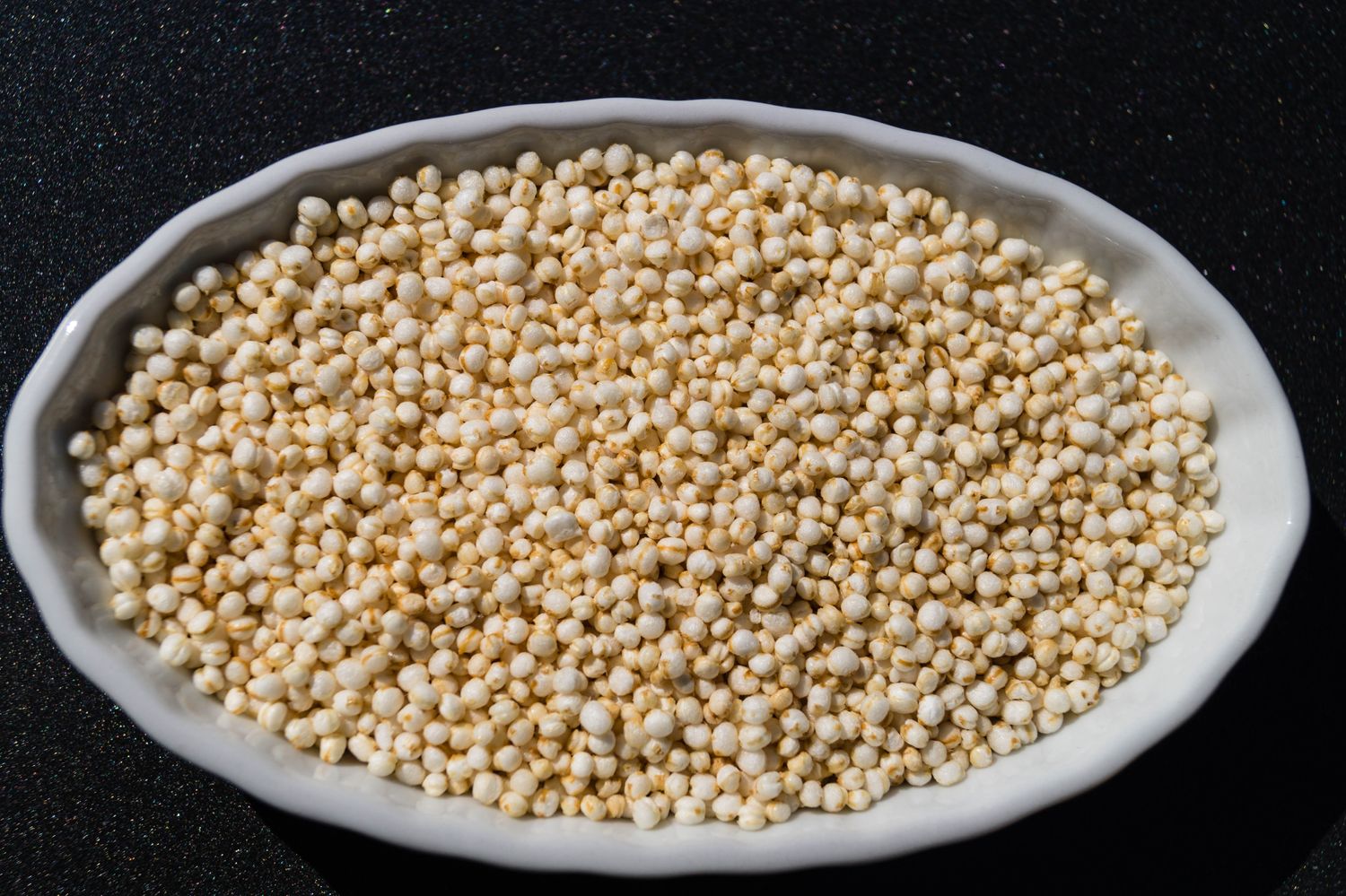
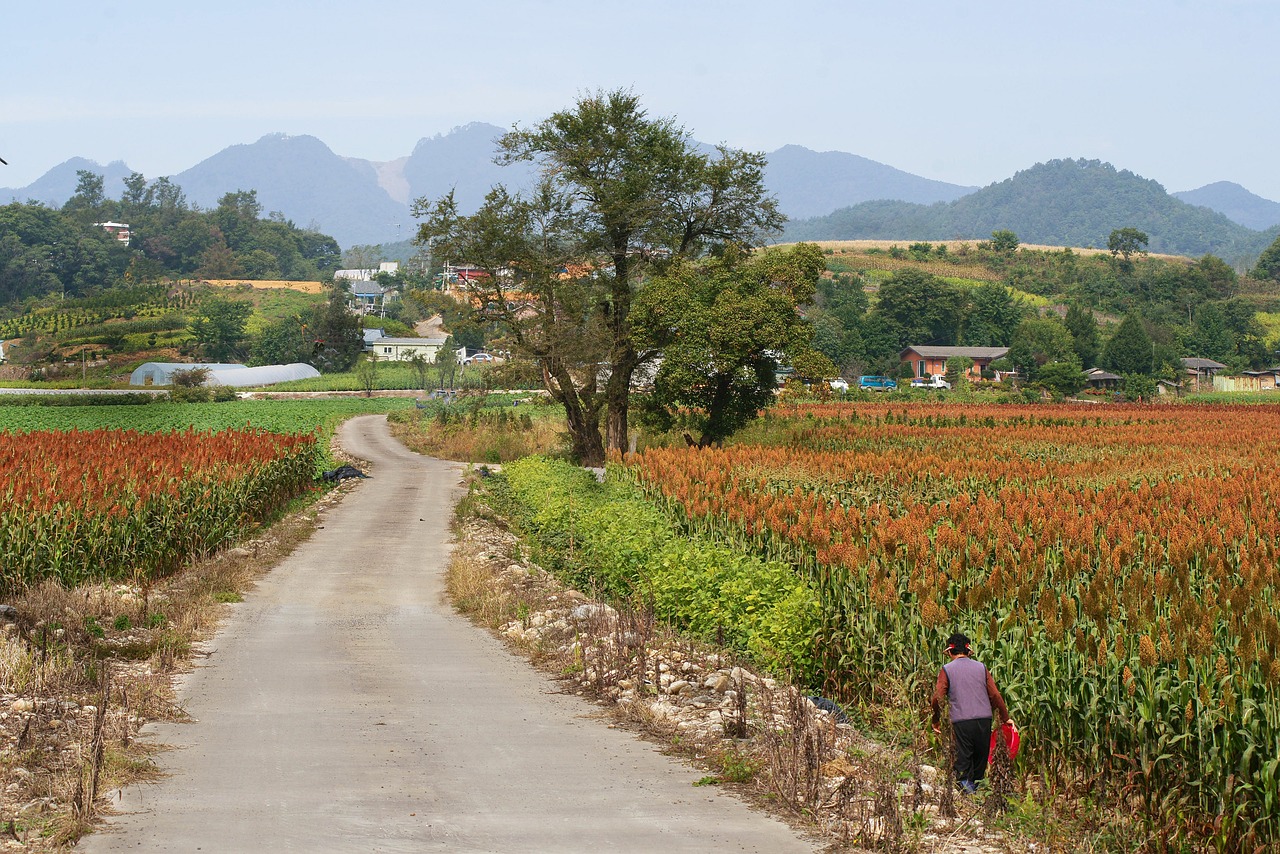
As the world’s population continues to grow, it is becoming increasingly important to find sustainable solutions to feed everyone. Millet, a nutritious and versatile grain, has been identified as one of the key crops that could help feed the world sustainably. But not only is millet good for our health, it can also help protect the planet. In this article, we will explore how millet farming practices can have a positive impact on the environment.
When it comes to farming, traditional practices have often been at odds with the environment. Pesticides, fertilizers, and monoculture farming can strip the land of its nutrients, deplete the soil of its natural fertility, and pollute waterways. But millet farming offers a more sustainable alternative. Millet is a hardy crop that grows well in poor soil and requires fewer inputs than other grains. Additionally, millet can be used in intercropping systems to promote biodiversity and soil health.
In addition to its sustainability benefits, millet is also an incredibly nutritious grain. It is high in fiber, protein, and antioxidants, and is gluten-free. This makes it an ideal food for people with celiac disease or gluten sensitivities. Furthermore, millet has been found to have a lower glycemic index than other grains, which means it can help regulate blood sugar levels and reduce the risk of diabetes.
But perhaps the most exciting thing about millet is its potential to combat climate change. Millet has a uniquely shallow root system that helps it cope with drought and water scarcity. As a result, millet farming requires significantly less water than other grains, making it a more sustainable option in areas with water shortages. Millet also sequesters carbon in the soil, which can help reduce greenhouse gas emissions and mitigate climate change.
Overall, millet farming practices offer a promising solution for sustainable agriculture that can benefit both people and the planet. By promoting biodiversity, reducing water usage, and sequestering carbon, millet farming can help combat some of the biggest environmental challenges we face today. As we continue to look for ways to feed the growing global population sustainably, it is clear that millet will play an important role in shaping the future of agriculture.
Introduction:
Millet farming has been considered as one of the most sustainable and eco-friendly crop production systems in the agricultural sector. Today, as the global climate change discussions are getting more significant, there is a growing interest in understanding the benefits and potential of millet farming in preserving our environment. With the increasing demand for healthy and bio-diverse diets, millet as a grain crop offers a promising opportunity for not only sustainable food production but also protecting the planet.
Economic and Environmental Benefits of Millet Farming:
Millet farming practices offer several economic and environmental benefits. First, millet requires less water than other grain crops, making it suitable for cultivation in semi-arid regions. Also, its short growing time and adaptability to various soil types make it a preferred crop for small-scale farmers. Furthermore, millet straw and stalks can serve as feed, bedding materials, or fuel, reducing the cost of livestock production. Additionally, the cultivation of millet promotes soil health and fertility, reduces soil erosion, and minimizes the use of agro-chemicals.
Millet Farming and Climate Change Mitigation:
Millet farming practices fix carbon in the soil, contributing to climate change mitigation. When the plants of millet crops are harvested and used for food, their root systems remain in the soil and help improve soil quality. This increases the carbon storage capacity of the soil, and the carbon is sequestered, reducing greenhouse gas emissions. Furthermore, intercropping millet with legumes and other crops reduces the need for synthetic fertilizers, thereby reducing nitrogen emissions and promoting biodiversity in the ecosystem.
Millet Farming and Food Security:
Millet farming practices offer an incredible opportunity to support food security. Millet is a robust grain crop that grows in harsh weather conditions, making it a preferred crop for small-scale farmers in developing nations. Additionally, the grain is highly nutritious and packed with minerals, fiber, and protein. Thus the cultivation of millet can provide a platform to combat malnutrition, especially in areas that are susceptible to food insecurity.
Millet in the Era of Climate Change:
In the era of climate change, the cultivation of millet plays a vital role in protecting our planet. With climate change-induced natural disasters becoming more frequent, the demand for durable and resilient crops such as millet is more apparent now than ever. Moreover, millet farming practices have been proved to be climate-resilient, meaning it can adapt to changes in weather and be resilient in extreme temperatures.
The Future of Millet Farming:
The potential of millet farming in protecting our planet is immense, and it is essential to note the factors that will shape the future of millet cultivation. One of these is the innovative application of technology in farming, enabling small-scale farmers to optimize their productivity and profitability. Also, continued research on improving millet varieties and developing more effective and efficient agricultural practices can help promote millet farming practices.
Conclusion:
In conclusion, the cultivation of millet offers several economic, nutritional, and environmental benefits. In the era of global climate change, there is an urgent need to adopt sustainable farming practices that protect the planet. Therefore, there is no better time to embrace millet farming practices and leverage their vast potential in mitigating climate change, preserving our planet, and promoting sustainable food production.
Summary
Millet is a versatile grain that could help feed the world sustainably. It is a hardy crop that requires fewer inputs than other grains, grows well in poor soil, and can be used in intercropping systems to promote biodiversity and soil health. Millet is also highly nutritious, gluten-free, and has a low glycemic index, making it ideal for people with celiac disease or gluten sensitivities. Furthermore, millet has a shallow root system that helps cope with water scarcity and sequesters carbon in the soil, making it a promising solution for sustainable agriculture to combat climate change.
FAQ
What are the environmental benefits of millet farming?
Millet farming practices can help protect the environment in several ways. First, millets are known to be climate-smart crops that can withstand extreme temperatures, drought, and waterlogging. As such, they require less water and can grow in arid regions where other crops cannot survive. Millet farming also involves the use of organic fertilizers, crop rotation, intercropping, and integrated pest management techniques that are environmentally friendly and less harmful to the soil. Additionally, millets are low-input crops that don’t require heavy use of pesticides, herbicides, and synthetic fertilizers that can pollute water bodies and harm wildlife.
Furthermore, millet farming practices can help reduce greenhouse gas emissions and mitigate climate change. Millets absorb more carbon dioxide from the atmosphere per unit of land than most other crops, making them an effective tool in reducing carbon footprint. They also promote soil health and improve soil structure, thereby increasing soil organic carbon storage. Overall, millet farming contributes to the conservation of natural resources, conserves biodiversity, and enhances ecosystem services.
How do millets contribute to food security and sustainable livelihoods?
Millet farming practices can contribute to food security and sustainable livelihoods in several ways. Firstly, millets are highly nutritious, gluten-free, and rich in essential vitamins and minerals that can improve human health. They can be processed to make a variety of value-added products such as flour, bread, porridge, and infant food that cater to different dietary needs. Secondly, millets are versatile crops that can be grown in diverse agro-ecological zones, including marginal lands, where other crops cannot thrive. This makes them a reliable source of food and income for smallholder farmers, who often face challenges such as climate change, drought, and poor soil fertility.
Moreover, millets have a strong cultural significance in regions where they are traditionally grown and consumed. They provide a sense of identity and community cohesion, which contributes to social well-being. Millet farming can also generate employment opportunities for women and youth, who are often marginalized in the agricultural sector. Overall, the cultivation and consumption of millets can contribute to sustainable food systems and equitable development.
How can millet farming practices promote biodiversity conservation?
Millet farming practices can promote biodiversity conservation in several ways. Firstly, millets are tolerant of low-input agricultural systems, which can maintain a stable agro-ecosystem and support a diverse range of species. They are known to attract a variety of beneficial insects, birds, and other wildlife, which contribute to natural pest control, pollination, and nutrient cycling. Secondly, traditional millet farming practices often involve crop diversification, intercropping, and seed saving, which can enhance plant and genetic diversity. This can have significant benefits for the long-term productivity and resilience of the farming system. Additionally, millet farming can provide habitat for native plant and animal species that are essential to ecosystem functioning.
In conclusion, millet farming practices can contribute to the conservation of biodiversity at the farm and landscape level. They can also promote cultural and ecological diversity, thereby supporting resilient and sustainable food systems.
What are the market opportunities for millets?
The growing demand for healthy, nutritious, and sustainably produced food presents significant market opportunities for millets. The global market for millets is expanding, with increasing demand for various value-added products such as millet flour, flakes, and ready-to-eat snacks. The development of modern processing technologies has made it easier to expand the range of millet-based products available to consumers. Moreover, millets have potential as export commodities, especially for niche markets that value their nutritional and environmental benefits.
Additionally, millet farming can provide income-generation opportunities for smallholder farmers, especially those who face market access challenges due to remoteness and lack of infrastructure. Digital technologies and e-commerce platforms can connect smallholder farmers to markets, thereby increasing their bargaining power and reducing transaction costs. The promotion of millets as a climate-smart and biodiversity-friendly crop can also enhance their market value and attract value chain actors who prioritize sustainability.
In conclusion, the growing market for millets provides opportunities to enhance the livelihoods of smallholder farmers and promote sustainable agricultural practices.