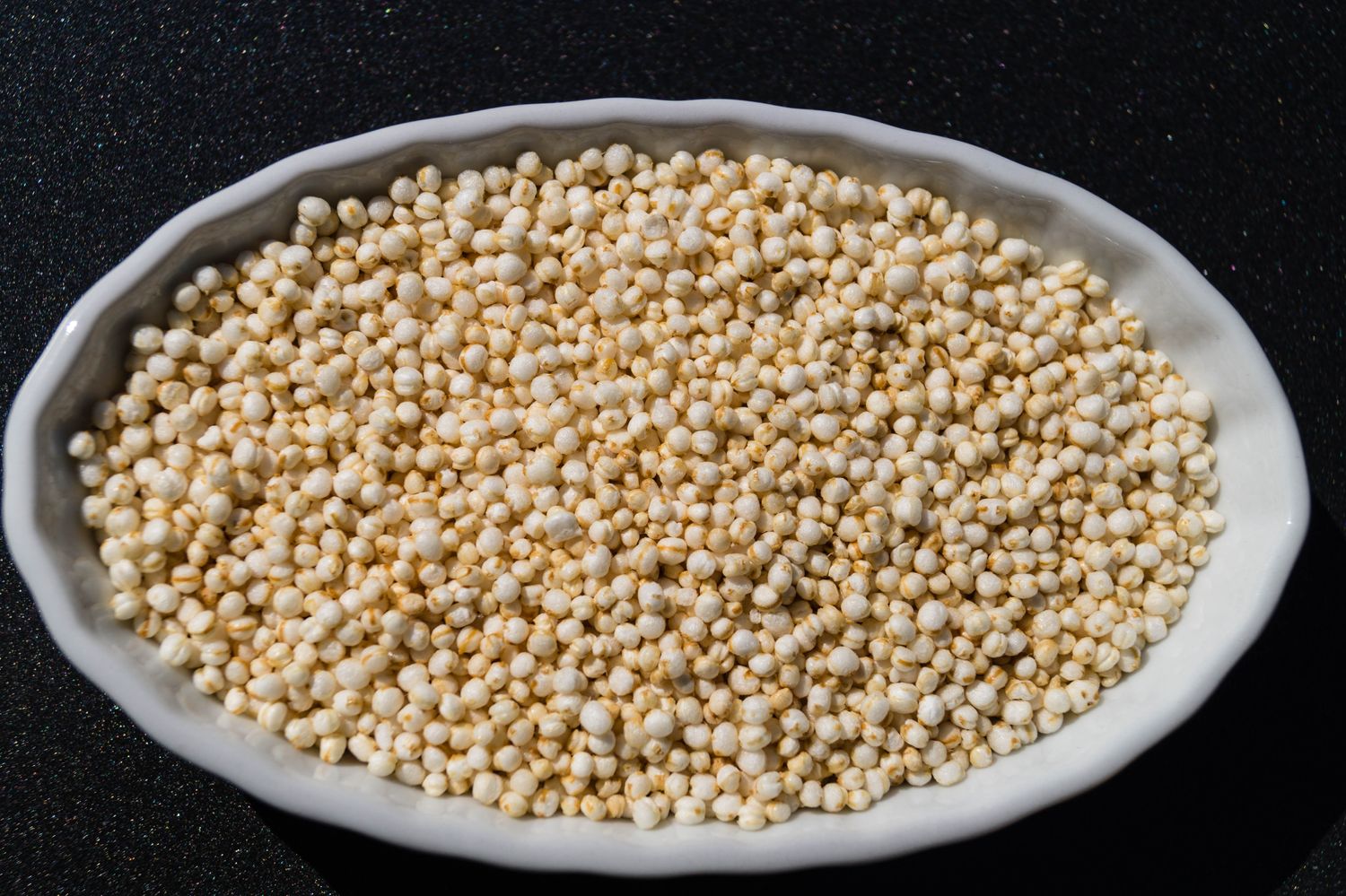
Millet is one of the oldest cultivated grains in the world. It is widely recognized as a versatile grain that can be used in many ways, making it a popular staple in many cultures. Millet is a group of small-seeded grasses that are grown around the world for food. This wonder grain is not only incredibly versatile, but also highly nutritious and gluten-free.
Millet can be ground into flour or used as a whole grain in its natural form. It can be used in baking, porridge, breakfast cereals, side dishes, and even as a base for soups and stews. Its versatility means it can also be used in sweet and savory dishes. Because millet does not contain gluten, it is perfect for people with celiac disease and gluten intolerance.
Apart from its versatility, millet is also highly nutritious. It is a good source of dietary fiber, B-vitamins, antioxidants, and minerals such as iron, magnesium, and phosphorus. These nutrients are essential for maintaining good health and preventing chronic diseases such as heart disease, diabetes, and cancer.
Millet is also an important grain for special dietary needs. It is low in fat and calories, making it an ideal food for weight loss and weight management. Its high fiber content and slow-digesting carbohydrates make it a perfect food for people with diabetes or those who want to maintain healthy blood sugar levels.
Millet is not only nutritious and versatile, but also sustainable and easy to grow. It requires less water and fewer resources to grow compared to other grains such as wheat and rice. This makes it an ideal crop for farmers in regions with limited resources and poor soil quality.
In conclusion, millet is a versatile grain that is perfect for people with special dietary needs. Its gluten-free nature and high nutritional content make it an ideal food for people with celiac disease, gluten intolerance, diabetes, and those who want to maintain healthy weight and blood sugar levels. Its sustainability and ease of growth make it an ideal crop for farmers in regions with limited resources.
Millet, a small grain that has been consumed for centuries, is now a popular choice for people with special dietary needs. This gluten-free grain is a good alternative for those who are allergic to wheat, rye, or barley. It is also low in fat and has a low glycemic index, making it a great option for people who want to manage their blood sugar. Millet is rich in vitamins and minerals, including manganese, magnesium, phosphorus, and B vitamins. These nutrients help to support bone health, nerve function, and metabolism.
Millet can be incorporated into a variety of dishes. It has a mild, nutty taste and a subtle texture that works well in both sweet and savory dishes. One popular way to prepare millet is to use it as a base for salads, adding roasted vegetables or protein for a filling and nutritious meal. Millet can also be used as a substitute for rice in stir-fries, or as a breakfast cereal when cooked with milk and topped with fruit and nuts. In addition to its versatility in cooking, millet is also a sustainable crop that requires less water to grow than other grains, making it an eco-friendly choice for those interested in reducing their environmental impact.
The Benefits of Millet
Millet is a nutrient-dense food that can provide a range of health benefits. Its rich fiber content helps to support digestive health and can reduce inflammation in the gut. Moreover, it contains antioxidants that can help to reduce cell damage caused by free radicals. Millet is also a good source of protein, making it a great option for vegetarians or those looking to reduce their meat consumption.
How to Cook Millet
Cooking millet is easy and straightforward. Rinse the grains under running water and then add them to a pot with water or broth. Let the millet simmer for around 25 minutes until it is tender. Fluff the cooked grains with a fork before serving. Millet can also be toasted in a dry pan before cooking to add extra depth of flavor to the dish.
Millet Recipes
Here are some millet recipes to get you started:
- Millet and Vegetable Stew
- Millet and Chickpea Salad
- Millet Porridge with Blueberries and Pecans
These recipes are easy to make and are sure to be a hit with your family and friends.
Buying Millet
Millet can be found in health food stores, specialty food stores, and some supermarkets. Look for millet in the bulk section or in the aisle with other grains. Make sure to buy organic millet to avoid pesticides and other chemicals.
Millet Flour
Millet flour is a great option for people who are gluten intolerant. It can be used in place of wheat flour in baking and makes a great addition to gluten-free breads, pancakes, and muffins.
The Bottom Line
Millet is a versatile and nutritious grain that can be enjoyed by everyone, especially those with special dietary needs. Its mild taste and subtle texture make it a great option for both sweet and savory dishes. So why not try incorporating millet into your diet today?
Summary
Millet is a versatile, gluten-free grain that has been cultivated for thousands of years and is a popular staple in many cultures. It can be used in baking, porridge, breakfast cereals, side dishes, and even as a base for soups and stews. Additionally, it is highly nutritious and a good source of dietary fiber, B-vitamins, antioxidants, and minerals such as iron, magnesium, and phosphorus. Its low fat and calorie content make it ideal for weight loss and management, and its sustainability and ease of growth make it an ideal crop for farmers in regions with limited resources.
FAQ
What is millet and how does it benefit people with special dietary needs?
Millet is a gluten-free grain that can be used in a variety of dishes. It is a good source of dietary fiber, protein, and several important minerals including iron, magnesium, and phosphorous. Millet is also a good source of antioxidants, which can have anti-inflammatory effects in the body. Because it is gluten-free, it is an excellent alternative for people with celiac disease or gluten sensitivity.
Millet can also be beneficial for people with diabetes. Its low glycemic index means that it is absorbed more slowly by the body, causing a more gradual rise in blood sugar levels. Millet can also help people with high blood pressure, as its high magnesium content can help to relax blood vessels and improve blood flow. Additionally, millet is easy to digest and can benefit people with digestive issues.
How do you cook with millet?
Cooking with millet is easy and versatile. It can be used in a variety of dishes, from breakfast porridge to salads to pilafs. To cook millet, first rinse it thoroughly in cold water. Then, bring 2 cups of water or broth to a boil and add 1 cup of millet. Reduce heat to a simmer, cover, and cook for 20-25 minutes, until the water has been absorbed and the millet is tender. Fluff with a fork and serve.
Millet can also be popped like popcorn for a crunchy, nutty snack. Simply place 1/4 cup of millet in a dry, heated pan over medium-high heat. Stir continuously until the millet begins to pop and turn golden brown, about 2-3 minutes. Transfer to a bowl and serve as a snack or topping for salads.
Is millet safe for people with nut allergies?
Millet is a safe alternative for people with nut allergies, as it is a grain and not a nut. It is gluten-free, too, making it a particularly good choice for people with both nut and gluten allergies.
Millet can provide a variety of essential nutrients for people with allergies, including B vitamins and magnesium. It can also be used as a substitute in recipes that call for nuts or nut-based flours. The versatility of millet as a grain makes it a great addition to any allergy friendly cooking.
How can millet be incorporated into special diets like vegan or vegetarian?
Millet is an ideal ingredient for vegan and vegetarian diets. It is an excellent source of plant-based protein, containing up to 15% protein content. This makes it a great substitute for animal-based protein sources like meat and eggs.
Millet can be used in a variety of vegan and vegetarian dishes, such as millet burgers, millet salads, and as a base for grain bowls. It can also be used as a substitute for rice, quinoa, or couscous in many recipes, such as veggie stir-fry or stuffed peppers. Millet’s mild, nutty flavor pairs well with a variety of seasonings and sauces, making it a versatile ingredient in vegan and vegetarian cooking.