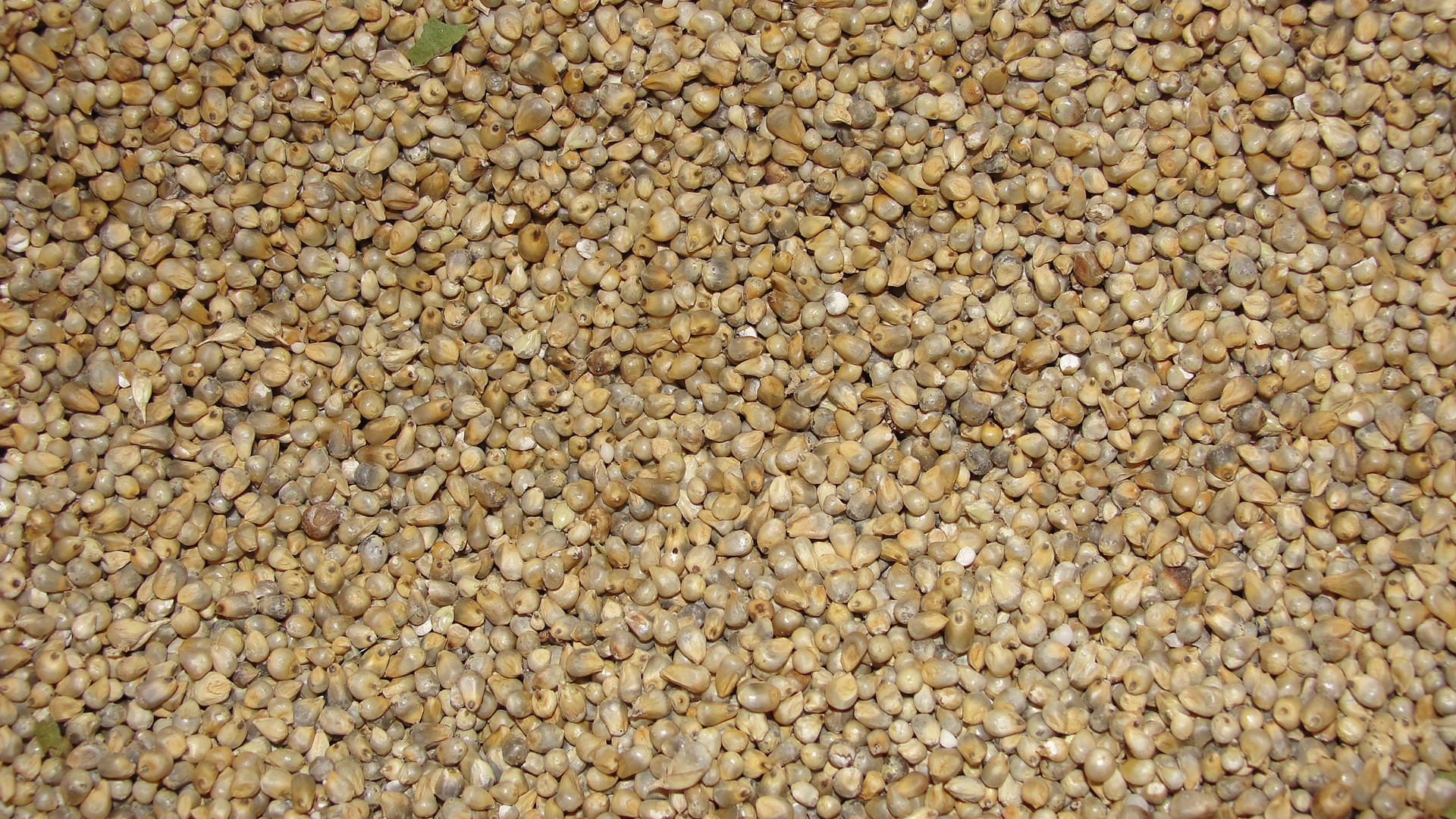
Millet, a gluten-free whole grain, is an ancient staple food that has been cultivated for over 10,000 years. Millet, including sorghum, teff, and ragi, is not only nutritious but also versatile. It comes in various forms that can be used in different recipes, making it an excellent addition to your daily diet.
If you’re bored with rice and wheat and are looking for the new healthier replacement, consider introducing millets into your diet. Millets not only offer nutritional benefits like high protein content, but also digest slowly, keeping you full for longer. In addition to being easy to cook, multigrain millets come in various forms and can be used in a range of recipes. From porridge to sprouts, millet can be a great addition to any meal and can provide a nutty texture for flavouring or bulking out dishes.
Millets are easy to cook and are excellent anytime foods for beginners. With practice, anyone can easily master them. To get started, keep a variety of millets in your kitchen, experiment with different recipes, and incorporate them into your diet. Some of the easiest millets to start with are foxtail millet, pearl millet, and finger millet.
If you’re looking to add millets to your daily diet, start by incorporating them slowly. Begin by replacing a portion of your regular rice or wheat with millet. With time, you can increase the quantity until you’re using millet in most of your dishes. You can also try including them in your daily breakfast routine with millet porridge or homemade granola.
Whether you’re looking to reduce gluten, boost your nutrient intake, or diversify your diet, switching to millets is a great idea. Millets are not only versatile but also tasty. With their distinctive nutty and slightly sweet flavour, adding millets to your diet can transform your meals.
In conclusion, incorporating millets into your diet can help you achieve excellent health benefits. As a beginner, start small and gradual, and avoid overwhelming your taste buds and stomach. Delight in the simplicity of adding millets into your daily meals and experience the profound difference in your overall health.
Introduction: Why Should You Add Millets to Your Diet?
Millets are a group of small-seeded grasses that have been grown and consumed as staple foods for centuries in several parts of the world. They are highly nutritious, gluten-free, versatile, and affordable grains that can be easily added to your daily diet. In this beginner’s guide, we will take you through the benefits of including millets in your diet and how you can incorporate them into your meals.
The Health Benefits of Millets
Millets are rich in fiber, protein, vitamins, and minerals that are essential for maintaining good health. They can help reduce the risk of heart disease, diabetes, cancer, and obesity. Millets are also gluten-free, making them an excellent option for people with celiac disease or gluten intolerance. Furthermore, they are easy to digest and have a low glycemic index, which means they release sugar into the bloodstream slowly, making them ideal for controlling blood sugar levels.
The Different Varieties of Millets
There are several types of millets, each with its unique flavor, texture, and nutrient profile. Some of the popular millets include finger millet, pearl millet, foxtail millet, proso millet, and barnyard millet. Before choosing the type of millet to add to your diet, you should consider your taste preferences, cooking expertise, and the availability of the millet in your local stores.
The Best Ways to Include Millets in Your Diet
Millets can be cooked in several ways and added to various dishes, such as rice, salads, soups, stews, porridges, and baked goods. They can also be used to make idlis, dosas, bread, and other traditional dishes. You can substitute millets for rice, quinoa, or other grains in your meals. Furthermore, you can soak, sprout, or roast millets before cooking to enhance their nutrient availability and digestibility.
Recipes to Try with Millets
Here are some easy and delicious recipes that you can try with millets: Millet and vegetable stir-fry, Millet and lentil soup, Millet and vegetable salad, Millet and coconut dosa, Millet and yogurt parfait, Millet and raisin cookies. The possibilities are endless, and you can experiment with different ingredients and flavors to find your favorites.
Tips for Buying and Storing Millets
When buying millets, look for whole-grain, organic, and unpolished versions to ensure that you get the maximum nutritional benefits. Store millets in airtight containers in a cool, dry place away from sunlight. Millets have a long shelf-life, and you can stock up on them for regular use.
Precautions to Take When Eating Millets
Although millets are generally safe for consumption, some people may be allergic to them. If you experience any adverse reactions after eating millets, such as rashes, itchiness, or swelling, consult your doctor immediately. Additionally, millets have phytic acid, which can bind to minerals in your body and reduce their absorption. So, if you eat a lot of millets, make sure you also include other sources of minerals in your diet.
Conclusion: Start Adding Millets to Your Daily Diet Today!
In conclusion, adding millets to your daily diet is an excellent way to improve your health, taste, and versatility in your meals. Start with small quantities and gradually increase your intake to avoid any digestive discomfort. With the right recipes, cooking, and storage tips, millets can become a satisfying and nutritious part of your daily diet.
Summary
Millet, an ancient gluten-free whole grain, is a nutritious and versatile addition to any diet. It comes in various forms, making it easy to use in a range of recipes. Millets are an excellent source of protein and digest slowly, keeping you full for longer. They’re easy to cook, making for great anytime foods, especially for beginners. Millets have a nutty and slightly sweet flavor, making them a tasty addition to any meal. Incorporating millets into your diet gradually can help reduce gluten, boost nutrient intake, diversify your diet, and promote overall health.
FAQ
What is a Millet and Why is it a healthy addition to your diet?
Millet is a group of small-seeded cereal grasses that are commonly grown and used in many regions around the world. Millets are highly nutritious grains that contain a range of essential vitamins, minerals, and other nutrients that provide excellent health benefits. They are gluten-free and are easily digestible, making them a great option for people with gluten intolerance or digestive issues. Millets are also low in fat and high in fiber, which makes them an excellent choice for maintaining healthy weight and managing cholesterol levels. Additionally, millets are versatile, have a unique taste, and are easy to cook, making them perfect for a beginner’s diet.
What are the different types of Millets and how can I add them to my diet?
There are several types of millets available in the market, including pearl millet, foxtail millet, finger millet, little millet, and many more. These millets can be added to your diet in several ways, depending on your preferences and taste. You can use them to make porridges, soups, salads, and even desserts. One of the most common ways of preparing millets is by cooking them as a rice substitute. You can also add millets to your baked goods such as bread or muffins by grinding them into flour.
How do I cook Millets, and what are the best ways to include them in my meals?
Cooking millets is easy and straightforward. Start by rinsing the millets in cold water and draining them. Bring water to a boil in a pot, add the millets, reduce the heat, and let it cook for about 15-20 minutes. Once the millets are tender and water is absorbed, they are ready for consumption. The best way to include millets in your meals is to replace traditional grains such as rice, barley, or wheat with millets. You can also add cooked millets to your salads, soups, and stews. Adding millets to your breakfast porridge, smoothies, or granola bars is also a great idea.
What are the benefits of adding Millets to my diet, and are there any precautions I need to take while consuming them?
Adding millets to your diet has numerous health benefits, such as reducing the risk of heart diseases, diabetes, and cancer. They are also rich in antioxidants that help fight inflammation and oxidative stress. Millets are also low in calories, which makes them great for weight loss and weight management. While millets are generally safe to consume, people with thyroid disorders should be cautious as some types of millets may interfere with thyroid function. Also, before adding millets to your diet, it is advisable to consult a healthcare expert to ensure that they are the right fit for your health goals.