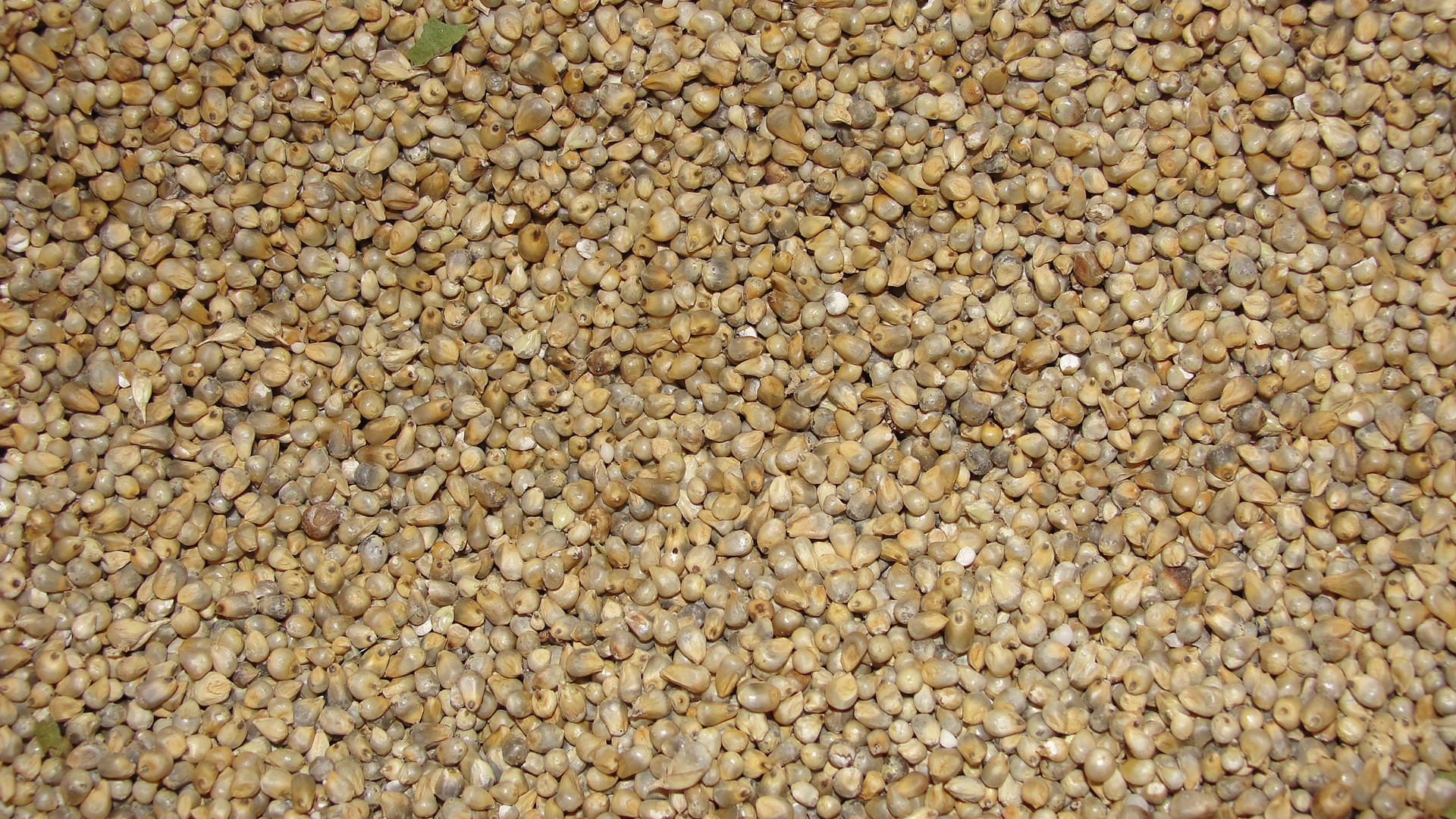
The world is undergoing a food revolution that has been brewing for some time now. The trend towards healthier and more sustainable food options is evident and is gradually penetrating every corner of the globe. Whole grains have for long been regarded as an essential component of a balanced diet, with their high fiber and nutrient content. However, amidst the sea of wheat and rice, there exists a grain that is often overlooked – Millet. Millet is one of the oldest and nutrient-rich grains in the world, and it is gradually gaining popularity among food enthusiasts due to its numerous health benefits.
Incorporating millet into your meals is not only an exciting culinary experience but also a nutritious habit. For centuries, millet has been a vital staple in many cultures of the world, from Africa to Asia and South America. The grain is a versatile ingredient that can be used to make a myriad of tasty dishes, from porridge, pilafs, salads, and even desserts. Millet’s flavor profile is mild and nutty, making it an ideal grain for a wide range of flavor combinations. Moreover, millets are gluten-free, low in fat, and packed with minerals like magnesium, iron, and zinc.
The high nutritional content of millets has rightly earned it the title of a superfood. The grain’s exceptional nutritional properties are especially essential in the modern-day lifestyle when most people are struggling with various health issues due to unhealthy diets. Incorporating millet into your meals offers an effective way of obtaining vital nutrients and minerals that are necessary for maintaining healthy lifestyles. Millet is also rich in antioxidants, which help to protect the body against cancer and chronic diseases such as diabetes.
Apart from the nutritional standpoint, incorporating millet in your meals also presents environmental, economic, and social benefits. Millets are some of the oldest cultivated grains in the world, and they are environmentally sustainable crops. Unlike most conventional grains, millets require minimal water, chemical fertilizers and are relatively drought-tolerant. Additionally, millets are cost-effective and can be grown across a wide range of regions, making them an ideal crop for farmers across the globe.
Millet’s economic significance is equally significant, especially in developing countries where it forms a significant portion of the staple diet. The crop is highly resilient and can sustain food security in regions that are prone to climatic and environmental changes. Incorporating millet into your meals is, therefore, a small but significant way of contributing towards sustainable and economically-viable food production.
Incorporating millet into your meals is an essential step towards a healthier life and promoting sustainable global food systems. Despite the numerous benefits of this ancient grain, millets are still often overlooked in most parts of the world. However, with the current global shift towards healthier food options, millets are on the brink of a renaissance. By embracing millet and incorporating it into our daily meals, we promote diverse and nutrient-rich diets that also help to create sustainable food systems that are beneficial to us and the environment.
In conclusion, the ancient grain revolution is underway, and millets are leading the way. Integrating millet into your meals guarantees excellent taste, nutritional benefits, and social, environmental and economic benefits. The versatility and nutrient density make millets a perfect grain for creating a diverse and healthy diet. When it comes to embracing new culinary experiences, millet is not a fad; it is a grain that has withstood the test of time and is here to stay.
Millets have been a staple food in many countries for centuries, but they have been largely overlooked in recent times due to the popularity of other grains such as wheat and rice. However, with the rise of the ancient grain revolution, there has been a renewed interest in these hardy, nutritious grains. Not only are millets gluten-free, but they are also rich in protein, fibers and minerals. Incorporating millets into your meals is a great way to diversify your diet and boost your health.
If you haven’t tried cooking with millets before, there are many delicious ways to incorporate them into your meals. One popular method is to cook millets like rice and use them as a base for a stir-fry or pilaf. You can also grind millets into flour and use them to make baked goods such as bread, muffins or pancakes. Millet flour has a nutty flavor and can be combined with other flours to make a variety of gluten-free baked goods.
The Nutritional Benefits of Millets
Millets are a nutrition powerhouse. They are high in protein, fiber, vitamins and minerals such as magnesium, iron, and calcium. Millets are also low in fat and gluten-free. Some studies suggest that consuming millets regularly can help prevent type 2 diabetes, heart disease and certain forms of cancer. Millets are also a great food option for vegans and vegetarians since they provide a significant amount of protein.
Millets are also a good source of antioxidants which help protect your body against oxidative stress. Antioxidants help combat inflammation and protect against cellular damage caused by free radicals. If you are looking for a food that can help improve your overall health, incorporating millets into your meals is a great way to get a wide range of nutrients.
The Variety of Millets Available
There are many types of millets available on the market today. Popular varieties include foxtail, finger, kodo, and pearl millets. Each type of millet has a unique taste and texture that can be used in different ways. Foxtail millets, for example, can be used to make desserts such as kheer, while pearl millets can be used to make savory dishes such as khichdi. Experimenting with different types of millets is a fun way to discover new flavors and textures.
In addition to cooking with whole millets, you can also use millet flour to create gluten-free dishes such as dosas, idlis, or pancakes. Millet flour can be used as a substitute for wheat flour and is a great way to add a nutty flavor to your baking recipes.
Easy and Delicious Millet Recipes
If you are new to cooking with millets, there are many easy and delicious recipes to get you started. One popular recipe is millet and vegetable pilaf. To make this dish, cook millets like rice and add vegetables such as carrots, peas, and cauliflower. You can also add spices such as cumin, turmeric, and coriander to create a flavorful dish.
Another easy recipe is millet porridge. Cook millets in water or milk and add sweeteners such as honey, maple syrup, or dried fruits. You can also add nuts such as almonds or walnuts for added crunch.
Cooking Tips for Millets
When cooking with millets, it is important to remember to rinse them thoroughly before cooking to remove any dirt or debris. You can also soak millets overnight to reduce cooking time and improve their digestibility. Millets have a slightly nutty flavor and can be combined with a variety of seasonings and spices to add flavor to your dishes.
If you are using millet flour in your recipes, it is important to combine them with other flours to create the right texture. You can use a combination of rice flour, potato starch, and tapioca flour to create a gluten-free all-purpose flour.
Where to Buy Millets
You can buy millets in most health food stores or online. Look for organic millets that are free from pesticides or other harmful chemicals. You can buy whole millets or millet flour depending on your preference. Millets are typically inexpensive and can be a great addition to your diet without breaking the bank.
If you are looking for new ways to diversify your diet and boost your health, incorporating millets into your meals is a great way to get started. Millets are easy to cook with, delicious, and packed with nutrients. Try some new millet recipes today and discover the many benefits of this ancient grain.
Summary
Millet, one of the oldest and nutrient-rich grains in the world, is gaining popularity as a superfood. Millet is versatile and can be used in a variety of dishes such as porridge, pilafs, salads, and desserts. It is gluten-free, low in fat, and packed with minerals like magnesium, iron, and zinc, making it an ideal meal option for a healthy lifestyle. Millet is environmentally sustainable and economically beneficial as it requires minimal water and chemical fertilizers, and can be grown in a range of regions, contributing towards sustainable and economically-viable food production. By incorporating millet into our daily meals, we promote diverse and nutrient-rich diets that help create sustainable food systems beneficial to us and the environment.
FAQ
What are millets and why are they considered important?
Millets are ancient grains that were first cultivated in Asia and Africa around 10,000 years ago and have been gaining popularity as a superfood in recent years. These small, gluten-free grains are packed with essential nutrients like protein, fiber, vitamins, and minerals, making them an important addition to a healthy diet. They also have a low glycemic index, meaning they don’t cause a rapid spike in blood sugar levels. Millets are considered important because they are sustainable and versatile grains that can help address issues like food security, climate change, and malnutrition.
How do you incorporate millets into your meals?
Millets can be used in a variety of dishes such as porridge, bread, salads, soups, stews, and even desserts. They can also be used as a healthy substitute for rice, pasta, and other grains. Millet flour can be used for baking, and millet flakes can be used for making granola or oatmeal. To incorporate millets into your meals, try making a millet pilaf with vegetables and spices, a millet salad with roasted nuts and seeds, or a millet porridge with fruits and honey. Millets can also be cooked in a pressure cooker or a slow cooker for a quick and easy meal.
What are the benefits of incorporating millets into your meals?
Incorporating millets into your meals has several benefits. Millets are a good source of fiber, which can help improve digestion and prevent constipation. They are also rich in minerals like magnesium, potassium, and phosphorus, which are essential for good health. Millets have a low glycemic index, making them a great food for people with diabetes or those looking to manage their blood sugar levels. They are also gluten-free, making them a safe food for people with celiac disease or gluten sensitivity. Furthermore, incorporating millets into your meals can help support sustainable farming practices and promote biodiversity.
Are there any precautions to take when incorporating millets into your meals?
While millets are generally safe and healthy, there are a few precautions to take when incorporating them into your meals. Millets contain phytic acid, which can inhibit the absorption of certain minerals. To reduce the phytic acid content, it’s recommended to soak millets overnight and rinse them thoroughly before cooking. Millets also contain goitrogens, which can interfere with iodine uptake in the thyroid gland. This is not a concern for most people, but those with thyroid issues should consult with their healthcare provider before consuming millets regularly. Additionally, some people may be allergic to millets, so it’s important to monitor any potential allergic reactions and consult with a healthcare provider if necessary.