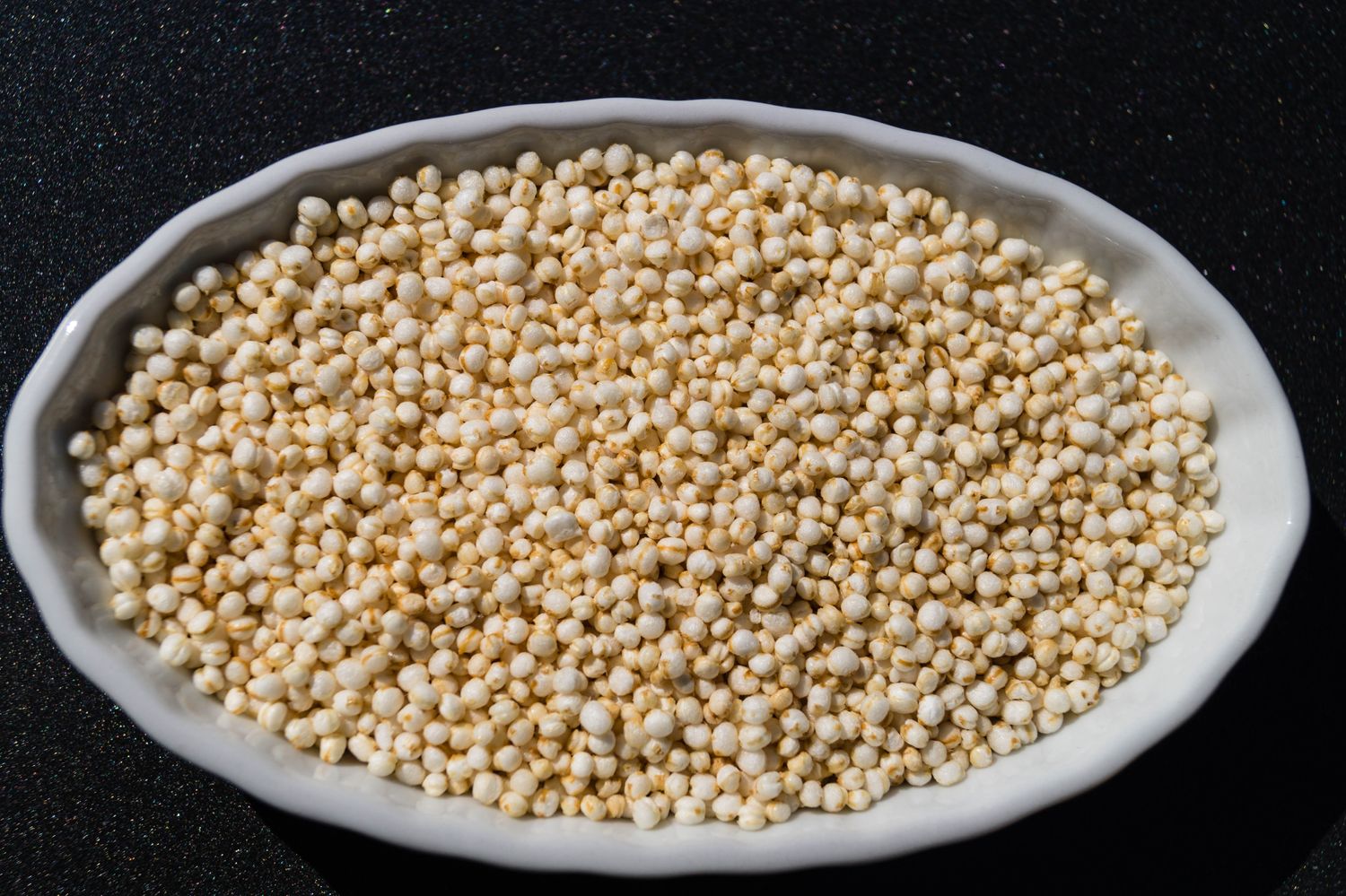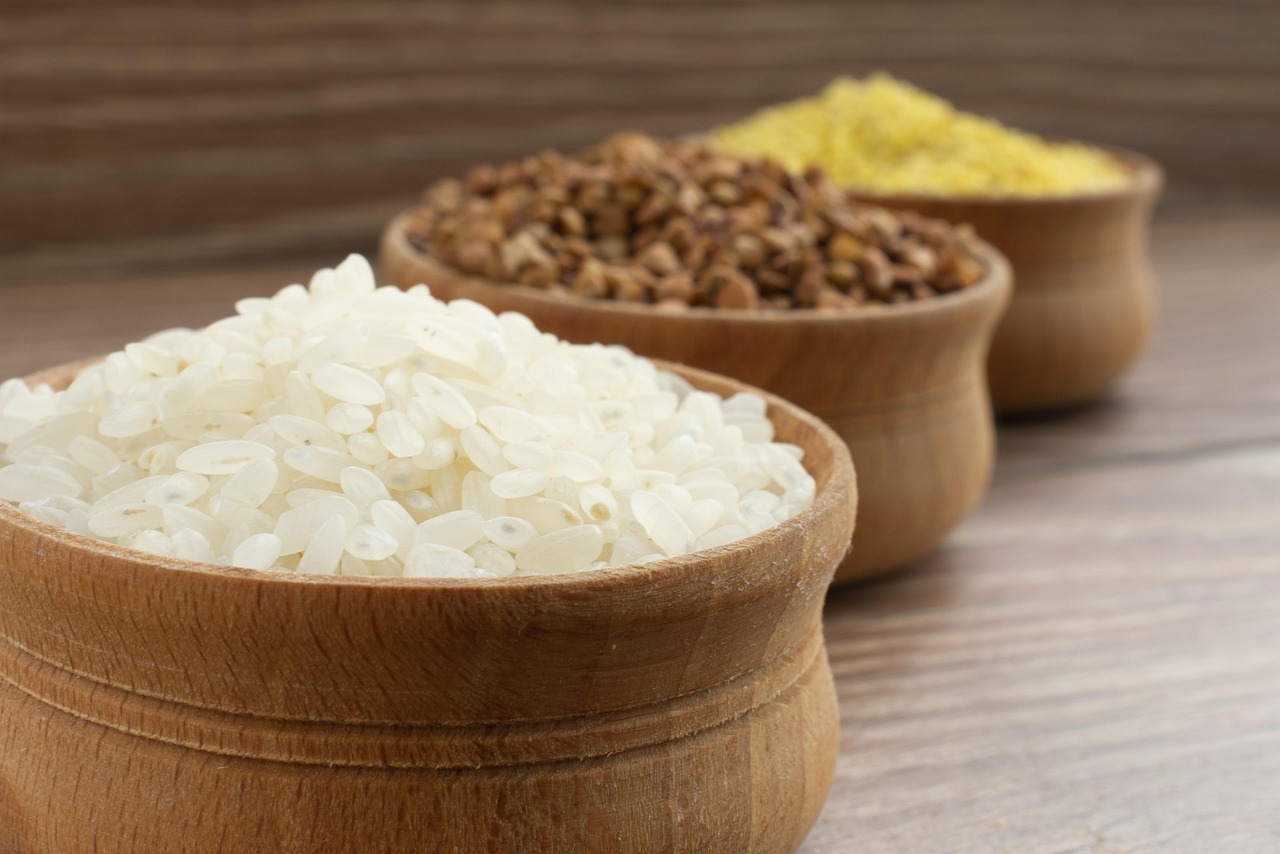
When it comes to staple foods, rice is the most popular and commonly consumed food around the world. Millets, on the other hand, are ancient grains that are making a comeback due to their exceptional health benefits. Millets and rice are both nutritious, but which of these two grains is the healthier option? The answer to this question is not as simple as it may seem. In this article, we will take a closer look at the nutrition content of millets and rice and compare them to help you decide which one is the healthier choice.
Rice, a staple food in many parts of the world, is a good source of carbohydrates. However, it is high in calories and has a high glycemic index, which means it can cause a spike in blood sugar levels. While rice is a good source of energy, it is not very rich in nutrients. On the other hand, millets are a powerhouse of nutrition. They are high in fiber, protein, vitamins, and minerals, making them a healthier and more nutritious option.
One of the significant advantages of millets is their high fiber content. Millets contain dietary fiber, which is essential for good digestion. Fiber helps to maintain regular bowel movements and prevents constipation. Rice, on the other hand, is low in fiber, which can lead to digestive issues and other health problems. Millets are also a rich source of insoluble fiber, which helps to reduce cholesterol levels and prevent heart disease.
When it comes to protein content, millets are a better option than rice. Millets contain all the essential amino acids, making them a complete protein source. Rice, on the other hand, is low in lysine, one of the essential amino acids, and is not a complete protein source. For vegetarians and vegans, millets are an excellent source of protein.
Another significant advantage of millets is that they are gluten-free. Gluten is a protein found in wheat, barley, and rye that can cause digestive problems for some people. Millets can be an excellent option for people with celiac disease or gluten intolerance because it provides a gluten-free alternative to wheat-based foods.
Millets are also rich in vitamins and minerals. They are a good source of vitamin B complex, vitamin E, iron, magnesium, zinc, and potassium. Rice is low in vitamins and minerals, and its nutritional content depends on the type of rice consumed. White rice, for example, is low in fiber and minerals compared to brown rice.
In conclusion, both millets and rice are nutritious, but millets are the healthier option. Millets contain more fiber, protein, and essential nutrients than rice. They are also gluten-free and can be an excellent alternative to wheat-based foods for people with celiac disease or gluten intolerance. Though rice is a popular and tasty food, its nutritional content is not as rich as that of millets. Incorporating millets into your diet can be an excellent step towards a healthier and more nutritious lifestyle.
Overview
Millets and rice are some of the most widely consumed grains in the world. While rice has been a staple food for centuries, millets have been gaining popularity in recent years due to their purported health benefits. In this article, we will explore the differences between millets and rice and assess which one is the healthier choice.
Nutritional Value
Millets are known for their high nutrient content, making them a popular choice among health-conscious individuals. They typically contain more protein, fiber, and micronutrients than rice. Millets are also a rich source of antioxidants, which help protect against chronic diseases.
Glycemic Index
The glycemic index is a measure of how quickly a food raises blood sugar levels. Rice has a high glycemic index, meaning it can cause blood sugar to spike rapidly. Millets, on the other hand, have a much lower glycemic index, making them a better choice for individuals with diabetes or those looking to manage their blood sugar levels.
Digestibility
Rice is easy to digest, and its consumption does not typically cause digestive discomfort. Millets, on the other hand, can be difficult to digest for some individuals, leading to bloating and discomfort. However, millets are gluten-free, making them an excellent choice for individuals with celiac disease or gluten intolerance.
Environmental Impact
Rice cultivation uses a significant amount of water and contributes to greenhouse gas emissions. Millets are generally considered more sustainable, as they require less water and are more resilient to climate change.
Cultural Significance
Rice is a staple food in many cultures and plays a significant role in their culinary traditions. Millets, on the other hand, are relatively unknown in many parts of the world. Introducing millets into diets can be an excellent way to diversify food choices and take advantage of their many health benefits.
Cost
Rice is widely available and relatively inexpensive, making it accessible to people all over the world. Millets, however, can be more expensive and are not always widely available. This can make it difficult for some individuals to include millets in their diet.
Conclusion
In conclusion, both millets and rice have their advantages and disadvantages. While millets may be the healthier choice overall, rice is a more accessible and culturally significant grain. Ultimately, the best choice depends on an individual’s needs and preferences. It is essential to include a variety of grains in one’s diet to ensure adequate nutrient intake.
Summary
Millets, ancient grains that are making a comeback, are a powerhouse of nutrition containing high levels of fiber, protein, vitamins and minerals. Rice, a staple food for many, is a good source of carbohydrates but is high in calories and has a high glycemic index. While being a good source of energy, it is not very rich in nutrients. The high fiber content of millets helps maintain regular bowel movements and prevents constipation. Millets also are a complete protein, and another advantage is they are gluten-free. Millets contain more fiber, protein, and essential nutrients than rice, so incorporating millets into a diet would be a healthy choice.
FAQ
What are millets, and how are they different from rice?
Millets are a group of small-seeded grains that have been used as a staple food in various cultures for centuries. Some of the common millets include sorghum, pearl millet, finger millet, and foxtail millet. Rice, on the other hand, is a grain that is widely consumed globally and is a staple food in many Asian countries. The primary difference between millets and rice lies in their nutritional profile, fiber content, and glycemic index.
Are millets healthier than rice?
Millets are often considered a healthier alternative to rice as they are high in fiber, protein, and other essential nutrients. Unlike rice, millets are gluten-free and have a low glycemic index, which means that they release sugar into the bloodstream slowly and provide sustained energy. Millets are also a rich source of antioxidants and minerals such as iron, magnesium, and phosphorus, which help to support overall health and well-being.
Can millets be substituted for rice in everyday meals?
Yes, millets can be easily substituted for rice in everyday meals and can be cooked in various ways. Millets can be used to make salads, porridge, baked goods, and soups. They can also be cooked and served with a variety of vegetables and lentils. Millets are versatile and can be used as a healthier alternative to rice in many Indian and international dishes.
Are millets suitable for everyone, including people with medical conditions like diabetes and gluten intolerance?
Millets are generally safe for consumption by everyone, including people with medical conditions like diabetes and gluten intolerance. Due to their low glycemic index and high fiber content, millets are considered an ideal food for people with diabetes. Millets are gluten-free, making them a safe option for people with celiac disease or gluten intolerance. However, it is always advisable to consult a healthcare professional or a registered dietitian before making significant changes to your diet.