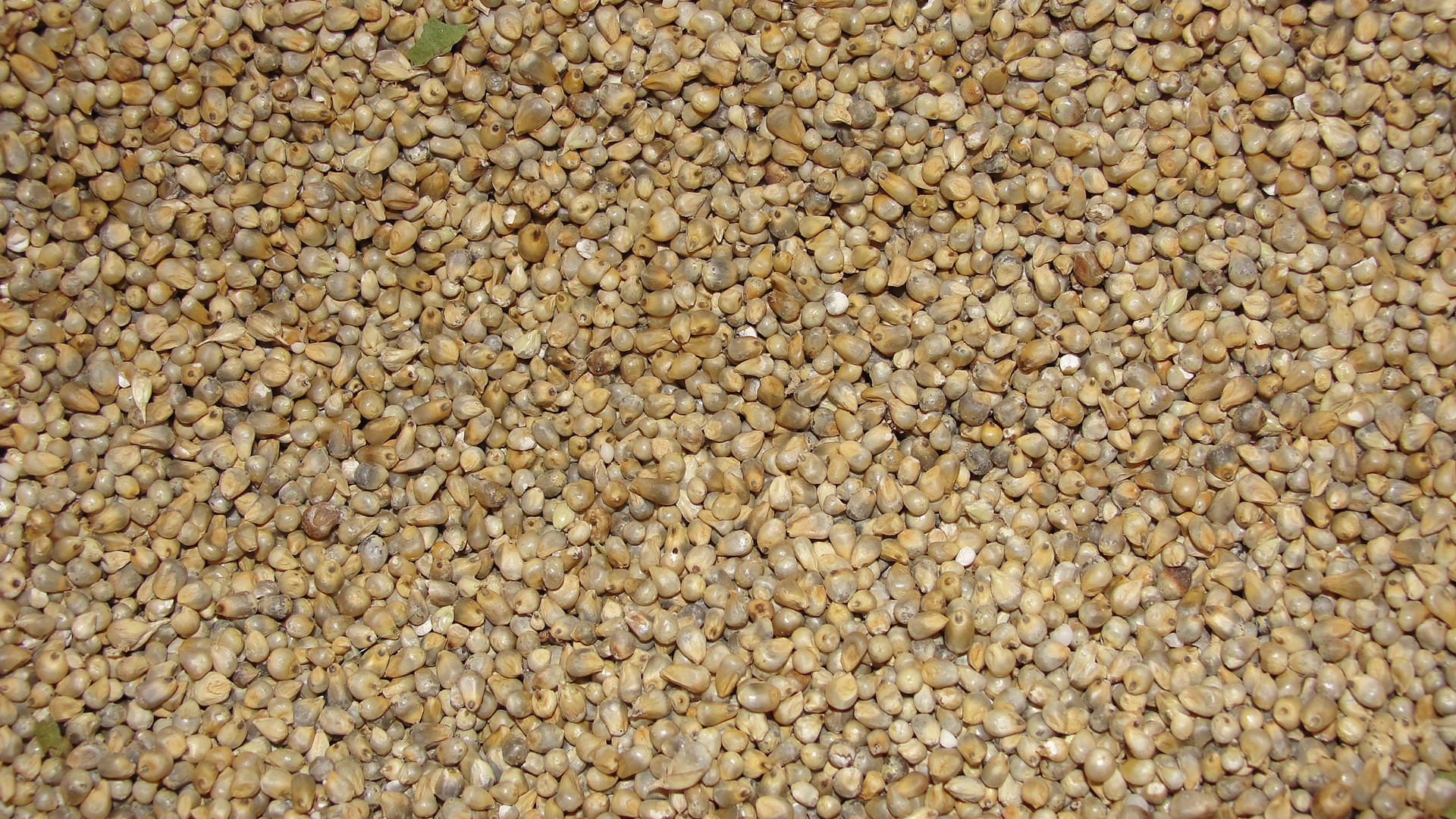
Millets, often referred to as ancient grains, have been growing in popularity as people search for healthier alternatives to incorporate into their modern diets. These small-seeded grasses have been cultivated for thousands of years and have played a significant role in the diets of many cultures around the world. However, it is only recently that millets have gained recognition for their numerous nutritional benefits, making them a fantastic addition to a balanced lifestyle.
One of the most remarkable features of millets is their impressive nutritional profile. These grains are packed with essential vitamins, minerals, and dietary fiber, making them a fantastic choice for anyone looking to improve their overall well-being. Unlike refined grains, millets retain their bran and germ layers, which are rich in nutrients. This allows for a slow release of carbohydrates and helps regulate blood sugar levels, making millets a wise choice for individuals managing diabetes or those looking to control their weight.
Another fascinating attribute of millets is their gluten-free nature. With the rise in gluten-related allergies and sensitivities, millets provide a versatile and nutritious alternative for individuals who need to avoid gluten. In addition, millets are generally easier to digest compared to wheat or barley, making them an excellent choice for those with sensitive stomachs.
Beyond their nutritional benefits, millets have also proven to be a sustainable and environmentally friendly crop. These hardy grains can thrive in a wide range of conditions, requiring minimal water and fertilizers compared to other cereal crops. Their resilience allows farmers to grow millets in arid regions where other crops struggle to survive, making it an ideal option for sustainable agriculture and food security.
Moreover, millets offer a diverse range of culinary possibilities. From traditional dishes like idli and dosa in India to couscous in the Middle East, millets can be incorporated into numerous recipes to add texture, flavor, and nutritional value. Their mild, nutty taste makes them a versatile ingredient, suitable for both savory and sweet preparations. The increasing availability of processed millet products, such as flour and flakes, further reinforces their usability in modern kitchens.
Apart from their versatility in the kitchen, incorporating millets into our diets can have a positive impact on our overall health. Research suggests that regular consumption of millets can help reduce the risk of various chronic diseases, including cardiovascular diseases, certain types of cancer, and obesity. With their high fiber content, millets promote healthy digestion and can aid in preventing conditions such as constipation and diverticulosis.
Exploring the wonders of millets for a balanced lifestyle not only brings a plethora of health benefits but also supports global efforts towards sustainable agriculture. As the demand for healthier and more sustainable food options grows, it is exciting to witness the renaissance of these ancient grains in modern cuisine. It is time for millets to shine once again and contribute to a healthier and more resilient future.
Introduction
Introduction to the topic of discovering the nutritional wonders of millets and its significance in maintaining a well-balanced lifestyle.
History and Importance of Millets
Exploring the historical context and significance of millets in human civilization. Discussing their importance as a staple food in various cultures.
Millets are a group of highly nutritious, small-seeded grains that have been cultivated for thousands of years. They have played a crucial role in the history of human civilization, especially in regions where they are native. Millets are particularly important in parts of Asia and Africa as they are well-suited to grow in arid and semiarid conditions, where other staple crops may struggle to thrive. These grains are highly resilient and have thus been a reliable source of sustenance for populations in these regions for centuries.
Nutritional Benefits of Millets
Exploring the various nutritional benefits of consuming millets regularly. Discussing their high fiber, protein, and mineral content.
Millets are packed with nutritional goodness, making them an excellent addition to a balanced diet. One of the key benefits of millets is their high fiber content, which aids digestion, prevents constipation, and promotes gut health. Additionally, millets are an excellent source of protein, making them an ideal choice for vegetarians and vegans looking for plant-based protein options. Furthermore, millets are rich in essential minerals like iron, magnesium, calcium, and phosphorus, which are vital for maintaining bone health, muscle function, and overall well-being.
Types of Millets
Exploring the different types of millets available and their unique nutritional profiles.
There are several types of millets, each with its own distinct flavor, texture, and nutritional composition. Some popular varieties include pearl millet (bajra), finger millet (ragi), sorghum (jowar), and foxtail millet. Pearl millet is known for its high iron content, while finger millet is a rich source of calcium. Sorghum is packed with antioxidants, and foxtail millet offers a good balance of macronutrients.
How to Incorporate Millets into Your Diet
Providing practical tips on how to include millets in everyday meals to experience their nutritional benefits.
Incorporating millets into your diet is easier than you might think. You can use millet flour as a substitute for wheat flour to make bread, rotis, and other baked goods. Millets can also be cooked and served as a healthy alternative to rice or consumed as porridge or in salads. Adding millets to soups, stews, and casseroles not only enhances their nutritional value but also provides a delightful texture. With a little creativity, millets can be used in various recipes to make your meals healthier and more interesting.
Millets: A Sustainable and Affordable Food Option
Highlighting the sustainability of millets as a crop and their affordability compared to other grains.
Millets are not only nutritious but also sustainable. As they require less water and are resistant to pests, they have a lower environmental impact compared to other crops. Additionally, millets are relatively affordable and can be a cost-effective alternative to other grains. By choosing millets, you not only prioritize your health but also contribute to a more sustainable and inclusive food system.
Conclusion
Summarizing the key points discussed and highlighting the importance of embracing millets for a well-balanced and nutritious lifestyle.
The journey of discovering the nutritional wonders of millets leads us to acknowledge their historical significance, understand their immense nutritional benefits, and explore their various types and incorporation methods in our diet. By adding millets to our meals, we not only nourish our bodies but also support sustainable agriculture. So, let’s embrace this ancient grain and embark on a path towards a healthier and more balanced lifestyle.
Summary
Millets, ancient grains that have been consumed for thousands of years, are gaining popularity as people seek healthier alternatives in their diets. These small-seeded grasses offer numerous nutritional benefits, including essential vitamins, minerals, and dietary fiber. Unlike refined grains, millets retain their nutrient-rich bran and germ layers, promoting slow carbohydrate release and aiding in blood sugar regulation. They are also gluten-free and easier to digest, making them suitable for those with gluten-related allergies or sensitivities or sensitive stomachs. Millets are sustainable and require minimal water and fertilizers to grow, making them ideal for sustainable agriculture and food security. Additionally, they offer culinary versatility and have been linked to reducing the risk of chronic diseases. Incorporating millets into our diets not only benefits our health but also supports sustainable agriculture efforts.
FAQ
What are millets and why are they considered nutritional wonders?
Millets are a group of small-seeded, gluten-free grains that have been cultivated for thousands of years, particularly in Asia and Africa. They include varieties such as ragi (finger millet), jowar (sorghum), bajra (pearl millet), and foxtail millet, among others. Millets have gained popularity in recent years due to their exceptional nutritional properties.
Millets are rich in essential nutrients like dietary fiber, vitamins (particularly B vitamins), minerals (such as iron and magnesium), and antioxidants. Their high fiber content aids digestion, helps regulate blood sugar levels, and promotes satiety. Moreover, millets are gluten-free, which makes them suitable for individuals with gluten intolerance or celiac disease. Millets also have a low glycemic index, meaning they release glucose into the bloodstream slowly, thereby helping to manage blood sugar levels. Overall, their nutrient profile positions millets as a valuable addition to a balanced and healthy lifestyle.
How can millets be incorporated into our daily diet?
Millets offer a versatile and easy-to-incorporate solution for a balanced diet. They can be used in various forms, including whole grains, flours, and flakes. To start, you can substitute millets for rice or wheat in familiar dishes such as pulao, biryani, and upma. Millet flour can be used in baking bread, cookies, or pancakes. Millet porridge is a nutritious breakfast option, and millet flakes can enhance the nutritional value of your morning cereal or muesli.
Additionally, millet grains can be sprouted, which activates their enzymes and increases their nutrient content. Sprouted millets can be consumed in salads, as a topping for yogurt or smoothie bowls, or added to soups and stews. Experimenting with millet-based recipes, such as millet dosa, millet salads, and millet-based desserts, can further enrich your diet. With numerous millet varieties and several cooking techniques, you can effortlessly integrate these nutritional wonders into your daily meals.
Are millets suitable for individuals with dietary restrictions or specific health conditions?
Millets are highly beneficial for individuals with dietary restrictions or specific health conditions. As mentioned earlier, millets are gluten-free, making them a perfect alternative for those with celiac disease or gluten intolerance. The grains’ high fiber content makes them an excellent choice for individuals looking to improve their digestion or manage their weight.
Moreover, millets have a lower glycemic index compared to refined grains like wheat and rice. This characteristic is advantageous for individuals with diabetes, as consuming millets can help regulate blood sugar levels. Millets are also known to have a calming effect on the nervous system due to their rich magnesium content. Therefore, they can positively impact conditions such as anxiety or insomnia. However, it is always recommended to consult with a healthcare professional or a registered dietitian before making significant dietary changes, especially if you have specific health conditions or are under medication.
Can millets be included in a weight loss diet?
Absolutely! Millets are an excellent addition to a weight loss diet for several reasons. Firstly, their high fiber content promotes feelings of fullness and reduces the risk of overeating or snacking on unhealthy foods. Secondly, millets have a lower glycemic index, causing a slower and steadier release of energy, preventing spikes in blood sugar levels, and helping to control cravings.
Millets are also relatively low in calories compared to other grains like rice and wheat. They are nutrient-dense, meaning they contain a good balance of essential vitamins, minerals, and antioxidants, which are crucial for overall health during weight loss. Additionally, millets are a source of plant-based protein, which plays a vital role in building and repairing tissues, as well as supporting muscle health. Overall, incorporating millets into a balanced diet and exercise routine can contribute to sustainable weight loss and overall wellbeing.