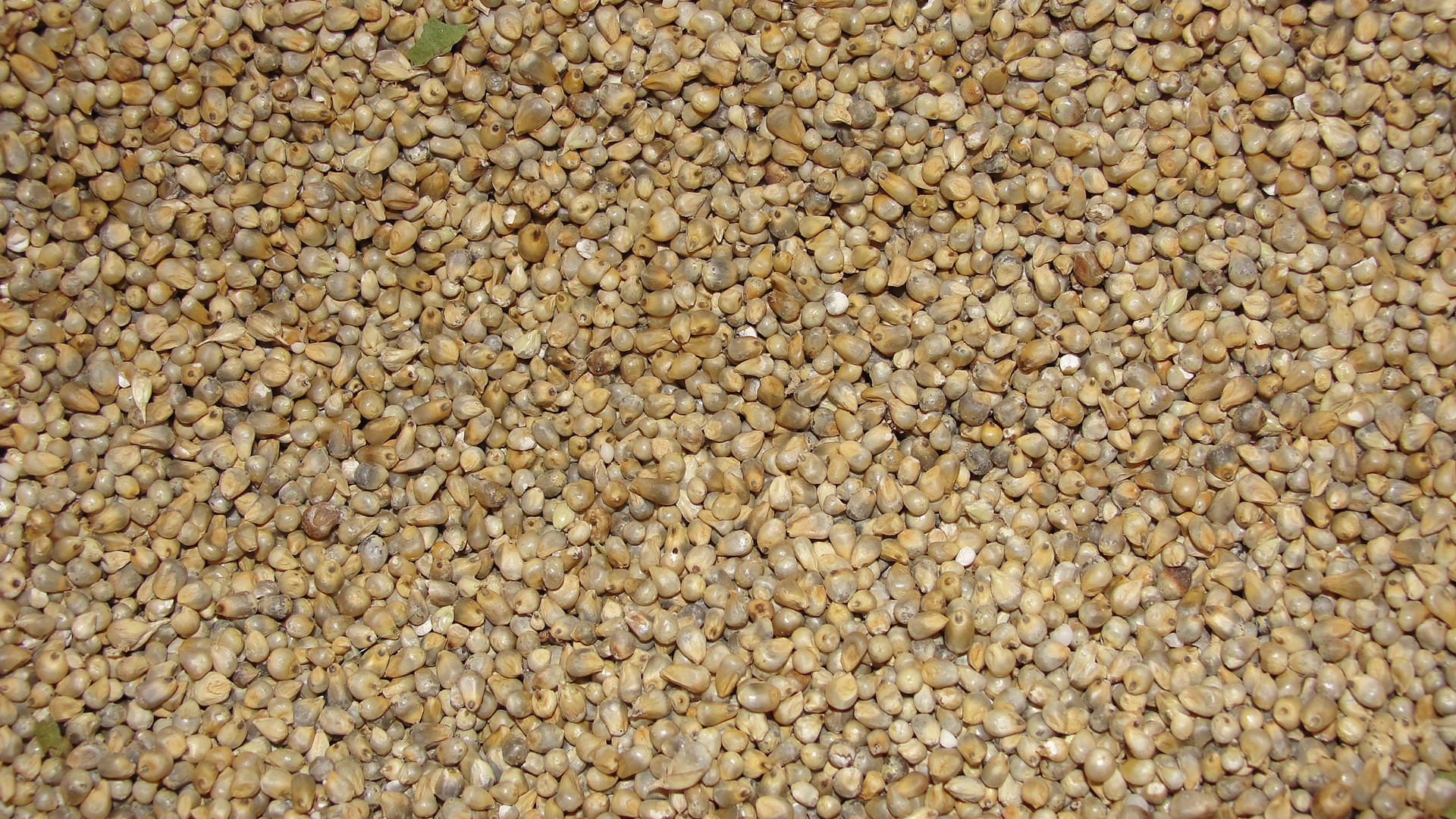
Millet, often referred to as the forgotten ancient grain, has been making a comeback in recent years as people search for healthier and more sustainable food options. Its journey from farm to table is a fascinating one, with each step unfolding a multitude of secrets that can reshape our lifestyle. In this article, we will delve into the world of millets, uncovering their rich history and nutritional benefits. From their humble beginnings as staple crops in ancient civilizations to their modern cultivation methods, these small grains hold the potential to revolutionize our diets, improve our well-being, and contribute to a more sustainable future.
Centuries ago, millets played a crucial role as one of the primary food sources for civilizations such as the ancient Egyptians, Greeks, and Mayans. Despite their prominence in the past, these nutritional powerhouses were gradually replaced by other grains that were easier to mass-produce. However, as modern society grapples with health issues related to highly processed foods, millets resurface as a viable solution. Packed with essential nutrients and low in gluten, they offer a range of health benefits, including improved digestion, reduced risk of chronic diseases, and enhanced energy levels.
To truly understand the secrets of millets, we must explore their journey from farm to table. From the moment these grains are sown, farmers employ various techniques to ensure their healthy growth and abundant harvest. Farmers’ tireless efforts not only contribute to the quality and quantity of the produce but also play a significant role in preserving the cultural heritage associated with millet cultivation. By supporting local farmers and their traditional knowledge, we can not only unlock the hidden goodness of millets but also sustain the livelihoods of farming communities.
In recent years, there has been a resurgence of interest in millets, leading to a growing trend of including them in modern diets. This shift has prompted researchers and scientists to unravel the secrets that lie within these tiny grains. Through advanced studies and nutritional analysis, they have discovered that millets are not only rich in nutrients but also possess unique properties that make them more resilient to climate change. This adaptability, along with their ability to grow in arid and semi-arid regions, makes millets a promising solution to combat food insecurity and promote sustainable agriculture.
Moreover, millets offer a wide range of culinary possibilities, catering to diverse tastes and dietary preferences. From incorporating them into traditional recipes to experimenting with innovative twists in international cuisine, the revival of millets provides endless opportunities to reshape our eating habits and bring about a delicious revolution in our kitchens. By exploring different flavors, textures, and cooking techniques, we can enjoy the nutritional benefits of millets without compromising on taste.
While millets hold immense potential for reshaping our lifestyle, their widespread adoption faces certain challenges. Insufficient knowledge about millets, limited availability in mainstream markets, and the absence of consumer awareness hinder their integration into our daily lives. To overcome these hurdles, it is essential to educate individuals about the nutritional advantages of millets, advocate for increased availability in grocery stores, and encourage consumers to make conscious choices for a healthier and sustainable lifestyle.
By unlocking the secrets of millets and embracing their journey from farm to table, we have the power to reshape our lifestyle and create a positive impact on our well-being and the world around us. Together, let us embark on this captivating exploration of millets and discover the transformative potential of these small grains that hold the key to a healthier, more sustainable future.
The Rise of Millets
Over the past few years, millets have gained immense popularity as a nutritious and sustainable alternative to traditional grains. Millets, such as foxtail, finger, pearl, and sorghum, have been cultivated for centuries and are now being rediscovered for their incredible health benefits. Packed with essential nutrients like fiber, protein, vitamins, and minerals, millets offer a wide range of advantages for both human health and the environment. By incorporating millets into your diet, you can experience a multitude of positive effects on your overall well-being.
The Farming Journey
The journey of millets begins on the farm, where they are grown using sustainable and organic farming practices. These hardy crops require minimal water and can thrive in diverse agro-climatic conditions, making them an ideal choice for farmers worldwide. Millet cultivation also promotes soil health and biodiversity, as they have a low carbon footprint and do not deplete natural resources. Farmers diligently cultivate and harvest millets, ensuring that they are of the highest quality and free from any harmful additives. By supporting millet farmers, we contribute to a more sustainable and resilient agricultural system that benefits both the environment and local communities.
Unlocking Nutritional Powerhouses
When it comes to nutrition, millets have much to offer. With their impressive protein content and rich array of essential amino acids, millets are a valuable source of plant-based protein for vegetarians and vegans. Additionally, millets boast high dietary fiber, which aids digestion, promotes satiety, and helps regulate blood sugar levels. These grain-like seeds are also packed with beneficial vitamins and minerals, such as magnesium, phosphorus, and iron. By incorporating millets into your daily meals, you can unlock the nutritional powerhouses that contribute to a healthier lifestyle.
Culinary Versatility
Millets have an incredible culinary versatility that allows them to be used in various dishes. From hearty breakfast porridges and savory pilafs to gluten-free baked goods and crunchy snacks, the possibilities are endless. With their mild, nutty flavor, millets can easily adapt to different cuisines and cooking styles. They can be cooked as whole grains or ground into flours for baking purposes, providing a healthy alternative to refined wheat flour. By exploring millet recipes and incorporating them into your culinary repertoire, you can add a delicious twist to your meals while reaping the benefits of wholesome nutrition.
Gentle on the Environment
One of the most remarkable aspects of millets is their minimal environmental impact. Compared to conventional grain crops, millets require significantly less water, making them a sustainable choice in regions facing water scarcity. Their resilience to drought and heat further contributes to their eco-friendly image. Millets also have the potential to enhance soil health due to their low-impact farming techniques and ability to naturally suppress weeds. By opting for millets in your diet, you are making a conscious choice to reduce your ecological footprint and promote a more sustainable food system.
Health Benefits Galore
When it comes to safeguarding your health, millets have a host of benefits to offer. Research has shown that regular consumption of millets can help in reducing the risk of chronic diseases such as diabetes, obesity, and cardiovascular ailments. The high fiber content of millets aids in maintaining gastrointestinal health, preventing constipation, and reducing the risk of colon cancer. Additionally, the presence of antioxidants in millets contributes to boosting immunity and protecting against oxidative stress. By embracing millets as part of your dietary routine, you can unlock a treasure trove of health benefits for a longer and happier life.
Embracing Millets in Daily Life
Now that you’re aware of the incredible benefits of millets, it’s time to embrace them in your daily life. Start by incorporating millets into your meals gradually, experimenting with different recipes and combinations. Swap out refined grains with millets in your favorite dishes, and explore the wide variety of millet-based products available in the market. By supporting the millet industry, you contribute to the livelihoods of farmers and help build a more sustainable future. So, unlock the secrets of millets and reshape your lifestyle for a healthier you and a healthier planet!
Summary
Millet, an ancient grain, is gaining popularity for its health benefits and sustainability. It was once a staple food for ancient civilizations but was replaced by mass-produced grains. Millets are packed with essential nutrients, low in gluten, and offer improved digestion, reduced chronic disease risk, and enhanced energy levels. From farm to table, farmers employ techniques to ensure healthy growth and preserve cultural heritage. Millets are resilient to climate change and can combat food insecurity. They offer culinary possibilities and can reshape our eating habits. Challenges include limited knowledge, availability, and consumer awareness, but education and advocacy can overcome them. Embracing millets can positively impact our well-being and the world.
FAQ
What are millets and why should I incorporate them into my diet?
Millets are a group of small-seeded grains that have been cultivated for centuries around the world. They are naturally gluten-free and packed with essential nutrients such as fiber, protein, vitamins, and minerals. Incorporating millets into your diet can have several benefits for your health. They have a low glycemic index, meaning they release sugar into the bloodstream slowly, providing sustained energy and better blood sugar control. Additionally, millets are rich in antioxidants that can help prevent chronic diseases like heart disease, diabetes, and certain cancers. They are also known to promote healthy digestion, improve gut health, and aid in weight management. Millets are versatile and can be used in various recipes, offering a nutty flavor and a pleasant texture to your dishes.
Where can I find millets, and how can I include them in my daily meals?
Millets are becoming increasingly popular, and you can find them in most grocery stores, health food stores, or specialized markets. They are available in various forms, including whole grains, flakes, flour, and even ready-to-eat snacks. To incorporate millets into your daily meals, start by swapping them for more common grains like rice or wheat. Use millet flour in baking or as a thickener for soups and sauces. Whole millets can be cooked just like rice or quinoa and used as a base for salads, stir-fries, or side dishes. Millet flakes are a great alternative to oats for a nutritious breakfast, while millet snacks can be enjoyed on-the-go. Experiment with different recipes, such as millet pilaf, millet porridge, or millet-based bread, to explore the versatility and taste of these nutritious grains.
Are millets suitable for everyone, including those with dietary restrictions?
Millets are naturally gluten-free, making them an excellent choice for those with gluten sensitivity or celiac disease. They are also a great option for vegetarians and vegans, as millets are rich in plant-based protein. However, like any new food, it’s essential to check for any personal allergies or sensitivities before incorporating millets into your diet. If you have a pre-existing medical condition or food allergy, it is advisable to consult with a healthcare professional or a registered dietitian to ensure millets fit into your dietary requirements. Additionally, it’s important to note that although millets are highly nutritious, they should not be the sole source of your diet. A balanced approach that includes a variety of grains, fruits, vegetables, proteins, and healthy fats is always recommended for overall health.
Can millets be a part of a weight loss or management plan?
Yes, millets can be a beneficial component of a weight loss or weight management plan. Millets are a great source of complex carbohydrates, which provide sustained energy and help prevent blood sugar spikes, keeping you fuller for longer periods. Additionally, the high fiber content in millets aids in digestion, helps control appetite, and promotes a feeling of satiety. Millets are also relatively low in calories compared to other grains, making them a suitable choice for those looking to manage their caloric intake. However, it’s essential to consider portion sizes and overall caloric balance when incorporating millets into a weight loss plan. Millets should be part of a well-rounded diet that also includes plenty of fruits, vegetables, lean proteins, and healthy fats. Regular exercise and a balanced lifestyle are key factors for successful weight management, and millets can be a valuable addition to support these efforts.