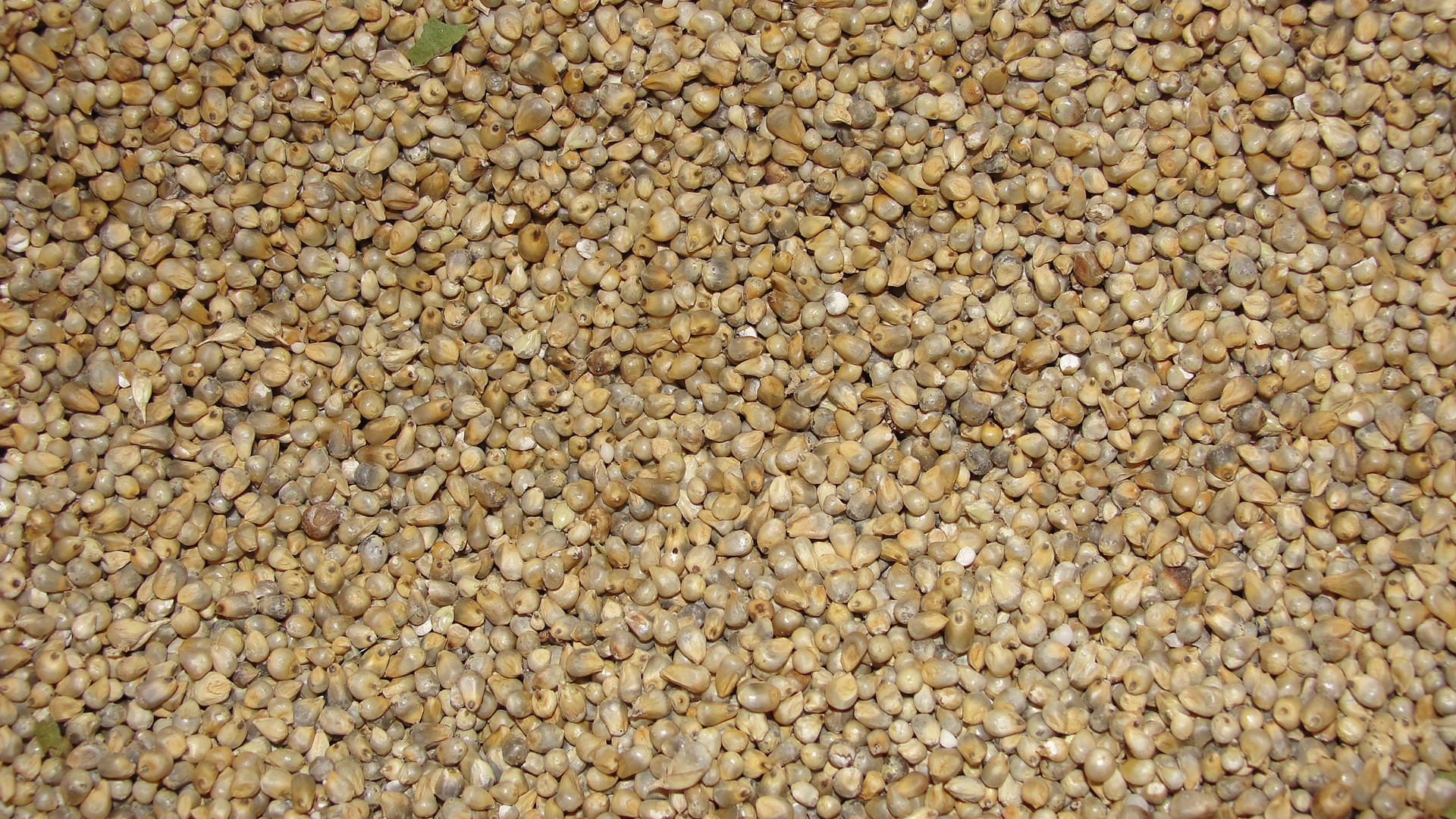
Millets, the small-seed grasses that have been the staple food in various parts of the world for centuries, are gaining widespread recognition for their exceptional nutritional value and versatility. In recent years, millets have captured the attention of health-conscious individuals and food enthusiasts who are seeking to unlock the power of these ancient grains. With their remarkable ability to adapt to diverse climatic conditions and their sustainable farming practices, millets are not only transforming our diets but revolutionizing our lifestyles for good.
As we delve into the health benefits of millets, it is impossible to overlook their incredible nutritional profile. Packed with essential nutrients like vitamins, minerals, fiber, and antioxidants, millets offer a host of advantages for our overall well-being. From promoting digestive health to regulating blood sugar levels, these tiny grains have been linked to a reduced risk of chronic diseases such as diabetes, heart disease, and even certain types of cancer. Embracing millets in our daily diet can be a transformative experience, boosting our energy levels, enhancing our immune system, and supporting weight management goals.
Beyond their nutritional value, millets possess a remarkable ability to adapt to different environmental conditions, making them more resilient to climate change. While other crops may struggle in challenging weather, millets thrive in adverse conditions, including drought and poor soil fertility. Their exceptional water-use efficiency and minimal input requirements make them a sustainable choice for farmers and an eco-friendly option for consumers. By incorporating millets into our diet, we become part of a larger movement towards sustainable agriculture and responsible consumption, contributing to a healthier planet and a brighter future for all.
The versatility of millets is another fascinating aspect that sets them apart from other grains. From gluten-free flours and porridges to savory pilafs and delicious desserts, millets lend themselves to a multitude of culinary creations. They can be seamlessly integrated into traditional recipes or used as a creative substitute in modern dishes. Whether you are a seasoned chef or a kitchen novice, exploring the vast repertoire of millet-based recipes will undoubtedly inspire you to experiment and transform your culinary skills.
In addition to their culinary appeal, millets also offer economic empowerment opportunities for farmers and rural communities. As the demand for these ancient grains continues to rise, there are increased possibilities for small-scale farmers to diversify their crops and increase their income. By supporting the production and consumption of millets, we can contribute to the livelihood of countless farmers, empowering them to build sustainable futures and preserving traditional farming practices. Furthermore, by choosing to consume millets, we promote local and ethical food systems, fostering a sense of community and strengthening the social fabric.
While unlocking the power of millets promises numerous benefits for our health, the environment, and society, incorporating them into our lifestyle may require some adjustments. Adapting our eating habits and exploring new cooking techniques can seem daunting at first, but the rewards are well worth the effort. By embarking on this millet journey, we have an opportunity to rediscover forgotten traditions, celebrate cultural diversity, and nourish both our bodies and our planet.
In this series of articles, we will delve into the numerous ways in which millets can transform our lifestyle for the better. From practical tips on incorporating millets into our everyday meals to exploring innovative millet-based products, we will unravel the secrets of these exceptional grains and provide you with the inspiration needed to embark on your own millet adventure. Join us as we unlock the power of millets and embrace a healthier, more sustainable way of life.
The Rise of Millets as a Superfood
Millets, once considered the staple food in many ancient civilizations, are making a powerful comeback in the modern world due to their numerous health benefits. These small-grained, gluten-free grains are packed with essential nutrients such as fiber, protein, vitamins, and minerals. Millets have gained recognition as a superfood for their potential to improve digestion, control blood sugar levels, boost metabolism, and promote weight loss. Incorporating millets into your diet can be a transformative step towards achieving a healthier lifestyle.
Millets, such as foxtail millet, finger millet, pearl millet, and sorghum, are highly versatile and can be utilized in various forms. They can be consumed as whole grains, used as flour to make bread, added to salads, soups, or stir-fried dishes, and even used in baking. The wide range of millet products available in the market today makes it convenient to adopt these nutritious grains into your daily meals.
Millets for Sustainable Agriculture
The popularity of millets extends beyond their health benefits. Millets are naturally resilient crops that require fewer inputs such as water, fertilizers, and pesticides compared to other major grains like rice and wheat. They are well-adapted to diverse climatic conditions and can thrive in arid and semi-arid regions where water scarcity is a concern. By including millets in our diet, we can contribute to sustainable agricultural practices, conserve water resources, and reduce greenhouse gas emissions.
Additionally, millet-based farming systems support biodiversity and enhance soil health. These crops act as trap crops, attracting pests away from other valuable plants, reducing the reliance on synthetic chemicals. The cultivation of millets promotes agroecology by incorporating crop rotation, enhancing soil fertility, and promoting organic farming methods.
Millets and their Impact on Gut Health
One of the key benefits of millets is their positive impact on gut health. Millets are rich in dietary fiber, which aids in digestion, prevents constipation, and promotes regular bowel movements. These grains act as prebiotics, nourishing the beneficial gut bacteria, thereby improving overall gut health. Consumption of millets has been linked to a reduced risk of digestive disorders, such as irritable bowel syndrome (IBS) and colon cancer.
The high fiber content in millets also helps in maintaining optimal cholesterol levels, reducing the risk of cardiovascular diseases. Additionally, millets have a low glycemic index, meaning they release sugar into the bloodstream at a slower pace, making them an excellent choice for individuals with diabetes or those looking to manage their blood sugar levels effectively.
Millets for Energy and Weight Management
For individuals looking to maintain or lose weight, millets offer the perfect solution. These grains are a rich source of complex carbohydrates that provide long-lasting energy without causing a sudden spike in blood sugar levels. Millets also contain a good amount of protein, which helps in promoting satiety and curbing cravings. Including millets in your diet can keep you feeling fuller for longer, reducing the likelihood of overeating or snacking on unhealthy foods.
In addition to their weight management benefits, the energy provided by millets can enhance physical performance and stamina. Athletes and fitness enthusiasts can benefit from the sustained energy release offered by millets, helping them optimize their workouts and improve endurance levels for better sports performance.
Millets as Gluten-Free Alternatives
Millets are naturally gluten-free, making them an ideal choice for individuals with celiac disease or gluten sensitivities. These grains serve as nutritious gluten-free alternatives to wheat, barley, and rye. The use of millet flour in baking gluten-free products like bread, muffins, and pancakes can ensure a wholesome and safe dietary option for those with gluten-related dietary restrictions.
Furthermore, incorporating millets into a gluten-free diet can help meet the nutritional needs that are often compromised when avoiding gluten. Millets offer a range of essential nutrients, including magnesium, iron, and B-complex vitamins, which are commonly found in gluten-containing grains.
The Environmental Impact of Millet Production
In comparison to conventional grain production, millet cultivation requires less water, pesticides, and synthetic fertilizers. This leads to significantly lower water usage, reduced chemical pollution, and a smaller carbon footprint. Moreover, millets are known for their water-use efficiency, making them an ideal crop for regions facing water scarcity or drought conditions.
The cultivation of millets helps in preserving biodiversity by providing habitat for insects, birds, and other wildlife. Growing millets promotes biodiversity and ecological balance, contributing to a sustainable and resilient agricultural system. Choosing millets as a dietary staple can contribute to a greener planet by supporting practices that prioritize environmental conservation and minimize the impact of agriculture on ecosystems.
Embracing Millets: Tips for Incorporating them into Your Daily Life
Introducing millets into your diet is easy and can be done in various ways. Start by replacing a portion of rice or wheat with millets in your meals. You can cook millets as you would cook rice, or experiment by adding them to soups, stews, and salads for an added nutritional boost.
Try exploring a range of millet products available in the market, such as millet flour for baking, puffed millets as a snack, or millet-based cereals and snack bars. These options allow for creative and enjoyable ways to incorporate millets into your daily routine.
Summary
Millets, small-seed grasses that have been consumed for centuries, are gaining recognition for their nutritional value and versatility. Packed with essential nutrients, they offer advantages such as promoting digestive health and regulating blood sugar levels, reducing the risk of chronic diseases. Millets also thrive in diverse climatic conditions, making them more resilient to climate change and a sustainable choice for farmers and consumers. Their versatility in cooking allows for a wide range of culinary creations. Additionally, the demand for millets offers economic empowerment opportunities for farmers and rural communities. Incorporating millets into our lifestyle requires adjustments but promises numerous benefits for health, the environment, and society.
FAQ
What are millets and why should I consider incorporating them into my diet?
Millets are a group of small-seeded grasses that have been cultivated for thousands of years. They are highly nutritious and offer a wide range of health benefits. Millets are naturally gluten-free, rich in essential vitamins and minerals, and are a great source of plant-based protein and dietary fiber. They also have a low glycemic index, meaning they cause a slower rise in blood sugar levels compared to refined grains. Incorporating millets into your diet can help improve digestion, boost immune health, regulate blood sugar levels, and promote weight management. They are a versatile ingredient that can be used in various recipes, including soups, salads, porridge, and even desserts.
How can millets benefit the environment and promote sustainable agriculture practices?
Millets are considered climate-smart crops as they require less water and can thrive in poor soil conditions compared to conventional grains. This makes millet cultivation more sustainable and less resource-intensive. Additionally, millets are resilient to climate change, making them an excellent alternative to support food security in regions prone to droughts or erratic rainfall. By choosing to consume millets, you are contributing to the preservation of biodiversity and the reduction of greenhouse gas emissions associated with conventional agriculture. Supporting millet farmers also promotes sustainable farming practices and helps preserve traditional knowledge and cultural heritage related to millet cultivation.
Are there any potential challenges in incorporating millets into my daily meals?
While millets have numerous health benefits, there might be a few considerations when incorporating them into your diet. Millet grains have a unique flavor and texture that some individuals might find unfamiliar. It may take some experimentation to find the millet varieties and recipes that you enjoy the most. Additionally, millets contain certain compounds called phytates, which can inhibit the absorption of iron and other minerals. To enhance their nutrient availability, it is recommended to soak, ferment, or sprout millets before consumption. However, these small hurdles can easily be overcome by gradually introducing millets into your meals and exploring various cooking methods and flavor combinations to suit your taste preferences.
Can millets be suitable for individuals with specific dietary restrictions?
Millets are a fantastic option for individuals with dietary restrictions. As mentioned, they are naturally gluten-free, making them suitable for those with celiac disease or gluten intolerance. Millets can also be an excellent alternative for individuals following a vegetarian or vegan lifestyle as they provide a good amount of plant-based protein. They are also suitable for individuals with diabetes or who are trying to manage their blood sugar levels as millets have a lower glycemic index compared to refined grains. However, it is essential to consult with a healthcare professional or registered dietitian to determine the best way to incorporate millets into your specific dietary plan and ensure it meets your nutritional needs.