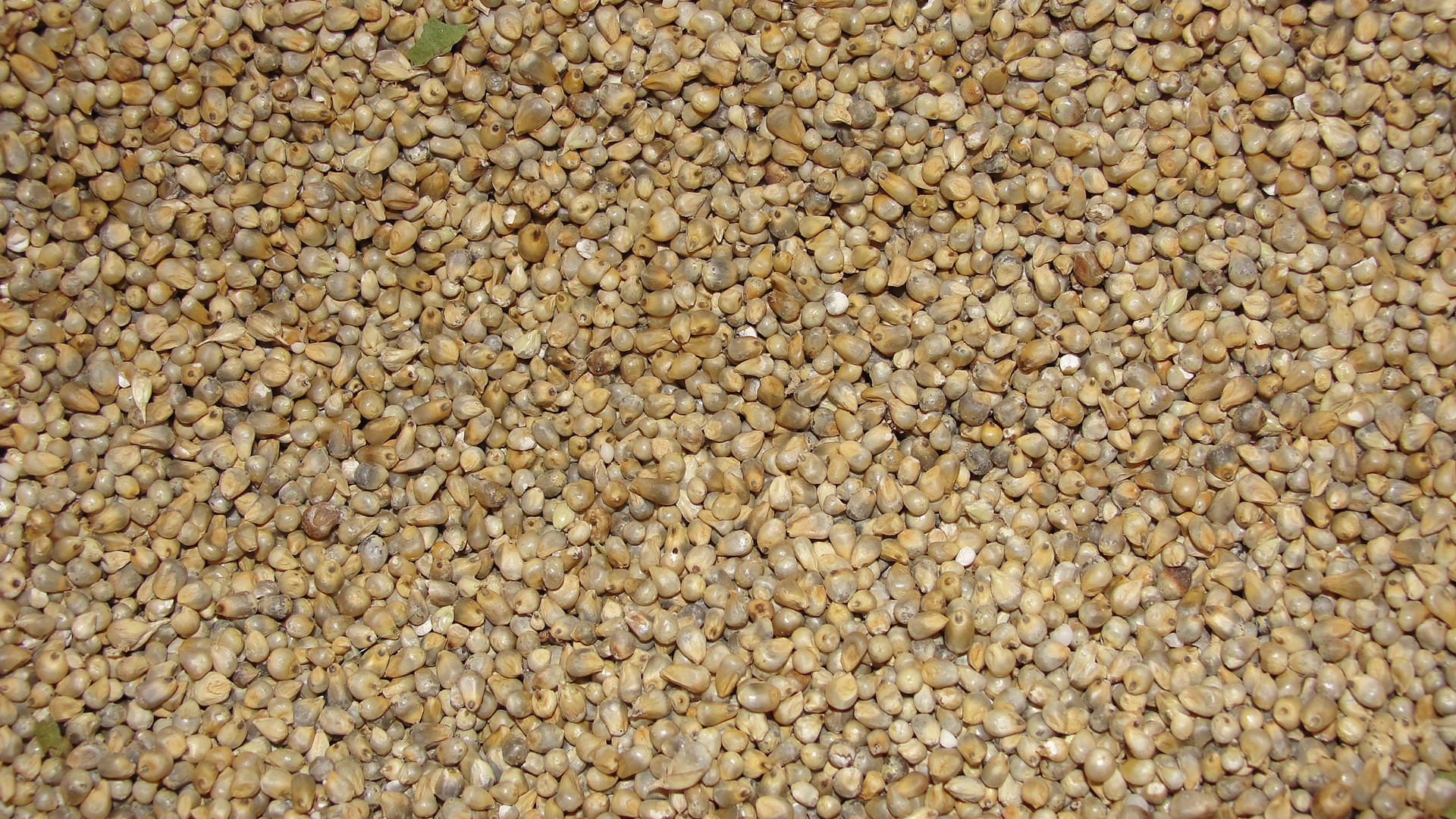
Millets, the ancient grains often overlooked, have been making a remarkable comeback in recent years. These tiny seeds, packed with tremendous nutritional value and countless health benefits, are regaining their rightful place on our tables. Unlocking the marvels of millets opens up a world of natural and sustainable nourishment that can enhance our lifestyles holistically. From improving gut health to aiding weight management, millets offer a range of advantages for those seeking a healthier and more balanced life. In this article, we delve into the wonders of millets and explore how incorporating them into our diets can be a game-changer for our overall well-being.
In a world dominated by refined and processed foods, millets come as a refreshing alternative. With their impressive nutritional profile, including high fiber, protein, and mineral content, these tiny grains provide a powerhouse of essential nutrients. Millets are gluten-free, making them a perfect choice for individuals with gluten sensitivity or celiac disease. Moreover, millets are easily digestible, leading to increased bioavailability of nutrients and improved gut health. By incorporating millets into our daily meals, we can take a vital step towards nourishing our bodies naturally and living a more vibrant life.
One of the standout features of millets is their impressive ability to aid in weight management. With their high fiber content, millets provide a sense of fullness and satisfaction, helping control overeating and curb those relentless snack cravings. Moreover, the complex carbohydrates found in millets are digested slowly, resulting in a sustained release of energy and preventing blood sugar spikes. By embracing millets as part of our weight management journey, we can achieve a balanced and sustainable approach to a healthier lifestyle.
Not only are millets exceptional for our physical health, but they also contribute significantly to the environmental sustainability we strive to achieve. Unlike many crops, millets are hardy and resilient, requiring fewer resources such as water and pesticides to grow. This makes millets a more sustainable choice, reducing the carbon footprint associated with food production. Supporting millet cultivation and consumption promotes environmentally friendly practices and helps conserve precious resources for future generations.
To fully unlock the marvels of millets, it’s important to explore their versatility in the kitchen. From traditional Indian dishes like idlis and dosas to imaginative culinary creations like millet salads and millet-based bread, the possibilities are endless. Moreover, millets can be easily substituted for other grains in many recipes, adding a unique and wholesome touch to our creations. By experimenting with millet-based dishes, we not only enhance our flavor palate but also open doors to a healthier lifestyle naturally.
Incorporating millets into our diets doesn’t have to be a daunting task. There are numerous creative and delicious ways to introduce these ancient grains into our meals. Whether it’s starting the day with a warm millet porridge, enjoying a millet-based lunch with colorful vegetables, or indulging in a millet-based dessert, the options are abundant. With the availability of millet products in various forms, including flour, flakes, and whole grains, it’s easier than ever to embrace the marvels of millets and upgrade our lifestyle naturally.
In conclusion, millets offer a wealth of benefits that go beyond mere sustenance. By unlocking the marvels of millets, we can tap into a world of nourishment that enhances our lifestyle naturally. From their impressive nutritional profile to their contribution to weight management and environmental sustainability, these ancient grains are a treasure trove of goodness. Through culinary exploration and creative experimentation, we can embrace millets in our daily meals and experience the holistic advantages they bring. So, why not embark on this journey and incorporate millets into your life, one delicious bite at a time?
I. Introduction
Millets, a group of small-seeded grasses, have been an integral part of human diets and agricultural practices for centuries. Packed with essential nutrients, these versatile grains are making a comeback in modern healthy eating. With numerous health and environmental benefits, millets provide a sustainable and nutritious alternative to traditional grains. This article explores the marvels of millets and highlights how they can enhance our lifestyles naturally.
II. A Nutritional Powerhouse
Millets are a rich source of essential nutrients, including fiber, protein, vitamins, and minerals. These grains are known for their high antioxidant content, which helps combat oxidative stress and reduce the risk of chronic diseases. Additionally, millets are gluten-free, making them suitable for individuals with gluten sensitivities or those following a gluten-free diet. Their low glycemic index also helps regulate blood sugar levels, making them an excellent choice for individuals with diabetes.
III. Improving Digestive Health
The fiber content in millets promotes a healthy digestive system by preventing constipation, reducing bloating, and improving overall gut health. Millets act as prebiotics, nourishing the beneficial bacteria in our gut and supporting a balanced gut microbiota. Incorporating millets into your diet can help alleviate digestive issues and maintain a healthy bowel movement.
IV. Managing Weight and Diabetes
Due to their high fiber and protein content, millets provide a long-lasting feeling of satiety, making them an excellent choice for weight management. Moreover, the low glycemic index of millets helps control blood sugar levels, making them suitable for individuals with diabetes. Millets also contain resistant starch, which slows down the conversion of starch into glucose, preventing rapid blood sugar spikes after meals.
V. Boosting Heart Health
Regular consumption of millets has been associated with a reduced risk of cardiovascular diseases. These grains are rich in magnesium, which helps relax blood vessels, reducing blood pressure levels. Millets also contain compounds that can lower cholesterol levels and decrease the risk of developing heart diseases. Including millets as part of a heart-healthy diet can contribute significantly to overall cardiovascular well-being.
VI. Supporting Sustainable Farming
Millets are not only beneficial to our health but also to the environment. These resilient crops require minimal water and fertilizers compared to other grains, making them environmentally sustainable. Additionally, millets help preserve soil fertility and prevent soil erosion. By promoting the cultivation and consumption of millets, we can contribute to a more sustainable and climate-friendly agricultural system.
VII. Culinary Versatility
Millets offer a wide range of culinary possibilities. From delicious fluffy millet pilaf to hearty millet bread, these grains can be incorporated into various dishes. Millet flour serves as a nutritious gluten-free alternative for baking, while whole millets can be used in salads, soups, and stews. Exploring millet-based recipes can add diversity and nutritional value to your everyday meals.
VIII. Conclusion
Millets have astonishing health benefits and contribute to sustainable agricultural practices. By unlocking the marvels of millets and including them in our diets, we can improve our overall well-being naturally while showing our commitment to the environment. Embrace the power of millets and embark on a journey towards a healthier lifestyle today!
Summary
Millets, ancient grains that have been overlooked, are making a comeback. These tiny seeds are packed with nutritional value and health benefits. They can improve gut health, aid in weight management, and offer a range of advantages for a healthier life. Millets are a refreshing alternative to refined and processed foods, as they provide essential nutrients and are gluten-free and easily digestible. They can also contribute to environmental sustainability by requiring fewer resources to grow. Millets are versatile in the kitchen and can be substituted for other grains in recipes. Incorporating millets into meals can enhance flavor and upgrade lifestyle naturally.
FAQ
What are millets and why are they considered marvels for enhancing one’s lifestyle naturally?
Millets are small-seeded grains that belong to the Poaceae family and are widely grown in semi-arid regions of Asia and Africa. These grains have gained recognition as nutritional powerhouses due to their numerous health benefits. They are rich in fiber, protein, vitamins, and minerals, making them an excellent addition to a balanced diet. Millets offer several advantages for enhancing one’s lifestyle naturally. They have a low glycemic index, which helps regulate blood sugar levels and prevent diabetes. Furthermore, their high fiber content aids in digestion and promotes gut health. Millets are also gluten-free alternatives, making them suitable for individuals with gluten intolerance or celiac disease.
How can millets contribute to weight management and overall health?
Millets are an excellent choice for weight management and overall health due to their unique composition. These grains are low in calories and fat while being rich in essential nutrients, making them an ideal addition to a balanced diet. The fiber content in millets helps you feel fuller for longer, reducing the likelihood of overeating and aiding in weight management. Moreover, millets have been linked to a reduced risk of various chronic diseases, such as cardiovascular diseases, high blood pressure, and certain types of cancer. Additionally, millets are rich in antioxidants, which can neutralize harmful free radicals in the body and contribute to overall well-being.
Are millets suitable for individuals with dietary restrictions or specific health conditions?
Yes, millets are highly adaptable and can be consumed by individuals with specific dietary restrictions or health conditions. They are naturally gluten-free, making them an excellent choice for people with celiac disease or gluten intolerance. Additionally, millets have a low allergenic potential compared to other grains, reducing the risk of allergic reactions. Millets are also beneficial for individuals with diabetes, as their low glycemic index helps regulate blood sugar levels. Furthermore, millets are a suitable option for those following a vegetarian or vegan lifestyle due to their high protein content.
How can millets be incorporated into daily diets and meal planning?
Millets offer a versatile range of options for incorporating them into daily diets and meal planning. They can be cooked and enjoyed as a main dish, side dish, or even in the form of snacks. Millets can be used to prepare various dishes, such as upma, pulao, khichdi, porridge, and even as a rice alternative. Millet flour can be utilized to make bread, pancakes, and other baked goods. Adding millets to salads, soups, and stews provides a nutritious boost to these dishes. Experimenting with different millet varieties, such as pearl millet, sorghum, or finger millet, can introduce diversity and help discover new flavors. It is recommended to include millets as part of a balanced diet, combining them with an assortment of vegetables, fruits, protein sources, and healthy fats.