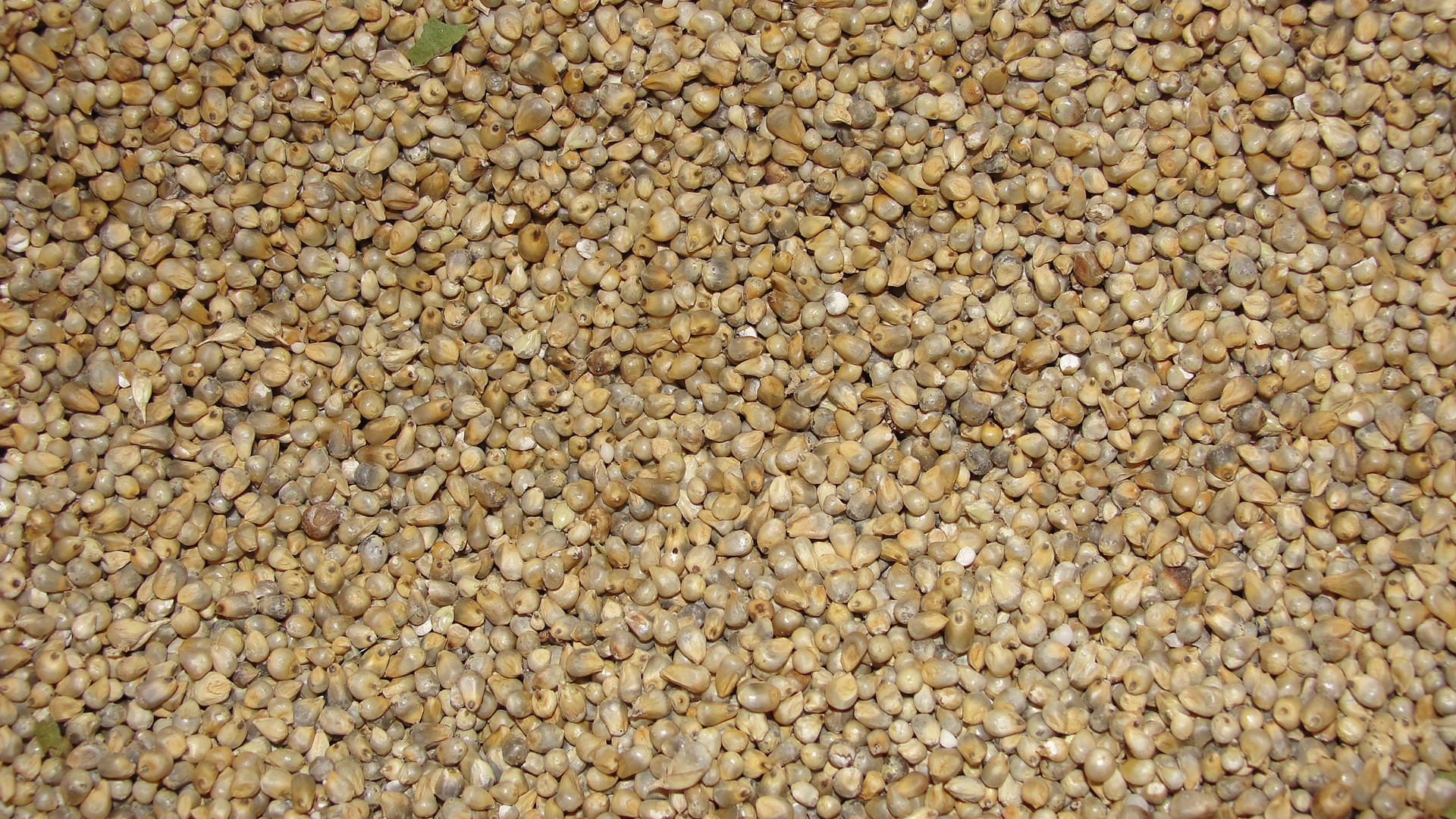
Whether you are looking to make healthier choices or simply want to diversify your daily diet, millet is an excellent ingredient to consider adding to your repertoire. Millet, a small-seeded grain, is not only incredibly nutritious but also versatile and easy to cook. Its mild flavor and fluffy texture make it a great substitute for rice or quinoa in a variety of dishes. In this article, we will introduce you to three easy millet recipes that will revolutionize your daily meals. From a comforting millet porridge to a flavorful millet salad, these recipes will not only tantalize your taste buds but also provide you with a wide range of health benefits.
To start off, we have a simple yet filling millet porridge that can be enjoyed as a nourishing breakfast or a satisfying snack. With its creamy consistency and subtle sweetness, this porridge is a delightful way to kick-start your day. The recipe calls for cooking millet in almond milk, which adds a nutty flavor and enhances its velvety texture. Top it off with your favorite fruits, nuts, and a drizzle of honey for added natural sweetness. This millet porridge is not only a great source of energy and fiber but also helps regulate blood sugar levels, making it an ideal addition to your daily diet.
Next up is a refreshing millet salad that makes for a perfect light lunch or dinner option. Packed with colorful vegetables, aromatic herbs, and a zesty dressing, this salad is a burst of flavors and textures. Cook the millet until tender and then combine it with a medley of bell peppers, cherry tomatoes, cucumber, and olives. Toss it all together with a tangy lemon vinaigrette and garnish it with fresh herbs like mint or parsley for a fresh and vibrant finish. This millet salad is a fantastic way to incorporate more vegetables into your diet while enjoying a delicious, well-balanced meal.
If you’re in the mood for something heartier, our third recipe is a scrumptious millet and vegetable stir-fry. This dish is perfect for those days when you want a quick and nutritious meal without compromising on taste. Begin by sautéing a variety of colorful vegetables such as bell peppers, broccoli, and carrots. Then, add cooked millet to the pan and stir-fry until it is perfectly coated in the flavors of the vegetables and aromatic spices. This millet stir-fry is not only incredibly satisfying but also packed with essential vitamins, minerals, and dietary fiber that will keep you feeling full and energized throughout the day.
Incorporating millet into your daily diet doesn’t have to be a daunting task. With these three easy recipes, you can effortlessly revolutionize your meals and explore the incredible versatility of this humble grain. From the comforting millet porridge to the refreshing millet salad and the hearty millet stir-fry, these recipes offer a range of flavors and textures that are sure to please even the pickiest eaters. So why wait? Dive into the world of millet and discover a delightful and nutritious addition to your daily diet.
1. Millet Salad
Millet, a small grain packed with nutritional benefits, can be an excellent addition to your daily diet. One delicious way to incorporate millet into your meals is by preparing a refreshing millet salad. To make this simple recipe, cook millet according to package instructions and let it cool. Then, combine the cooked millet with your choice of chopped fresh vegetables, such as cucumbers, tomatoes, and bell peppers, for a burst of colors and flavors. Add some chopped herbs, such as parsley or cilantro, for a vibrant taste. Finally, dress the salad with a light vinaigrette or a squeeze of lemon juice, and toss gently until everything is well combined. This millet salad is not only delicious but also a fantastic source of fiber, vitamins, and minerals to nourish your body.
2. Millet Porridge
If you’re looking for a healthy and hearty breakfast option, millet porridge is a perfect choice. Start by rinsing the millet to remove any impurities, then combine it with water or milk in a saucepan. Bring it to a boil, then reduce the heat to low, cover, and let it simmer for about 20 minutes or until the millet is tender and has absorbed most of the liquid. You can enhance the flavor by adding cinnamon, vanilla extract, or a sweetener of your choice. Serve the warm porridge in a bowl and top it with fruits, nuts, or seeds for added texture and nutritional value. Millet porridge is a nourishing and comforting meal that will keep you satisfied throughout the morning.
3. Millet Stir-Fry
For a quick and nutritious dinner option, try a millet stir-fry. Begin by cooking millet as directed and let it cool. In a large skillet or wok, heat some oil over medium-high heat and sauté your preferred vegetables, such as carrots, broccoli, and bell peppers, until they are tender-crisp. Toss in the cooked millet and season with soy sauce or your favorite stir-fry sauce. Stir everything together until well-coated and heated through. Feel free to add protein sources like tofu, chicken, or shrimp to make it a complete meal. This millet stir-fry is an excellent way to incorporate whole grains and veggies into your diet, ensuring a balanced and satisfying dinner.
Summary
Millet is a nutritious and versatile grain that can be easily incorporated into your daily diet. This article introduces three easy millet recipes that will enhance your meals and provide health benefits. The first recipe is a creamy millet porridge cooked in almond milk, topped with fruits, nuts, and honey. It is a great source of energy, fiber, and helps regulate blood sugar levels. The second recipe is a refreshing millet salad with colorful vegetables, herbs, and a tangy lemon vinaigrette. It is a light and well-balanced meal. The third recipe is a hearty millet and vegetable stir-fry, packed with essential nutrients and dietary fiber. These recipes make millet an enjoyable and nutritious addition to your daily diet.
FAQ
What is millet and why should I incorporate it into my diet?
Millet is a gluten-free grain that is highly nutritious and offers numerous health benefits. It is rich in fiber, vitamins, minerals, and antioxidants, making it an excellent addition to a balanced diet. Millet helps in regulating blood sugar levels, promoting digestive health, and supporting weight management. It also contains essential amino acids and provides a good source of plant-based protein. By incorporating millet into your daily diet, you can enjoy its unique nutty flavor while nourishing your body with its health-promoting properties.
Millet is incredibly versatile and can be used in various dishes like breakfast porridges, salads, or even as a substitute for rice or couscous. Its mild flavor adapts well to different ingredients and seasonings, making it easy to incorporate into your favorite recipes. By adding millet to your diet, you can diversify your sources of whole grains and reap the nutritional benefits of this ancient grain.
What are some easy millet recipes that beginners can try?
If you’re new to cooking with millet, there are several simple recipes you can try to experience its versatility. One easy option is to replace rice with cooked millet in your favorite stir-fries or pilaf dishes. Millet grains have a fluffy texture that works well with different flavors and provides a nutritious base for your meals. Another beginner-friendly recipe is a millet salad. Cooked millet can be mixed with chopped vegetables, herbs, and a tasty dressing for a refreshing and wholesome salad. This can be a great option for light lunches or as a side dish.
For a hearty breakfast, you can prepare millet porridge by boiling millet grains with your choice of milk or water. Add your favorite nuts, seeds, fruits, or sweeteners to enhance the flavor according to your preference. This warm and comforting dish provides a great start to your day. As you gain confidence in cooking with millet, you can venture into more complex recipes like millet-based veggie burgers, casseroles, or even desserts. The possibilities are endless, and millet can easily become a staple in your culinary repertoire.
Where can I find millet and how do I cook it?
Millet is widely available in most grocery stores, health food stores, and online retailers. Look for it in the grain or bulk sections of the store, where you can find different varieties like pearl millet, foxtail millet, or finger millet. Some supermarkets may also carry millet flour, which can be used for baking purposes. When purchasing millet, ensure that the package is tightly sealed to maintain freshness.
To cook millet, start by rinsing it under cold water to remove any debris. Next, combine one part millet with two parts water or broth in a saucepan and bring it to a boil. Once boiling, reduce the heat, cover, and simmer for about 15-20 minutes or until the liquid is absorbed. Allow it to rest for a few minutes before fluffing it with a fork. The cooked millet should have a light, fluffy texture. Adjust the cooking time and liquid ratio depending on the specific type of millet you are using, as cooking times may vary. Experiment with different cooking methods and ratios to find your preferred texture and level of tenderness.
Can millet be included in a gluten-free or vegetarian/vegan diet?
Yes, millet is an excellent choice for those following a gluten-free or vegetarian/vegan diet. Being naturally gluten-free, millet is an ideal grain alternative for individuals with celiac disease, gluten intolerance, or those who choose to avoid gluten for other health reasons. It can be used in place of wheat, barley, or rye in various recipes, allowing individuals with gluten restrictions to still enjoy a variety of delicious dishes.
Millet is also highly suitable for vegetarian and vegan diets due to its plant-based protein content. It provides essential amino acids, making it a valuable protein source for those who do not consume animal products. By incorporating millet into your vegetarian or vegan dishes, you can enhance the nutrition and texture of your meals while diversifying your dietary options. As with any other dietary change, it’s important to ensure a well-balanced and varied diet, incorporating other nutrient-rich foods alongside millet to meet all your nutritional needs.