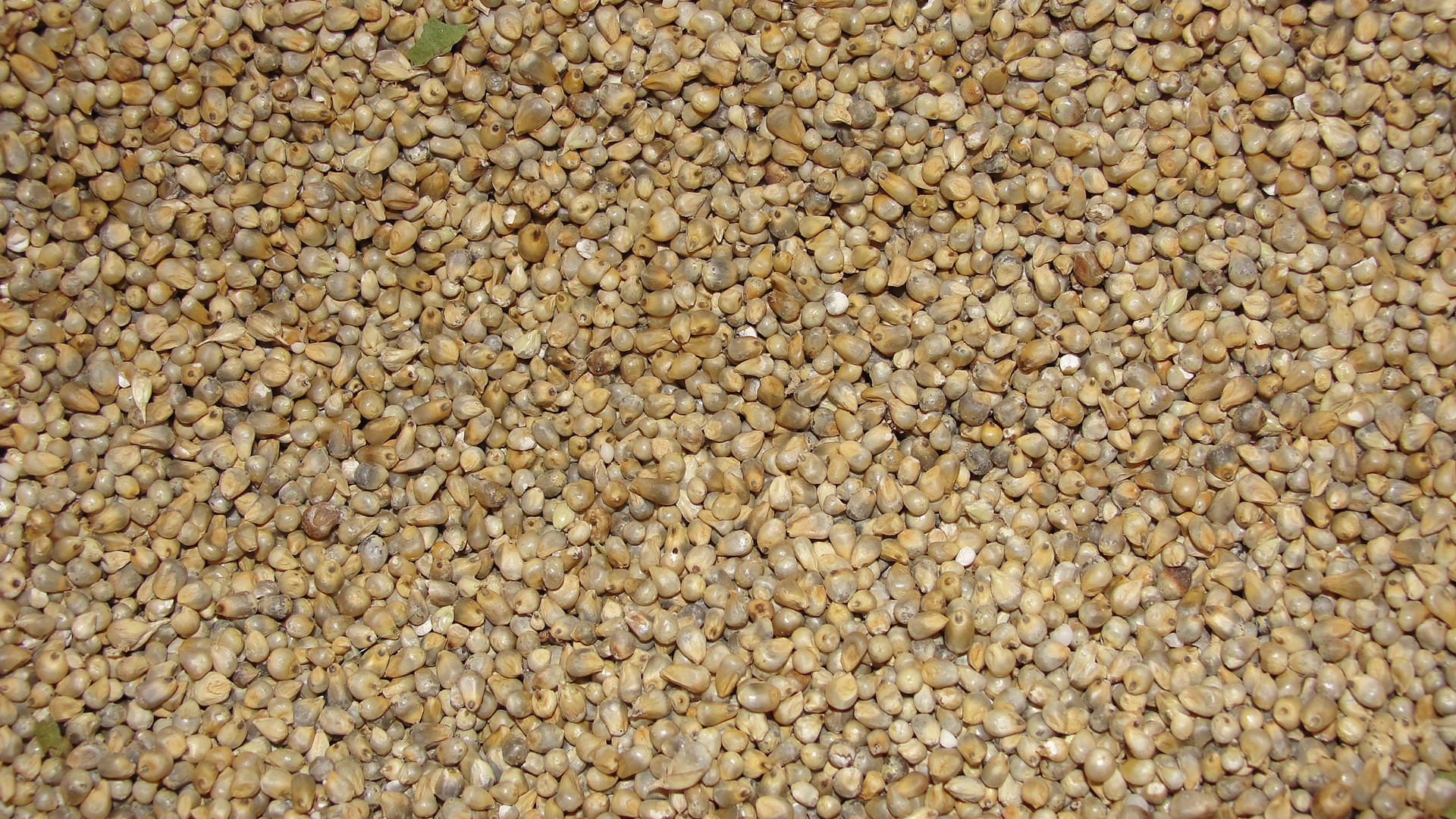
In a world where health and well-being have become paramount concerns, people are constantly on the lookout for new dietary options that can positively transform their lives. One such food group that has gained tremendous popularity in recent years is millets. These ancient grains have been a staple in diets across various cultures for centuries, and their recent resurgence in the modern world is indeed a testament to their incredible health benefits. From promoting weight loss to reducing the risk of chronic diseases, incorporating millets into your life can be a game-changer for your overall health.
What exactly are millets, you may wonder? Millets are a group of small-seeded grasses grown in many parts of the world, including Asia, Africa, and even the United States. These versatile grains come in several different varieties, such as foxtail millet, finger millet, and pearl millet, to name just a few. Each type has its unique flavor and nutritional profile, but all millets share common traits that make them an excellent addition to any diet. Millets are loaded with essential nutrients like fiber, vitamins, and minerals, making them a powerhouse food that can nourish your body from within.
One of the key reasons behind the rising popularity of millets is their unbelievable potential for weight management. These grains are low in calories and have a high satiety value, meaning they keep you feeling fuller for longer. By incorporating millets into your meals, you can effectively curb your hunger pangs and reduce overeating. Moreover, millets are slow-release carbohydrates, which means they provide a steady stream of energy, balancing blood sugar levels and preventing sudden spikes and crashes throughout the day. This steady energy supply not only aids in weight management but also boosts productivity and keeps you active throughout the day.
The benefits of incorporating millets into your life extend far beyond weight management. These grains are an excellent source of dietary fiber, which plays a vital role in maintaining a healthy digestive system. The fiber in millets helps regulate bowel movements, preventing constipation and promoting overall gut health. Additionally, millets contain high levels of antioxidants, which fight against harmful free radicals in the body, reducing the risk of chronic diseases such as heart disease, diabetes, and certain types of cancer. By including millets in your diet, you can fortify your immune system and give your body the necessary tools to combat illness effectively.
In recent years, there has been a growing interest in gluten-free options due to the rise of gluten sensitivity and celiac disease. Fortunately, millets are naturally gluten-free, making them an ideal choice for individuals with gluten-related disorders or those seeking alternatives to wheat and other gluten-rich grains. Embracing millets allows you to explore a wide range of delicious and wholesome gluten-free recipes, from millet-based bread to pancakes and muffins. The versatility of these grains makes them an attractive option for anyone looking to diversify their diet without compromising their health or taste buds.
Moreover, the cultivation of millets is environmentally sustainable, making them a desirable choice for those passionate about eco-friendly practices. Compared to other cereals like rice or wheat, millets require minimal water and pesticides, making them more drought-tolerant and suitable for cultivation in arid regions. By incorporating millets into your life, you are not only actively improving your health but also contributing to a healthier and more sustainable planet.
In conclusion, the nutritional value, weight management capabilities, digestive health benefits, gluten-free nature, and environmental sustainability of millets make them a powerful addition to anyone’s diet. These ancient grains have been a part of human civilization for centuries and are experiencing a well-deserved resurgence in the modern world. By embracing millets, you can unlock incredible health benefits and embark on a journey to transform your overall well-being. So, why wait? Start incorporating millets into your life today and embrace the myriad of benefits it brings.
Introduction
Millets, once considered traditional crops, have recently gained significant recognition due to their numerous health benefits and versatility in cooking. These small-seeded grains are rich in nutrients and have been used as staple foods for centuries in various parts of the world. In this article, we will explore the rising popularity of millets and the transformative impact they can have on your health.
Ancient Origins and Cultural Significance
Millets have been cultivated for thousands of years and hold immense cultural significance in many regions. Their production requires less water and land compared to other major cereal crops, making them highly sustainable. In countries like India and parts of Africa, millets have been not only a dietary staple but also an integral part of cultural traditions and rituals.
Additionally, millets have shown remarkable resilience in adverse growing conditions, expanding their potential as a climate-resilient crop. With climate change becoming a growing concern, these hardy grains provide a sustainable solution to food security and nutrition.
Rich Nutritional Profile
Millets offer a wide range of essential nutrients that can contribute to a balanced diet and improved health. These grains are a great source of dietary fiber, which aids digestion, prevents constipation, and promotes satiety. With their low glycemic index, millets are particularly beneficial for managing blood sugar levels and preventing sudden spikes.
Furthermore, millets contain abundant vitamins and minerals such as magnesium, phosphorus, and iron. These micronutrients support various bodily functions, including bone health, energy production, and immune system maintenance. Additionally, millets are gluten-free, making them an excellent alternative for individuals with gluten sensitivities or celiac disease.
Incorporating Millets into Your Diet
Introducing millets into your diet is simple and can lead to significant improvements in your overall well-being. One popular approach is substituting refined grains with millet-based products, such as millet flour for baking, or swapping rice with millet varieties like foxtail or pearl millet. These substitutions ensure you enjoy the benefits of millets without compromising on taste or texture.
Moreover, millets can be included in a range of dishes, from salads and soups to pilafs and porridges. You can experiment with millet recipes by incorporating these grains into your favorite meals or exploring traditional cuisines that already feature millets as an essential ingredient.
Health Benefits and Disease Prevention
Research suggests that including millets in your diet can have numerous health benefits. Regular consumption of millets has been associated with a reduced risk of developing chronic conditions such as type 2 diabetes, heart disease, and certain types of cancer. The high fiber content and low glycemic index of millets contribute to improved glycemic control and lower cholesterol levels, reducing the likelihood of these diseases.
Additionally, the antioxidants present in millets help combat oxidative stress and prevent cell damage, thereby reducing the risk of age-related macular degeneration and other degenerative diseases. Furthermore, millets have been linked to weight management and overall digestive health, making them an ideal addition to a healthy and balanced diet.
Sustainable Crop for a Sustainable Future
One significant reason behind the rise of millets is their potential to address the environmental challenges posed by agriculture. The cultivation of millets requires fewer pesticides and fertilizers, contributing to a reduced carbon footprint. Additionally, their ability to withstand harsh weather conditions and adapt to different agro-climatic zones offers resilience to farmers facing the uncertainties of climate change.
Millets also aid soil health by enhancing soil fertility and preventing soil erosion, making them an ally for sustainable farming practices. Their shorter growing cycles allow for more efficient water usage and the conservation of this precious resource, particularly in water-scarce regions.
Conclusion
The resurgence of millets in recent years is a testament to their incredible potential to transform our health and food sustainability. By incorporating millets into our diets, we can enjoy a range of health benefits while simultaneously contributing to a more sustainable agricultural system. So why not explore the world of millets and embark on a journey towards improved well-being and a greener future?
Summary
Millets, ancient grains that have been consumed for centuries, have gained popularity in recent years due to their incredible health benefits. These small-seeded grasses are grown in various parts of the world and come in different varieties. Millets are low in calories and high in fiber, making them excellent for weight management and maintaining a healthy digestive system. They are also rich in antioxidants, reducing the risk of chronic diseases. Millets are gluten-free, making them suitable for those with gluten-related disorders. Additionally, their cultivation is environmentally sustainable. Overall, incorporating millets into your diet can positively transform your health and well-being.
FAQ
What are millets and why are they gaining popularity as a healthy food?
Millets are a group of highly nutritious grains that have been cultivated for thousands of years. They are gluten-free, rich in fiber and essential nutrients such as magnesium, phosphorus, and iron. Millets offer numerous health benefits, including improved digestion, regulated blood sugar levels, and reduced risk of chronic diseases like heart disease and type 2 diabetes. Additionally, millets have a low glycemic index and contain antioxidants, making them an excellent choice for weight management and boosting overall health.
How can incorporating millets into my diet positively impact my health?
Incorporating millets into your diet can have several transformative effects on your health. Firstly, the high fiber content in millets aids in digestion and helps prevent constipation. Secondly, their low glycemic index promotes balanced blood sugar levels, making them suitable for individuals with diabetes or those looking to manage their weight. Moreover, millets are a good source of plant-based protein, making them an ideal food choice for vegetarians and vegans. The diverse nutrient profile of millets also supports heart health, reduces the risk of certain cancers, and improves overall gut health.
How can I include millets in my daily meals or recipes?
Millets can be versatilely used in various recipes to elevate their nutritional content. They can be cooked and substituted for rice or used in different flour forms to make delicious and healthy rotis, bread, or pancakes. Many people also enjoy using millets in salads, soups, or as a base for stir-fries. Millet flour can be used for baking bread, cookies, and muffins. Additionally, millet flakes can be used as a substitute for oats in porridge or granola recipes. With a little creativity and experimentation, you can incorporate millets into your daily meals easily.
Where can I find millets and how should I store them?
Millets are becoming increasingly popular, and nowadays, you can find them in most grocery stores, health food stores, or online retailers. They are available in various forms such as whole grains, flakes, flour, or as part of pre-packaged foods. When it comes to storing millets, it is important to keep them in airtight containers in a cool, dark, and dry place to maintain their freshness and prolong shelf life. Stored correctly, millets can last up to a year. However, it is always advisable to check the packaging or consult the retailer for any specific storage instructions for the particular type of millets you choose.