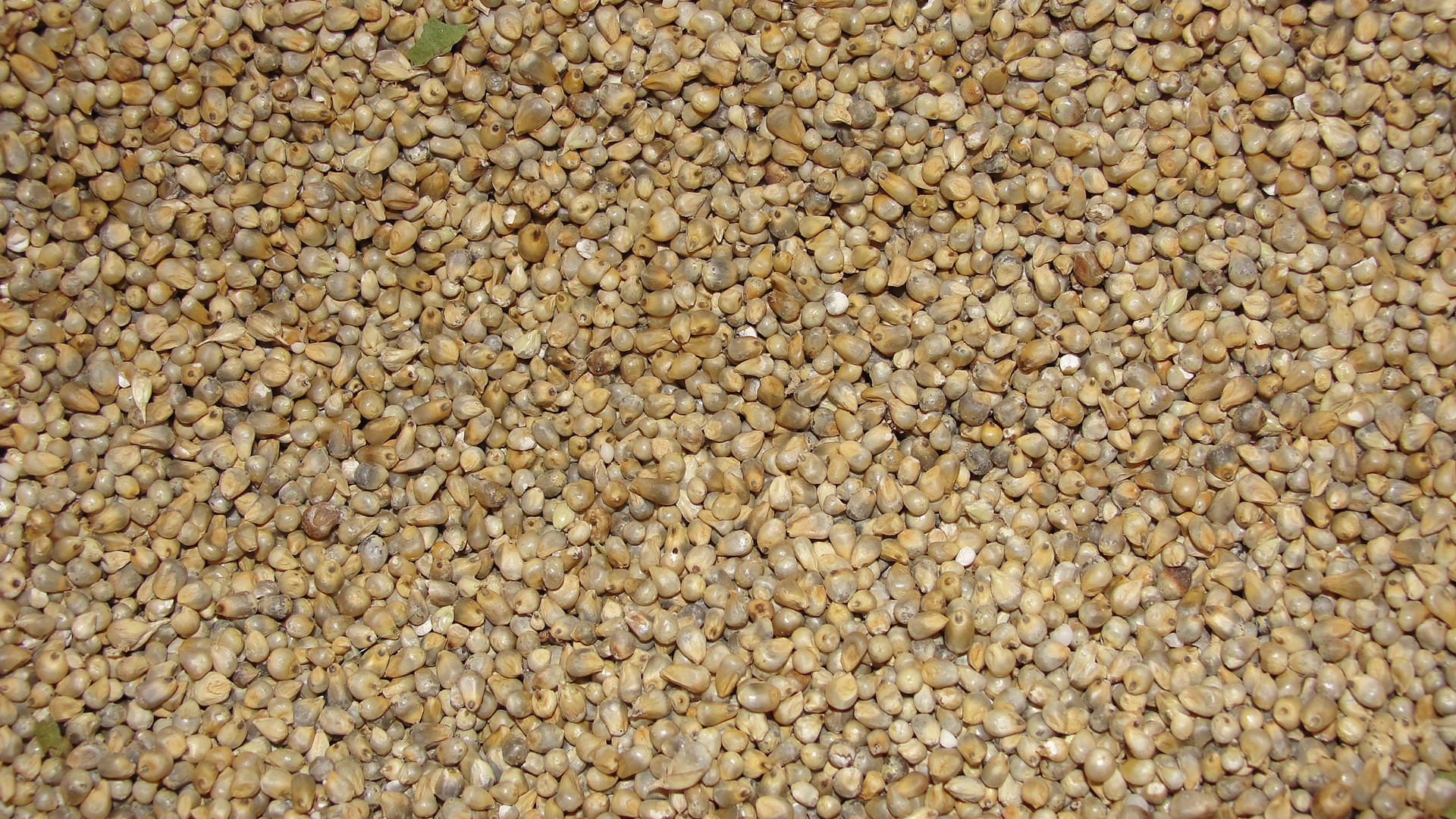

As we strive to embrace healthier lifestyles and make conscious choices about our diets, it becomes increasingly important to look beyond the traditional food staples we have relied on for centuries. In recent years, a quiet revolution has been taking place in the world of nutrition, putting ancient grains like millets in the spotlight. With their exceptional nutritional profile, versatility in cooking, and ability to thrive in challenging conditions, these forgotten crops are experiencing a well-deserved renaissance. Join us as we embark on a journey to explore the rise of millets and catch a glimpse into the future of healthy living.
Picture a field stretching towards the horizon, ablaze with golden hues. The wind whispers through the swaying millet stalks, and you can almost hear the centuries-old story they carry. These tiny grains have been cultivated for thousands of years, nourishing civilizations long before they were overshadowed by more modern crops. It is this deep-rooted history and the remarkable resilience of millets that make them especially captivating. Despite their diminutive size, millets are nutrition powerhouses, packing an impressive array of vitamins, minerals, and fiber into each grain.
But why, you might ask, have these nutritional dynamos been overlooked for so long? As dietary trends veered towards refined grains and processed foods, millets lost favor in many parts of the world. However, in recent years, this trend has begun to reverse, and people are starting to rediscover the many benefits millets have to offer. With the prevalence of chronic diseases like obesity, diabetes, and heart conditions reaching alarming levels, the need for a more balanced and nutrient-rich diet has become undeniable.
One of the most remarkable aspects of millets is their versatility in the kitchen. From hearty pilafs and wholesome bread to delectable porridge and crunchy granolas, the possibilities are endless. Furthermore, chefs and food enthusiasts alike are discovering how millets can be used to create gluten-free alternatives to traditional dishes. This adaptability has sparked a culinary revolution, with innovative recipes and cooking methods constantly pushing the boundaries of what can be achieved with millets.
As we delve into the future of healthy living, it becomes clear that millets hold incredible promise on a global scale. These ancient grains have the potential to provide sustainable solutions to major agricultural and ecological challenges we currently face. Thriving in diverse climates and requiring minimal water and fertilizers, millets present a truly sustainable option for farmers and consumers alike. By integrating millets into our diets, we can contribute to a healthier planet and a more sustainable future for generations to come.
It is time to bid farewell to the era of nutritionally-empty fads and embrace the reawakening of ancient wisdom. The rise of millets is not simply a trend but a testament to our collective desire to nourish our bodies and protect our environment. Join us as we delve deeper into the world of millets, uncovering their untapped potential and celebrating the flavors and benefits they bring to our tables. Let us open our hearts and minds to these tiny grains and take a glimpse into the future of healthy living.
Introduction
Opening statement introducing the topic of millets, their significance, and how they are gaining popularity as a part of a healthy lifestyle.
Explanation of how millets are a group of small-seeded grasses that have been cultivated for centuries and their recent resurgence in popularity due to their numerous health benefits.
Nutritional Value and Health Benefits
Description of the high nutritional value of millets, including their richness in fiber, protein, essential vitamins, and minerals.
Explanation of the various health benefits that millets offer, such as aiding in weight management, controlling blood sugar levels, reducing the risk of heart diseases, and improving digestion.
Environmental Sustainability
Discussion on the environmental advantages of millets, highlighting their low water and chemical input requirements, minimal carbon footprint, and ability to adapt to diverse agro-climatic conditions.
Explanation of how millets promote sustainable farming practices, biodiversity conservation, and contribute to climate change mitigation.
Millets for a Diverse Palate
Introduction to the wide variety of millet types available, including common ones like sorghum, pearl millet, finger millet, and foxtail millet, as well as lesser-known types like barnyard millet and kodo millet.
Discussion on how the versatility of millets makes them ideal for various culinary applications, from wholesome breakfast cereals and baking flour alternatives to gluten-free snacks and savory dishes.
Millets’ Role in Food Security
Explanation of how millets play a crucial role in enhancing food security, especially in regions where conventional staple crops face challenges due to limited water availability, climate change impacts, or resource constraints.
Discussion on how millets’ higher tolerance to drought, pests, and diseases make them an excellent choice for ensuring food access, income diversification for farmers, and mitigating malnutrition.
Millets and Local Economies
Insight into how the rise of millets benefits local economies by creating new market opportunities for small-scale farmers, promoting rural livelihoods, reducing dependence on expensive inputs, and fostering rural entrepreneurship.
Explanation of how millets’ growing popularity drives value addition, innovative millet-based products, and boosts the income of farmers engaged in millet cultivation, processing, and marketing.
Overcoming Challenges and Promoting Awareness
Discussion on the challenges faced in the widespread adoption of millets, including lack of awareness, limited accessibility, and resistance to change dietary habits.
Explanation of the need for collaborative efforts from governments, NGOs, research institutions, and industries to promote awareness and ensure the availability of nutritious millet food products for all sections of society.
Summary
As people strive for healthier lifestyles and conscious food choices, ancient grains like millets are gaining attention. Millets have exceptional nutritional profiles, cooking versatility, and the ability to thrive in challenging conditions. These forgotten crops are experiencing a well-deserved renaissance, offering a glimpse into the future of healthy living. Despite being overlooked due to dietary trends favoring refined grains and processed foods, people are rediscovering the benefits of millets. Their versatility in the kitchen allows for a variety of dishes and gluten-free alternatives. Moreover, millets have the potential to provide sustainable solutions to agricultural and ecological challenges, making them a valuable addition to our diets for a healthier planet and future generations.
FAQ
What are millets and why are they becoming increasingly popular?
Millets are a group of small-seeded grasses that have been cultivated for thousands of years as staple crops in various regions of the world. These ancient grains, including varieties like ragi, bajra, and foxtail millet, are gaining popularity due to their numerous health benefits and sustainability. Millets are naturally gluten-free, enriched with essential nutrients like fiber, protein, and minerals, making them a nutritious choice for individuals with dietary restrictions or those seeking healthier alternatives to refined grains. Moreover, millets require minimal water and can withstand harsh environmental conditions, making them eco-friendly and resilient in the face of climate change.
How can millets contribute to a healthier lifestyle?
Incorporating millets into your diet can offer multiple health benefits. Millets are rich in dietary fiber, which aids digestion and helps maintain a healthy weight by promoting feelings of fullness. These grains also have a low glycemic index, preventing sudden spikes in blood sugar levels and making them suitable for individuals with diabetes or those aiming to control their blood sugar. Additionally, millets contain essential minerals like iron, magnesium, and potassium, which support heart health, muscle function, and overall well-being. As a good source of plant-based protein, millets can be an excellent addition to vegetarian and vegan diets, helping meet daily protein requirements.
Are millets suitable for everyone, and how can they be included in everyday meals?
Millets are generally suitable for most people, including children, adults, and the elderly, unless there are specific allergies or intolerances. They offer a versatile ingredient that can be consumed in various forms, such as whole grains, flour, flakes, or as a replacement for rice or oats in recipes. Millets can be used to prepare porridge, upma, idli, dosa, rotis, and even desserts like puddings or energy bars. These grains provide a nutty flavor and a unique texture, adding diversity to meals. It is advisable to gradually introduce millets into your diet and experiment with different recipes to find the ones that suit your taste and preferences.
Where can I find millets and how can I incorporate them into my diet?
Millets can now be found in many grocery stores, health food markets, or online retailers specializing in organic or healthy products. It is essential to check the packaging and ensure that you are purchasing whole and unprocessed millets. To incorporate millets into your diet, you can start by substituting a portion of rice, wheat, or other refined grains with millets in dishes like pilaf, salads, or stir-fries. You can also try baking with millet flour or adding millet flakes to your breakfast cereal or smoothies for added crunch and nutrition. Experiment with different millet types and recipes to discover your favorites and enjoy the benefits of these ancient grains.