Millet, the humble grain that has been a staple in many parts of the world for centuries, is making a remarkable comeback in modern kitchens. With its abundant health benefits and versatility, this ancient grain is revolutionizing the way we cook and live. From being a traditional dietary necessity to becoming a thriving trend, millet has embarked on a transformative journey that is capturing the attention of food enthusiasts and health-conscious individuals alike. In this article, we will explore the reasons behind the millet revolution and how it is reshaping our cooking and lifestyle choices, leading us towards a healthier and more sustainable future.
As the world grapples with the consequences of unsustainable agricultural practices and the rapidly growing demand for nutritious food, millet emerges as a beacon of hope. This gluten-free, high-fiber grain requires minimal water and resources to grow, making it a sustainable alternative to other staple grains. The millet revolution seeks to promote the consumption of this resilient crop, reducing the strain on the environment while providing a wholesome and nourishing food option. By incorporating millet into our diet, we contribute to the preservation of our planet and support small-scale farmers who cultivate it.
Moreover, millet’s exceptional nutritional profile adds another dimension to its growing popularity. Packed with essential nutrients like magnesium, iron, and B vitamins, millet offers numerous health benefits. From promoting heart health and aiding in digestion to boosting energy levels and supporting weight management, this versatile grain caters to the dietary needs of various individuals. Whether you are passionate about fitness, aiming to shed unwanted pounds, or simply concerned about maintaining a balanced and nutritious diet, millet can be a valuable addition to your kitchen pantry.
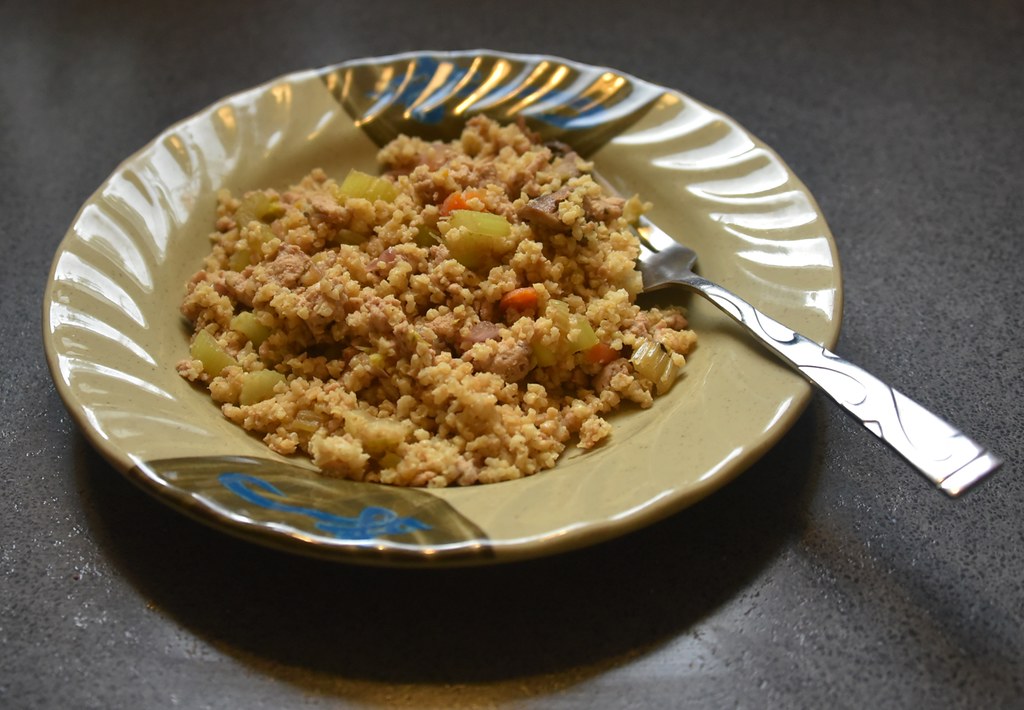
What sets millet apart from other grains is its adaptability to various culinary applications. From savory dishes to delectable desserts, millet proves that it can shine just as brightly in both traditional and innovative recipes. Its mild, nutty flavor pairs effortlessly with a wide range of ingredients, bringing a unique texture and taste to any meal. Whether you enjoy millet steamed, baked into bread, or even used as a substitute for rice or quinoa, the options are limitless. Embracing the millet revolution means immersing oneself in a world of culinary exploration, where creativity knows no bounds.
Beyond its influence in the kitchen, the millet revolution permeates into our everyday lives, influencing our choices beyond meal times. As more people become aware of the impact of their dietary choices on the environment and their own well-being, millet represents a conscious, mindful approach to eating. It encourages us to reconnect with traditional, locally-sourced ingredients and to appreciate the often-overlooked treasures of our culinary heritage. By embracing the millet revolution, we not only transform our cooking but also make a statement about the kind of lifestyle we choose to lead – one that is grounded in sustainability, health, and respect for our planet.
In conclusion, the millet revolution is much more than a passing trend; it is a transformation that has the potential to shape our cooking habits and lifestyle choices for the better. With its sustainable cultivation, remarkable nutritional benefits, and versatile culinary applications, millet offers a promising solution to some of the challenges we face in our modern world. Through embracing this ancient grain, we not only nourish our bodies but also contribute to a more sustainable and conscious future. So, let us embark on this millet journey together, exploring the countless possibilities and unlocking a world of flavor and well-being.
1. Introduction
Millets have taken the world by storm as a versatile and nutritious alternative to traditional cooking staples. This revolution has not only elevated the culinary experiences, but also profoundly impacted the ways in which we approach our overall lifestyle. From improving health and wellness to championing sustainability, millets are transforming the way we cook, eat, and live.
With their incredible adaptability, high nutritional value, and eco-friendly production methods, millets are gaining popularity as a truly groundbreaking food source that can address various contemporary challenges like malnutrition, climate change, and food security. In this article, we explore the millet revolution and how it is changing the cooking and lifestyle landscape.
2. Nutritional Powerhouses
Millets are powerhouse grains packed with essential nutrients, making them an excellent addition to any diet. These grains are rich in fiber, proteins, vitamins, and minerals, offering a wide range of health benefits. From improving digestion and heart health to aiding weight management and promoting overall well-being, millets provide a nutritional boost that can revolutionize our cooking and dietary choices.
Millets are gluten-free and have a low glycemic index, making them suitable for individuals with gluten sensitivity or diabetes. Their high protein content and balanced amino acid profile also make them an ideal choice for vegetarians and vegans looking to meet their protein requirements in a sustainable and plant-based way.
3. Culinary Versatility
Millets, with their unique flavors and textures, have the potential to infuse excitement into our meals. Whether it’s using millet flour to make fluffy pancakes, preparing a savory millet pilaf, or incorporating millet flakes into a delicious dessert, these grains offer endless possibilities in the kitchen.
Moreover, millets can be easily substituted for other grains like rice and wheat in various recipes. Experimenting with millets can lead to the discovery of new tastes and textures, inspiring creativity and innovation in our cooking endeavors.
4. Sustainable Farming Practices
Millets are environmentally friendly crops that require minimal water, fertilizers, and pesticides compared to conventional grains. They are well-suited to dry and arid regions, enabling sustainable farming practices and reducing pressure on water resources.
Furthermore, millets play a significant role in crop diversification, enhancing soil fertility, and promoting biodiversity. By embracing millets as a staple, we can contribute to a more sustainable and resilient food system for future generations.
5. Health Benefits
The health benefits associated with millets go beyond their excellent nutritional profile. Regular consumption of millets has been linked to lower risks of cardiovascular diseases, type 2 diabetes, and certain types of cancers.
Millets are also known to aid in managing weight, supporting digestive health, and improving overall gut function. These grains contain high levels of antioxidants that help fight against free radicals, reducing oxidative stress and enhancing our body’s defense mechanisms.
6. Cultural Heritage and Preservation
Millets have been part of traditional diets in many cultures for centuries. Celebrating and embracing the consumption of millets not only connects us to our rich cultural heritage but also supports the preservation of indigenous food practices and agricultural traditions.
By incorporating millets into our daily lives, we contribute to the preservation and recognition of these forgotten or underappreciated grains, helping sustain the diversity of our global food heritage.
7. Accessible and Affordable
Millets are highly accessible and affordable, making them an excellent choice for individuals from various socio-economic backgrounds. Their affordability and availability contribute to their potential in addressing food security issues, especially in developing countries.
Millets can be cultivated in a range of climatic conditions, requiring minimal resources, which ultimately helps reduce costs and ensures food security in regions vulnerable to climate change and natural disasters.
8. Embracing the Millet Revolution
Embracing the millet revolution means more than just altering our cooking habits; it signifies a shift towards a healthier, sustainable, and culturally enriched lifestyle. By bringing millets into our kitchens and communities, we not only nourish our bodies but also promote the well-being of our planet and future generations.
So why wait! Join the millet revolution and experience the transformative power of these amazing grains in redefining your cooking and lifestyle.
Summary
Millet, an ancient grain that has been a staple for centuries, is making a comeback in modern kitchens. This gluten-free and high-fiber grain is sustainable and requires minimal resources to grow, making it a healthy and eco-friendly alternative. Millet is also packed with essential nutrients and offers numerous health benefits. It is versatile and can be used in a variety of recipes, from savory dishes to desserts. Embracing the millet revolution not only transforms our cooking but also encourages a mindful approach to eating and a sustainable lifestyle. It has the potential to shape our cooking habits and contribute to a more sustainable future.
FAQ
Why should I consider incorporating millet into my cooking and lifestyle?
Millet is a highly nutritious grain that offers numerous health benefits. It is gluten-free, making it suitable for individuals with celiac disease or gluten sensitivity. Millet is also high in fiber, which promotes digestion and helps maintain a healthy weight. Additionally, it is packed with essential vitamins and minerals, such as magnesium, phosphorus, and iron, that support overall well-being. Incorporating millet into your cooking and lifestyle can diversify your diet, allowing you to explore new flavors and textures while providing your body with essential nutrients.
Moreover, the cultivation of millet has a lower environmental impact compared to other grains like wheat and rice. Its resilience to drought and minimal need for synthetic fertilizers or pesticides make millet a sustainable choice. By choosing to include millet in your meals, you can contribute to sustainable agriculture and reduce your carbon footprint.
How can I integrate millet into my daily cooking and lifestyle?
Integrating millet into your daily cooking and lifestyle is simple and versatile. Millet can be used as a substitute for rice or couscous in many dishes, such as stir-fries, pilafs, and salads. It can also be ground into flour to make bread, pancakes, and baked goods. Cooking millet is similar to cooking rice: it can be boiled or steamed to achieve a fluffy texture. Additionally, toasted millet can be used as a topping or added to granola for an extra crunch.
To fully embrace the millet revolution in your lifestyle, you can explore recipes that feature millet as a main ingredient. From millet-based breakfast bowls to millet-stuffed peppers, there are countless creative and delicious ways to incorporate this grain into your daily meals. Furthermore, consider supporting local farmers who cultivate millet by purchasing heirloom or organic varieties. This not only supports sustainable agriculture but also ensures the highest quality and taste for your dishes.
Is millet suitable for individuals with dietary restrictions, such as vegetarians and vegans?
Absolutely! Millet is a versatile grain that caters to various dietary needs, including vegetarian and vegan lifestyles. It can be a valuable source of plant-based protein, containing essential amino acids. For vegetarians, millet can be a nutritious alternative to meat and poultry, providing essential nutrients like iron and calcium. It is also an excellent option for vegans as it can be used to create plant-based milk, yogurt, and even vegan cheese.
Moreover, millet is low on the glycemic index, meaning it does not significantly affect blood sugar levels. This makes it a suitable choice for individuals with diabetes or those aiming to manage their blood sugar levels. Whether you are following a vegetarian, vegan, or gluten-free diet, millet can be an excellent addition to diversify and enhance your meals.
Can millet help with weight management and improving overall well-being?
Yes, millet can play a significant role in weight management and overall well-being. Due to its high fiber content, consuming millet can promote feelings of satiety, helping you feel fuller for longer. This can assist in weight management by reducing the urge to snack on unhealthy foods throughout the day. Millet also has a low-calorie count, making it an ideal addition to a balanced diet.
Furthermore, millet contains various nutrients such as magnesium, which is known to support heart health and improve sleep quality. Its high phosphorus content contributes to strong bones and teeth. The iron in millet aids in maintaining healthy blood production and preventing iron-deficiency anemia. By incorporating millet into your cooking and lifestyle, you can enjoy these benefits while nurturing your overall well-being.