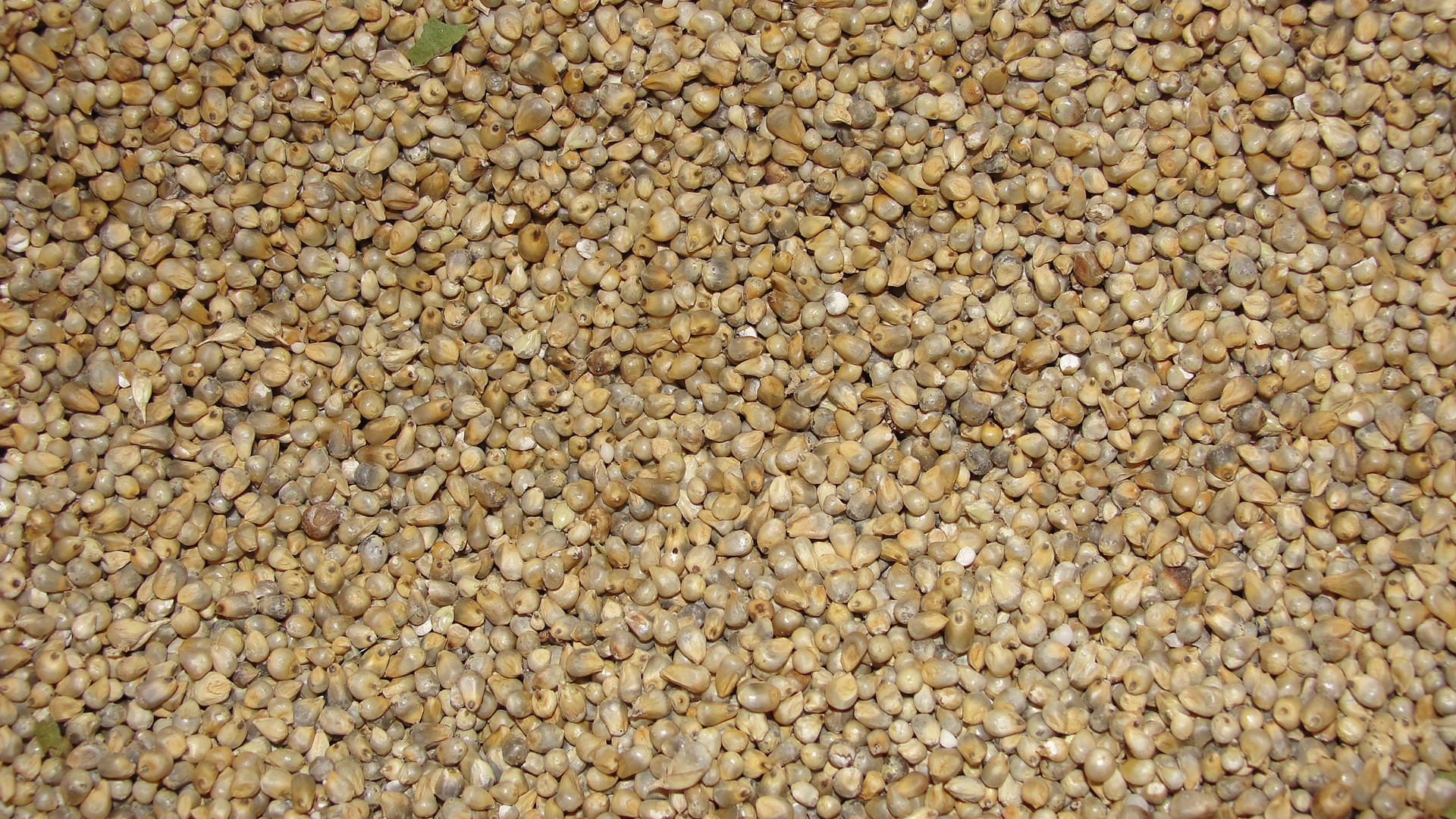
The Millet Movement: Embracing a Wholesome Lifestyle with Nutrient-Rich Grains
In a world where processed and unhealthy foods seem to dominate our diet, there is a growing movement that encourages a return to wholesome and nutrient-rich grains. Among these ancient grains, millet stands out as a true powerhouse. With its impressive nutritional profile and versatile nature, millet has emerged as an important staple in the pursuit of a healthier lifestyle. Let’s take a closer look at the millet movement and explore how this humble grain is transforming the way we eat and nourish our bodies.
For centuries, millet has been a dietary staple in many cultures around the world. From Africa to Asia and beyond, this small yet mighty grain has been cherished for its abundance of health benefits. With its remarkable balance of carbohydrates, proteins, and fats, millet offers a complete and well-rounded nutritional package. High in fiber and rich in essential vitamins and minerals such as iron, magnesium, and phosphorus, millet plays a vital role in promoting optimal health.
One of the key advantages of millet lies in its adaptability to various dietary preferences. Whether you are following a vegetarian, vegan, or gluten-free diet, millet can effortlessly fit into your culinary repertoire. From being the star ingredient in a wholesome pilaf to serving as a versatile base for grain bowls, soups, and even desserts, millet adds a unique texture and flavor to any dish. Its mild taste allows it to take on the flavors and aromas of other ingredients, making it a versatile ingredient in the kitchen.
Beyond its incredible nutritional profile and culinary versatility, millet also offers sustainable and environmental benefits. Compared to other grains, millet requires minimal water and resources to grow, making it an attractive option in regions prone to drought. Its ability to grow quickly in adverse conditions makes it a resilient crop that can help combat food scarcity and contribute to a more sustainable future.
Furthermore, the millet movement extends beyond the kitchen and into the realm of conscious consumerism. As more individuals seek out natural and ethically sourced products, millet provides an opportunity to support small-scale farmers and local communities. By embracing this ancient grain, consumers can foster a deeper connection to the origins of their food, knowing that each purchase contributes to a healthier planet and supports sustainable agricultural practices.
In conclusion, the millet movement is a testament to our collective desire to embrace a wholesome lifestyle and nourish our bodies with nutrient-rich grains. As we rediscover the health benefits and adaptability of millet, we are presented with an opportunity to revolutionize our approach to food and sustainability. By incorporating millet into our everyday meals, we can experience the myriad of flavors and textures it offers while benefiting from its nutritional value. So, let us join the millet movement and celebrate this humble grain as a catalyst for change and a symbol of a healthier, more conscious way of living.
Millet, a group of small-seeded grasses, has been a staple in many traditional diets around the world for centuries. However, in recent years, there has been a resurgence of interest in millets, popularly known as the millet movement, due to their remarkable nutritional benefits and sustainability. Millets are packed with essential nutrients, making them an excellent addition to a balanced diet. They are a rich source of protein, dietary fiber, vitamins, and minerals, while being gluten-free. Incorporating millets into your diet can promote better digestion, weight management, and overall well-being.
On top of their nutritional value, millets are also highly sustainable and eco-friendly. These crops require minimal water and can thrive in diverse agro-climatic conditions, making them an ideal choice for climate-resilient farming. By including millets in our diets, we can contribute to preserving the environment by reducing our water footprint and lowering greenhouse gas emissions associated with food production.
The Nutritional Powerhouse of Millets
Millets are not just another grain; they are a nutritional powerhouse! These tiny grains pack a punch when it comes to vitamins and minerals. Millets are rich in essential minerals such as calcium, magnesium, phosphorus, and potassium, which play a vital role in maintaining bone health, muscle function, and overall well-being. Additionally, millets are a great source of B vitamins, including niacin, thiamine, and riboflavin, which are essential for energy production, brain function, and maintaining healthy skin.
Fiber is another important component found abundantly in millets. It aids in digestion, helps regulate blood sugar levels, lowers cholesterol, and promotes a healthy heart. The high fiber content in millets keeps you feeling full for longer, which can prevent overeating and assist in weight management. Furthermore, millets have a low glycemic index, making them an ideal choice for individuals with diabetes as they help regulate blood sugar levels and improve insulin sensitivity.
Millets: A Smart Choice for a Sustainable Future
The millet movement looks beyond personal health benefits and extends toward the welfare of our planet. Millets have a minimal environmental impact compared to other crops due to their low water requirements and resilient growing conditions. These crops can thrive in dry and less fertile lands, reducing the pressure on freshwater resources and preserving soil fertility. Cultivating millets also contributes to biodiversity preservation as the crops require lower pesticide usage and provide habitats for various organisms.
Furthermore, millets play a crucial role in climate change mitigation. Traditional farming practices that incorporate millets promote carbon sequestration in the soil, reducing greenhouse gas emissions. Their root systems help retain water in the ground, preventing soil erosion and improving water infiltration, which is critical for regions prone to droughts and environmental degradation.
Making Millets a Part of Your Everyday Meals
Integrating millets into your regular diet is easier than ever before, thanks to the increasing availability and variety of millet-based products. From traditional recipes like idlis and dosas to modern products such as millet-based pasta and bread, the possibilities are endless. Millet flour can be used as a versatile gluten-free substitute in baking, while whole millets can be cooked as a side dish or included in salads, soups, or porridges.
When buying millet-based products, it is essential to look for certified organic options to ensure the quality and purity of the grains. As millets gained popularity, many brands have started offering a wide range of millet-based products, making it convenient for individuals to incorporate this super grain into their dietary routines.
Exploring Millet Culinary Traditions Around the World
Millets have been a staple in various cuisines across the globe for centuries. From finger millet (Ragi) dishes in India to the classic Italian polenta, millets have found their way into numerous cultural recipes. Exploring millet culinary traditions not only expands our gastronomic horizons but also allows us to appreciate the diversity and richness of different cultures.
The versatility of millets makes them suitable for both sweet and savory dishes. They can be cooked as porridge, pilaf, or mixed with vegetables and spices to create flavorful delicacies. By exploring millet culinary traditions, we can encourage cultural exchange, promote sustainable practices, and broaden our culinary expertise.
Joining the Millet Movement: A Wholesome Choice
The millet movement is not just a fad; it represents a shift towards a healthier and more sustainable lifestyle. By embracing millets, we can nourish our bodies with nutrient-rich grains while playing our part in preserving the environment. Whether you start with a simple millet-based recipe or explore the rich culinary traditions around the world, incorporating millets into your daily meals can mark a positive change in your well-being and the planet we all call home.
Summary
The millet movement is a growing trend that promotes a return to nutrient-rich grains in order to embrace a healthier lifestyle. Millet, an ancient grain, is recognized for its nutritional value and versatility. It is a staple in many cultures and offers a balanced mix of carbohydrates, proteins, and fats, as well as essential vitamins and minerals. Millet is suitable for various dietary preferences, such as vegetarian, vegan, and gluten-free diets. It is also environmentally friendly, requiring minimal resources to grow. Additionally, supporting the millet movement can contribute to sustainable agriculture and small-scale farming. Incorporating millet into daily meals can offer diverse flavors and textures while promoting a healthier and more conscious way of living.
FAQ
What is the Millet Movement?
The Millet Movement is a growing trend that encourages individuals to adopt a wholesome lifestyle by incorporating nutrient-rich grains, specifically millets, into their diets. Millets are a diverse group of small-seed grains that are highly nutritious and versatile, making them an excellent choice for those seeking a healthier lifestyle. This movement aims to promote millets as a sustainable and affordable alternative to popular grains like rice and wheat, ultimately improving nutrition levels and reducing the risk of chronic diseases.
By embracing the Millet Movement, individuals are not only choosing a more nutritious diet but also supporting sustainable agriculture practices. Millets require minimal water and additional fertilizers, making them environmentally friendly crops. Moreover, the cultivation of millets can enhance soil fertility, further contributing to sustainable agriculture. With the Millet Movement gaining traction worldwide, it is easier than ever to find a variety of millet-based products, including millet flour, flakes, and whole grains, enabling individuals to incorporate these nutrient-packed grains into their daily meals effortlessly.
What are the health benefits of millets?
Millets offer a plethora of health benefits, making them an excellent addition to a wholesome lifestyle. First and foremost, millets are rich in essential nutrients like dietary fiber, vitamins, and minerals. They are known to have a low glycemic index, which means they release glucose slowly, preventing sudden spikes in blood sugar levels. This characteristic makes millets an ideal choice for individuals with diabetes or those striving to maintain stable blood sugar levels.
Additionally, millets contain high levels of antioxidants, which help in fighting inflammation and protecting the body against various diseases, including heart diseases and certain types of cancer. The abundant dietary fiber in millets aids in proper digestion, prevents constipation, and promotes a healthy gut. Furthermore, millets are gluten-free, making them an excellent alternative for individuals with gluten sensitivity or celiac disease. Overall, incorporating millets into a balanced diet can contribute to better weight management, cardiovascular health, and improved overall well-being.
How can I incorporate millets into my daily diet?
Incorporating millets into your daily diet is easy and rewarding. Millets can be used in various ways, such as replacing rice or wheat in your meals. You can cook millets just like rice and use them as a base for pilafs, stir-fries, or even as a side dish. Millet flour is perfect for baking bread, pancakes, or cakes, adding a unique flavor and texture to your recipes.
Another way to include millets in your diet is through breakfast options. Replace your usual cereals or oats with millet flakes, which can be cooked with milk or water and topped with fruits and nuts for a wholesome start to your day. You can also use millet-based granola bars or energy balls as convenient and nutritious snacks.
Lastly, you can explore millet-based products available in the market, such as millet pasta, cookies, and crackers. These products offer a convenient way to incorporate millets into your diet, especially for those with busy lifestyles. With a little creativity and experimentation, you can enjoy the health benefits of millets while savoring delicious and nourishing meals.
Are millets suitable for individuals with certain dietary restrictions?
Millets are highly versatile grains and are suitable for various dietary restrictions. They are naturally gluten-free, making them an excellent choice for individuals with gluten intolerance or celiac disease. Millets can be used as a substitute for gluten-containing grains like wheat or barley, allowing those with gluten restrictions to still enjoy a wide range of delicious meals.
Moreover, millets are vegetarian and vegan-friendly, providing an excellent source of plant-based protein for those following these dietary choices. They can be a valuable addition to a balanced vegetarian or vegan diet as they offer essential amino acids and are high in fiber, promoting gut health.
However, it is essential to note that millets are not suitable for individuals with certain allergies, such as those allergic to grains or specific food groups. If you have any concerns or specific dietary requirements, it is always recommended to consult with a healthcare professional or a registered dietitian before making significant changes to your diet.