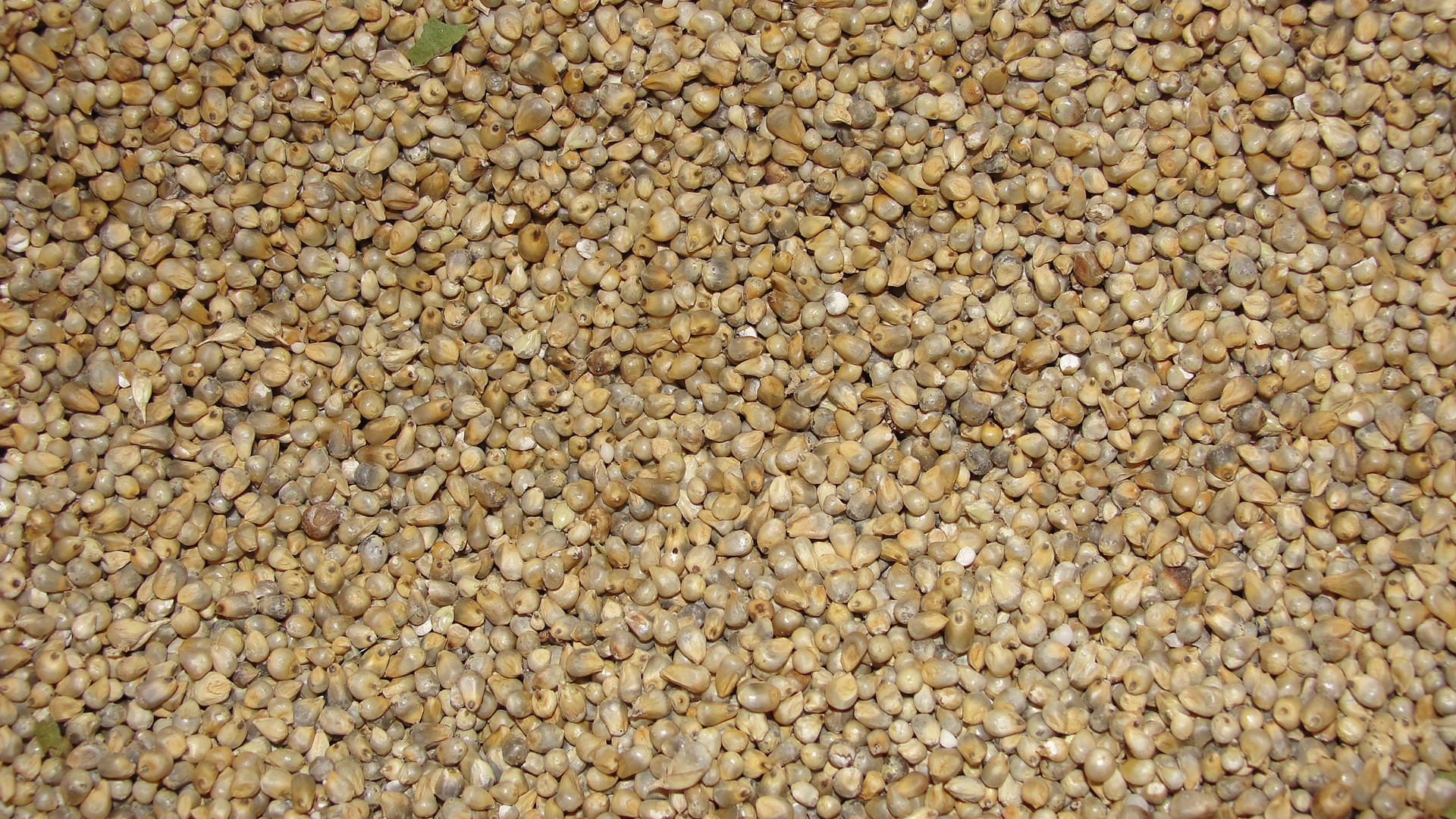
Millennials, a generation known for its technological prowess and changing attitudes toward health and wellness, are now embracing a new trend that promises to revolutionize their lifestyle – millets. These ancient grains, once overlooked, have now garnered the attention of health-conscious individuals seeking a more sustainable and nutritious diet. With their incredible versatility and plethora of health benefits, millets have gained recognition as a key player in the quest for a healthier lifestyle. In this guide, we delve into the world of millets and how millennials can seamlessly incorporate them into their daily routines.
In an era where convenience often outweighs nutritional value, millets serve as a refreshing reminder of the importance of wholesome, unprocessed foods. These tiny grains boast an impressive nutritional profile, packed with essential vitamins, minerals, and fiber. Additionally, millets are naturally gluten-free, making them an ideal alternative for those with gluten sensitivity or celiac disease. With a low glycemic index, millets help regulate blood sugar levels and provide sustained energy throughout the day, reducing the chances of energy crashes and the need for constant snacking.
One of the most enticing aspects of millets is their remarkable versatility in the kitchen. With a wide range of millet varieties available – such as pearl millet, foxtail millet, and finger millet – millennials can experiment with different flavors and textures to suit their preferences. From savory porridges and fluffy pilafs to hearty salads and mouthwatering baked goods, millets can be seamlessly integrated into breakfast, lunch, dinner, and even dessert. The possibilities are endless, offering millennials an opportunity to explore their culinary creativity and expand their palate while nourishing their bodies.
While the health benefits and culinary possibilities of millets are appealing, their environmental impact adds another layer of attraction for millennials. As more individuals become conscious of their carbon footprint and strive to adopt eco-friendly practices, millets emerge as a sustainable food choice. These resilient crops require minimal water and can thrive in challenging environments, making them an excellent option for regions dealing with limited resources or facing the impacts of climate change. Embracing millets not only supports personal well-being but also contributes to a more sustainable food system that promotes environmental preservation.
In a world saturated with fad diets and quick-fix solutions, incorporating millets into one’s lifestyle aligns perfectly with the millennial mindset of seeking long-term, holistic health. Millets offer a balanced nutrient profile, promoting both physical and mental well-being. Their high fiber content aids digestion and contributes to a healthy gut, while their complex carbohydrates provide a steady release of energy, boosting cognitive function and overall mood. By embracing millets, millennials can enhance their well-being from the inside out, fostering a more sustainable and harmonious relationship with their bodies.
Adopting a healthier lifestyle with millets goes beyond personal wellness; it also extends to empowering local agriculture and supporting rural communities. The revival of millets has the potential to revitalize traditional farming practices, promote biodiversity, and empower small-scale farmers. As millennials increasingly prioritize ethical and locally sourced foods, millets offer an opportunity to reconnect with agricultural heritage while fostering inclusive growth and resilience in rural areas. By embracing millets, millennials can contribute to the preservation of cultural wisdom and the revitalization of local economies, creating a more interconnected and sustainable world.
In this guide, we invite millennials on a journey to explore the fantastic world of millets, offering practical tips, delicious recipes, and inspiring stories that will empower them to embrace a healthier lifestyle. From understanding the different millet varieties to learning how to cook with them, this comprehensive resource will equip millennials with the knowledge and confidence to embark on their millet adventure. Join us as we uncover the endless possibilities of millets and discover how these ancient grains can transform not only our plates but also our outlook on health, wellness, and sustainability.
1. Introduction
Millennials, born between 1981 and 1996, are increasingly becoming conscious of their health and seeking ways to adopt a healthier lifestyle. One emerging trend among this generation is the rediscovery and appreciation of traditional grains like millets. With their numerous health benefits and versatility, millets offer millennials an excellent option for introducing positive dietary changes.
In this comprehensive guide, we will explore the various aspects of millets, including their nutritional value, easy incorporation into everyday meals, and their positive impact on both physical and mental well-being.
2. Understanding Millets and Their Benefits
Millets are a group of small-seeded grasses that have been cultivated for thousands of years in different parts of the world. They are gluten-free and rich in essential nutrients like fiber, vitamins, and minerals, making them an ideal choice for millennials aiming to improve their overall health. These ancient grains can aid in weight management, control blood sugar levels, promote digestion, and reduce the risk of various chronic diseases such as heart ailments and diabetes.
Additionally, millets are environmentally sustainable crops, requiring minimal water and offering better biodiversity compared to conventional grains. By incorporating millets into their diets, millennials can contribute to a more eco-friendly and sustainable future.
3. Millets in the Modern Kitchen
Gone are the days when millets were perceived as only basic millet porridge. Today, creative and innovative recipes allow millennials to enjoy millets in different forms. From millet-based bread and pasta to millet salads and desserts, there are endless possibilities to incorporate millets into a variety of dishes. With their slightly nutty flavor and unique texture, millets add a delightful twist to traditional and modern recipes alike.
This section will provide some easy-to-follow recipes and suggestions, empowering millennials to experiment and include millets in their daily meals without compromising on taste or convenience.
4. Millets for Physical Well-being
Regular consumption of millets can have a positive impact on physical health. The high fiber content aids in digestion, prevents constipation, and promotes gut health. Millets are also great sources of energy due to their complex carbohydrates, making them suitable for active millennials looking to fuel their bodies. Moreover, the low glycemic index of millets helps regulate blood sugar levels and reduces the risk of diabetes and obesity.
Furthermore, millets contain essential vitamins and minerals that support overall well-being, strengthen the immune system, and promote healthy skin, hair, and nails. Their antioxidant properties help combat inflammation and oxidative stress, reducing the risk of chronic diseases.
5. Millets: Enhancing Mental Health
In addition to physical health, millets are beneficial for mental well-being. Studies have shown that the complex carbohydrates in millets help increase serotonin levels in the brain, improving mood and reducing stress and anxiety. The presence of amino acids like tryptophan contributes to the production of serotonin, often referred to as the “happy hormone.”
Millennials can embrace millets as part of a balanced diet to support their mental health, reduce stress levels, and enhance cognitive function, ultimately leading to a healthier and happier lifestyle.
6. Overcoming Challenges and Misconceptions
While the reemergence of millets has gained momentum among health-conscious millennials, there can still be challenges, misconceptions, and barriers to incorporating them into daily routines. This section will address common concerns such as accessibility, availability, and cooking techniques, providing practical solutions and guidance to help millennials overcome these obstacles and fully embrace the benefits of millets.
Additionally, it will debunk myths surrounding millets, highlighting their versatility and dispelling any misconceptions that may discourage millennials from exploring these nutritious grains.
7. Sustainable Living: Choosing Millets
The conscious choice of millets supports sustainable living, benefiting both individuals and the planet. As millennials adopt millets as part of their regular diet, they contribute to the reduction of environmentally harmful practices. The cultivation of millets requires fewer resources, such as water and synthetic fertilizers, compared to conventional grains. By opting for millets, millennials can actively participate in the global movement towards sustainable agriculture and a greener future.
This section will emphasize the importance of sustainable choices and encourage millennials to be mindful consumers who prioritize their health and the well-being of the planet.
8. Conclusion
In conclusion, embracing a healthier lifestyle as a millennial is an attainable goal with the inclusion of millets in your diet. These ancient grains offer a plethora of health benefits, from improved digestion and weight management to strengthened physical and mental well-being.
By exploring new recipes, debunking myths, and understanding the significance of sustainable choices, millennials can seamlessly incorporate millets into their daily routines and pave the way for a healthier future for themselves and the planet.
Summary
Millets, ancient grains that were previously overlooked, are now gaining popularity among millennials who are looking for sustainable and nutritious diets. These grains offer a refreshing reminder of the importance of unprocessed foods and boast a nutritional profile packed with vitamins, minerals, and fiber. Millennials can experiment with different millet varieties to suit their taste preferences and incorporate them into various meals. Millets also have a low glycemic index, helping to regulate blood sugar levels and provide sustained energy throughout the day. Additionally, millets have a minimal environmental impact and support local agriculture, making them a perfect choice for millennials seeking long-term, holistic health.
FAQ
What are millets and why should millennials incorporate them into their diet for a healthier lifestyle?
Millets are a group of small-seeded grasses that have been cultivated for thousands of years, primarily in Asia and Africa. They are gaining popularity among health-conscious millennials for various reasons. First, millets are highly nutritious, packed with dietary fiber, vitamins, minerals, and antioxidants. They are also gluten-free, making them suitable for individuals with gluten sensitivity or celiac disease.
Incorporating millets into your diet can have numerous health benefits. They can help regulate blood sugar levels, lower cholesterol, promote weight loss, and improve digestive health. Millets are versatile and can be used in a wide range of dishes, including breakfast cereal, bread, porridge, salads, and even desserts. Adding millets to your diet can be an excellent way to embrace a healthier lifestyle and diversify your nutrient intake.
How can I start including millets in my daily meals as a millennial?
Incorporating millets into your daily meals is easier than you may think. Start by substituting refined grains like white rice or wheat flour with millets such as pearl millet (bajra), foxtail millet, or finger millet (ragi). For instance, you can replace your regular rice with millet-based rice varieties or prepare millet flour rotis instead of wheat rotis. Additionally, you can explore various millet-based recipes like millet upma, porridge, or puffed millet snacks.
To make the transition smoother, experiment with millet recipes that align with your preferred cuisine and taste buds. Gradually introduce millets into your diet and observe how your body responds. While millets have numerous health benefits, it’s essential to maintain a balanced diet. Consult a nutritionist or dietician if you have specific dietary requirements or health concerns.
Are millets suitable for vegan and vegetarian millennials?
Yes, millets are an excellent choice for both vegan and vegetarian millennials. Millets are plant-based grains that can serve as a significant source of protein for individuals who do not consume animal products. Unlike some other vegetarian protein sources, millets are also gluten-free, making them suitable for individuals with gluten sensitivities.
Millets are versatile in terms of preparation, allowing vegans and vegetarians to incorporate them into a wide range of meals. From millet-based burgers and patties to incorporating millets in salads, stir-fries, or as a side dish, the possibilities are endless. Moreover, millets provide essential nutrients like iron, magnesium, and B-vitamins, which are essential for maintaining a healthy vegan or vegetarian diet. So, if you’re looking to embrace a healthier lifestyle while following a vegan or vegetarian diet, millets can be an excellent addition to your meals.
Can millets help millennials who are trying to manage weight or control blood sugar levels?
Yes, millets can be beneficial for millennials who are looking to manage weight or control blood sugar levels. Millets have a low glycemic index, meaning they cause a slower rise in blood sugar levels compared to refined grains. This property makes them an ideal dietary choice for individuals with diabetes or those trying to avoid spikes in blood sugar.
Additionally, millets are high in dietary fiber, which aids in weight management. The fiber content in millets promotes satiety, reducing unnecessary snacking and controlling calorie intake. Millets also contain complex carbohydrates, which provide sustained energy and prevent sudden drops in blood sugar levels. By incorporating millets into your meals, you can support weight management goals while enjoying a diverse range of tasty and nutritious dishes.