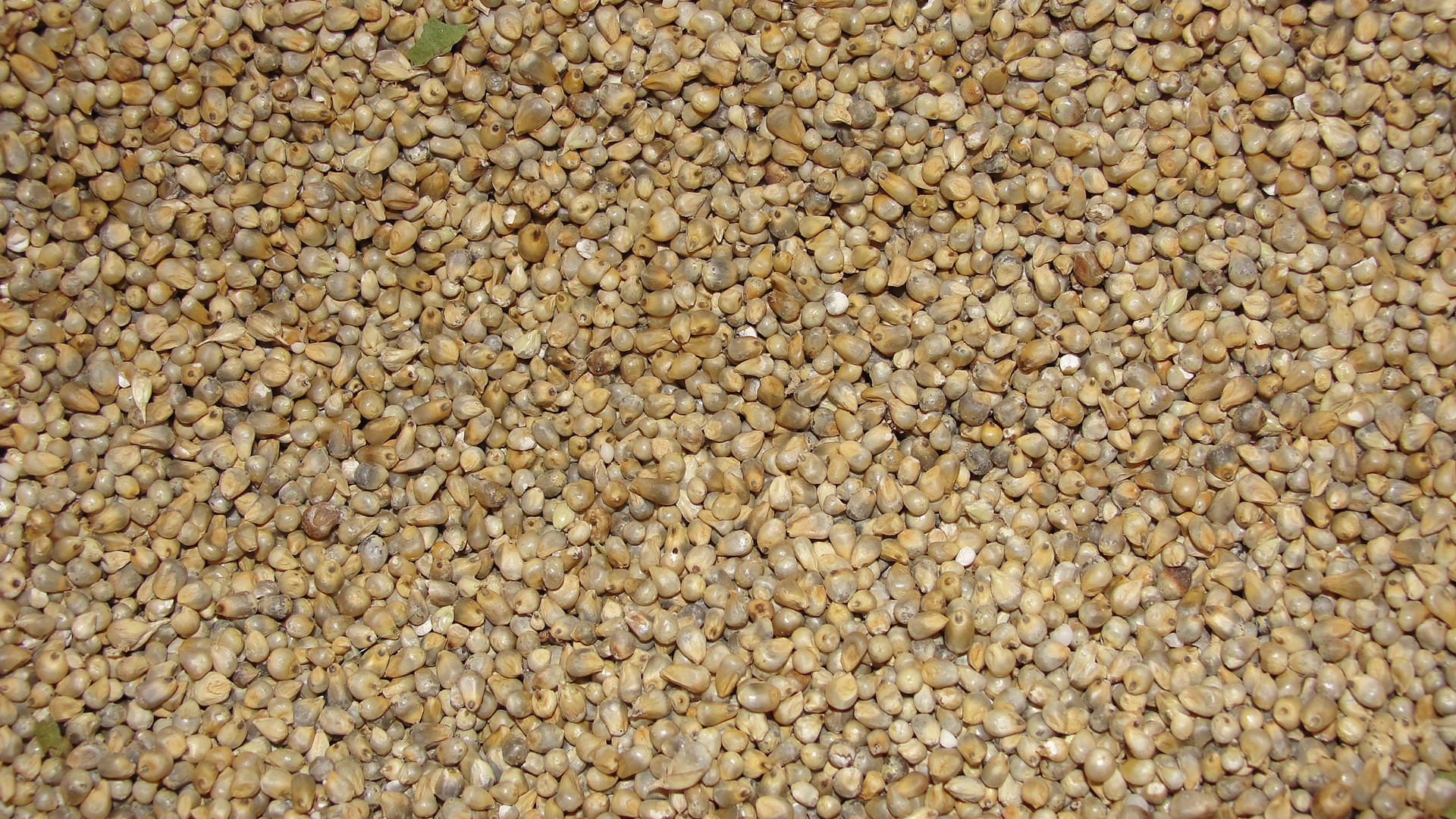
Whether you are health-conscious or simply looking for a way to enhance your culinary experience, the revival of millets is something you won’t want to miss out on. These nutrient-packed grains, often overshadowed by their more popular counterparts, have been making a comeback in recent years, and for good reason. From their remarkable health benefits to their versatility in the kitchen, millets offer a unique journey towards a healthier and happier lifestyle.
Millets are a diverse group of small-seeded grasses that have been cultivated by civilizations around the world for thousands of years. Originating in Africa and Asia, these ancient crops have long been a staple in diets, providing sustenance and nourishment to communities. However, with the advent of modern agriculture and the increased consumption of refined grains, millets fell out of favor in many parts of the world. Now, with the rise of the health food movement and growing awareness of their nutritional value, millets are finally receiving the attention they deserve.
As we delve deeper into the realm of millets, we uncover a treasure trove of health benefits that will leave you astounded. Packed with essential nutrients including proteins, dietary fiber, vitamins, and minerals, millets offer a wide range of advantages for our well-being. These grains have a lower glycemic index compared to rice or wheat, making them a great option for individuals seeking to manage blood sugar levels. Studies have also shown that millets possess anti-inflammatory and antioxidative properties, which can help combat various chronic diseases such as diabetes and heart disease. By incorporating millets into our diet, we can take a significant step towards achieving optimum health.
One of the most remarkable qualities of millets lies in their incredible adaptability in the kitchen. With their subtle nutty flavor and diverse textures, millets can be transformed into a multitude of culinary delights. From hearty stuffed peppers to fluffy pilaf, millets can fill your plate with a variety of delicious and satisfying meals. They can also be ground into flour to create unique breads, cookies, and cakes, adding a touch of wholesomeness to your baking endeavors. Whether you are a seasoned chef or a culinary novice, experimenting with millets in your kitchen is sure to awaken your taste buds and open up a world of exciting possibilities.
The benefits of millets extend far beyond personal health and culinary adventures; they also play a crucial role in sustainable agriculture and environmental preservation. Unlike conventional crops such as corn or wheat, millets are highly resilient to droughts, pests, and diseases, requiring minimal water and fertilizers. Their ability to thrive in challenging conditions makes them a valuable resource for small-scale farmers and a resilient option in the face of unpredictable climate change. By promoting the cultivation and consumption of millets, we can contribute to a more sustainable and resilient food system that benefits both people and the planet.
In conclusion, rediscovering millets is not only a journey towards a healthier and happier lifestyle, but also an opportunity to reconnect with ancient traditions and support sustainable practices. With their impressive nutritional profile, culinary versatility, and environmental benefits, millets offer us a chance to explore new flavors, improve our well-being, and contribute to a more sustainable future. So, step into the fascinating world of millets, and embrace a healthier and happier lifestyle that goes beyond the confines of mainstream grains.
1. Introduction
Millets, often referred to as ancient grains, are a group of highly nutritious crops that have been cultivated for thousands of years. While they have somewhat faded into the background with the rise of modern agriculture and processed foods, millets are regaining popularity due to their exceptional health benefits. This guide aims to reintroduce millets into your diet and help you embrace a healthier and happier lifestyle.
2. Health Benefits of Millets
Millets are packed with essential nutrients, vitamins, and dietary fibers, making them an excellent addition to your diet. Their high fiber content aids digestion, helps control blood sugar levels, and reduces the risk of developing various chronic diseases, including heart disease and type 2 diabetes. Millets are also gluten-free and have a low glycemic index, making them suitable for individuals with gluten sensitivities or those trying to manage their blood sugar levels. Additionally, millets are rich in antioxidants, which protect the body against oxidative stress and help boost the immune system.
3. Types of Millets
There are several types of millets available, each with its unique flavor profile and culinary uses. Common varieties include foxtail millet, finger millet, pearl millet, and sorghum. Foxtail millet is often used in salads or as a substitute for rice, while finger millet is commonly ground into flour for making rotis or bread. Pearl millet is widely used in traditional Indian dishes, such as bajra khichdi, and sorghum is popular for making gluten-free flours and porridges. Understanding the various types of millets will help you diversify your meals and enjoy their benefits to the fullest.
4. Cooking with Millets
Cooking with millets is easy and versatile, allowing you to incorporate them into a wide range of dishes. Millets can be cooked as a main course, used as a side dish, or even added to soups, stews, and salads. They can be steamed, boiled, or toasted, depending on the desired texture and flavor. Experimenting with different recipes and cooking techniques will open up a world of possibilities, making your meals more nutritious and enjoyable.
5. Millets for Weight Management
If you’re looking to manage your weight, millets can be an excellent choice. Due to their high fiber content and low glycemic index, millets provide a longer-lasting feeling of fullness, helping you control your appetite and reduce calorie intake. The complex carbohydrates in millets also promote stable blood sugar levels, preventing energy crashes and sugar cravings. Incorporating millets into your weight management plan can support sustainable and healthy weight loss or maintenance.
6. Millets and Sustainability
In addition to their significant health benefits, millets have gained attention for their sustainability. These hardy crops require fewer resources, such as water and fertilizers, compared to other grains, making them environmentally friendly. Additionally, millets can thrive in diverse climates and soil conditions, making them ideal for sustainable agriculture practices. By adopting millets into your diet, you can contribute to a more sustainable food system and reduce your ecological footprint.
7. Millets in Traditional Cultures
Millets have been a staple food in many traditional cultures around the world. They have sustained communities for centuries and continue to hold cultural significance. Rediscovering millets means not only embracing their nutritional value but also paying homage to ancient traditions and preserving culinary heritage. Exploring traditional millet-based recipes and culinary practices can deepen your appreciation for these incredible grains.
8. Conclusion
Incorporating millets into your diet can lead to a healthier and happier lifestyle. Their unrivaled nutritional profile, versatility in cooking, and positive environmental impact make them a worthy addition to any meal plan. Embrace the rediscovery of millets and embark on a journey towards improved well-being and sustainability.
Summary
Millets, ancient grains that have been overshadowed by other popular grains, are making a comeback due to their health benefits and culinary versatility. These small-seeded grasses have been cultivated for thousands of years and provide essential nutrients like proteins, dietary fiber, vitamins, and minerals. Millets have a lower glycemic index than rice or wheat, making them a great option for managing blood sugar levels and combating chronic diseases. In the kitchen, millets can be transformed into a variety of delicious dishes, and they also play a crucial role in sustainable agriculture due to their resilience to droughts and diseases. Rediscovering millets offers a chance to improve health, support sustainability, and explore new flavors.
FAQ
What are millets and why should I include them in my diet for a healthier lifestyle?
Millets are a group of small-seeded grasses that have been cultivated for thousands of years as a staple food in various parts of the world. They are highly nutritious and offer a wide range of health benefits. Millets are gluten-free, making them suitable for individuals with gluten intolerance or celiac disease. Additionally, millets are rich in dietary fiber, protein, vitamins, and minerals, making them an excellent addition to a balanced diet. Their slow digestibility helps regulate blood sugar levels and keeps you feeling fuller for longer, aiding in weight management. Moreover, millets have a low glycemic index, which means they have a minimal impact on blood sugar levels, making them suitable for diabetics and those seeking to reduce their risk of chronic diseases like heart disease and type 2 diabetes.
How do I incorporate millets into my daily meals and recipes?
Incorporating millets into your daily meals is easier than you might think. Millets can be substituted for rice or wheat in most recipes, adding a unique texture and flavor. They can be cooked as a side dish or used in dishes like pilaf, salads, soups, and porridge. Millet flour can also be used to make chapatis, bread, pancakes, and other baked goods. You can also toast millets and use them as a crunchy topping for salads or cereal. Experimenting with different millet varieties such as finger millet, pearl millet, or foxtail millet can add variety to your meals. There are numerous online resources and cookbooks available that provide a wide range of millet-based recipes for all palates and dietary preferences.
Are millets suitable for individuals with gluten intolerance or celiac disease?
Yes, millets are an excellent choice for individuals with gluten intolerance or celiac disease as they are naturally gluten-free. This makes them an ideal alternative to wheat, barley, rye, and other gluten-containing grains. Millets are not only safe for individuals with gluten intolerance but also offer numerous health benefits. They are rich in fiber, vitamins, and minerals, and provide a good source of protein. Millets also have a low glycemic index, which prevents spikes in blood sugar levels. Therefore, including millets in the diet of individuals with gluten intolerance or celiac disease can not only provide them with a balanced and nutritious alternative but also open up a range of delicious meal possibilities that cater to their dietary restrictions.
Are there any specific health benefits associated with consuming millets?
Millets offer numerous health benefits that contribute to a healthier and happier lifestyle. Firstly, millets are high in dietary fiber, promoting digestive health and preventing constipation. The fiber content in millets also helps to lower cholesterol levels, reduce the risk of heart disease, and maintain healthy bowel movements. Secondly, millets are rich in antioxidants that help protect the body against harmful free radicals and reduce the risk of chronic diseases like cancer. Additionally, millets have a low glycemic index, which aids in better blood sugar control, making them suitable for diabetics. Lastly, millets are a good source of essential minerals like iron, magnesium, phosphorus, and potassium, which are important for maintaining overall health and wellbeing. Incorporating millets into your diet can provide these beneficial nutrients and contribute to a healthier lifestyle.