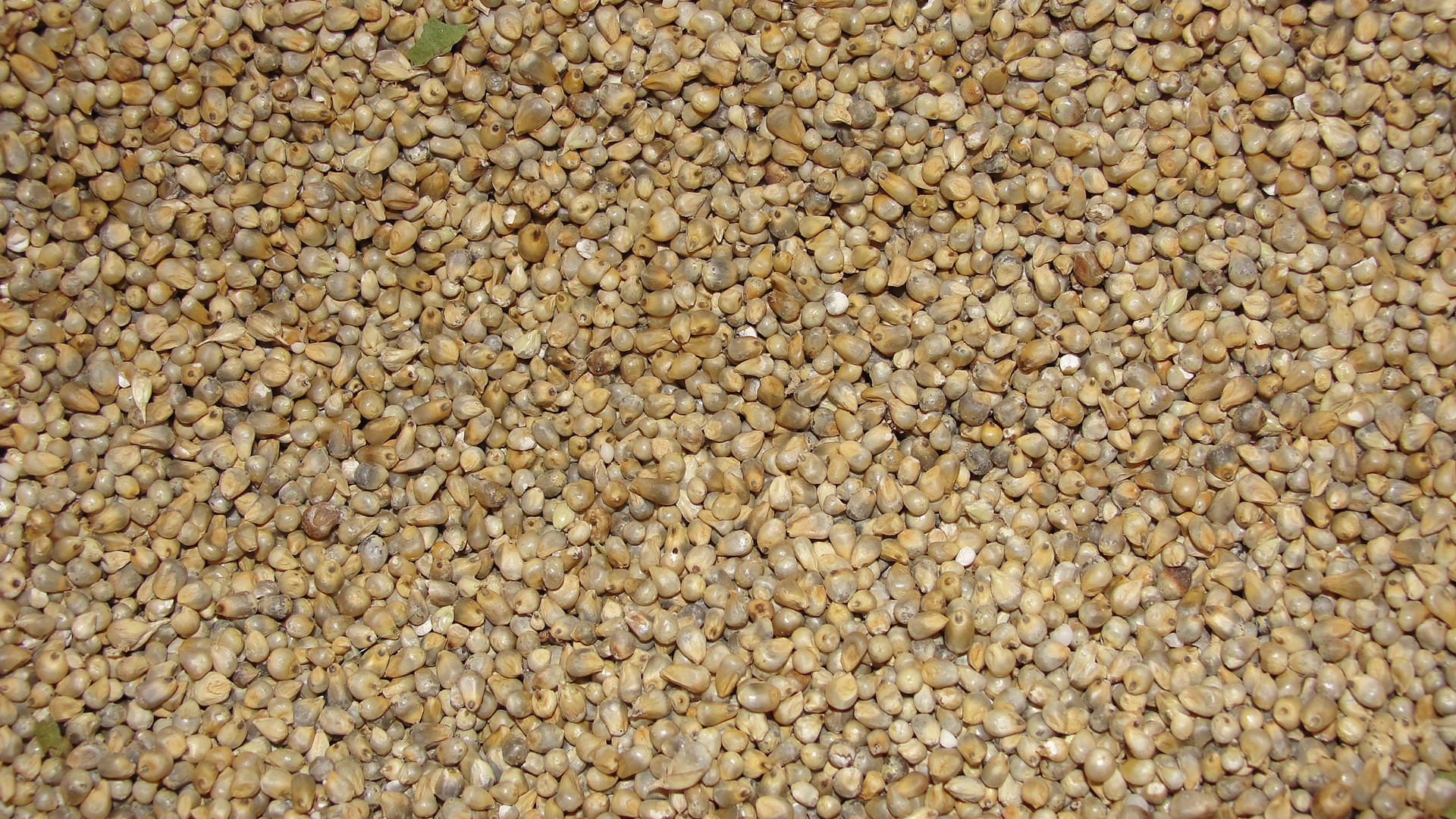
Amidst the never-ending quest for a healthier lifestyle, the resurgence of ancient grains has taken the world by storm. Among these superfoods, millets have emerged as the new go-to choice for health-conscious individuals. With their origins dating back thousands of years, these gluten-free grains have become a staple in many diets, offering a plethora of health benefits that have only recently been rediscovered. From the rolling hills of Africa to the vast plains of Asia, millets have provided sustenance for generations, and now, they are making a grand comeback on the global stage.
Gone are the days when millets were overlooked for more popular grain alternatives. As consumers have become more health-conscious, they are rediscovering the immense nutritional value and incredible versatility that millets possess. Whether you’re seeking to increase your fiber intake or looking for a low-glycemic index option, millets tick all the boxes. These ancient grains are a powerhouse when it comes to essential nutrients, containing high levels of vitamins and minerals like magnesium, iron, and B vitamins. Additionally, they are rich in antioxidants, which help protect our bodies from harmful free radicals and reduce the risk of chronic diseases.
What truly sets millets apart is their adaptability in various culinary creations. From your breakfast porridge to delectable baked goods or even as a replacement for rice, millets effortlessly fit into any dish. Their subtle nutty flavor adds a delightful twist to both sweet and savory recipes alike, making them a favorite among food enthusiasts and chefs. Furthermore, millets come in different varieties, each with its own unique texture and taste profile. This variety opens up endless possibilities in the kitchen, allowing individuals to experiment and create wholesome, nutritious meals that cater to their individual taste preferences.
Beyond their culinary appeal, millets hold immense promise in addressing global challenges such as food security and climate change. These drought-tolerant crops require minimal water and are capable of thriving in challenging conditions, making them a sustainable choice for farmers in arid regions. By promoting the cultivation of millets, we can support small-scale farmers while contributing to a more resilient and eco-friendly agricultural system.
As we delve deeper into the world of millets, it is crucial to understand their historical and cultural significance. For centuries, millets have been a staple food in many cultures, providing sustenance to diverse communities around the world. From the ancient civilizations of Africa to the rural communities in Asia, millets have played a vital role in shaping dietary traditions and culinary landscapes. By embracing millets today, we not only nourish our bodies but also connect to our rich agricultural heritage.
With the increasing popularity of millets, the demand for these versatile grains continues to grow. As consumers explore healthier alternatives and seek to diversify their diet, millets represent a golden opportunity to embark on a health-conscious lifestyle. These ancient grains have the potential to revolutionize the way we eat, promoting well-being, sustainability, and cultural appreciation. So, join us on this journey as we uncover the incredible potential and untold stories behind the millet revolution. Let’s unleash the power of these ancient grains and embrace a new era of wholesome, delicious, and health-conscious living.
1. Introduction
Millets, the ancient grains that have been cultivated for thousands of years, are making a remarkable comeback in modern times. As people become more health-conscious and seek nutritious alternatives to refined grains, millets have gained recognition for their numerous health benefits. These small, gluten-free grains are packed with essential nutrients, making them a perfect addition to a balanced diet. In this article, we will explore the reasons behind the growing popularity of millets and how they are revolutionizing the way we approach healthy eating.
Millets, such as pearl millet, sorghum, finger millet, and many others, have been staple foods in many parts of the world, particularly in Asia and Africa. However, due to the industrialization of agriculture and the rise of processed foods, they were gradually replaced by more commercially viable cereals. Fortunately, with the increasing awareness of the importance of whole foods and a shift towards sustainable farming practices, millets are reclaiming their position as nutritional powerhouses.
2. Rich in Essential Nutrients
Millets are dense sources of essential nutrients, including dietary fiber, B-vitamins, minerals, antioxidants, and micronutrients. Unlike refined grains, which have been stripped of their bran and germ during processing, millets retain these nutritious components, making them highly beneficial for overall health. The high fiber content of millets aids digestion, promotes satiety, and helps regulate blood sugar levels, reducing the risk of diabetes and obesity. Additionally, millets are rich in important minerals like magnesium, iron, phosphorus, and potassium, which play key roles in various bodily functions.
Apart from that, millets contain valuable antioxidants and phytochemicals, which protect cells from oxidative stress and reduce the risk of chronic diseases like heart disease, cancer, and neurodegenerative disorders. Furthermore, several millet varieties are gluten-free, making them an excellent choice for individuals with gluten sensitivities or celiac disease. Embracing millets in our diet can contribute to a well-rounded, nourishing lifestyle.
3. Sustainable Farming and Biodiversity
With growing concerns about the environmental impact of conventional agriculture, millets offer a more sustainable alternative. These ancient grains are hardy and adaptable, requiring minimal inputs such as water and fertilizers compared to other major crops like rice or wheat. Millets are naturally resilient to pests and diseases, reducing the need for chemical pesticides, making them a promising crop for organic farming practices.
Moreover, the revival of millets promotes agricultural biodiversity. By diversifying crops, we protect against mono-cropping, which can deplete soil nutrients and increase vulnerability to pests. Cultivating millets helps preserve indigenous varieties, safeguarding traditional knowledge and genetic resources. Incorporating millets in our diets not only supports our own well-being but also contributes to a healthier planet.
4. Culinary Versatility
Millets offer a wide range of culinary possibilities, making it easy to incorporate them into diverse dishes. They can be cooked and enjoyed as fluffy grains, used as an ingredient in porridges, or ground into flour for baking purposes. Millets add a unique nutty flavor and texture to various recipes, enhancing the overall taste profile. From savory dishes like pilafs, salads, and stir-fries to sweet treats like cookies, cakes, and bread, millets provide endless possibilities for the creative cook.
As more people explore alternative diets, millets are gaining popularity among those following gluten-free, vegetarian, and vegan lifestyles. With their nutritional content and versatility, millets prove to be a wonderful addition to any health-conscious culinary repertoire.
5. Accessibility and Affordability
In addition to their health benefits and culinary flexibility, millets also offer a cost-effective solution for individuals and communities. As these grains require fewer resources and are often grown locally, they tend to be more affordable compared to imported or highly processed foods. Embracing millets can thus contribute to reducing food insecurity and promoting economic sustainability, particularly in rural areas where millets have been a traditional staple.
Furthermore, efforts to promote millets have also led to the development of value-added products, such as millet-based snacks, beverages, and ready-to-eat meals. These advancements aim to make millet consumption more convenient and palatable for a wider audience, ensuring that the benefits of millets are accessible to all.
6. Millets and Sustainable Weight Loss
The high fiber content and low glycemic index of millets make them a great option for those aiming to lose weight or maintain a healthy weight. Including millets in a balanced diet can help control cravings and improve overall satiety, preventing overeating. Additionally, the complex carbohydrates found in millets release energy slowly, keeping us fuller for longer periods and reducing the likelihood of unhealthy snacking.
Millets provide a wholesome alternative to refined grains, which often lack the fiber and nutrients necessary for sustainable weight management. By incorporating millets into calorie-controlled diets, individuals can embark on a health-conscious journey towards effective and sustainable weight loss.
7. Future Potential and Research
The renewed interest in millets has sparked numerous research initiatives and studies exploring their potential benefits in nutrition, agriculture, and food security. Scientists are investigating the nutritional composition, functional properties, and bioactive compounds present in millets to further understand their role in disease prevention and management. Furthermore, research is being conducted to develop improved cultivation techniques, enhance yields, and support sustainable millet farming practices.
The findings from ongoing research hold great promise for the future, as they contribute to the continued appreciation and utilization of this ancient grain. Millets have the potential to shape our dietary patterns, improve global food security, and provide a viable solution to nutritional challenges faced by various communities.
8. Conclusion
The rediscovery of millets marks a significant milestone in our pursuit of healthier eating habits and sustainable lifestyles. These ancient grains, rich in essential nutrients, present a multitude of benefits for our well-being and the environment. The versatility of millets in cooking allows for diverse culinary experiences, regardless of dietary preferences. As millets become more accessible and affordable, they have the potential to revolutionize the way we approach healthy diets and contribute to a more equitable food system for all.
Summary
The resurgence of ancient grains, particularly millets, has become a popular choice for individuals seeking a healthier lifestyle. Millets, gluten-free grains with origins dating back thousands of years, offer numerous health benefits. They are rich in essential nutrients, minerals, and antioxidants that protect against chronic diseases. Additionally, millets are versatile in culinary creations, adding a nutty flavor to both sweet and savory dishes. These crops also hold promise in addressing global challenges, such as food security and climate change, as they require minimal water and can thrive in challenging conditions. By embracing millets, individuals can connect to their cultural heritage while promoting well-being and sustainability.
FAQ
What are millets and why are they considered ancient grains?
Millets are a group of small-seed grasses that have been cultivated for thousands of years. They are considered ancient grains because they have been consumed as a staple food by various civilizations since ancient times. Millets come in many varieties, including pearl millet, foxtail millet, finger millet, and sorghum, among others. These grains are highly nutritious and contain a wealth of vitamins, minerals, and essential amino acids. They are gluten-free, making them suitable for individuals with gluten sensitivities.
How do millets contribute to a health-conscious lifestyle?
Millets offer numerous health benefits that contribute to a health-conscious lifestyle. Firstly, they have a low glycemic index (GI), which means they release glucose slowly into the bloodstream, preventing sudden spikes in blood sugar levels. This makes them an ideal choice for individuals who are managing diabetes or trying to control their blood sugar levels. Additionally, millets are rich in dietary fiber, which promotes healthy digestion and helps prevent digestive disorders like constipation. The high fiber content also aids in maintaining a healthy weight and reducing the risk of developing cardiovascular diseases.
How can millets be incorporated into everyday meals?
Millets can be easily incorporated into everyday meals in various ways. They can be used as a substitute for rice or wheat-based products. For example, millet flour can be used to make rotis, bread, pancakes, and cookies. Millet grains can be boiled like rice or used in salads, soups, and stews. They can also be ground into flour and used in baking. Additionally, millets can be sprouted and added to salads or used to make nutritious breakfast options like millet porridge or upma. The versatility of millets allows individuals to experiment with different recipes and incorporate them into their existing dietary preferences.
Are millets suitable for individuals with dietary restrictions?
Yes, millets are suitable for individuals with various dietary restrictions. As mentioned earlier, millets are gluten-free, making them an excellent choice for individuals with celiac disease or gluten sensitivities. They are also naturally vegan and can be incorporated into plant-based diets. Millets are low in allergenic proteins, making them less likely to cause allergies compared to other grains. Additionally, millets have a balanced nutrient profile, providing essential vitamins, minerals, and antioxidants, making them a healthy choice for individuals with dietary restrictions or those looking to adopt a more health-conscious lifestyle.