In a world where environmental consciousness and individual well-being are increasingly sought-after, it’s no wonder that millets have emerged as the secret to a sustainable and wholesome lifestyle. These resilient grains, often overshadowed by their popular counterparts like rice and wheat, pack an incredible nutritional punch while also being remarkably eco-friendly. So, let’s dive into the world of millets and explore how they can revolutionize your diet and impact the planet positively.
The journey towards a sustainable and wholesome lifestyle begins with understanding the nutritional value of the food we consume. Millets, with their exceptional composition, serve as a powerhouse of essential nutrients. Rich in fiber, vitamins, and minerals, they fuel our bodies with sustained energy, improve digestion, and promote overall wellbeing. These grains have been a dietary staple in many parts of the world for centuries, nourishing generations with their incredible health benefits. By incorporating millets into our daily meals, we can unlock a treasure trove of nutrients, enhancing our vitality and supporting a balanced lifestyle.
As we strive to preserve the planet’s resources and combat climate change, our choices regarding food production become increasingly vital. Millets play a significant role in mitigating environmental impact with their unique characteristics. These ‘dryland crops’ require minimal water compared to other grains, making them an ideal choice in regions facing water scarcity. Moreover, their ability to thrive in diverse soil and climatic conditions reduces the need for excessive fertilizer or pesticide usage, limiting agricultural pollution. By embracing millets, we not only nourish ourselves but also contribute to a healthier and more sustainable ecosystem.
While millets offer countless benefits to our bodies and the environment, they are also a versatile culinary delight. From fluffy couscous to hearty porridge, millets can be easily incorporated into a wide range of dishes, adding a delightful nutty flavor and unique texture. Whether you’re seeking a quick breakfast option, a satisfying main course, or a delectable dessert, millets can seamlessly accommodate various culinary preferences and dietary needs. Their adaptability allows for endless experimentation in the kitchen, giving rise to innovative recipes that combine health, sustainability, and gastronomic pleasure.
In addition to their intrinsic qualities, millets have also fostered cultural and agricultural traditions worldwide. These ancient grains have been cultivated for thousands of years by communities spanning across continents. They hold immense cultural significance and continue to be an integral part of traditional celebrations and rituals. By embracing millets, we honor the wisdom of our ancestors and support small-scale farmers dedicated to preserving the heritage of these precious crops. Through our conscious choices, we can create a ripple effect, revitalizing millets’ place in our modern world.
In our quest for a sustainable and wholesome lifestyle, millets offer a solution that is both nutritious and environmentally friendly. In a time when our decisions hold the power to shape the future of our planet, embracing these resilient grains becomes an act of profound significance. With every millet meal we savor, we are not only nourishing ourselves but also paving the way for a more sustainable and harmonious existence. So, let us embark on this journey together and discover the richness that millets can bring to our lives.
1. Introduction to Millets
Considering the current global push towards sustainable living, it is essential to explore alternative food sources that are both environmentally friendly and provide optimal nutrition. One such solution lies in embracing millets, a group of small-seeded grasses that have been cultivated for thousands of years and hold immense potential in promoting a sustainable and wholesome lifestyle.
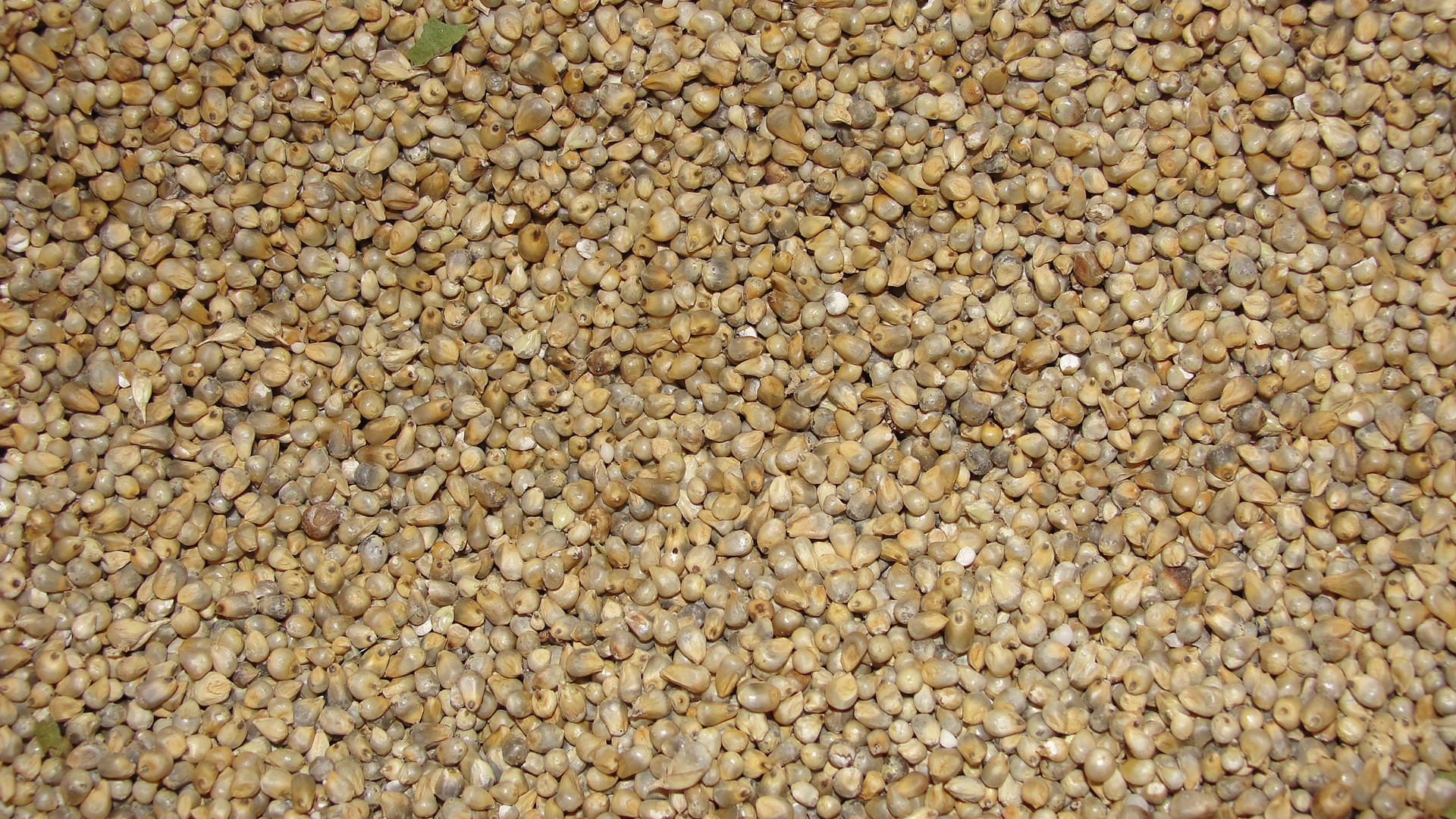
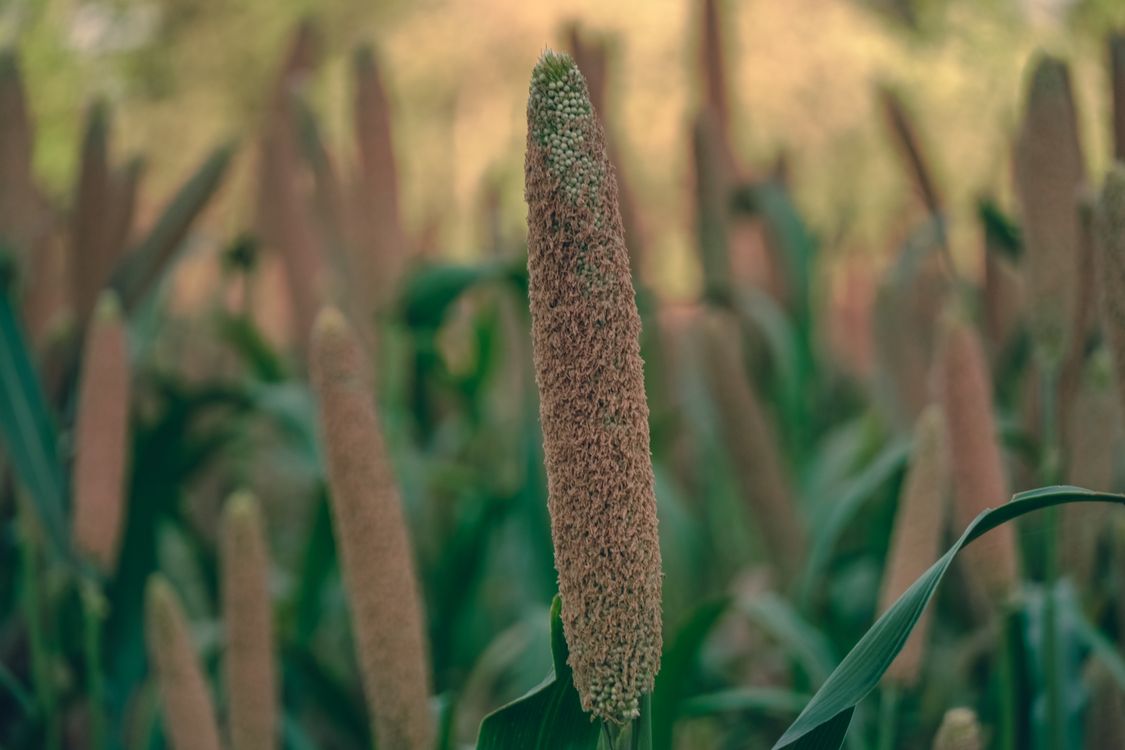
Millets, including popular varieties like sorghum, pearl millet, finger millet, and foxtail millet, have been traditionally grown in arid and semi-arid regions. Their exceptional adaptability to harsh environments, low water requirements, and high nutritional content make them an ideal crop for sustainable agriculture.
2. Nutritional Benefits of Millets
Millets are a powerhouse of essential nutrients, offering a range of health benefits. These grains are rich in dietary fiber, which aids digestion, regulates blood sugar levels, and reduces the risk of chronic illnesses such as diabetes and heart disease.
Furthermore, millets are a valuable source of vitamins and minerals like iron, magnesium, phosphorus, and B-complex vitamins. Their nutrient density helps in improving bone health, strengthening the immune system, promoting optimal brain function, and reducing the risk of anemia.
3. Environmental Impact of Millet Cultivation
Millet cultivation requires significantly less water compared to conventional crops like rice and wheat. The cultivation of millets leads to minimal water usage, making them an excellent choice for regions facing water scarcity or drought conditions. Additionally, the deep root systems of millet plants help prevent soil erosion and improve soil health, reducing the need for synthetic fertilizers and pesticides.
The efficient use of resources in millet cultivation, along with their ability to grow in diverse climatic conditions, makes them an environmentally sustainable crop that is less susceptible to the adverse effects of climate change.
4. Millets for Food Security
In regions where food security is a concern, the inclusion of millets in the diet can be an effective solution. These grains are well-suited to subsistence farming due to their resilience and ability to grow in challenging conditions. Millets have a longer shelf life and do not require extensive processing, making them easily accessible and affordable for resource-limited communities.
Moreover, the cultivation and consumption of millets enhance crop diversity, reducing dependence on a few staple grains and promoting a more balanced and nutritious diet for populations worldwide.
5. Culinary Versatility and Millet-based Products
Millets offer endless culinary possibilities, from porridges and rotis to bread, cookies, and even beverages. Their mild, nutty flavor makes them a versatile ingredient in various cuisines worldwide, allowing for the creation of diverse and delicious dishes.
Furthermore, the rising popularity of millets has led to the development of an array of millet-based products, including gluten-free flours, breakfast cereals, snacks, and health bars. The growing availability of these products in the market makes incorporating millets into one’s diet easier than ever before.
6. Millets and Sustainable Farming
Embracing millets not only benefits individual health but also promotes sustainable farming practices. By supporting farmers who cultivate millets, consumers contribute to the conservation of natural resources, preservation of biodiversity, and the promotion of agroecological systems. This establishes a positive cycle where sustainable agriculture thrives, benefiting both the environment and future generations.
Additionally, millet-based farming practices can contribute to rural development by creating employment opportunities and fostering self-sufficiency in local communities.
7. Overcoming Challenges and Promoting Millets
Despite their numerous benefits, millets face some challenges in marketing and consumer perception. In many regions, millets are often considered “poor man’s food” or outdated crops. Therefore, efforts should be made to raise awareness about the nutritional value, diversity, and sustainability of millets.
Collaborative initiatives between governments, non-governmental organizations, farmers, and consumers can play a vital role in creating policies, conducting research, and implementing awareness campaigns to promote millets as a valuable and sustainable crop.
8. Conclusion: Embracing the Power of Millets
Millets offer an incredible opportunity to nurture our bodies, support sustainable farming, and safeguard the planet. With their exceptional nutritional profile, adaptability to various climates, and low environmental footprint, millets stand as a secret ingredient to achieving a sustainable and wholesome lifestyle. By incorporating millets into our diets and supporting farmers who champion their cultivation, we can pave the way for a more sustainable and resilient future.
Summary
Millets are gaining popularity as a sustainable and wholesome food choice. These resilient grains are nutritious, packed with fiber, vitamins, and minerals, and support overall well-being. Millets are also eco-friendly, as they require less water and fertilizer compared to other grains, helping to mitigate environmental impact. Additionally, millets offer versatility in cooking, with various options for incorporating them into different dishes. These ancient grains hold cultural significance and embracing them supports small-scale farmers and preserves cultural traditions. By choosing millets, we can contribute to a more sustainable and healthy lifestyle, benefiting ourselves and the planet.
FAQ
What are millets, and why are they considered the secret to a sustainable and wholesome lifestyle?
Millets are a group of small-seeded grasses that have been cultivated for thousands of years and are gaining popularity worldwide due to their numerous nutritional and environmental benefits. These ancient grains include varieties like sorghum, pearl millet, foxtail millet, and finger millet. Millets offer a multitude of health benefits as they are naturally gluten-free, rich in dietary fiber, protein, vitamins, and minerals. Their low glycemic index makes them ideal for maintaining stable blood sugar levels and managing chronic conditions such as diabetes. Additionally, millets contain a balanced composition of essential nutrients, including iron, magnesium, and antioxidants, supporting overall well-being.
Moreover, millets play a vital role in promoting sustainable agricultural practices and food security. These resilient crops can thrive in diverse agro-ecological zones, requiring minimal water and chemical inputs. Their ability to grow in harsh environments, resist pests, and adapt to changing climatic conditions makes them a sustainable choice for farmers. By incorporating millets into our diets, we contribute to conserving biodiversity, reducing greenhouse gas emissions, and preserving water resources, all while supporting local farmers and the planet.
How do millets promote a healthy lifestyle and prevent chronic diseases?
Millets offer a wide range of health benefits, making them an excellent choice for a healthy lifestyle and disease prevention. Firstly, their high fiber content aids in digestion, regulatess blood sugar levels, and supports weight management. The complex carbohydrates present in millets are digested slowly, providing a sustained release of energy and preventing sudden spikes in blood sugar. This feature makes millets an ideal food option for individuals with diabetes or those seeking healthy weight management.
Furthermore, millets are rich in essential nutrients, including magnesium, iron, phosphorus, and B-vitamins, all of which play a crucial role in maintaining overall health. Magnesium helps in regulating blood pressure and assists in the proper functioning of nerves and muscles, while iron prevents anemia and boosts energy levels. Additionally, the amino acids found in millets promote muscle growth and repair, making them beneficial for athletes and fitness enthusiasts. Consuming millets regularly can also decrease the risk of cardiovascular diseases, as they contain heart-healthy fats and antioxidants that help reduce inflammation and cholesterol levels.
Are millets suitable for individuals with gluten intolerance or celiac disease?
Yes, millets are an excellent grain alternative for individuals with gluten intolerance or celiac disease. Unlike wheat, barley, and rye, which contain gluten, millets are naturally gluten-free. This makes them safe for consumption for people with gluten-related disorders, including celiac disease, wheat allergy, or gluten sensitivity. Millets provide a nutritious alternative to gluten-containing grains and offer similar cooking versatility and taste profiles.
In addition to being gluten-free, millets offer unique health benefits as they are rich in dietary fiber, which aids in digestion, regulates bowel movements, and supports gut health. It is essential, however, to ensure that the millets or millet products chosen are not cross-contaminated with gluten during processing or packaging. Checking for reputable certified gluten-free labels or purchasing from trusted sources can help ensure the millets are safe to consume for those with gluten intolerance.
How can millets be incorporated into a daily diet to maximize their benefits?
Incorporating millets into a daily diet is relatively easy and can add variety and nutrition to meals. Millets can be used in a similar manner as other grains, such as rice or couscous. Foxtail millet or barnyard millet can be cooked and enjoyed as a side dish or as a base for salads or stir-fries. Pearl millet can be ground into flour for making rotis, bread, or pancakes, while finger millet flour can be used for making porridge or baked goods.
Millets can also be used in the form of flakes, which can be mixed with yogurt or milk, or as a topping for cereal or smoothie bowls. Millet flour can be combined with other gluten-free flours to make delicious baked goods like cookies, muffins, or bread. Incorporating millets as part of a balanced diet ensures the intake of the various nutrients they offer, providing a sustainable and wholesome lifestyle. Websites, cookbooks, and food blogs often provide a plethora of millet-based recipes and serving suggestions for those looking to explore the versatility of these ancient grains.