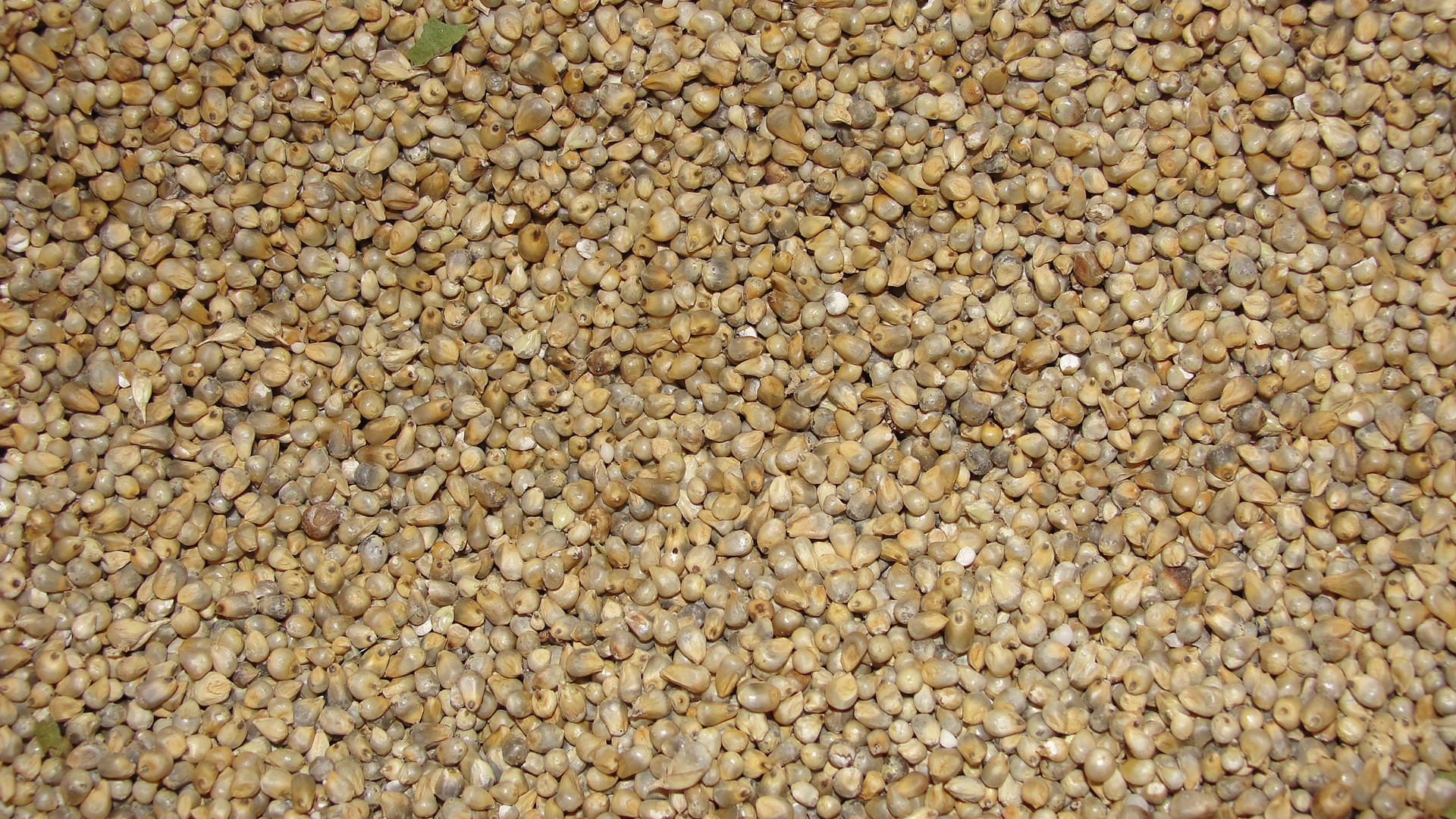
In today’s fast-paced world, where convenience often trumps nutrition, it’s easy to overlook the incredible power of millets – a group of small-seeded grasses that have sustained human populations for centuries. Millets, with their incredible adaptability and resilience, are gaining attention as the key to a sustainable and nourishing lifestyle. These ancient grains, often overlooked in favor of modern cereal crops, have a remarkable ability to thrive in harsh environments with minimal water and little to no chemical fertilizers. Furthermore, their numerous health benefits make them a perfect fit for those seeking to adopt a more sustainable and nourishing way of life.
Millets are not only incredibly hardy, but they also offer a range of nutritional advantages that few other crops can match. These grains are rich in essential nutrients like dietary fiber, vitamins, and minerals, making them a valuable addition to any diet. Compared to conventional cereals, millets have a lower glycemic index, meaning they release glucose into the bloodstream at a slower pace, aiding in better blood sugar control. This characteristic, combined with their high fiber content, contributes to improved digestion and can even help prevent certain chronic diseases. In a world where the prevalence of diet-related health issues is rapidly increasing, millets offer a simple and effective solution for maintaining a healthy lifestyle.
Diversity and versatility are two key terms that aptly describe this often-underappreciated grain group. With over 6,000 varieties of millets available worldwide, there are endless possibilities for incorporating them into our daily meals. From savory dishes like fluffy millet pilafs and crispy dosas to sweet treats such as millet porridge or the popular millet muffins, these grains offer a wide range of culinary options. With their unique nutty flavor and delicate texture, millets provide a pleasant alternative to commonly consumed grains and can effortlessly elevate the taste of any meal.
Beyond their nutritional advantages and culinary versatility, millets play a vital role in preserving the environment and supporting sustainable farming practices. These drought-tolerant crops require significantly less water than other cereals, making them an excellent choice for regions facing water scarcity. In addition, millets have a negligible carbon footprint and can be grown with minimal to no chemical inputs, reducing the adverse environmental impact of agriculture. Embracing millets not only helps address the pressing issue of climate change but also safeguards the livelihoods of small-scale farmers who rely on these resilient grains to sustain their communities.
As we delve deeper into the advantages of millets, it becomes evident that these ancient grains have the potential to provide a sustainable food source for a growing global population. With their high yields and low resource requirements, millets can offer a practical solution to nourish the world in a way that is both environmentally conscious and economically viable. Moreover, their ability to adapt to diverse soil and weather conditions makes them a valuable option for farmers worldwide, offering stability in times of unpredictable climate patterns.
In conclusion, millets hold tremendous promise as a sustainable and nourishing staple for a healthier future. By incorporating these ancient grains into our diets, we can not only improve our own well-being but also contribute to the preservation of the planet and the well-being of farmers. With their exceptional nutritional profile, culinary versatility, and minimal environmental footprint, millets have the potential to revolutionize the way we eat and live, promoting a truly sustainable and nourishing lifestyle for generations to come.
1. Introduction
Millets, often referred to as “the forgotten grains,” have been a staple food in various parts of the world for centuries.
These small-seeded grains are highly nutritious, gluten-free, and can be grown in diverse climatic conditions.
Millets also have a low water footprint and require fewer resources compared to traditional cereal crops, making them an
environmentally friendly choice. In this article, we will explore the numerous benefits of incorporating millets into
our diets and how they contribute to a sustainable and nourishing lifestyle.
2. Nutritional Powerhouses
Millets are packed with essential nutrients. They are rich in dietary fiber, vitamins, minerals, and antioxidants,
making them a valuable addition to any diet. These grains offer a wide range of health benefits, including improved
digestion, lowered cholesterol levels, reduced risk of heart disease, and balanced blood sugar levels. Millets also
contain high levels of protein, which is particularly beneficial for individuals following a vegetarian or vegan diet.
3. Environmentally Sustainable
The cultivation of millets requires fewer inputs compared to other crops. They have the remarkable ability to thrive in
semi-arid regions with poor soil quality and can withstand drought conditions. Millets are also less prone to pests and
diseases, reducing the need for chemical pesticides. Additionally, the cultivation of millets promotes biodiversity and
helps preserve natural resources, making it an eco-friendly choice for farmers and the environment.
4. Adaptability and Versatility
Millets are incredibly versatile and can be used in various culinary preparations. From fluffy and nutritious breakfast
porridges to gluten-free flatbreads, hearty salads, flavorful pilafs, and even desserts, millets offer a wide range of
creative possibilities in the kitchen. They can easily replace refined grains in recipes, providing a healthier
alternative that doesn’t compromise on taste.
5. Food Security and Accessibility
Millets play a crucial role in ensuring food security, especially in regions prone to climate change and food scarcity.
Their ability to grow in challenging environments makes them a reliable source of nutrition, even in times of drought or
limited resources. Millets are also more affordable compared to many mainstream grains, making them accessible to
marginalized communities and contributing to a more equitable and sustainable food system.
6. Cultivating Millet Awareness
Despite their numerous benefits, millets have been underutilized and underappreciated in recent times. Promoting
millet-based diets and creating awareness about their advantages is crucial to their revival. Governments, NGOs,
agricultural institutions, and individuals can support farmers growing millets through policy changes, research funding,
and consumer education initiatives. By actively incorporating millets into our diets and advocating for their inclusion in
mainstream food systems, we can contribute to a healthier and more sustainable future.
7. Culinary Inspiration
Experimenting with millet-based recipes can be both fun and rewarding. From traditional dishes that have stood the test of
time to modern, innovative preparations, there are countless ways to enjoy the goodness of millets. Seek out cookbooks,
online resources, and local communities that share a passion for millet-based cooking to uncover a world of exciting
possibilities in your kitchen.
8. Conclusion
Millets are a treasure trove of nutrition, sustainability, and culinary versatility. By incorporating these humble grains
into our diets, we can promote a more sustainable and nourishing lifestyle. From benefiting our health and the environment
to ensuring food security and supporting marginalized communities, millets have the potential to transform the way we
eat, cultivate, and think about our relationship with food. So, why not embrace millets and embark on a journey towards
a healthier, more sustainable future?
Summary
Millets, a group of small-seeded grasses, are gaining attention as a sustainable and nourishing food source. These ancient grains are adaptable and resilient, thriving in harsh environments with minimal water and fertilizers. They offer numerous health benefits, including being rich in dietary fiber and essential nutrients. Millets have a lower glycemic index, aiding in blood sugar control and digestion. With over 6,000 varieties available, they provide endless culinary options, with a unique nutty flavor. Millets also support sustainable farming practices, requiring less water and having a negligible carbon footprint. They have the potential to provide a practical solution for a growing global population while preserving the environment and supporting small-scale farmers.
FAQ
What are millets and what makes them sustainable?
Millets are a group of highly nutritious grains that have been consumed for centuries in many parts of the world, especially in Asia and Africa. They include a variety of grains, such as sorghum, finger millet, pearl millet, and foxtail millet. Millets are sustainable as they require minimal water and fertilizers compared to other major crops like rice and wheat. Moreover, millets are resilient and adaptable to harsh climates and poor soil conditions, making them an ideal choice for dryland farming. As a result, they contribute to sustainable agriculture by conserving water, promoting biodiversity, and reducing greenhouse gas emissions.
Furthermore, millets are characterized by their excellent nutritional profile. They are high in fiber, vitamins, and minerals, such as iron, calcium, potassium, and magnesium. Their slow-release carbohydrates and low glycemic index make them ideal for managing diabetes and maintaining a healthy weight. Additionally, millets are gluten-free, making them suitable for individuals with gluten-related disorders. Overall, by incorporating millets into our diets, we not only support sustainable farming practices but also promote our own health and well-being.
How can millets be included in a nourishing lifestyle?
Including millets in a nourishing lifestyle is relatively easy and can be done in various ways. Millets can be cooked and used as a grain base in a variety of dishes, such as salads, soups, stews, and porridges. They can also be ground into flour and used to make bread, pancakes, and baked goods. Millet flour can be mixed with other gluten-free flours to create delicious and nutritious alternatives. Furthermore, millets can be sprouted, which enhances their nutritional value and makes them easier to digest.
Moreover, millets can be used as a substitute for rice or other grains. For example, replacing white rice with millet in meals like pilaf or stir-fried rice boosts the nutritional content of the dish while adding a pleasant nutty flavor. Another way to incorporate millets is by using them to make gluten-free pasta or noodles. By experimenting with different millet varieties and recipes, one can explore a wide range of culinary possibilities while enjoying the benefits of a nourishing lifestyle.
Are there any potential side effects of consuming millets?
While millets are generally safe to consume, it’s important to note that they contain certain compounds that may interfere with the absorption of minerals like iron and zinc. This can be mitigated by adopting suitable cooking practices, such as soaking, sprouting, or fermenting millets before consumption. These methods help reduce the anti-nutrient content and enhance the bioavailability of minerals.
Additionally, individuals with specific allergies or sensitivities should exercise caution. Some people may have an intolerance or allergic reaction to millets, especially if they have sensitivities to grains in general. If any adverse reactions occur after consuming millets, it is advisable to consult a healthcare professional for proper diagnosis and guidance. Overall, millets are considered safe and nutritious, but it is important to be mindful of individual dietary requirements and potential sensitivities.
Can millets be included in a weight loss diet?
Yes, millets can be an excellent addition to a weight loss diet. They are low in calories and fat, making them a filling and satisfying option. Millets are also rich in dietary fiber, which promotes satiety and aids in maintaining a healthy weight. The slow-release carbohydrates in millets prevent sudden spikes in blood sugar levels, helping to curb cravings and maintain energy levels throughout the day.
Furthermore, millets can provide a wide variety of nutrients necessary for overall health during a weight loss journey. They are abundant in vitamins, minerals, and antioxidants, which support the body’s metabolism and immune system. By incorporating millets into balanced meals and snacks, individuals can create a sustainable and nourishing eating plan that aids weight loss while ensuring adequate nutrition. It is important, however, to monitor portion sizes and incorporate millets alongside a diverse range of other healthy food choices as part of an overall balanced diet.