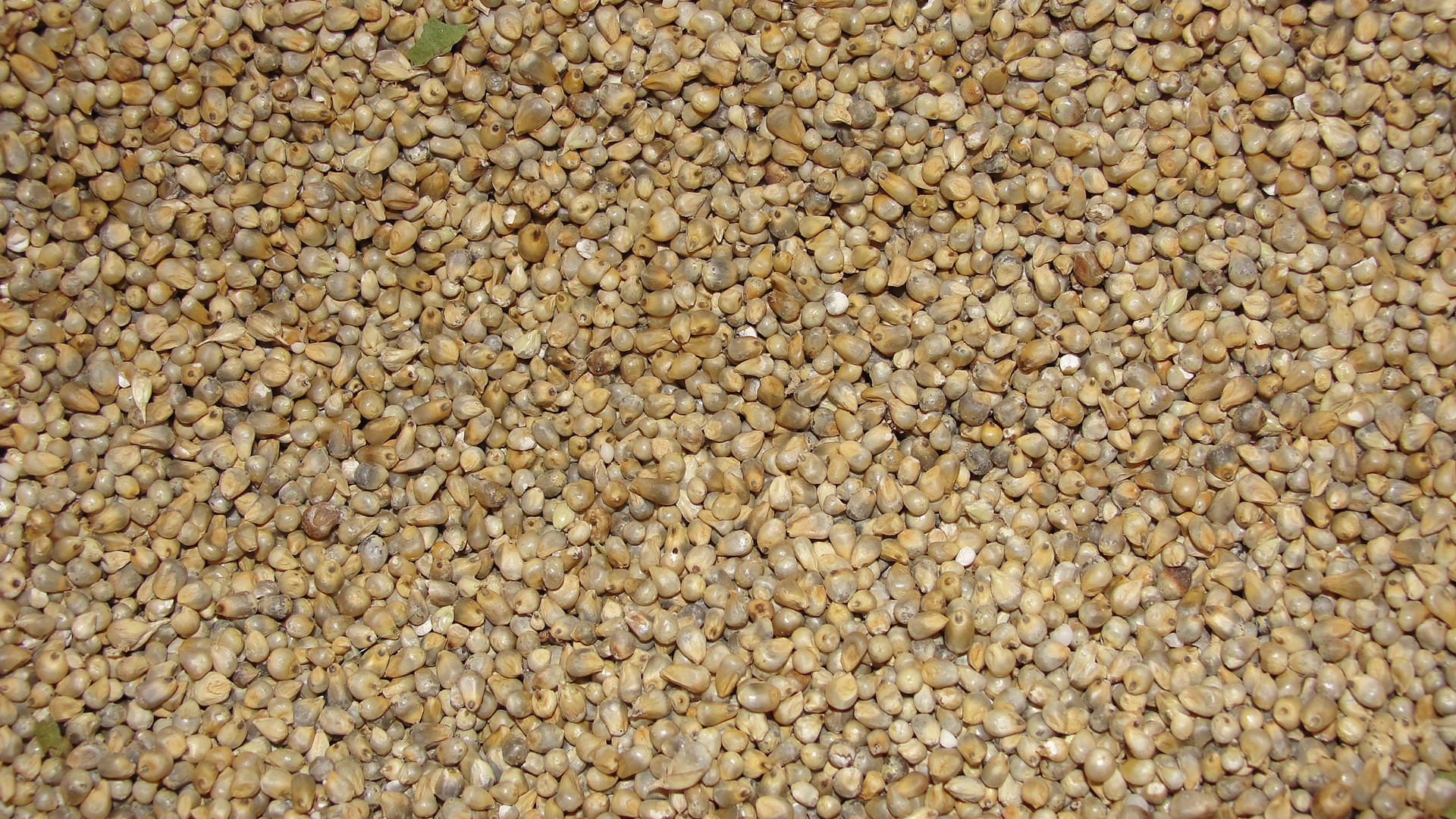

The history of mankind is intertwined with the evolution of agriculture and the cultivation of various grains. Grains have been a staple in our diets for centuries, sustaining civilizations and shaping entire cultures. In recent times, however, the popularity of certain grains, such as wheat and rice, has somewhat overshadowed the lesser-known, yet incredibly nutritious, millets. These ancient grains, often referred to as “nutri-cereals,” are not only making a comeback but are also being hailed as a sustainable solution for modern living.
As the world grapples with issues like food security, malnutrition, and climate change, the revival of millets presents a promising opportunity. Millets are drought-tolerant crops that require minimal water and fewer agrochemicals compared to mainstream grains. Moreover, they have a remarkable nutritional profile, boasting high levels of fiber, protein, and essential minerals. With their low glycemic index, millets offer a healthier alternative to refined carbohydrates, making them suitable for individuals with diabetes and those seeking to manage their weight.
Beyond their nutritional benefits, millets play a crucial role in biodiversity conservation and soil health improvement. These resilient grains can flourish in diverse agro-climatic conditions, providing a lifeline to small-scale farmers who face the challenges of unpredictable weather patterns and diminishing water resources. By promoting the cultivation of millets, farmers can reduce their dependence on expensive inputs, increase their resilience to climate change, and contribute to sustainable farming practices.
In addition to their agricultural advantages, millets have immense culinary potential. They offer a range of textures and flavors that can add a delicious twist to traditional recipes and modern dishes alike. From comforting porridges and fluffy pancakes to crispy snacks and gluten-free bread, millets can be a versatile ingredient in a wide array of culinary creations. Embracing millets as part of our regular diet not only promotes local food systems but also encourages us to explore diverse cuisines from around the world.
While millets are gaining traction globally, they have long been an integral part of traditional diets in many regions. In India, for instance, millets like bajra, jowar, and ragi have been consumed for centuries and hold a special place in the cultural fabric of the country. However, changing dietary patterns, urbanization, and the lure of modern convenience foods have led to a decline in millet consumption. Nonetheless, recognizing the importance of millets in achieving food security and the overall well-being of its citizens, the Indian government, along with various organizations, is spearheading efforts to promote the cultivation and consumption of millets.
The revival of millets is not just limited to India; it is a movement that is gaining momentum worldwide. As consumers become more conscious of the environmental and health impacts of their choices, millets are emerging as an attractive option. Innovative food startups and chefs are experimenting with millet-based products, showcasing their versatility and untapped potential. From millet-based pasta and energy bars to millet-infused beverages and baby food, these products are gradually finding their way into mainstream markets, captivating the interest of health-conscious individuals and sustainability enthusiasts alike.
In conclusion, the resurgence of millets is no longer confined to the realms of nostalgia or niche markets. These remarkable grains hold the key to a sustainable and nutritious future. By reviving millets, we can help conserve biodiversity, support small-scale farmers, alleviate malnutrition, and adapt to the challenges posed by a changing climate. As we embark on this journey of rediscovery, let us explore the world of millets, embracing them as a vital ingredient for modern living.
The History of Millets
Millets, a group of ancient grains, have been cultivated and consumed by humans for thousands of years. These small-seeded grasses, which are believed to have originated in Africa and then spread to Asia, were once a staple food in various ancient civilizations. However, with the advent of commercial agriculture and the rise of modern grains like rice and wheat, millets gradually lost their prominence and became less commonly consumed. Despite their decline in popularity, recent years have witnessed a resurgence of interest in millets as people discover their impressive nutritional value and sustainability.
Their hardy nature allows them to grow in diverse climatic conditions, making them highly adaptable and resilient crops. This adaptability not only benefits farmers by reducing the risks associated with climate change or unpredictable weather patterns but also contributes to the conservation of water resources. Additionally, millets require fewer inputs and are less susceptible to pests and diseases compared to other cereals, making them an attractive alternative for sustainable farming practices.
Nutritional Benefits of Millets
Millets are packed with nutrients and offer a range of health benefits. They are a great source of dietary fiber, which aids digestion and promotes a feeling of fullness, thus assisting in weight management. The grains are also rich in essential minerals, such as magnesium, phosphorus, and iron, which are vital for maintaining overall bodily functions and preventing nutritional deficiencies.
Moreover, millets are gluten-free, making them an excellent choice for individuals with gluten sensitivity or celiac disease. Their complex carbohydrates are released slowly into the bloodstream, preventing sudden spikes in blood sugar levels and providing sustained energy throughout the day. These qualities make millets suitable for managing diabetes and maintaining a balanced diet.
Millets in Modern Cuisine
Despite their ancient origins, millets have begun to occupy a prominent place in modern cuisine. Their versatility allows them to be used in various culinary applications, from bread and pasta to porridge and salads. With their mild, nutty flavor, millets can lend themselves to both savory and sweet dishes, adding a unique touch to recipes.
Moreover, as people become more health-conscious, the demand for gluten-free and whole grain products has increased. Millets fit perfectly into this trend, allowing individuals to enjoy the goodness of grains while maintaining a balanced and nutritious diet. Restaurants and food companies are now incorporating millets into their menus and products, making them more accessible to a wider audience.
Millets for Ecological Sustainability
The revival of millets extends far beyond their nutritional benefits. Their cultivation plays a crucial role in promoting ecological sustainability. Millets have a minimal carbon footprint, as they require fewer synthetic fertilizers and pesticides compared to conventional cereals. Using millets in farming practices also helps prevent soil degradation and erosion.
Furthermore, millets promote biodiversity by providing habitats for a range of organisms, including birds and insects. Their deep root systems improve soil structure and water-holding capacity. By choosing millets, consumers can actively contribute to the conservation of the environment and support sustainable agricultural practices, which are essential for addressing climate change challenges.
The Economic Impact of Millets
Millets not only offer nutritional and environmental benefits but also contribute to the local economy. Cultivating millets can provide income for small-scale farmers and rural communities, particularly in regions where traditional farming practices are prevalent. By promoting the cultivation, processing, and marketing of millets, governments and organizations can enhance the livelihoods of farmers and encourage economic growth in rural areas.
Furthermore, the global demand for millets presents an opportunity for countries to participate in the international grain market and expand their export potential. Investing in millet production can not only boost employment and income generation but also enhance food security and economic resilience.
Overcoming Challenges for Millets
Despite their many advantages, the widespread adoption of millets still faces some challenges. One of the major obstacles is limited awareness and lack of consumer familiarity with millet-based products. Many people remain unaware of the health benefits and culinary potential of these ancient grains. Educating the public about millets’ virtues will be crucial in increasing their acceptance and consumption.
In addition, there is a need for research and development to improve millet varieties, farming techniques, and post-harvest processing methods. This would ensure the availability of high-quality millet products and increase their competitiveness in the market. Investing in infrastructure, such as storage facilities and processing units, will also be vital for streamlining the millet supply chain and expanding its reach.
The Future of Millets
The resurgence of millets marks a shift towards a more sustainable and diverse food system. With their nutritional value, environmental benefits, and economic opportunities, millets offer a promising solution to various challenges faced by modern society. By embracing millets in our diets and supporting their cultivation, we can contribute to a healthier planet and a more inclusive and resilient food ecosystem for future generations.
Summary
The popularity of grains like wheat and rice has overshadowed the nutritious millets, but they are now making a comeback. Millets are drought-tolerant crops that require minimal water and have a high nutritional profile. They can help address issues like food security, malnutrition, and climate change. Millets also play a crucial role in biodiversity conservation and soil health improvement. They offer a range of textures and flavors, making them a versatile ingredient in various dishes. While millets have long been a part of traditional diets, efforts are being made globally to promote their cultivation and consumption. The revival of millets is essential for a sustainable and nutritious future.
FAQ
What are millets and why are they considered ancient grains?
Millets are a group of small-seeded grasses that have been cultivated for centuries as staple food crops in many regions around the world. They include varieties like pearl millet, foxtail millet, finger millet, and sorghum. These grains are considered ancient because they have been grown and consumed by humans for thousands of years, dating back to ancient civilizations such as the Indus Valley and Ancient Egypt. Millets have withstood the test of time due to their adaptability to diverse climates and their nutritional benefits.
Why are millets making a comeback in modern living?
Millets are making a comeback in modern living due to several reasons. Firstly, they are highly nutritious, packed with essential nutrients like fiber, protein, vitamins, and minerals. Millets are gluten-free, making them an excellent option for people with gluten sensitivities or celiac disease. Additionally, millets have a low glycemic index, meaning they are slowly digested and absorbed by the body, resulting in a more balanced release of energy and better blood sugar control.
Moreover, millets are environmentally friendly as they require less water and fertilizer compared to other grains. They are drought-tolerant and can thrive in poor soil conditions, making them a sustainable crop choice. Millets also contribute to agricultural biodiversity and can be grown organically without the need for synthetic pesticides or fertilizers. These factors, combined with growing interest in diverse and healthy diets, have contributed to the increasing popularity of millets in modern living.
Are millets suitable for everyone, including those with dietary restrictions?
Yes, millets are suitable for almost everyone, including those with dietary restrictions. Millets are gluten-free, so they can be consumed by individuals with celiac disease or gluten sensitivities. They are also a good source of nutrients for vegetarians and vegans, providing essential amino acids, iron, and calcium. For individuals with lactose intolerance or dairy allergies, millet-based dairy alternatives like millet milk or millet-based yogurts can be excellent substitutes.
However, it is worth noting that like any other food, individual tolerances and allergies may vary. Some people may still have sensitivities or allergies to millets, albeit less common compared to other grains. It is advisable to consult a healthcare professional or a registered dietitian before making significant dietary changes, especially if you have known allergies or sensitivities.
How can millets be incorporated into a modern diet?
Millets can be versatile in the kitchen and can be incorporated into various dishes to suit different culinary preferences. They can be used as a substitute for rice, cereal, or pasta and can be cooked in a similar manner. Millets can be used to make porridge, pilafs, salads, soups, and even baked goods like cookies and bread. They can be ground into flour to make pancakes, tortillas, or used as a gluten-free alternative in baking.
Additionally, millet-based products like millet flakes, puffed millet, or millet-based snacks are readily available in many supermarkets, making it easier to include millets in everyday meals. The internet is also a great resource for finding numerous recipes and inspiration for incorporating millets into a modern diet. By experimenting with different millet varieties and recipes, one can reap the nutritional benefits and enjoy the unique flavor and texture that millets offer.