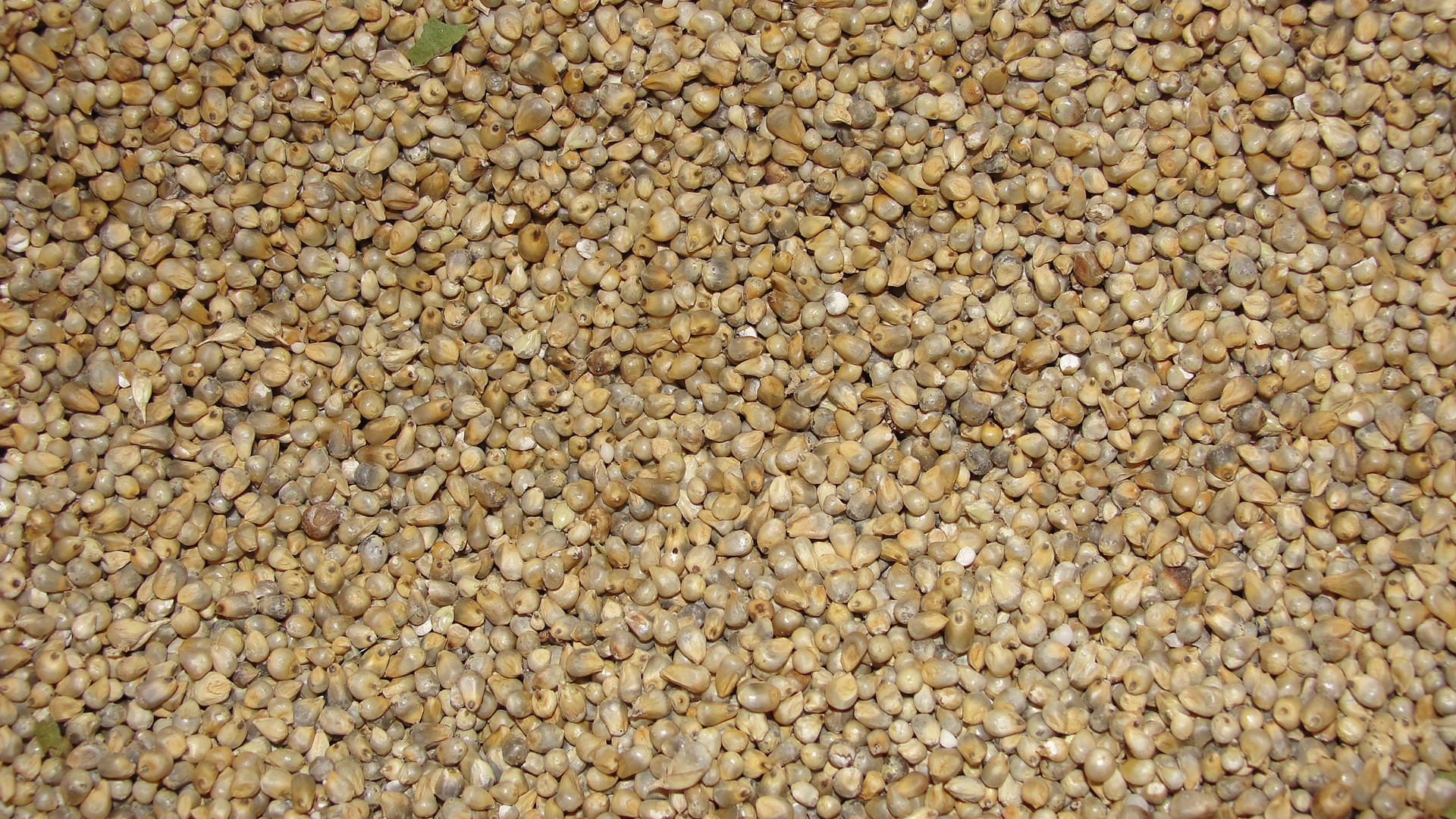
Throughout history, humans have relied heavily on grains as a staple food source. Among these grains, one ancient and often overlooked treasure stands out: millets. These small, nutrient-dense grains have been cultivated for thousands of years and have played a significant role in the diet and culture of various civilizations. As we explore the history and cultural significance of millets, we embark on a fascinating journey that sheds light on their humble beginnings and their enduring presence in our lives today.
Millets trace their origins back to ancient times when humans transitioned from a nomadic lifestyle to settled agriculture. It was during this period that they discovered the exceptional nutritional value and adaptability of millets, ultimately incorporating them into their diet and local cuisines. From Africa to Asia, millets took root in diverse cultures, adapting to unique geographic conditions and reflecting the rich tapestry of human civilizations.
As we delve deeper into the history of millets, it becomes evident that their cultural significance surpasses their mere role as a dietary staple. These grains permeate the fabric of societies, impacting various aspects of life, including religious rituals, social gatherings, and even folklore. Millets have woven themselves into the cultural heritage of communities, becoming a symbol of identity and resilience, and leaving an indelible mark on traditions that have been passed down from one generation to the next.
Over the centuries, the consumption of millets has experienced fluctuations due to changing agricultural practices, dietary preferences, and economic factors. However, the resilience of millets has allowed them to persevere, adapting to new challenges and finding their place in modern society. Today, there is a renewed interest in these ancient grains, driven by a growing awareness of their numerous health benefits, sustainability, and potential to contribute to global food security.
Understanding the historical and cultural significance of millets not only offers us a glimpse into the past but also illuminates the path towards a more sustainable future. As we navigate an ever-changing world, characterized by environmental degradation and the need for resilient food systems, millets serve as a reminder of the wisdom and adaptability of our ancestors. Exploring the roots and staying connected to the cultural heritage of millets can inspire us to seek innovative solutions to the challenges we face today and work towards a more sustainable and inclusive future.
In this article, we embark on a fascinating journey to uncover the history and cultural significance of millets. We will delve into their origins, their important role in various civilizations, and the ways in which they have sustained communities throughout history. Through this exploration, we hope to shed light on the remarkable qualities of this ancient grain and inspire a renewed appreciation for its cultural and nutritional value. Join us as we take a deep dive into the world of millets and discover the story behind these small but mighty grains.
1. Introduction
Paragraph explaining the importance of understanding the history and cultural significance of millets. Discuss the global demand for diverse and sustainable food sources, and the growing interest in ancient grains.
Explain how millets have been a staple food in many ancient civilizations for thousands of years, highlighting their resilience and adaptability to different climates and soil conditions.
2. Ancient Origins of Millets
Explore the early cultivation of millets in different regions, such as the Indus Valley civilization, China, and Africa. Discuss archaeological evidence and historical records that indicate the use of millets in early societies.
Highlight the role of millets in ancient economies, trade routes, and their dietary importance in providing essential nutrients to early human populations.
3. Nutritional Value of Millets
Detail the nutritional benefits of millets, including their high fiber content, essential minerals (iron, phosphorus, etc.), and vitamins (niacin and B vitamins). Highlight their gluten-free nature, making them suitable for individuals with gluten intolerance.
Showcase millets’ potential role in addressing malnutrition and food insecurity, especially in developing countries, due to their affordability and rich nutrient profile.
4. Millets in Traditional Cuisine
Discuss the cultural significance of millets in traditional cuisines across different regions. Mention their inclusion in a variety of dishes, such as bread, porridge, couscous, and alcoholic beverages.
Explain how millets have cultural significance in various festivals and rituals, representing fertility, prosperity, and well-being in different cultures.
5. Modern Uses of Millets
Explore the recent resurgence of millets in modern culinary trends as a result of their health benefits and contribution to sustainable agriculture. Mention their incorporation into gluten-free products, snacks, and breakfast cereals.
Highlight the growth of the millet industry, both domestically and internationally, with companies recognizing their market potential and consumers appreciating their diverse culinary uses.
6. Climate Resilience and Millet Farming
Showcase how millets can thrive in diverse climatic conditions and their ability to withstand droughts, making them an environmentally friendly alternative to water-intensive crops.
Highlight initiatives promoting millet farming as a sustainable agricultural practice that supports biodiversity, reduces greenhouse gas emissions, and enhances soil health.
7. Challenges and Opportunities
Discuss the challenges faced by millet farmers, including low profitability, lack of infrastructure, and limited market access. Explain how these challenges can be addressed through policy support, public awareness campaigns, and research and development efforts.
Present the potential opportunities for economic growth, rural livelihood improvement, and food security through the increased cultivation and consumption of millets.
8. Conclusion
Summarize the significance of millets, both historically and in modern times, emphasizing their cultural importance, nutritional value, and potential as a sustainable crop in achieving food security and climate resilience.
Encourage further exploration and promotion of millets as a crucial ingredient in global food systems, benefiting both the environment and human health.
Summary
Millets have long been a staple food source for humans, with a rich history and cultural significance. They were discovered during the transition from a nomadic to an agriculture-based lifestyle, and their nutritional value and adaptability made them a valuable addition to diets and local cuisines. Millets have become woven into the fabric of societies, impacting religious rituals, social gatherings, and folklore. Despite fluctuations in consumption over the centuries, millets have persevered and gained renewed interest today due to their health benefits, sustainability, and potential for global food security. Understanding their history and cultural significance can guide us towards a more sustainable future.
FAQ
What exactly are millets and what is their history?
Millets are a group of small-seeded grains that have been consumed by humans for thousands of years. They are classified as cereal crops and belong to the Poaceae family. Millets have a rich history, with evidence of their cultivation dating back to ancient civilizations in India, China, and Africa. These drought-tolerant crops have been traditionally grown in arid and semi-arid regions, making them a staple food source for communities in areas with limited water resources. Millets are highly nutritious, packed with vitamins, minerals, and dietary fiber, and are gluten-free, making them an excellent choice for individuals with dietary restrictions.
What is the cultural significance of millets?
Millets hold immense cultural significance for various communities around the world. They have been an integral part of the diets and culinary traditions of many ancient civilizations. Millets are often celebrated in festivals, religious ceremonies, and traditional recipes, reflecting the cultural heritage of communities who have historically relied on them as a primary food source. Furthermore, millets have been used extensively in folk medicine due to their numerous health benefits. They have been regarded as a symbol of prosperity, resilience, and sustainability, encapsulating the wisdom and traditional knowledge passed down through generations.
Are millets still relevant in today’s society?
Absolutely! Although millets experienced a decline in consumption during the last century due to the introduction of modern cereal crops and changing dietary patterns, they are regaining popularity because of their exceptional nutritional benefits and sustainable farming practices. Millets are highly adaptable and resilient to climate change, making them an ideal choice for ensuring food security in regions prone to water scarcity and extreme weather conditions. Moreover, as millets are gluten-free and have a low glycemic index, they are gaining recognition as a healthy alternative for individuals with gluten intolerance, diabetes, and those seeking to achieve a balanced diet.
How can I incorporate millets into my diet?
There are numerous ways to include millets in your diet. Millet grains can be cooked and used as a substitute for rice or wheat in various recipes including porridge, pilaf, salads, and stews. Millet flour can be used in baking bread, pancakes, and cookies, offering a nutritious twist to your usual baked goods. Additionally, millet-based products such as noodles, pasta, and snacks are becoming more readily available in many grocery stores. By experimenting with different types of millets – such as finger millet, pearl millet, or foxtail millet – and exploring diverse cuisines that traditionally incorporate millets, you can enjoy the health benefits and unique flavors of this ancient grain.