In a world dominated by fast food and processed meals, it can be a challenge to maintain a healthy diet. We are constantly bombarded with options that promise convenience but often compromise our well-being. This is where ancient grains come to our rescue. Amongst the forgotten superfoods, millets stand tall, offering a wealth of nutritional benefits and a rich history. As we strive for a healthier and more sustainable lifestyle, incorporating these ancient grains into our modern living has never been more crucial.
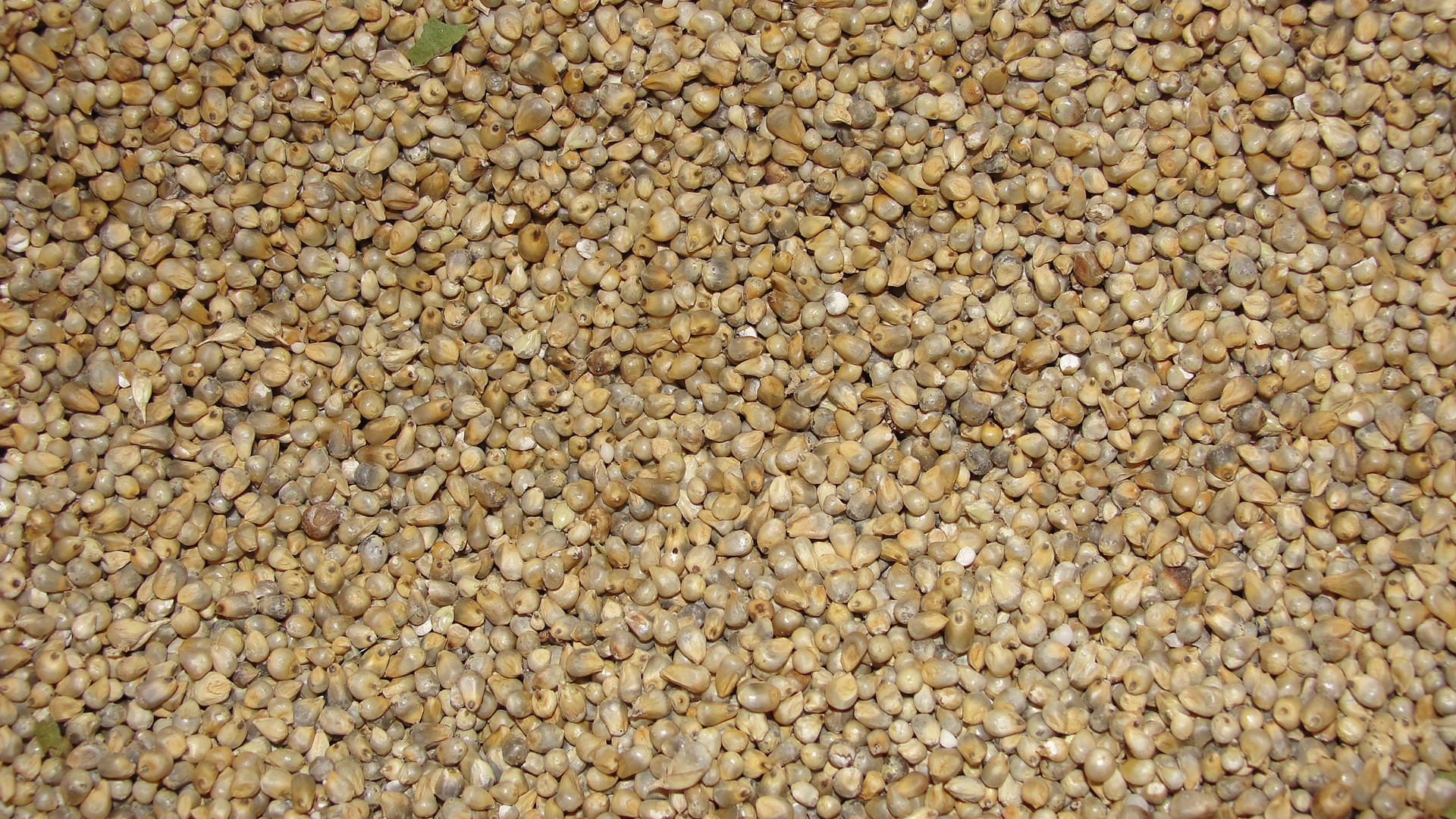
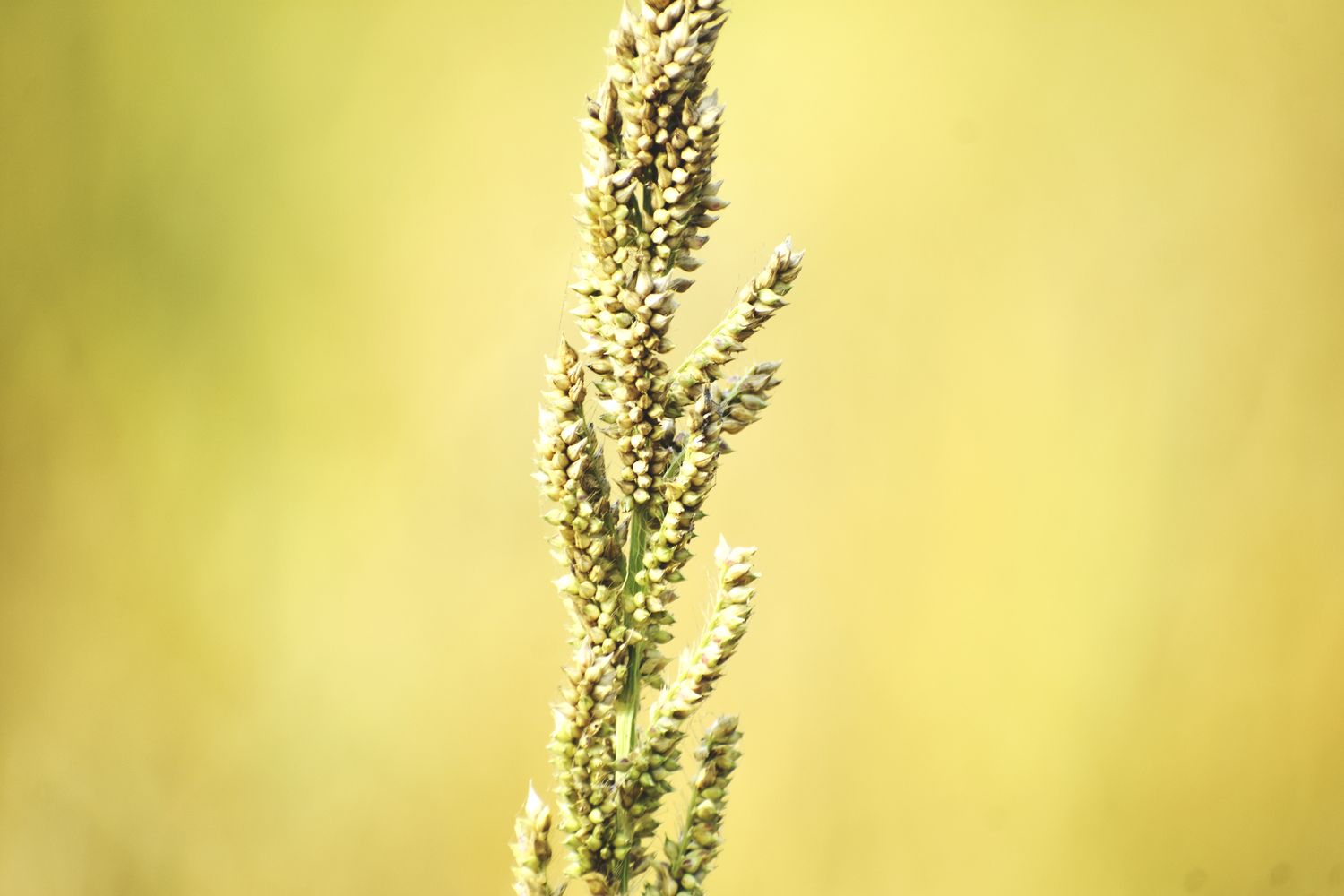
Millets, the hearty gems of the ancient world, have been a staple in human diets for thousands of years. With their gluten-free composition and high fiber content, millets have gained popularity as a healthier alternative to traditional grains. From pearl millet and foxtail millet to finger millet and barnyard millet, the diversity of choices is vast. Each variety brings its own unique taste and texture to the plate, making them versatile ingredients that can enhance any dish.
While millets may seem like a novelty to some, they have been silently influencing culinary traditions across continents. As more people rediscover the benefits of these ancient grains, they are finding creative ways to incorporate them into their daily routine. Millets can be used as a substitute for rice, quinoa, or even as a binding agent in baking. The possibilities are endless, and as we delve into the world of millets, we unlock a realm of culinary exploration.
One of the greatest advantages of millets is their exceptional nutritional profile. Packed with essential vitamins, minerals, and antioxidants, these grains offer a multitude of health benefits. They are known to regulate blood sugar levels, promote digestive health, reduce the risk of heart disease, and even aid in weight management. By incorporating millets into our diet, we not only nourish our bodies but also ensure a balanced and wholesome lifestyle.
Embracing the ancient grains doesn’t mean sacrificing flavor or enjoyment in our meals. With a little creativity, millets can transform mundane recipes into vibrant and delicious dishes. Whether it’s a warm bowl of millet porridge for breakfast, a refreshing millet salad for lunch, or a savory millet pilaf for dinner, these grains can elevate the taste and nutritional value of every meal. By experimenting with spices, herbs, and different cooking techniques, we can create culinary masterpieces that fuse the richness of the past with the convenience of the present.
Beyond personal health benefits, incorporating millets into our diet can have profound impacts on the environment. As climate change looms large, sustainable practices like millet cultivation offer a solution. These ancient grains require significantly less water and fertilizers compared to their conventional counterparts, making them a more eco-friendly choice. By embracing millets, we can contribute to the preservation of our planet and safeguard a food system that is both nutritious and sustainable.
The time has come for millets to reclaim their rightful place on our plates. These resilient grains have stood the test of time and continue to prove their worth in the modern world. With their countless nutritional benefits and culinary versatility, millets offer a pathway to a healthier, more sustainable lifestyle. So, next time you reach for that bag of refined grains, consider adding a sprinkle of ancient wisdom to your daily routine and savor the flavors of the past with every bite.
The Rising Trend of Millets in Modern Diets
With an increasing emphasis on health and sustainability, ancient grains like millets are making a remarkable comeback in modern diets. Millets, also known as coarse cereal grains, are not only packed with essential nutrients but also offer numerous benefits to the environment. Incorporating millets into your daily routine can be a game-changer for your overall well-being, and it is easier than you think.
From being gluten-free to having a low glycemic index, millets provide an excellent alternative to conventional cereals and grains. They are rich in fiber, vitamins, and minerals, making them a nutritious addition to any meal. Moreover, millets are highly versatile and can be utilized in a wide range of recipes, from bread and pancakes to salads and soups. By understanding the versatility and benefits of millets, you can pave the way for a healthier lifestyle.
Simple Ways to Incorporate Millets into Your Breakfast
Start your day on a healthy note by including millets in your breakfast routine. Millet porridge, made by cooking millets with milk or plant-based alternatives, is a wholesome and filling option that can be enhanced with fruits, nuts, and honey. Another way to incorporate millets is by mixing them with oats or muesli for a nutrient-dense breakfast bowl.
For those who prefer a quick and easy breakfast, consider millet-based granola bars or energy balls. These can be prepared in advance and enjoyed on-the-go, ensuring you kickstart your day with a boost of energy and essential nutrients.
Adding Millets into Lunch and Dinner Recipes
When it comes to incorporating millets into your lunch and dinner, the possibilities are endless. Replace rice or pasta with millets when preparing pilaf, risotto, or stir-fries. Millets have a pleasant nutty flavor that adds an interesting twist to your favorite dishes.
Additionally, millet flour can be used to make tortillas, rotis, and even pizza crust. By substituting refined flours with millet flour, you can significantly increase the nutritional value of your meals and reduce your carbohydrate intake. Don’t hesitate to experiment with different recipes and discover inventive ways to include millets in your everyday cooking.
Snack Ideas with Millets for a Mid-Day Boost
Millets are not limited to main meals alone; they can also be enjoyed as a healthy snack option. Bake crispy and flavorful millet crackers, which can be paired with dips or eaten on their own. Millet-based muffins or cookies are perfect for satisfying your sweet cravings while providing essential nutrients.
For a crunchy and savory snack, try making millet-based granola or trail mix with roasted seeds and nuts. These delicious snacks can provide sustained energy throughout the day and keep you feeling satiated.
Exploring Millet Desserts for a Healthier Indulgence
Who said desserts can’t be healthy? Millets can be seamlessly integrated into dessert recipes while adding a nutritious twist. Millet pudding, made with sweetened milk or plant-based alternatives, is a delightful and guilt-free way to satisfy your sweet tooth.
Another fantastic option is millet-based fruit crumbles or pies. The nuttiness of millets complements the natural sweetness of fruits, creating a delectable combination that is both wholesome and delicious.
Millets as a Part of a Balanced Diet for Weight Management
If you are aiming to maintain a healthy weight or manage your current weight, millets can be a valuable addition to your diet. Due to their high fiber content, millets promote a feeling of fullness, preventing overeating.
Furthermore, as millets have a lower glycemic index compared to refined grains, they help regulate blood sugar levels and keep cravings under control. By incorporating millets into your daily routine, you can support your weight management efforts without compromising on taste or nutrition.
Exploring the World of Millet-Based Beverages
While food options with millets are abundant, don’t forget about the wonders of millet-based beverages. Explore the realm of millet-based milk alternatives, such as millet milk or horchata, which offer a nutritious and dairy-free alternative to traditional milk.
Millet-based beverages can also be fermented to create probiotic-rich drinks like millet-based kefir or kvass. These beverages not only contribute to your gut health but also provide a unique and refreshing taste experience.
Summary
In a world consumed by fast food and processed meals, it can be difficult to maintain a healthy diet. Ancient grains, such as millets, are rising in popularity as a healthier alternative. Millets are gluten-free, high in fiber, and offer a range of choices such as pearl millet, foxtail millet, finger millet, and barnyard millet. They can be used as a substitute for rice or quinoa and have a variety of health benefits, such as regulating blood sugar levels and reducing the risk of heart disease. Incorporating millets into our diet not only nourishes our bodies but also supports a sustainable food system. These grains offer endless culinary possibilities, adding flavor and enjoyment to our meals. By choosing millets, we can embrace the richness of the past and contribute to a healthier, more sustainable lifestyle.
FAQ
What are millets, and why should I consider incorporating them into my daily routine?
Millets are a group of small-seeded grasses that have been cultivated for thousands of years as a staple food in many parts of the world. These grains are highly nutritious, packed with essential nutrients like protein, fibre, and vitamins. Millets are also gluten-free, making them an excellent option for individuals with gluten intolerance or celiac disease. Furthermore, millets have a low glycemic index, which means they release sugar into the bloodstream at a slower rate, supporting better blood sugar control and preventing sudden blood sugar spikes.
Incorporating millets into your daily routine can offer a range of health benefits. They provide sustained energy throughout the day, promote better digestion, and support weight management. Additionally, millets have been linked to a reduced risk of chronic conditions such as heart disease, certain types of cancer, and diabetes. By including millets in your diet, you can diversify your grain intake and enjoy the unique flavors and textures these ancient grains have to offer.
How can I include millets in my everyday meals?
Including millets in your daily routine is relatively straightforward. Millets can be used as a substitute for other grains like rice or wheat in various recipes. For a simple switch, you can replace a portion or all of the rice in your meal with millets like foxtail millet, finger millet, or pearl millet. They can be cooked just like rice by simmering with water or broth until tender.
Another great way to incorporate millets is by using flour made from millet grains. This flour can be used to make chapatis, pancakes, bread, or even cookies. You can also add millet flakes to your breakfast cereal or use them as a topping for yogurt or smoothie bowls. By experimenting with different millet varieties and recipes, you can discover exciting ways to introduce these ancient grains into your daily meals.
Are millets suitable for individuals with dietary restrictions or special diets?
Yes, millets are highly versatile and can be easily incorporated into various dietary restrictions or special diets. As mentioned earlier, millets are naturally gluten-free, making them an excellent choice for people with gluten intolerance or celiac disease. They can be used as a substitute for gluten-containing grains like wheat, barley, or rye in recipes.
Furthermore, millets are suitable for vegetarians and vegans, providing a valuable source of plant-based protein. They can be a great addition to a plant-based diet, offering essential amino acids and contributing to meeting daily protein requirements. Millets are also known to be easily digestible, making them suitable for individuals with sensitive stomachs or those who experience digestive issues. Whether you follow a gluten-free, vegetarian, or vegan diet, millets can be an excellent addition to enhance the nutritional value of your meals.
Are millets readily available in grocery stores?
In recent years, the popularity of millets has increased significantly, and they are now more readily available in grocery stores, health food shops, and even online. Depending on your location, you may find millets in the organic or international sections of your local supermarket, as well as specialty stores that focus on natural and health foods.
If you are unable to find millets in physical stores, various online platforms offer a wide selection of millet products, ranging from whole grains to flours and flakes. These online stores often provide detailed product descriptions, nutritional information, and delivery options, making it convenient to purchase millets from the comfort of your home.
To further ensure availability, it can be beneficial to inquire at your local grocery store about the possibility of stocking millets or discussing your interest in obtaining them. Their growing popularity and health benefits have made millets more accessible than ever, allowing individuals to easily incorporate these ancient grains into their daily routines.