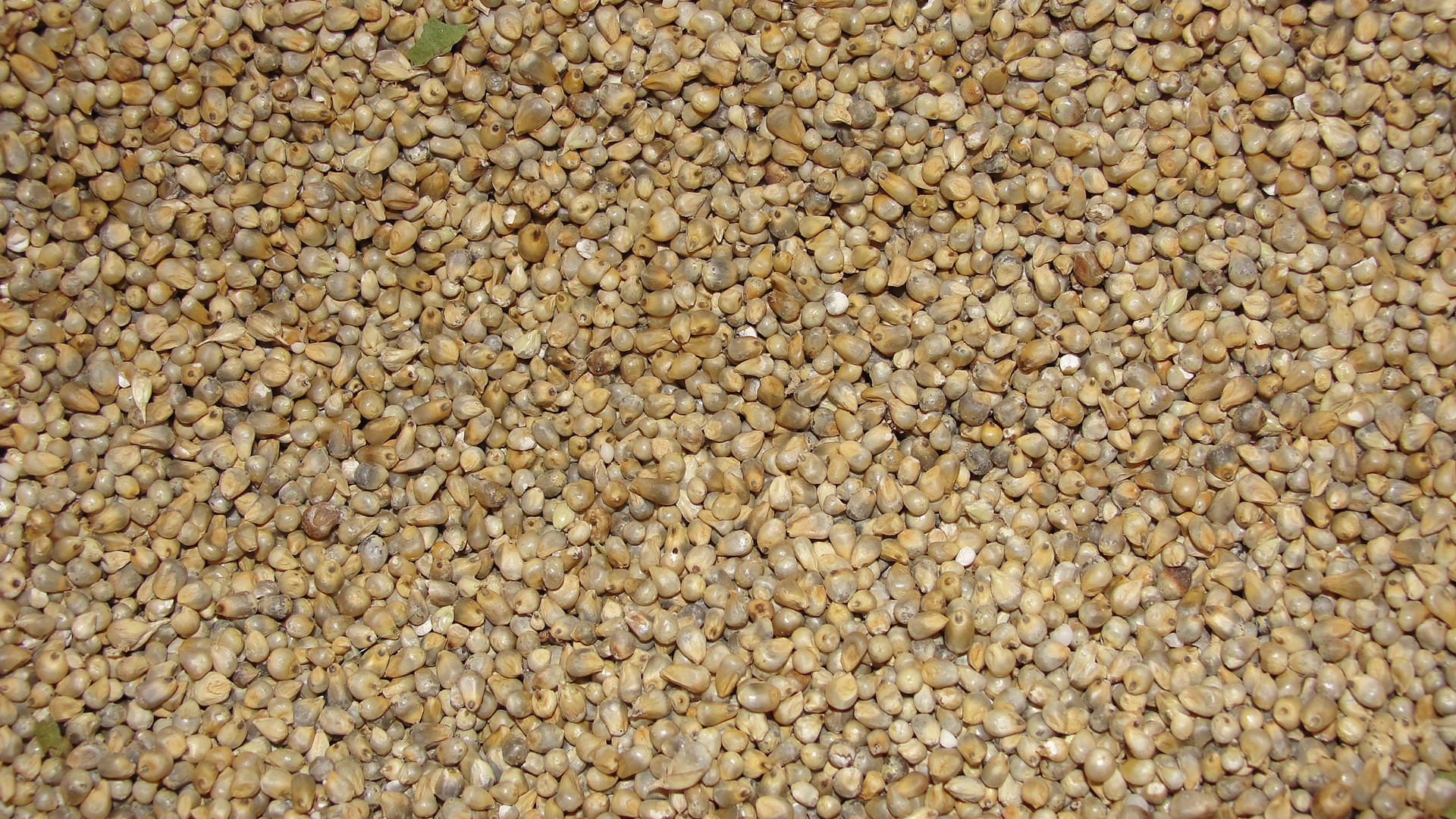

Millets have long been a staple crop for millions around the world, particularly in regions where resources are scarce. These small, gluten-free grains boast an impressive nutritional profile and have gained significant attention in recent years due to their potential health benefits. Now, emerging research suggests that millets might hold a secret weapon against a global health challenge – diabetes. With the epidemic of this chronic condition sweeping across nations, experts are turning to the low glycemic index (GI) of millets, which gives hope for improved blood sugar control and better management of diabetes. Let us delve into the world of millets and uncover the potential of this miracle grain in combating diabetes.
Diabetes is a complex metabolic disorder characterized by high blood sugar levels, often resulting from the body’s inability to produce or effectively use insulin. It affects millions worldwide, leading to various complications and increased risk of other chronic conditions. Traditional dietary approaches for diabetes management typically involve restricting carbohydrates, but this may not be sustainable in the long term. This is where millets enter the picture as a promising alternative. These ancient grains have a much lower glycemic index compared to refined grains and other staple cereals. The low GI means that millets cause a slower rise in blood sugar levels after consumption, providing a favorable environment for those with diabetes.
The unique composition of millets attributes to their low glycemic response. High in dietary fiber and complex carbohydrates, these grains are digested slowly, preventing sudden spikes in blood glucose levels. Additionally, certain millets contain phytochemicals that may enhance insulin sensitivity and regulate blood sugar. By incorporating millets into the diabetic diet, individuals can experience improved glycemic control, reduced insulin resistance, and potentially a more stable energy supply throughout the day.
Moreover, millets offer more than just blood sugar regulation. They are packed with essential nutrients such as magnesium, iron, calcium, and B-vitamins. These nutrients play crucial roles in maintaining overall health, providing energy, and supporting various bodily functions. By incorporating millets into our diets, we can not only manage diabetes but also obtain a spectrum of vital nutrients that contribute to our well-being.
While the benefits of millets for diabetes management are promising, their inclusion in the modern diet faces challenges. Due to the dominance of refined grains and changing dietary patterns, millets have been disregarded or overlooked in favor of more processed options. Raising awareness about the nutritional value and potential health benefits of millets is crucial in breaking this cycle. By embracing this ancient grain and incorporating it into our meals, we have the opportunity to rediscover a powerful ally in our fight against diabetes.
In conclusion, with diabetes posing a significant health challenge globally, exploring alternative dietary options is imperative. Millets, with their low glycemic index and abundant nutritional profile, offer a potential solution. By incorporating these small grains into our diets, we may improve blood sugar control, manage insulin resistance, and obtain essential nutrients for overall well-being. As we dig deeper into the low GI of this miracle grain and its potential impact on diabetes, the power of millets for improving health becomes increasingly apparent. So, let us embark on this journey together and unlock the potential of millets as a formidable weapon against diabetes.
1. Introduction
Millets have been gaining increasing attention in recent years due to their numerous health benefits. In particular, their low glycemic index (GI) has sparked interest among diabetic individuals and health-conscious individuals alike. This article delves into the relationship between millets and diabetes, shedding light on the potential of this miracle grain to help manage blood sugar levels effectively.
2. Understanding Diabetes and Glycemic Index
To comprehend the impact of millets on diabetes, it’s important to have a basic understanding of diabetes and glycemic index. Diabetes is a chronic condition characterized by high levels of sugar in the blood. Glycemic index, on the other hand, is a measure of how quickly carbohydrates in food raise blood sugar levels. Foods with a low GI release sugar gradually, preventing sharp spikes in blood glucose levels, which is especially beneficial for individuals with diabetes.
3. Exploring the Low GI of Millets
Millets have gained recognition as a diabetes-friendly grain due to their low glycemic index. Various types of millets, such as foxtail millet, finger millet, and pearl millet, have shown promising results in maintaining stable blood sugar levels. This section explores the reasons behind the low GI of millets, including their complex carbohydrates, high fiber content, and abundant nutrients that contribute to improved glucose metabolism.
4. Millets as a Substitute for Refined Grains
As millets possess a low glycemic index and are packed with essential nutrients, they make an excellent substitute for refined grains in diabetic diets. Refined grains, such as white rice and wheat flour, have a high GI, leading to rapid sugar release and potential complications for individuals with diabetes. Including millets in the diet can help mitigate these risks while providing a wholesome alternative packed with vitamins, minerals, and fiber.
5. Managing Blood Sugar Levels with Millets
Incorporating millets into a well-balanced diet can aid in managing blood sugar levels effectively. This section highlights various ways millets can be prepared to maximize their health benefits, such as in porridges, pilafs, and baked goods. Additionally, it explores the importance of portion control, meal planning, and the significance of regular monitoring to achieve optimum diabetes management.
6. Millets and Weight Management
Diabetes and weight management often go hand in hand. Millets, with their low glycemic index, high fiber content, and satiety-inducing properties, can play a crucial role in weight management for diabetes patients. This section discusses how millets can aid in weight loss, reduce the risk of obesity-related complications, and improve overall metabolic health.
7. Additional Health Benefits
Apart from their positive impact on diabetes, millets offer a range of additional health benefits. This section explores the grain’s potential in reducing the risk of cardiovascular diseases, aiding digestion, improving immunity, and providing essential nutrients like protein and antioxidants. These benefits make millets a valuable addition to the diet of both diabetics and non-diabetics alike.
8. Conclusion
Millets emerge as a versatile and advantageous grain, especially for individuals with diabetes. With their low glycemic index, high nutritional value, and various health benefits, they offer a healthy alternative to refined grains. As knowledge regarding the importance of a low GI diet grows, millets are likely to play an increasingly significant role in diabetes management and overall wellbeing.
Summary
Millets, small gluten-free grains, have gained attention for their potential health benefits. Emerging research suggests that millets may be an effective weapon against diabetes. Diabetes is a metabolic disorder characterized by high blood sugar levels, and traditional dietary approaches involve restricting carbohydrates. However, millets have a lower glycemic index, causing a slower rise in blood sugar levels. They also contain fiber and phytochemicals that enhance insulin sensitivity. In addition to managing diabetes, millets are rich in essential nutrients. Despite challenges in their inclusion in modern diets, raising awareness about their benefits is crucial. Incorporating millets into our meals may improve glycemic control and overall well-being.
FAQ
How do millets help in managing diabetes?
Millets are a group of ancient whole grains that have gained attention for their low glycemic index (GI), making them suitable for people with diabetes. The low GI means that the carbohydrates in millets are digested and absorbed slowly, resulting in a gradual increase in blood sugar levels compared to other grains. This slow release of glucose helps to prevent sudden spikes in blood sugar levels, which is particularly beneficial for individuals with diabetes. Millets are also high in fiber, which further slows down digestion and helps control blood sugar levels. The high fiber content in millets helps in maintaining healthy body weight, reducing the risk of developing type 2 diabetes.
Can millets provide essential nutrients while managing diabetes?
Yes, millets are not only low in glycemic index but also packed with essential nutrients, making them a great choice for individuals with diabetes. These grains are rich in dietary fiber, which aids digestion, promotes satiety, and helps maintain a healthy weight. Millets are also a good source of vitamins and minerals, including magnesium, which plays a crucial role in insulin secretion and sensitivity. Additionally, millets contain antioxidants that can help reduce the risk of chronic diseases associated with diabetes, such as cardiovascular diseases. Including millets in a well-balanced diet ensures that individuals with diabetes receive essential nutrients while managing their blood sugar levels effectively.
Can millets be included in a diabetic-friendly diet plan?
Yes, millets can be a valuable addition to a diabetic-friendly diet plan. Due to their low glycemic index, millets can support glycemic control and prevent sudden spikes in blood sugar levels. Incorporating millets into meals can provide a sustained release of glucose, keeping blood sugar levels stable. Moreover, millets offer a plethora of options for diabetic meals, including various types such as finger millet (ragi), pearl millet (bajra), foxtail millet, and sorghum. These grains can be consumed as whole grains, flour, or even in the form of porridge, upma, or rotis/breads. However, it is essential to moderate portion sizes and balance the meal with other nutrient-rich foods to ensure a well-rounded diet suitable for managing diabetes effectively.
Are there any precautions to consider when consuming millets for diabetes management?
While millets can be a healthy choice for individuals with diabetes, there are a few precautions to keep in mind. Firstly, portion control is crucial to avoid excessive carbohydrate intake, as even low glycemic index foods can raise blood sugar levels if consumed in large quantities. Secondly, it is advisable to consult a healthcare professional or a registered dietitian to determine the appropriate quantity and variety of millets to include in the diet plan based on individual dietary requirements and overall health conditions. Additionally, it’s important to note that millets may interact with certain medications used in diabetes management, so it is vital to discuss any potential interactions with the healthcare provider or pharmacist. Monitoring blood sugar levels regularly and making appropriate adjustments to the diet based on individual response is also recommended.