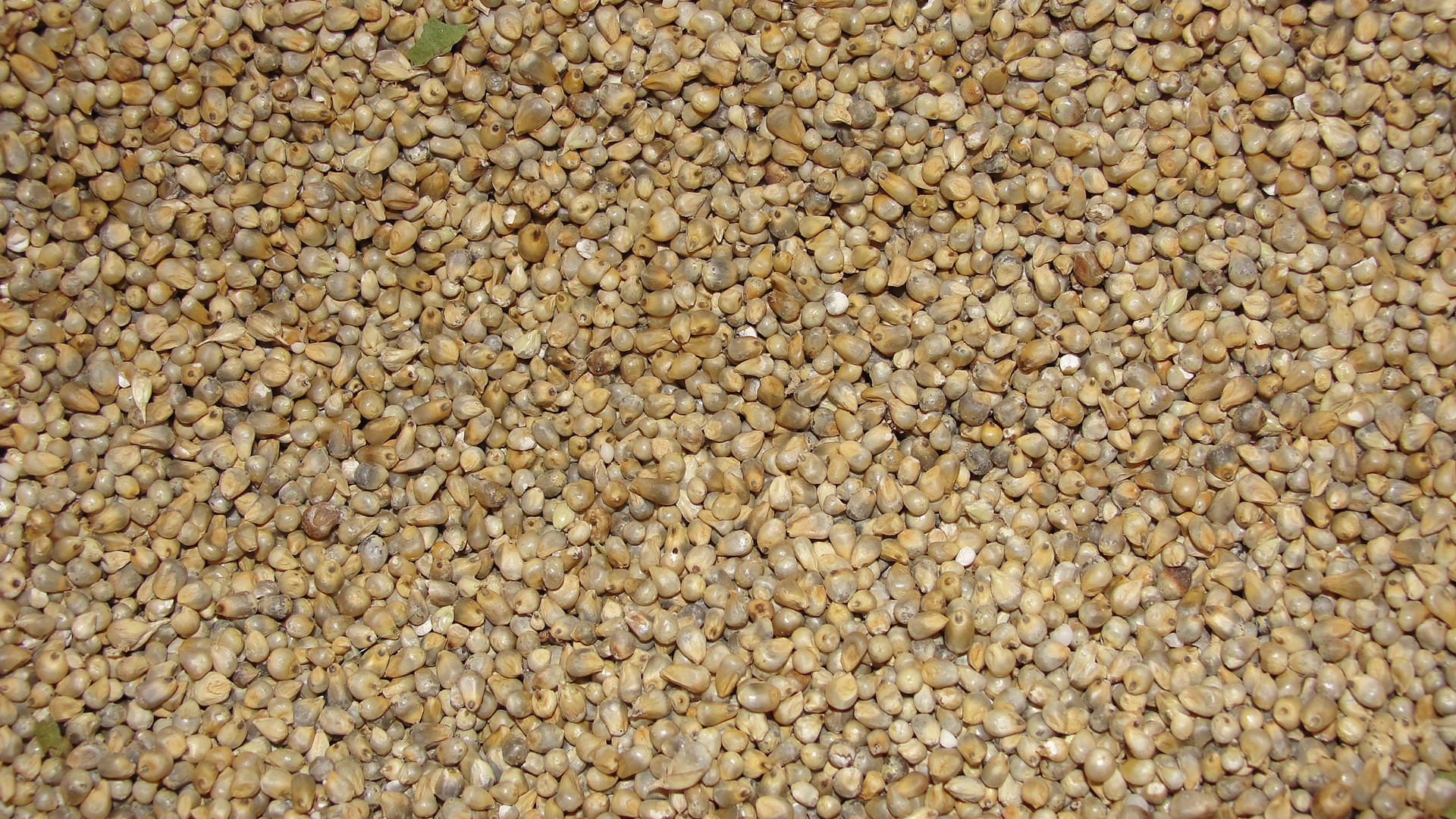
Millets: A Sustainable and Environmentally Friendly Food Choice
In today’s world, where sustainability and environmental consciousness are becoming increasingly vital, our choices in food play a significant role in protecting the planet we call home. With the exponential growth of population and the strain it puts on our resources, it becomes crucial to explore alternative food sources that are sustainable and environmentally friendly. This is where millets step in, offering a solution to global food crises and contributing to a healthier planet.
Millets, often referred to as the forgotten grains, are ancient grains that have eluded the spotlight for too long. These small-seeded grasses have been cultivated for thousands of years and constitute a staple in many countries across the world. What sets millets apart from other grains is their remarkable sustainability and low impact on the environment. Unlike resource-intensive crops like rice and wheat, millets require minimal water and flourish in arid and semi-arid regions.
The cultivation of millets requires significantly less water than conventional crops. This attribute makes them especially valuable in regions facing water scarcity or erratic rainfall patterns due to climate change. In fact, millets can be grown with just one-third of the water used for rice cultivation, easing the burden on already stressed water resources. This water-efficient property of millets directly contributes to conserving water and minimizing the strain on ecosystems.
Furthermore, millets demonstrate impressive resilience to climate change. These robust crops have a high tolerance for extreme temperatures, making them a reliable food source even in adverse conditions. As climate change continues to wreak havoc on agricultural systems, millets provide a glimmer of hope. By cultivating and consuming these ancient grains, we can build climate resilient food systems that can withstand the challenges of a rapidly changing world.
Another environmental advantage of millets is their ability to enhance biodiversity. The cultivation of millets creates a conducive habitat for a diverse range of organisms, including birds, insects, and microorganisms. The rich and varied ecosystems that thrive in millet fields contribute to overall biodiversity preservation, playing a crucial role in maintaining the delicate balance of our planet.
Beyond their incredible impact on the environment, millets offer a plethora of health benefits. Packed with essential nutrients like dietary fiber, vitamins, and minerals, these grains promote overall well-being. Millets have a low glycemic index, making them an excellent choice for individuals with diabetes or those seeking to maintain stable blood sugar levels. Additionally, they are gluten-free, making them suitable for those with gluten intolerance or celiac disease.
With their abundance of positive traits, it is high time that millets gain the recognition they deserve. The transformation of our food choices toward sustainable options like millets can pave the way for a greener and healthier future. By embracing these ancient grains and incorporating them into our diets, we can make a significant contribution to sustainable agriculture, mitigate climate change impacts, and safeguard the environment for generations to come. It’s time we all take a step towards a more sustainable and environmentally friendly food choice – let’s make millets a part of our daily lives.
1. Introduction
Millets, often referred to as ancient grains, have gained significant attention in recent years due to their numerous health benefits and their positive impact on the environment. These small-seeded grasses have been cultivated for thousands of years and are known for their resilience to harsh weather conditions and minimal need for water and chemical inputs. Millets are a versatile food source that not only contribute to personal well-being but also promote sustainable agricultural practices and biodiversity conservation.
[Further discuss the relevance of millets in the current context, increasing popularity, and introduce the main objectives of the article.]
2. Nutritional Value of Millets
Millets are packed with nutrients and offer a range of health benefits. These grains are rich in dietary fiber, vitamins (such as niacin, thiamin, riboflavin), and essential minerals (including iron, magnesium, and phosphorus). Additionally, millets are gluten-free, making them an excellent choice for individuals with gluten sensitivity or celiac disease. The high fiber content in millets aids in digestion, helps regulate blood sugar levels, and reduces the risk of various chronic diseases like diabetes and cardiovascular ailments.
[Expand further on the nutritional value, discuss specific health benefits, and provide supporting evidence from studies if available.]
3. Climate Resilience and Reduced Environmental Impact
One of the most remarkable characteristics of millets is their exceptional resilience to climate variability and their ability to thrive in diverse agro-ecological systems. Unlike conventional high-input crops, millets require very little water, making them suitable for arid and drought-prone regions. The cultivation of millets requires minimal or no synthetic fertilizers and pesticides, further reducing their environmental impact. By choosing millets as a staple food, we can promote water conservation, reduce greenhouse gas emissions, and minimize chemical pollution, contributing to a more sustainable and eco-friendly food system.
[Elaborate on how millet cultivation can positively impact water usage, climate change mitigation, biodiversity conservation, and relevant case studies if available.]
4. Supporting Smallholder Farmers and Rural Livelihoods
Millets have significant economic importance for smallholder farmers, especially in developing countries. These crops have relatively low cultivation costs, need minimal inputs, and can be grown on marginal lands. By promoting millet production and consumption, we can empower local farmers, enhance food security, and improve rural livelihoods. Additionally, since millets are often intercropped with legumes and other crops, they contribute to crop diversification, thereby enhancing the resilience and flexibility of small-scale farming systems.
[Provide examples highlighting the socioeconomic impact of millet farming, the potential for income generation, and potential challenges or obstacles faced by smallholder farmers.]
5. Cultural Heritage and Culinary Versatility
Millets have been an integral part of various culinary traditions and cultural practices worldwide. They are widely used in traditional recipes and offer diverse culinary applications. Millets can be cooked as grains, milled into flour, or used in the production of porridges, snacks, and beverages. By incorporating millets into our diets, we not only preserve cultural heritage but also enjoy their unique flavors and textures. Moreover, their versatility in cooking makes them an excellent addition to catering to the evolving preferences of modern consumers.
[Explore the cultural significance of millets across different regions, highlight traditional recipes, and discuss their integration into contemporary cuisine.]
6. Promoting Food Security and Resilience
In a world facing food insecurity and climate change challenges, millets offer a potential solution for ensuring food security and building resilient agricultural systems. Due to their ability to grow in diverse environments, millets can serve as a reliable and sustainable food source even under adverse conditions. The drought-resistant nature of millets helps farmers maintain a stable income and reduces the vulnerability of communities to famine or crop failure. The conservation and promotion of millet-based farming systems can contribute to long-term food security for both rural and urban populations.
[Provide evidence of how millets have played a role in food security initiatives, their inclusion in government policies, and successful case studies.]
7. Overcoming Challenges and Promoting Consumption
While millets offer tremendous benefits, various challenges hinder their widespread consumption. These challenges include limited awareness among consumers, inadequate market infrastructure, and the need for improved processing techniques. To overcome these obstacles, it is crucial to raise awareness about the nutritional and environmental advantages of millets. Moreover, investments in research, technology, and infrastructure are vital to enhance millet production, processing, and distribution. By creating market incentives, promoting culinary innovation, and strengthening policy support, we can increase the accessibility and consumption of millets on a global scale.
[Discuss the challenges faced in promoting millet consumption and provide potential solutions, highlighting successful initiatives or policies implemented.]
8. Conclusion
Millets are not only nutritious and delicious but also promote sustainable agriculture, environmental conservation, and inclusive rural development. By recognizing the immense potential of millets as a sustainable and environmentally friendly food choice, we can work towards building a resilient food system that ensures the well-being of both present and future generations. By incorporating millets into our diet, we contribute to a healthier planet and support the livelihoods of smallholder farmers, while also enjoying the culinary diversity offered by these remarkable ancient grains.
Summary
Millets are a sustainable and environmentally friendly food choice that can play a significant role in protecting the planet. These ancient grains have remarkable sustainability and require minimal water to grow, making them valuable in water-scarce regions. Millets are also resilient to climate change and can enhance biodiversity, creating a diverse habitat for organisms. In addition to their environmental advantages, millets offer various health benefits and are suitable for individuals with diabetes or gluten intolerance. By embracing millets, we can contribute to sustainable agriculture, mitigate climate change impacts, and create a greener future. It’s time to make millets part of our daily lives.
FAQ
What are millets and why are they considered a sustainable and environmentally friendly food choice?
Millets are a group of small-seeded grains that have been cultivated and consumed for thousands of years around the world. They include crops such as pearl millet, finger millet, sorghum, and foxtail millet. Millets have gained attention as a sustainable and environmentally friendly food choice for several reasons. First, millets are highly resilient crops that require minimal water and survive well in harsh climates, making them suitable for regions facing water scarcity and climate change challenges. They have a shorter growing cycle and can be grown in a variety of soils, reducing the need for synthetic fertilizers and pesticides. Moreover, millets have a low carbon and water footprint compared to other grains like rice and wheat, making their cultivation less resource-intensive.
Furthermore, millets also promote biodiversity as they can grow alongside other crops instead of replacing them, maintaining a balanced agro-ecosystem. Their cultivation does not require extensive land clearance, thereby protecting natural habitats and reducing the risk of deforestation. Additionally, millets are less likely to be genetically modified, preserving natural genetic diversity and reducing the dependency on hybrid or genetically modified seeds. Overall, millets offer a sustainable and environmentally friendly food choice that can contribute to a more resilient and climate-friendly agricultural system.
Are millets nutritious and suitable for a balanced diet?
Yes, millets are highly nutritious and can be an excellent addition to a balanced diet. They are rich in essential nutrients such as fiber, protein, vitamins (including B-complex vitamins), and minerals like iron, calcium, and magnesium. Millets are gluten-free, making them a suitable option for individuals with gluten sensitivities or celiac disease. Their high fiber content aids digestion, promotes a feeling of fullness, and helps regulate blood sugar levels, making them beneficial for managing diabetes and supporting weight management. The presence of phytochemicals and antioxidants in millets also contributes to their health benefits by reducing inflammation and supporting a strong immune system.
Furthermore, millets have a low glycemic index, meaning they have a slower, steadier impact on blood sugar levels compared to refined grains. This makes them a healthier choice for individuals with diabetes and can help improve insulin sensitivity. Millets can be consumed in various forms, such as flour, flakes, or as whole grains, and can be incorporated into a wide range of dishes, including bread, porridge, salads, and desserts. They offer a versatile and nutritionally dense alternative to traditional grains, making them an excellent choice for a balanced diet.
Are millets easily accessible in the market?
Millets have gained significant attention in recent years and are increasingly being recognized for their nutritional value and environmental benefits. As a result, the availability of millets in the market has improved in many regions. While historically millets may have been restricted to specific geographic areas or consumed mainly by certain cultures, their demand has started to extend beyond traditional consumers. Millets can now be found in various health food stores, specialty stores, organic markets, and even some mainstream supermarkets.
In addition, numerous online platforms and e-commerce websites provide easy access to a wide variety of millets, allowing individuals to explore and purchase them conveniently. It is worth noting that the accessibility of millets may vary depending on the location and the region’s dietary preferences. However, thanks to their growing recognition and the increasing demand for sustainable and nutritious food choices, millets are becoming more accessible in many parts of the world, providing an opportunity for individuals to diversify their diets and support sustainable food systems.
How can I incorporate millets into my diet, and what are some popular millet-based recipes?
Incorporating millets into your diet can be a creative and enjoyable process. Millets can be used as a replacement for rice, wheat, or other grains in various dishes. For example, you can cook millet grains separately and use them as a base for salads, stir-fry, or side dishes. Millet flour can be used to make bread, pancakes, or cookies, adding a nutty and slightly sweet flavor. Millet flakes are a great option for making porridge or adding to breakfast cereals. Moreover, millet can be ground into flour and used in combination with other flours to make nutritious gluten-free baked goods.
Popular millet-based recipes include millet pilaf, millet biryani, millet porridge, millet pancakes, and millet salads. With their nutty flavor, millets pair well with various vegetables, spices, and herbs. They can be seasoned and spiced according to individual preferences, making them versatile and adaptable to different culinary traditions. Exploring millet-based recipes can not only introduce you to new flavors and textures but also contribute to a more sustainable and environmentally friendly food choice.