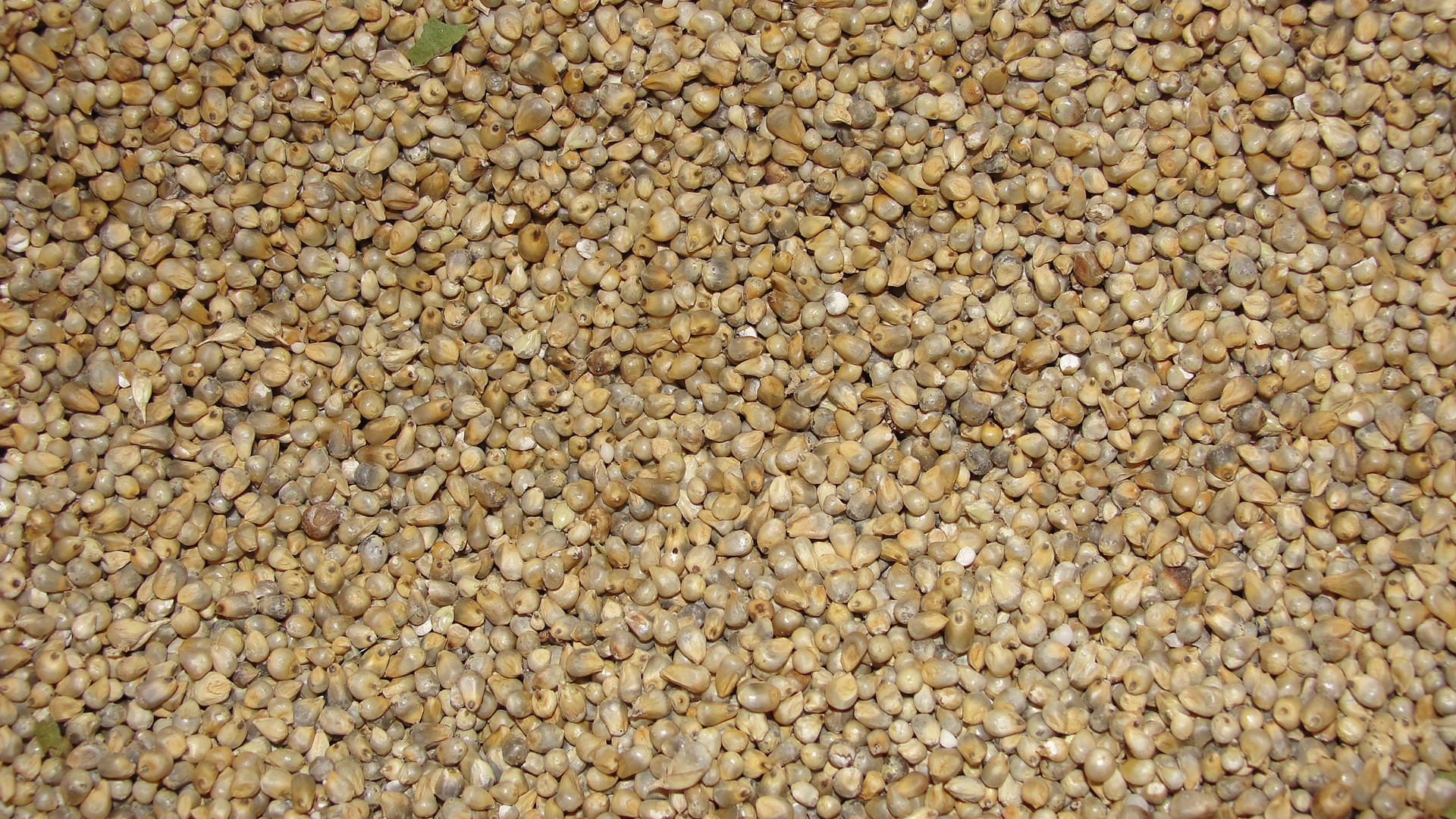

Millets are small-seeded grasses widely cultivated as staple food crops in many regions of the world. They are an important source of nutrition for many people, especially in developing countries. However, millets are not well-known in most Western countries where wheat, rice, and corn are the dominant staples. Despite being among the oldest grains cultivated by humans, millets have gained popularity only recently due to their multiple health benefits.
The journey of millets from farm to table is an interesting one. These tiny grains are grown in fields, harvested, processed, and transported to various parts of the world. They are then cooked, baked, or roasted into delicious dishes that are enjoyed by people of all ages. However, the journey of millets is not just about their physical transportation but also encompasses their significance in human history and their role in sustainable agriculture.
Millets are a drought-tolerant crop that has been grown for thousands of years in many parts of Asia and Africa. They are resistant to pests and can thrive in poor soil conditions, making them an ideal crop for small-scale farmers. Millets are also naturally gluten-free and have a low glycemic index, making them suitable for people with celiac disease, diabetes, or those who want to maintain healthy blood sugar levels. Due to these nutritional benefits, millets are now gaining attention in the Western world as a superfood.
The journey of millets from farm to table is not without challenges. One of the main challenges is the lack of awareness about millets among consumers in developed countries. This has led to a lower demand and lower prices for millets, which can make it difficult for farmers to make a living. There is also a lack of research and development in the millet sector, meaning that new varieties of millets are not as readily available as other crops.
Despite these challenges, the future of millets looks bright. Their multiple health benefits, sustainability, and resilience make them an attractive crop for both farmers and consumers. Additionally, governments and international organizations are recognizing the potential of millets to improve food security and promote sustainable agriculture. With increased awareness and support, the journey of millets from farm to table can become a more sustainable and equitable one.
Introduction
Introduce the concept of millets being a healthy and sustainable food option, and highlight the growing trend of including millets in diets around the world.
Discuss the origins of millets and the historical significance of these cereal grains for food security and nutrition.
Production and Processing
Explain how millets are grown and the benefits of their cultivation – such as water efficiency, lower carbon footprint and better soil health management.
Describe the different types of millets and the processing methods, highlighting how these ancient grains retain more nutrients than refined grains.
Health Benefits
Showcase the nutritional profile of millets, including their high fibre and protein content, and their role in managing chronic diseases like diabetes, heart disease and obesity.
Discuss how millets can also provide anti-inflammatory and gut-healing benefits, as well as boost immunity and mental health.
Millets in the Kitchen
Provide ideas for incorporating millets into everyday meals – such as using millet flour for baking, or cooking millet porridge for breakfast.
Highlight the versatility of millets in vegetarian and vegan dishes, as well as their potential to complement meat and fish dishes.
Millets in the Market
Discuss the growing demand for millets in the food industry, including their use in snack foods, beverages and meal replacements.
Profile companies and organizations that are working to promote millets as a sustainable and healthy food choice.
Sustainability Benefits
Explain the environmental benefits of millets, compared to other cereal crops. Highlight the growing awareness of such benefits, and their potential to drive demand for millets.
Call attention to initiatives around the world that are promoting millet agriculture, and how such initiatives could contribute to sustainable agriculture practices.
Cultural Significance
Highlight the cultural significance of millets, especially in regions where these grains are a staple food.
Showcase how millets are an important part of local cuisines and how they are celebrated through food festivals, farming rituals and other cultural events.
Conclusion
Summarize the benefits of including millets in one’s diet, and the ways in which they can contribute to sustainable agriculture.
End with a call to action to promote and support millet farming, from the farm to the table, for a healthier planet and people.
Summary
Millets, small-seeded grasses widely cultivated as staple food crops, are gaining popularity due to their multiple health benefits, though they are not well-known in most Western countries, where wheat, rice, and corn are the dominant staples. Millets are grown in fields, harvested, processed, and transported to various parts of the world, making them one of the oldest grains cultivated by humans. Millets are drought-tolerant crops, resistant to pests and can thrive in poor soil conditions, making them ideal for small-scale farmers. However, one of the main challenges is the lack of awareness about millets among consumers in developed countries.
FAQ
What are millets and where do they come from?
Millets are a group of highly nutritious and versatile grains that have been grown and consumed by humans for thousands of years. They are mainly cultivated in semi-arid regions of Africa and Asia, and have been a staple food of many indigenous communities in these regions. Millets can be tiny, round, or elliptical in shape, and can range in color from white and yellow to brown and purple. Some of the most common types of millets include pearl millet, foxtail millet, finger millet, and sorghum.
What are the benefits of millets and why are they gaining popularity?
Millets are highly nutritious, gluten-free, and low in calories, making them an ideal food for people looking to maintain a healthy and balanced diet. They are rich in fiber, antioxidants, vitamins, and minerals that are essential for good health. Millets also have a low glycemic index, which means they release energy slowly, keeping you feeling fuller for longer periods of time. Moreover, millets are easy to cook, versatile, and have a delicious nutty flavor that can enhance any dish.
What is the journey of millets from farm to table?
The journey of millets from farm to table involves several stages of processing and distribution. After harvest, millets are usually threshed, cleaned, and milled to remove the husk and any other impurities. They are then packaged and transported to various distribution channels, including wholesalers, retailers, and food manufacturers. Millets can be used in a variety of dishes, such as porridge, bread, soup, and even desserts. They are also used to make flour, which can be used as a substitute for wheat flour in many recipes.
How can millets be incorporated into a healthy diet?
Millets can be incorporated into a healthy diet in many ways. They can be used as a substitute for rice or pasta in many dishes, such as salads, stir-fries, and casseroles. Millet flour can also be used as a substitute for wheat flour in baking recipes. Adding millets to soups and stews can also enhance their flavor and nutritional value. In order to get the most out of millets, it is important to ensure that they are cooked properly and paired with other nutritious foods such as vegetables, lean protein, and healthy fats.