FAQ
Millet, an ancient grain widely known for its versatility and nutritional benefits, has been gaining popularity in recent years as a staple ingredient in many household kitchens. With its high fiber content, low glycemic index, and numerous essential nutrients, millet is an excellent choice for those seeking to adopt a healthier and more balanced diet. Embracing a millet-based lifestyle not only brings forth a wide range of culinary possibilities but also helps improve overall well-being. In this guide, we will explore the many facets of millet-based eating, from its origins and nutritional value to creative recipes that will make incorporating millet into your daily routine a breeze. So, join us as we delve into the world of millet and discover a path to healthier eating.
Originating from ancient civilizations like China, Africa, and India, millet has been consumed as a staple grain for thousands of years. Its versatility made it a reliable commodity, particularly in regions where other grains struggled to thrive. Today, millet offers a rich history that fascinates both culinary enthusiasts and health-conscious individuals alike. Beyond its historical significance, millet is also celebrated for its nutritional profile. Packed with fiber, B vitamins, magnesium, and essential amino acids, this humble grain provides a plethora of health benefits. From aiding digestion to supporting heart health, embracing a millet-based lifestyle can be a transformative step towards a healthier you.
One of the remarkable characteristics of millet is its ability to adapt to a variety of cuisines and palates. Embarking on a millet-based lifestyle means exploring a world of diverse flavors and textures. Whether you enjoy hearty bowls of millet porridge for breakfast, savory millet pilaf for lunch, or even indulgent millet muffins for an afternoon snack, there is a millet-based recipe to satisfy every craving. The ease of cooking and the wide availability of millet grains make it accessible to both novice and experienced cooks, encouraging culinary creativity and experimentation.
As more people embrace millet as a key ingredient in their diet, its positive impact on health and the environment becomes increasingly evident. Unlike some other staple grains, millet requires fewer natural resources to grow, making it an environmentally friendly option. Additionally, millet cultivation promotes biodiversity by providing habitat and food for birds, insects, and other wildlife. By choosing millet, you are not only nourishing your body but also supporting sustainable farming practices.
Living a millet-based lifestyle doesn’t mean sacrificing taste or indulgence. On the contrary, it opens up a world of delicious possibilities. From millet-based pizza crusts and burgers to decadent millet-based desserts, there is no shortage of mouthwatering treats to explore. Whether you are a vegan, vegetarian, or a meat lover, millet is a versatile grain that effortlessly integrates into various culinary traditions. With a bit of creativity and a willingness to explore new flavors, millet can elevate your meals to new heights, making healthy eating an enjoyable and satisfying experience.
In this guide, we will also provide tips on sourcing and storing millet, as well as suggestions for incorporating this wholesome grain into a diverse range of meals. Whether you are transitioning to a fully millet-based diet or simply looking to incorporate it into your existing repertoire, our aim is to equip you with the knowledge and inspiration needed to embrace a millet-based lifestyle fully. So, get ready to embark on a flavorful journey as we discover the countless benefits of adopting a millet-based approach to healthier eating.
In conclusion, millet is a remarkable grain that not only boasts a rich history but also offers an array of health benefits. By embracing a millet-based lifestyle, you open doors to a world of culinary delights while contributing to a more sustainable future. From its origins as a reliable staple grain to its adaptability in a range of cuisines, millet proves itself to be more than just a passing trend. So, buckle up and get ready to embark on a millet-filled adventure towards a healthier and happier you. Let’s dive in!
The Rise of Millets
Millets, a group of highly nutritious ancient grains, have gained popularity in recent years due to their numerous health benefits. These small-seeded cereal crops have been cultivated for thousands of years and are known to be rich in essential nutrients, dietary fiber, and antioxidants. Embracing a millet-based lifestyle not only offers a healthier eating choice but also supports sustainable agriculture and environmental conservation.
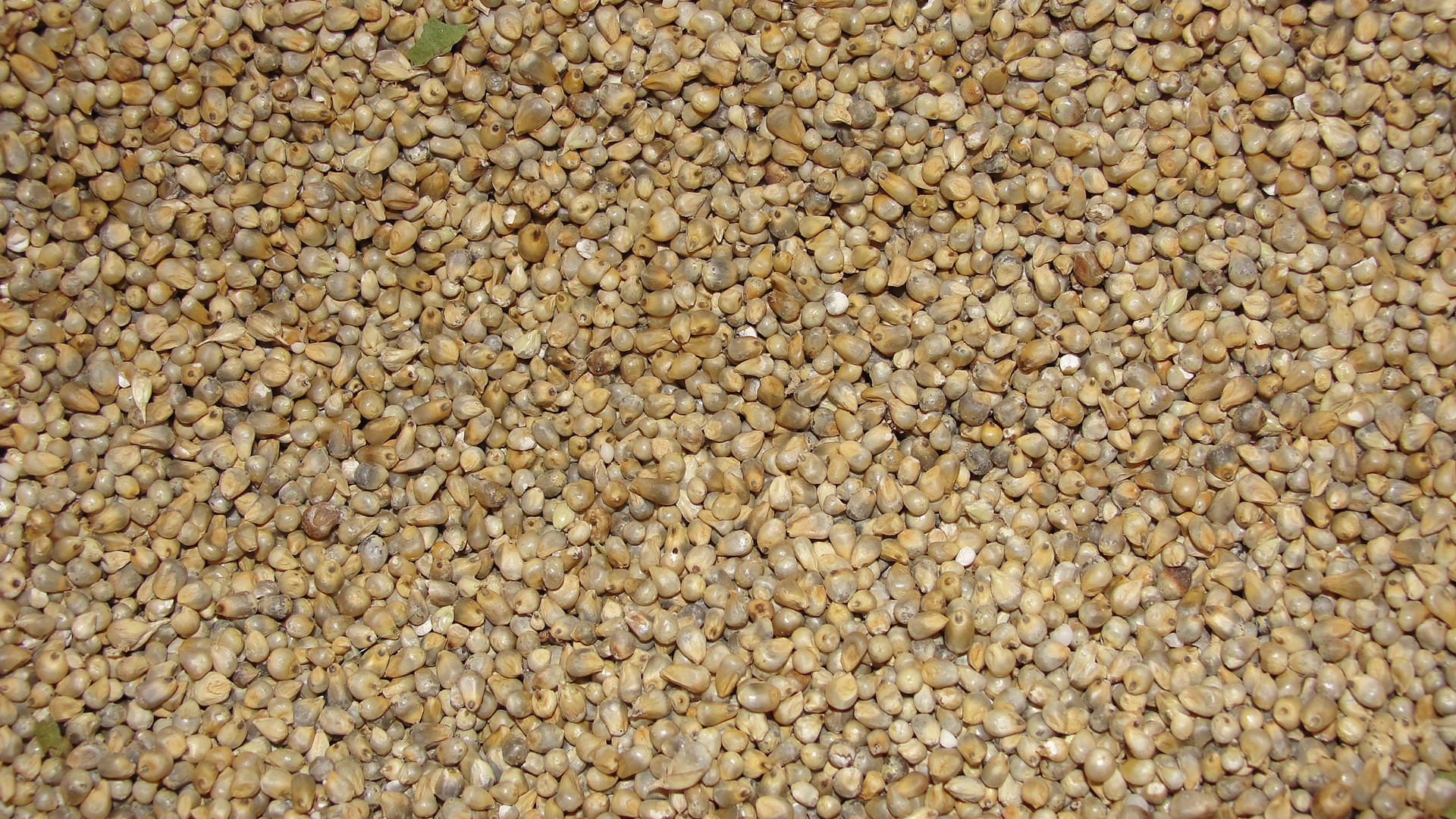
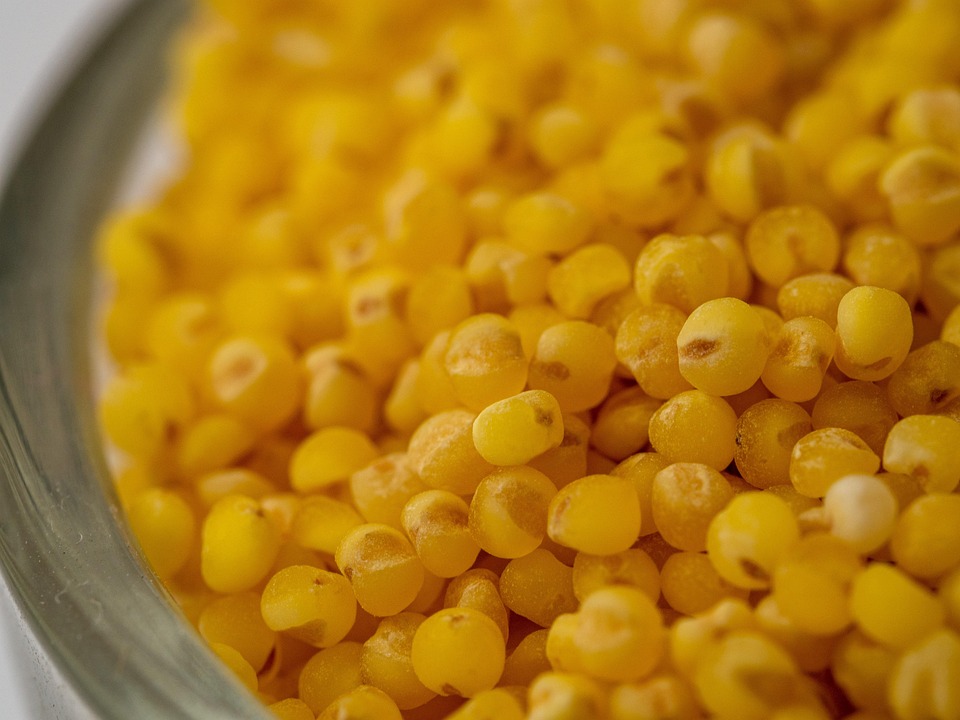
Millets come in various varieties, such as pearl millet, finger millet, sorghum, and foxtail millet, each with its distinct flavors and textures. Incorporating these versatile grains into your diet can lead to improved digestion, reduced risk of chronic diseases, and enhanced overall wellbeing. Let’s explore the key reasons why embracing a millet-based lifestyle is worth considering.
Advantages of Millet-Based Eating
1. Nutritional Powerhouses:
Millets contain a wide range of essential nutrients, including iron, magnesium, potassium, and B-vitamins. These grains are gluten-free and have a low glycemic index, making them suitable for individuals with specific dietary restrictions or those aiming for weight management.
2. Enhanced Digestion:
Millets are packed with dietary fiber, which plays a vital role in maintaining healthy digestion. Fibrous food helps prevent constipation, aids in regulating bowel movements, and promotes a healthy gut microbiome.
Easy Ways to Include Millets in Your Diet
1. Millet Porridge:
Start your day with a warm and nutritious millet porridge. Combine cooked millets with your favorite spices, fruits, and nuts to create a delectable and filling breakfast option.
2. Millet Salads:
Add cooked millets to vibrant salads for a wholesome and satisfying meal. Mix them with fresh vegetables, herbs, and a tangy dressing to elevate the flavors and textures.
Millet-Based Recipes to Try
1. Millet Pilaf:
Prepare a flavorful millet pilaf by sautéing cooked millets with aromatic spices, mixed vegetables, and a splash of lemon juice. This hearty dish will surely become a family favorite.
2. Millet Energy Bars:
Create nutritious and energizing millet energy bars by combining cooked millets, nuts, seeds, dried fruits, and a natural sweetener like honey or maple syrup. These grab-and-go bars are perfect for a quick and wholesome snack.
Conclusion
Embracing a millet-based lifestyle is not only an excellent choice for personal health but also for the environment and a sustainable future. With their incredible nutritional profile and culinary versatility, millets offer endless possibilities to create delicious and nutritious meals. So, why not start incorporating millet-based recipes into your diet and experience the benefits firsthand?
Summary
Millet, an ancient grain, is gaining popularity as a staple ingredient in households due to its versatility and nutritional benefits. It has a high fiber content, low glycemic index, and numerous essential nutrients, making it an excellent choice for a healthier diet. Millet has a rich history and is celebrated for its nutritional profile, providing benefits such as aiding digestion and supporting heart health. It can be used in a variety of cuisines, offering diverse flavors and textures. Millet cultivation is environmentally friendly and supports sustainable farming practices. With creativity, millet can be incorporated into various meals, including indulgent desserts. Tips for sourcing, storing, and incorporating millet into meals are provided in this guide. Embracing a millet-based lifestyle not only brings delicious possibilities but also contributes to a more sustainable future.
Why should I consider embracing a millet-based lifestyle?
Embracing a millet-based lifestyle can offer numerous health benefits. Millet is rich in essential nutrients like fiber, protein, vitamins, and minerals, making it a nutritious addition to your diet. Its high fiber content aids digestion, helps regulate blood sugar levels, and promotes satiety, making it beneficial for weight management. Millet is also gluten-free, making it a suitable alternative for those with gluten sensitivities or celiac disease. Additionally, millet is known for its antioxidant properties and can contribute to reducing the risk of chronic diseases such as heart disease, diabetes, and certain types of cancer. By incorporating millet into your meals, you are not only nourishing your body but also promoting a healthier lifestyle.
How can I start incorporating millet into my daily diet?
Incorporating millet into your daily diet is easy and versatile. You can start by substituting millet flour for wheat flour in baking recipes or incorporating cooked millet into salads, soups, or stir-fries. Start by trying simple recipes such as millet porridge or a millet-based salad packed with fresh vegetables, herbs, and a flavorful dressing. Millet can also be used as a substitute for rice or quinoa in various dishes. Experiment with different cooking methods, such as boiling, steaming, or sautéing, to find your preferred texture and flavor. By gradually introducing millet into your meals, you can enjoy the health benefits of this nutritious grain while discovering new, delicious recipes.
Is millet suitable for those with dietary restrictions or allergies?
Yes, millet is suitable for people with various dietary restrictions or allergies. Millet is naturally gluten-free, making it a suitable option for individuals with gluten sensitivities or celiac disease. It is also considered a low-allergenic food, meaning it is less likely to cause allergic reactions compared to other grains such as wheat or oats. However, if you have specific food allergies or sensitivities, it’s always important to read labels carefully and ensure that the millet product you are consuming is not processed in a facility that may contaminate it with allergens. As with any new ingredient, it’s recommended to consult with a healthcare professional or registered dietitian before making significant changes to your diet.
Can I use millet as a complete replacement for other grains?
While millet can be a healthy addition to your diet, it’s generally not advisable to completely replace other grains with millet. Variety is key when it comes to a balanced diet. Other grains like rice, quinoa, and oats also provide essential nutrients that differ from those found in millet. For a well-rounded approach to healthier eating, aim to incorporate a variety of whole grains into your meals. This can ensure that you obtain all the necessary nutrients your body needs to function optimally. Millet can be a nutritious alternative or addition to other grains in your diet, allowing you to enjoy a wide range of flavors, textures, and nutritional benefits.