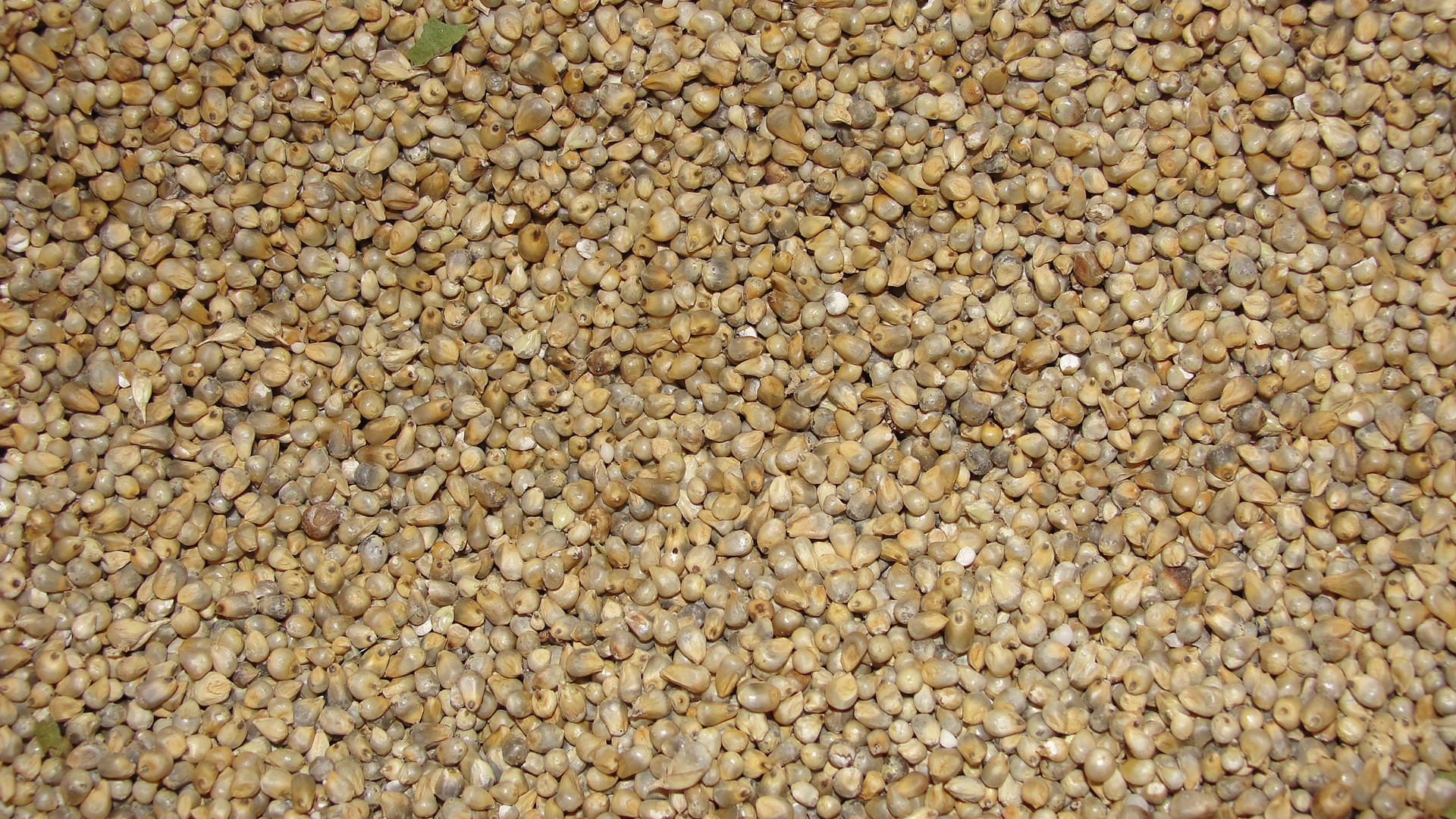
Embracing a healthy lifestyle is a priority for many individuals in today’s fast-paced world. With an increasing focus on nutrition and well-being, people are constantly on the lookout for natural, wholesome foods that can contribute to their overall health. Enter millets, the ancient grains that have been making a remarkable comeback. In this ultimate guide, we will explore the numerous benefits of incorporating millets into your diet, and how they can help you achieve and maintain a healthy lifestyle.
Millets, often referred to as “super grains,” have stood the test of time, with a history dating back thousands of years. These small-seeded, hardy crops were once a staple in many cultures, providing sustenance and nourishment. Now, millets are experiencing a resurgence due to their rich nutritional value, versatile nature, and ability to thrive in arid conditions where other grains struggle. By reintroducing millets into our diets, we not only tap into a rich cultural heritage but also nourish our bodies with a powerhouse of nutrients.
One of the most remarkable aspects of millets is their diverse nutritional profile. These remarkable grains are packed with essential vitamins, minerals, and dietary fiber, making them a wholesome addition to any meal. From promoting digestive health to boosting overall immunity, millets offer a myriad of health benefits. They are known to regulate blood sugar levels, reduce the risk of heart disease, and even assist in weight management. With their low glycemic index, millets provide sustained energy release, keeping you fuller for longer and curbing those unwanted food cravings.
Additionally, millets are naturally gluten-free, making them an excellent choice for individuals with gluten sensitivities or those who choose to follow a gluten-free diet. These grains are also rich in antioxidants, which help combat free radicals and protect our bodies against various diseases. Whether you’re looking to manage a specific health condition or simply enhance your overall well-being, millets act as a nutritional powerhouse that can support your goals.
Embracing a healthy lifestyle also means being mindful of the impact our choices have on the environment. Millets, being resilient crops, require significantly less water and inputs compared to other grains. They are well-suited for sustainable agriculture practices, contributing to soil conservation and biodiversity. By including millets in your daily diet, you not only benefit your health but also partake in the wider movement towards a greener and more sustainable future.
Furthermore, cooking with millets opens up a world of culinary possibilities. From savory dishes like pilafs, salads, and stir-fries to delectable desserts and baked goods, millets can be used in various recipes to create nutritious, flavorful meals. Their mild and nutty taste adds a unique flavor profile to any dish, enhancing your dining experience. With so many different types and varieties available, experimenting with millets in the kitchen is an enjoyable way to expand your culinary horizons while nurturing your body.
In this comprehensive guide, we will delve deeper into the various types of millets and their specific health benefits, explore easy-to-follow cooking methods, and provide you with some exciting recipes to incorporate millets into your daily routine. Join us on this journey of embracing a healthy lifestyle with millets and discover the endless possibilities these ancient grains have to offer. It’s time to nourish your body, indulge your taste buds, and embark on a lifelong commitment to wellness and vitality.
Millets: A Nutritional Powerhouse
Millets are tiny grains that are packed with essential nutrients and offer numerous health benefits. They are naturally gluten-free, making them an excellent choice for individuals with gluten sensitivities or celiac disease. Millets are rich in fiber, antioxidants, vitamins, and minerals, making them a great addition to a healthy lifestyle. They have a low glycemic index, which helps in maintaining stable blood sugar levels. Additionally, millets are high in protein, making them a valuable source of plant-based proteins for vegetarians and vegans.
Millets also contain a good amount of essential minerals such as magnesium, phosphorus, and iron. These grains are known to have cholesterol-lowering properties and may help reduce the risk of various chronic conditions like heart disease and type 2 diabetes. Furthermore, the fiber content in millets promotes proper digestion and aids in weight management. Including millets in your diet can improve overall health and well-being.
Millets in the Kitchen: Cooking Tips and Recipes
Introducing millets into your kitchen can be a game-changer for your health. These grains can be cooked and used in various ways, offering versatility in the kitchen. Millets can be used to make delicious breakfast porridges, fluffy pancakes, and even savory dishes like pulao or risotto. They can also be ground into flour and used in baked goods such as bread and cookies. Making millet-based dishes is not only healthy but also adds a unique taste and texture to your meals.
When cooking with millets, it is important to consider their cooking time and the required water-to-grain ratio. Some millets, like finger millet or pearl millet, may require pre-soaking to reduce cooking time. Experimenting with different millet varieties and recipes can open up a whole new world of flavors and culinary experiences in your kitchen.
Millets for Weight Management and Digestive Health
Millets are an excellent addition to any weight management plan. Due to their high fiber content, millets promote a feeling of fullness and can help curb unnecessary snacking or overeating. The slow digestion of fiber-rich foods also aids in weight loss by preventing sudden spikes in blood sugar levels and promoting stable energy levels throughout the day.
Furthermore, the fiber present in millets supports a healthy digestive system. It adds bulk to the stool, preventing constipation and promoting regular bowel movements. Millets are also gentle on the stomach and can be easily digested by individuals with sensitive digestive systems. Including millets in your diet can improve gut health and overall digestion.
Millets: A Heart-Healthy Choice
Heart disease is a leading cause of mortality worldwide, and adopting a heart-healthy diet is essential for prevention. Millets can play a significant role in maintaining cardiovascular health. These grains are rich in antioxidants and possess anti-inflammatory properties, both of which are beneficial for heart health. The fiber content in millets helps in reducing cholesterol levels, improving lipid profile, and preventing the development of cardiovascular diseases.
The magnesium in millets aids in maintaining normal blood pressure levels, thus reducing the risk of hypertension. Including millets in your diet as a replacement for refined grains can contribute to a healthy heart and overall well-being.
Millets: Boosting Immunity and Cognitive Function
A strong immune system is essential for protecting the body against infections and diseases. Millets contain essential vitamins and minerals like vitamin E, zinc, and selenium, which are known for their immune-boosting properties. These nutrients aid in the production and functioning of immune cells, making millets an excellent choice for strengthening the immune system.
In addition to immune health, millets also support cognitive function. The antioxidants in millets protect brain cells from oxidative stress and may help prevent age-related cognitive decline, such as dementia and Alzheimer’s disease. Including millets in your diet can contribute to a healthy immune system and brain function.
Millets: A Sustainable and Environmentally Friendly Crop
Choosing millets as a part of your healthy lifestyle not only benefits your well-being but also contributes to a sustainable future. Millets have a low carbon footprint and require significantly less water compared to other grains such as wheat or rice. They can be grown with minimal chemical inputs, making them an environmentally friendly crop.
Furthermore, incorporating millets into your diet promotes biodiversity and supports small-scale farmers who cultivate these traditional grains. By embracing millets, you can make a positive impact on the environment and support sustainable farming practices.
Conclusion: Embrace the Power of Millets for a Healthy Lifestyle
Millets offer an array of health benefits and are a fantastic addition to a healthy and balanced diet. With their high nutritional content, versatility in the kitchen, and positive impact on various aspects of health, millets are truly a nutritional powerhouse. Embrace the power of millets and explore the numerous delicious recipes and cooking possibilities they offer. By incorporating millets into your diet, you can lead a healthier lifestyle while also contributing to a sustainable future.
Summary
This content discusses the growing interest in millets, ancient grains that have gained popularity due to their nutritional value and versatility. Millets are known for their diverse nutritional profile, packed with essential vitamins, minerals, and dietary fiber. They offer numerous health benefits such as promoting digestive health, regulating blood sugar levels, and reducing the risk of heart disease. Millets are naturally gluten-free, making them suitable for those with gluten sensitivities. They are also environmentally friendly, requiring less water and inputs compared to other grains. Millets can be used in various recipes, adding a unique flavor to meals. The guide explores different types of millets, cooking methods, and provides recipes to incorporate millets into daily routines. Embracing a healthy lifestyle with millets offers endless possibilities for wellness and vitality.
FAQ
What are millets, and why should I include them in my diet for a healthy lifestyle?
Millets are ancient grains that have gained popularity due to their numerous health benefits. They are highly nutritious, packed with essential vitamins, minerals, and fiber. Millets are gluten-free and have a low glycemic index, making them suitable for people with gluten sensitivities and those looking to manage their blood sugar levels. Additionally, millets are rich in antioxidants, which help fight against the damage caused by free radicals in the body. Including millets in your diet can promote digestion, aid weight management, reduce the risk of chronic diseases, and improve overall well-being.
How can I incorporate millets into my daily meals and snacks?
Incorporating millets into your daily meals is relatively simple. You can replace rice or refined grains with millets in recipes such as biryanis, pulao, and pilafs. Millet flour can be used for making rotis, bread, muffins, and pancakes. Millets can also be added to soups, salads, and porridge to enhance the nutritional value. As a snack option, you can make millet-based energy bars, granola bars, or even popped millet snacks. Experiment with different millet varieties like foxtail, finger, pearl, or sorghum to diversify your meals and snacks while embracing a healthy lifestyle.
Are millets suitable for individuals with gluten sensitivities or celiac disease?
Yes, millets are gluten-free and make an excellent alternative to wheat, barley, and rye for individuals with gluten sensitivities or celiac disease. Millets like finger millet (ragi), pearl millet (bajra), and sorghum (jowar) are gluten-free grains that can be safely consumed by people with gluten-related disorders. However, cross-contamination can occur during processing, so it’s essential to check for gluten-free certifications on millet products or purchase whole millets and process them at home to maintain purity. Always consult with a healthcare professional or a registered dietitian before making any dietary changes for specific health conditions.
Can millets help in weight management and promote overall health?
Millets can indeed aid in weight management and contribute to overall health due to their unique nutritional profile. Millets are high in soluble fiber, which promotes satiety, prevents overeating, and aids in weight loss or maintenance. The complex carbohydrates in millets are digested slowly, providing a sustained release of energy and preventing blood sugar spikes. Moreover, millets are packed with vitamins and minerals like magnesium, iron, and zinc, which are essential for various bodily functions and overall well-being. Studies suggest that regular consumption of millets can help reduce the risk of heart disease, diabetes, cancer, and improve gut health. Adding millets to your diet and adopting a healthy lifestyle with regular exercise can have a positive impact on your weight management goals and overall health.