
When it comes to healthy eating and sustainable living, our choices hold significant impact not just on ourselves but also on the environment. In recent times, there has been a rising trend towards rediscovering ancient grains like millets, which have proven to be nutritional powerhouses that offer a myriad of benefits both for our well-being and the planet. Packed with essential vitamins, minerals, and fiber, millets have been consumed for centuries in various cultures around the world. Today, we embark on a fascinating journey to unlock the magic of millets and explore how incorporating them into our daily lives can transform our lifestyle inside-out.
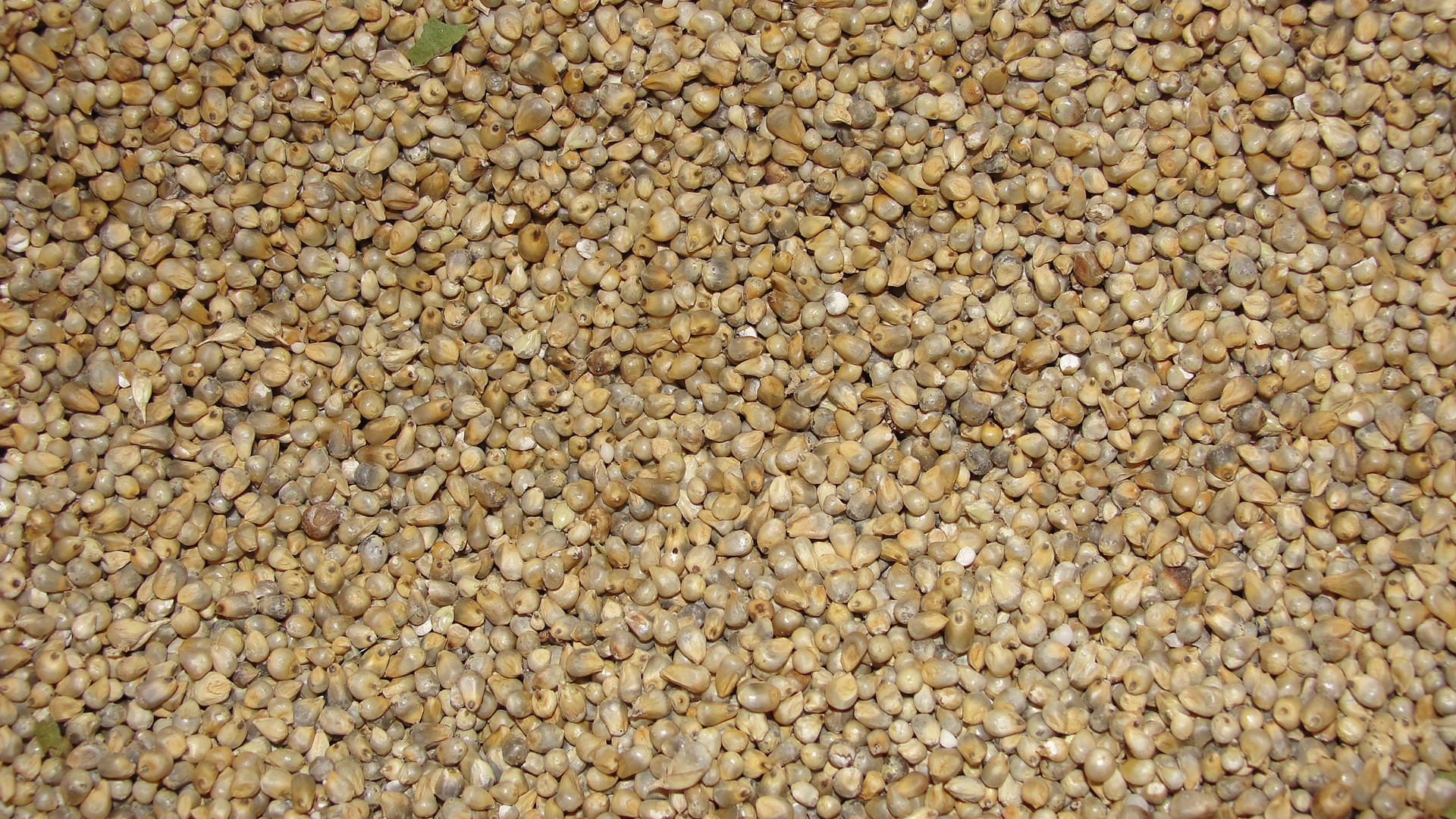
As we delve into the universe of millets, we uncover a remarkable range of natures’ treasures, each with its own distinctive flavor and texture. From the earthy aroma of finger millets to the nutty taste of pearl millets, these versatile grains impart a delightfully unique character to our meals. Not only do they add a delightful twist to traditional dishes, but they also act as an inventive canvas for creating new, exciting culinary experiences. By increasing our awareness and understanding of millets, we can unlock a world of culinary possibilities that cater to our taste buds while fueling our bodies with vital nutrients.
One of the most compelling reasons to embrace millets is their immense nutritional value. These grains are packed with essential vitamins, minerals, and antioxidants that promote a healthy lifestyle. Whether you seek to manage your weight, maintain cardiovascular health, or stabilize blood sugar levels, millets are there to support you on your journey. Moreover, they are gluten-free and easily digestible, making them an excellent choice for those with dietary restrictions or sensitive digestive systems. By incorporating millets into our diet, we can nourish our bodies from within and witness a visible transformation in our overall well-being.
However, the true enchantment of millets is not limited to their nutritional profile alone. By cultivating millets, we can contribute to a more sustainable future for our planet. These grains are known for their resilience, requiring minimum water and pesticides to thrive. Additionally, they help in preventing soil erosion and act as a natural carbon sink, making them an environmentally friendly choice. By opting for millets, not only can we enhance our own health, but we can also reduce our ecological footprint and make a positive impact on the world around us.
As we embark on this journey of discovering the magic of millets, it is essential to acknowledge the cultural significance and rich heritage associated with these grains. Millets have been an integral part of various cuisines across different regions of the world for centuries, weaving themselves into the tapestry of tradition and preserving age-old techniques of agriculture and cooking. By reviving the time-honored practices and embracing millets as a part of our culinary repertoire, we pay homage to our ancestors and open doors to a renewed sense of connection with our roots.
In the midst of our fast-paced, modern lives, incorporating millets offers us a moment to slow down, appreciate simplicity, and create a harmonious balance. These resilient grains teach us important lessons of adaptability, patience, and resilience that are as relevant to our lives as they are to the fields they grow in. By rediscovering the magic of millets and transforming our lifestyle inside-out, we embark on a journey of personal growth, nourishment, and sustainability – a journey that will lead us to a healthier, more vibrant future for ourselves and the planet we call home.
1. Introduction
Opening paragraph providing a brief overview of the importance of healthy eating habits and the rising popularity of millets as a nutritious alternative. Highlight the aim of the article to explore the benefits of millets and how they can contribute to transforming one’s lifestyle.
Millets, a group of small-seeded grains, have gained global recognition for their exceptional nutritional value and numerous health benefits. As people become increasingly health-conscious, there has been a resurgence in the consumption of millets as a vital part of a balanced diet.
2. History and Types of Millets
Exploring the rich historical background of millets and their significance in different cultures around the world. Discuss various types of millets, including pearl millet, finger millet, sorghum, and more.
The cultivation of millets dates back thousands of years, with evidence of their existence in ancient civilizations such as the Indus Valley and Ancient Egypt. Millets are known for their resilience in diverse climates and are categorized into a range of species, each with its own unique characteristics and flavors.
3. Nutritional Value and Health Benefits
Highlighting the exceptional nutritional profile of millets and their positive effects on overall health. Discuss vitamins, minerals, fiber content, and their role in preventing various diseases.
Millets are packed with essential nutrients, including iron, magnesium, phosphorus, and B-vitamins. They are also gluten-free, making them an excellent choice for individuals with gluten sensitivities. Regular consumption of millets has been linked to improved digestion, reduced risk of heart disease, and enhanced energy levels, among other health benefits.
4. Incorporating Millets into the Diet
Providing practical tips and ideas on how to include millets in everyday meals to reap their benefits. Suggest recipes and highlight the versatility of millets in different dishes.
From breakfast porridges and salads to savory stews and delectable desserts, millets can be easily incorporated into various culinary creations. Substitute rice or wheat with millet grains or flour in your favorite recipes to add a nutritious twist and discover new flavors.
5. Locally Sourcing and Sustainability
Emphasize the importance of supporting local agriculture by sourcing millets from local farmers. Discuss the sustainable farming practices associated with millet cultivation.
By choosing locally sourced millets, not only do we support farmers within our communities, but we also reduce the carbon footprint associated with long-distance transportation. Millets require minimal water and can be cultivated without the use of synthetic fertilizers, making them an environmentally friendly option.
6. Millets in Beauty and Wellness
Explore the lesser-known benefits of millets beyond nutrition, such as their significance in beauty and wellness routines. Discuss millet-based skincare products and their potential positive effects on hair and skin.
Due to their enriching properties, millets have found their way into the beauty industry. Some manufacturers include millets in their skincare products, as they are known for their moisturizing and soothing effects on the skin. These grains also contain minerals that contribute to hair growth and scalp health.
7. Rediscovering Millets: Cultural and Global Perspectives
Highlight the cultural importance of millets in various regions worldwide and discuss the current global movement to revive their consumption.
While millets have long been a staple in certain regions, other parts of the world are now rediscovering their potential. Communities globally are recognizing the value of these ancient grains, leading to increased awareness and demand for millet-based products.
8. Conclusion
Summarize the key points discussed in the article and conclude with an emphasis on the transformative power of millets for a healthier lifestyle. Encourage readers to incorporate millets into their diets and explore the numerous possibilities they offer.
Incorporating millets into your daily diet has the potential to revolutionize your lifestyle, both inside and out. Whether it’s through their nutritional value, culinary versatility, or cultural significance, millets have captured the attention of health enthusiasts worldwide. Take the first step towards transforming your well-being by embracing the magic of millets.
Summary
The content discusses the rising trend of rediscovering ancient grains like millets and their impact on both our health and the environment. Millets are nutritional powerhouses packed with vitamins, minerals, and fiber, and have been consumed for centuries in various cultures. Incorporating millets into our diet can transform our lifestyle and provide us with vital nutrients. Furthermore, millets are gluten-free and easily digestible, making them a great choice for those with dietary restrictions. Cultivating millets also contributes to a more sustainable future as they require minimal water and pesticides and help prevent soil erosion. Embracing millets allows us to connect with our roots and pay homage to tradition. Overall, incorporating millets can lead to a healthier and more sustainable future for ourselves and the planet.
FAQ
What exactly are millets and why are they considered magical for transforming one’s lifestyle?
Millets are a group of small-seeded grains that have been cultivated for centuries and are known for their exceptional nutritional properties. These grains include varieties like finger millet, pearl millet, foxtail millet, and many more. Millets are gaining popularity worldwide as they offer numerous health benefits. They are gluten-free, rich in dietary fiber, minerals, and antioxidants, making them an excellent choice for people with dietary restrictions or those looking to improve their overall health. Millets aid in weight loss, regulate blood sugar levels, promote heart health, and strengthen the immune system. Furthermore, their cultivation requires minimal water and pesticides, making them eco-friendly and sustainable choices.
How can millets be incorporated into everyday meals?
Millets can be used as a versatile substitute for rice, wheat, and other grains in various recipes. For example, pearl millet can be ground into flour to make rotis or used to prepare porridge. Finger millet flour is used to make traditional flatbreads, cookies, and even puddings. Foxtail millet can be cooked and consumed like rice or added to soups, salads, and stir-fries. Additionally, millets can be used to prepare upma, idli, dosa, and other breakfast dishes. They can also be added to baked goods, such as bread and muffins, to increase their nutritional value. By exploring recipes and experimenting with different millet grains, one can incorporate these nutrient-packed grains into their daily meals easily.
Are millets suitable for individuals with specific dietary needs, such as gluten intolerance or diabetes?
Yes, millets are highly beneficial for individuals with specific dietary needs. Millets are naturally gluten-free, making them a fantastic alternative for those with gluten intolerance or celiac disease. Their gluten-free nature allows people to enjoy a wide range of millet-based products, including bread, pasta, and snacks, without risking adverse reactions. Moreover, millets have a low glycemic index, meaning they do not cause sudden spikes in blood sugar levels. This property makes millets an ideal grain choice for individuals with diabetes or those aiming to manage their blood sugar levels. However, it is always best to consult a healthcare professional or a registered dietitian before making significant changes to your diet, especially when managing specific health conditions.
Can millets contribute to sustainable living and environmental preservation?
Yes, millets play a crucial role in sustainable living and environmental preservation. Millets have a remarkable ability to adapt to different ecological conditions, requiring fewer external inputs like fertilizers, pesticides, and large amounts of water for cultivation compared to other cereals. They are generally hardy crops, resilient against droughts, and suitable for poor soil conditions. As a result, millet cultivation leads to reduced use of freshwater resources and lowers the overall carbon footprint of agriculture. Additionally, millet farming practices promote biodiversity, as these grains often grow alongside other indigenous plants, supporting the ecosystem. By incorporating millets into our diets and supporting the production of millets, we contribute to sustainable agriculture, conservation of natural resources, and the well-being of our planet.