Going gluten-free is a dietary decision that more and more people are making these days. While some people choose to eliminate gluten for weight loss or other health reasons, people with Celiac disease don’t have a choice. Celiac disease is an autoimmune disorder that causes damage to the small intestines when gluten is consumed. Gluten is a protein found in wheat, barley, and rye, and it’s in countless foods we eat every day. For those with Celiac disease, eliminating gluten is the only way to stay healthy.
Fortunately, going gluten-free doesn’t have to be difficult or boring. There are many grains, like quinoa and rice, that are naturally gluten-free and can be used in a variety of recipes. Millets are another gluten-free grain that are nutritious, versatile, and delicious. Millets have been grown and consumed by people for thousands of years, but they’ve only recently become popular in Western countries as people look for healthy and sustainable food choices.
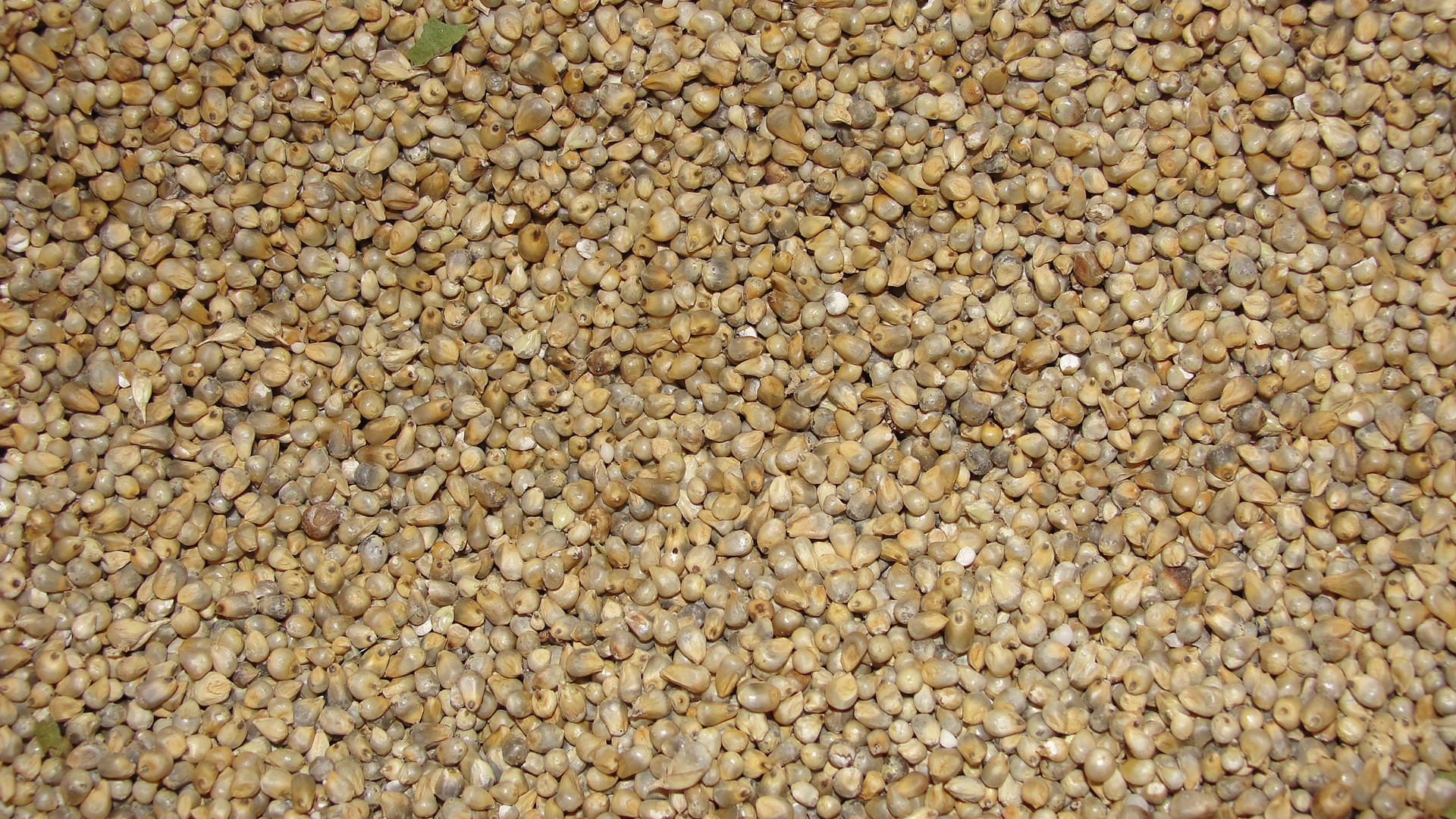
Millets are a family of small-seeded grasses that are grown all over the world. They come in many different varieties, like foxtail millet, pearl millet, and finger millet, and each one has a slightly different taste and texture. Millets can be boiled, stir-fried, baked, or popped, and they can be used in sweet or savory recipes. Because they’re gluten-free and high in fiber, millets are a great choice for anyone with Celiac disease or gluten sensitivity.
One of the great things about millets is that they’re packed with nutrients. They’re a good source of protein, B vitamins, calcium, iron, and other minerals. Millets are also low in fat and have a low glycemic index, which means they won’t cause a spike in blood sugar. This makes millets a great choice for anyone who wants to maintain healthy blood sugar levels or reduce their risk of diabetes.
Millets are also a sustainable choice for anyone who cares about the environment. They require less water and pesticides to grow than many other grains, and they can grow in poor soil conditions. Millets are also hardy crops that can withstand extreme weather conditions, like drought or flooding. This makes millets a great choice for farmers and communities in developing countries who are struggling with climate change and food insecurity.
Introduction
Gluten intolerance has become a common problem among people worldwide, and celiac disease is one of the most severe forms of this intolerance. Celiac sufferers need to follow a strict gluten-free diet to avoid gastrointestinal discomfort and other symptoms. Fortunately, millets can be a delicious and healthy alternative to wheat and other gluten-containing grains.
What are Millets?
Millets are a group of gluten-free grains that have been cultivated for thousands of years. They are a rich source of dietary fiber, protein, and essential minerals such as magnesium, iron, and zinc. Millets come in various shapes and sizes and can be used in many cuisines worldwide.
Millets and Gluten-Free Diet
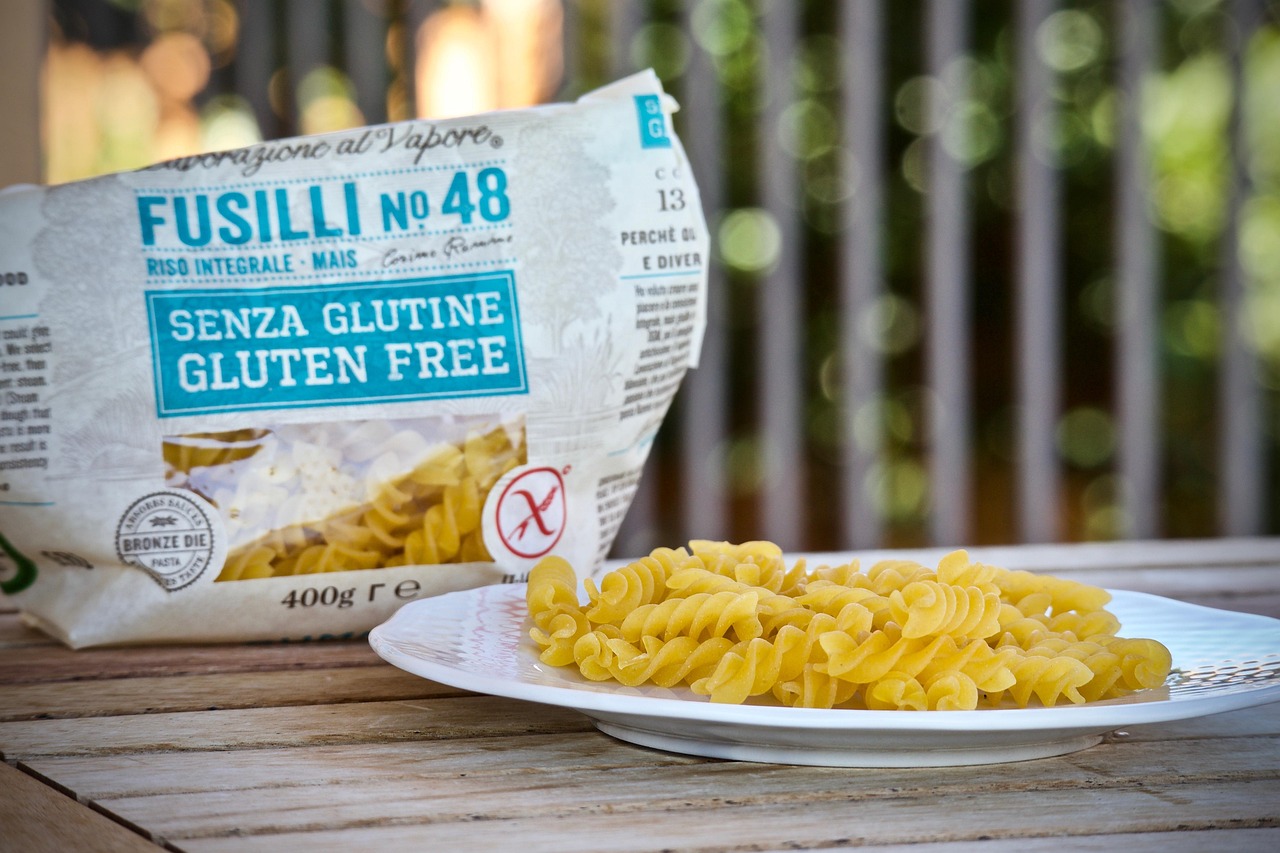
Millets are safe for people with celiac disease and gluten intolerance. They are free from gluten and other proteins that can cause reactions in the body. Millets can be used in many dishes that typically contain wheat, such as bread, pasta, and pizza.
Millets Recipes for Celiac Sufferers
There are many delicious millet recipes that celiac sufferers can enjoy. For example, gluten-free millet bread is easy to make and tastes great. Other recipes include millet porridge, millet pilaf, and millet crackers. Millets can be cooked as a side dish or incorporated into salads, stews, and soups.
Health Benefits of Millets
In addition to being gluten-free, millets also offer several health benefits. They are low in carbohydrates and have a low glycemic index, making them an excellent option for people with diabetes. Millets are also rich in antioxidants, which can boost the immune system and protect against cancer and other chronic diseases.
Where to Find Millets
Millets can be bought in health food stores or online. They are available in different varieties such as pearl millet, foxtail millet, and finger millet. Millet flour is also available, which can be used in baking.
Conclusion
In conclusion, millets are an excellent choice for celiac sufferers who want to enjoy a delicious and healthy gluten-free diet. Millets offer many health benefits and can be used in various dishes. With millets, celiac sufferers do not have to compromise on taste or health.
Summary
Going gluten-free is a dietary choice that many are making. However, for those with Celiac disease, an autoimmune disorder that causes small intestine damage when gluten is consumed, it is a necessity. Gluten is a protein found in wheat, barley, and rye, and given that it is common in many foods, it can be difficult for those with the disease. Millets are one gluten-free grain that can be used in a variety of recipes, are nutritious, versatile, and delicious. They are a good source of protein and minerals, low in fat and have a low glycemic index. They are also a sustainable choice for the environment.
FAQ
Can I substitute millets for wheat in all my recipes?
Most recipes that require wheat flour can be substituted with millets. However, the texture and taste may differ, and some recipes may require additional ingredients like xanthan gum, eggs or baking powder to help with the binding. It is important to experiment and adjust the recipe to suit your taste and dietary needs.
Are millets more nutritious than wheat?
Millets are packed with nutrients like fibre, protein, vitamins, and minerals that make them a healthier alternative to wheat. Millets are gluten-free, and studies have shown that they help with better digestion, improved heart health, and lower blood sugar levels. They are also low in calories and fat, making them a great option for those looking to cut down on their carb intake.
What are some popular millet dishes that Celiac sufferers can enjoy?
Millets are widely used in Indian, African and South American cuisines. Some popular millet dishes include millet porridge, upma, dosas, idlis, salads, and soups. Millets can also be used in baking in place of flour, and to make bread, cakes, and cookies.
Is it easy to find millets in supermarkets or online stores?
Millets are now available in most leading supermarkets and online stores. You can also find them in health food stores, organic food stores, and specialty stores. There are many different types of millets available, including pearl millet, finger millet, foxtail millet, and more. Be sure to check the product labels to ensure that the millets are gluten-free and have been processed in a gluten-free facility.