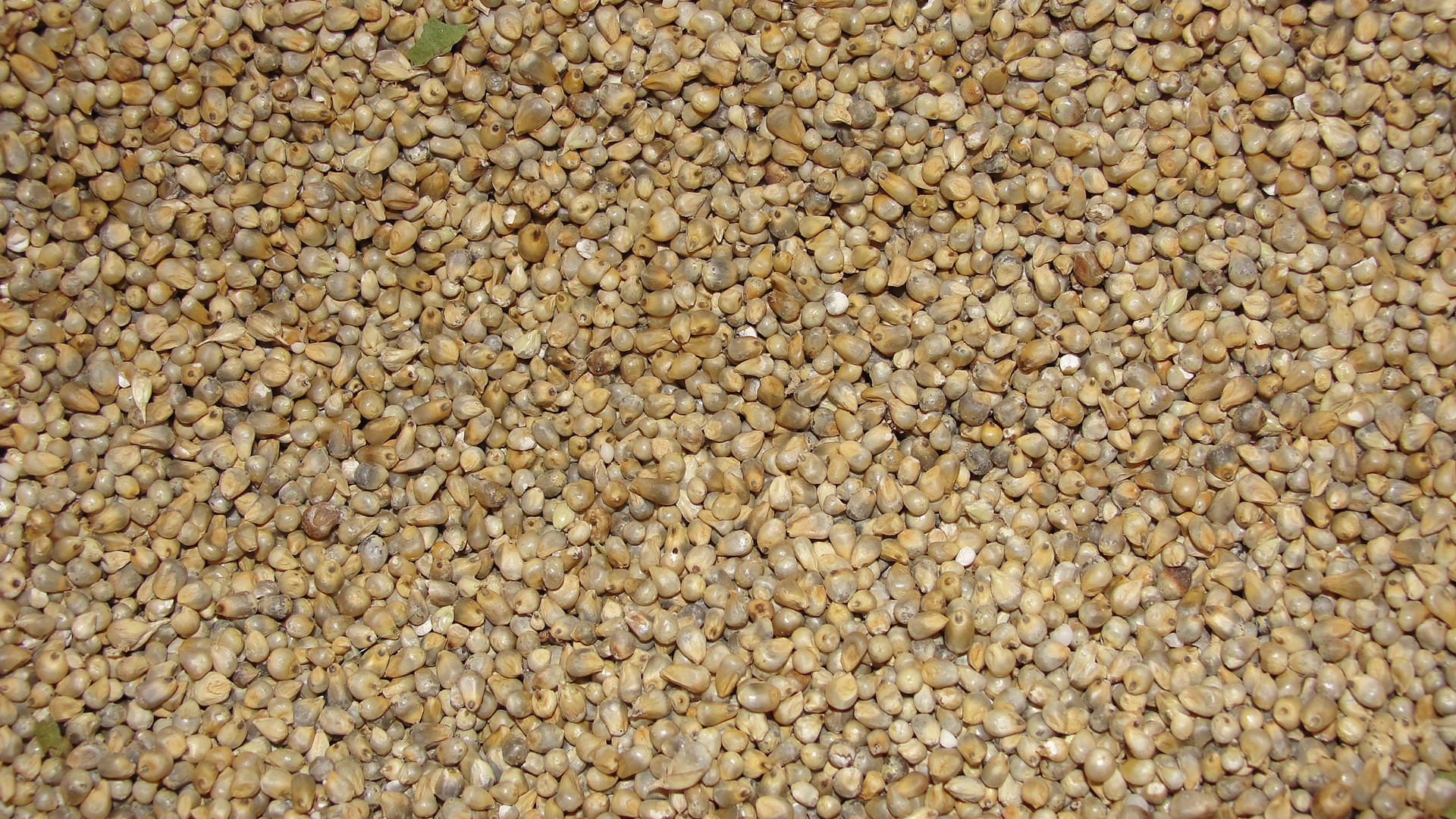

Welcome to the world of millets – a group of ancient grains that have been gaining popularity in recent years. As more and more people are embracing a gluten-free lifestyle, millets have become a staple ingredient in their diets. These little grains are not only delicious but also offer a plethora of health benefits, making them a perfect choice for those seeking a healthier alternative to traditional grains. In this article, we will explore the gluten-free benefits of millets and how they can contribute to a healthier you.
First and foremost, let’s talk about the gluten-free aspect of millets. For individuals with celiac disease or gluten sensitivity, finding suitable alternatives to wheat and other gluten-containing grains can be challenging. Millets, however, naturally lack gluten, making them an excellent substitution. Whether you’re looking to bake some scrumptious gluten-free bread or enjoy a warm bowl of millet porridge, these grains will provide you with a satisfying and safe gluten-free option.
But millets offer much more than just being gluten-free. These ancient grains are packed with essential nutrients that are beneficial for your overall well-being. Millets are known for their high fiber content, which aids in digestion, regulates blood sugar levels, and helps prevent constipation. Additionally, they are rich in vitamins and minerals such as iron, magnesium, phosphorus, and B vitamins, all of which play vital roles in maintaining a healthy body and mind.
Moreover, millets can contribute to weight management and heart health. Due to their high fiber content, millets keep you feeling fuller for longer periods, reducing unnecessary snacking and overeating. Additionally, the complex carbohydrates present in millets are digested slowly, preventing sudden spikes in blood sugar levels. This makes them an ideal choice for individuals looking to manage or prevent diabetes. Furthermore, the presence of antioxidants and healthy fats in millets can help lower cholesterol levels, reducing the risk of heart diseases.
If you’re someone who values sustainability and eco-friendly choices, millets are a great option for you. These versatile grains require significantly less water, fertilizers, and pesticides compared to other conventional grains like wheat or rice. Their ability to thrive in lower rainfall areas also makes them a suitable crop for regions with water scarcity. By incorporating millets into your diet, you can contribute to preserving natural resources and promoting sustainable farming practices.
Not only are millets beneficial for your health and the environment, but they also offer endless culinary possibilities. From making fluffy and nutritious pilafs to creating mouthwatering gluten-free cookies, the versatility of millets is bound to impress even the most discerning food enthusiasts. With their nutty and slightly sweet flavor, millets can add a unique twist to your everyday recipes.
In conclusion, millets are a gluten-free wonder that can revamp your diet and enhance your overall well-being. From their gluten-free properties to their various health benefits and positive environmental impact, millets offer a holistic approach to achieving a healthier you. So why not embark on a culinary adventure and explore the vast world of millets for a more nutritious and sustainable lifestyle?
Introduction to Millets
Millets are a group of small-seeded grasses that have been cultivated for thousands of years. They are gaining popularity worldwide due to their remarkable nutritional value and gluten-free nature. With the increasing demand for gluten-free alternatives, millets have emerged as a top choice for individuals seeking a healthier lifestyle.
Millets are naturally gluten-free and offer numerous benefits to those with gluten sensitivity, celiac disease, or those who simply want to reduce their gluten intake. These ancient grains are packed with essential nutrients, making them a valuable addition to any diet.
Diverse Nutritional Profile
Millets are a rich source of fiber, protein, vitamins, and minerals. They are known for their high content of magnesium, phosphorus, and manganese, which are crucial for maintaining healthy bones and teeth, regulating blood sugar levels, and boosting the immune system. Millets also contain antioxidants that help to prevent cell damage and reduce the risk of various chronic diseases, including heart disease and cancer.
Their high fiber content aids digestion, promotes regular bowel movements, and prevents constipation. Additionally, millets have a low glycemic index, meaning they do not cause sharp spikes in blood sugar levels, making them an excellent choice for managing diabetes or preventing its onset.
Gluten-Free and Gut-Friendly
Millets are naturally gluten-free, making them an excellent alternative to wheat, barley, and rye for individuals with gluten intolerance or celiac disease. Consuming gluten when intolerant can lead to digestive discomfort, inflammation, and long-term health issues. By incorporating millets into your diet, you can enjoy a wide range of delightful and nutritious dishes without compromising your well-being.
The inclusion of millets in your diet can also promote a healthier gut. The high fiber content in millets acts as a prebiotic, providing nourishment for beneficial gut bacteria. A balanced gut microbiome is essential for overall health and has been linked to improved digestion, enhanced immune function, and reduced risk of various diseases.
Aiding Weight Loss and Diabetes Management
If you are looking to shed some extra pounds, millets can be your ally. Their low-calorie content, combined with high fiber and protein levels, helps keep you feeling full for longer periods. Millets also have a low fat content and can assist in weight management by reducing overeating and cravings.
For individuals with diabetes or those at risk of developing the condition, millets are an excellent addition to a balanced diet. The slow digestion and absorption of carbohydrates in millets result in a more gradual release of glucose into the bloodstream. This prevents sudden spikes in blood sugar levels and helps maintain stable levels throughout the day, supporting diabetes management.
Versatile and Delicious Millet Recipes
Millets can be incorporated into a variety of dishes, both sweet and savory. From fluffy millet pilaf and crispy millet dosas to hearty millet salads and comforting millet porridge, the possibilities are endless. Whether you are gluten intolerant, health-conscious, or simply looking to explore new culinary options, millet-based recipes can offer a delightful and nutritious alternative.
With their nutty flavor and unique texture, millets can transform your meals and boost the overall nutritional value of your diet. Discovering and experimenting with millet recipes can not only introduce you to a whole new world of flavors but also enhance your well-being.
Availability and Accessibility
Millets are increasingly becoming more accessible in local grocery stores, specialty health food shops, and online platforms. With their growing popularity and demand, various millet-based products, such as flour, pasta, and breakfast cereals, are readily available for consumers. Embracing millets as a gluten-free alternative is now easier than ever, empowering individuals to make healthier choices for themselves and their families.
Considering the extensive range of millet varieties, finding the ones that suit your taste preferences and dietary requirements is effortless. The versatility and availability of millets ensure that enjoying their gluten-free benefits is a convenient and enjoyable experience.
In Conclusion
Millets offer a plethora of gluten-free benefits that make them an ideal choice for a healthier diet. Their diverse nutritional profile, gluten-free nature, gut-friendly properties, potential for aiding weight loss and diabetes management, delicious recipe options, availability, and accessibility all contribute to their growing popularity.
By incorporating millets into your daily meals, you can embark on a journey towards a healthier you, enjoying the tasteful benefits of these ancient grains while reaping their remarkable nutritional advantages.
Summary
Millets, a group of ancient grains, have gained popularity as people embrace gluten-free lifestyles. These grains offer numerous health benefits and can be used as a substitute for wheat and other gluten-containing grains. Millets are high in fiber, aiding digestion and regulating blood sugar levels. They are also rich in vitamins and minerals, contributing to overall well-being. Additionally, millets aid in weight management and heart health by keeping you fuller for longer and preventing spikes in blood sugar levels. Millets are also a sustainable choice, requiring less water and pesticides, and offer endless culinary possibilities. Incorporating millets into your diet can enhance your well-being and promote a sustainable lifestyle.
FAQ
What are the gluten-free benefits of millets?
Millets offer numerous gluten-free benefits, making them an excellent choice for those following a gluten-free diet. Millets are naturally gluten-free grains that provide a wide range of essential nutrients, including B vitamins, iron, magnesium, and antioxidants. By incorporating millets into your diet, you can enjoy the benefits of consuming whole grains without worrying about gluten-related issues. Additionally, millets have a low glycemic index, meaning they release glucose into the bloodstream slowly, preventing sudden spikes in blood sugar levels. This makes millets a great option for individuals with diabetes or those aiming to manage their blood sugar levels effectively.
Furthermore, millets’ high fiber content aids in digestion and promotes a healthy gut by supporting regular bowel movements. This can be beneficial for individuals with celiac disease or gluten sensitivity, as they often experience digestive discomfort when consuming gluten-containing grains. Overall, millets provide a versatile and nutritious gluten-free alternative to wheat and other gluten-containing grains.
How can millets contribute to a healthier lifestyle?
Millets can significantly contribute to a healthier lifestyle in multiple ways. Firstly, these grains are rich in fiber, which promotes satiety and helps control appetite, making it easier to maintain a healthy weight. The slow-release carbohydrates in millets also provide sustained energy, helping to keep you fuller for longer and minimizing the need for unhealthy snacking. The numerous vitamins and minerals found in millets, such as magnesium and iron, are essential for overall well-being, supporting functions like bone health and cognitive function.
In addition to their nutritional benefits, millets are highly versatile and can be used in various recipes, from breakfast cereals to baked goods and side dishes. This versatility allows for creative and diverse meal options, making it easier to stick to a healthier eating pattern. Moreover, millets are generally more sustainable and environmentally friendly than other grains, as they require less water and pesticides to grow. Including millets in your diet not only benefits your personal health but also contributes to a more sustainable and eco-conscious way of eating.
Are millets suitable for individuals with gluten intolerance or celiac disease?
Yes, millets are an excellent option for individuals with gluten intolerance or celiac disease. Millets are naturally gluten-free, which means they do not contain the proteins that cause adverse reactions in these individuals. By incorporating millets into your diet, you can enjoy a wide range of nutritious grains without experiencing the negative symptoms associated with gluten consumption, such as digestive discomfort, bloating, or inflammation.
It’s important to note that cross-contamination can occur if millets are processed in facilities that also handle gluten-containing grains. Therefore, individuals with celiac disease or severe gluten intolerance should ensure they purchase certified gluten-free millet products or choose millets that are explicitly labeled as gluten-free. By doing so, they can confidently enjoy the numerous health benefits millets have to offer without compromising their dietary restrictions.
How can I incorporate millets into my diet?
Incorporating millets into your diet is simple and can be done in various delicious ways. Millets can be cooked similarly to rice or quinoa, making them suitable for pilafs, salads, or grain bowls. They can also be ground into flour and used in baking or as a gluten-free alternative in recipes that call for wheat flour. Additionally, millets make a great substitute for oats in breakfast porridge or as a base for granola.
Experimenting with different millet varieties, such as finger millet, foxtail millet, or pearl millet, can add excitement and diversity to your meals. You can also try incorporating millets into soups, stews, and even desserts like puddings or crumbles. With a little creativity, millets can be enjoyed in a wide range of dishes, helping you explore their gluten-free benefits while adding nutritional value and flavor to your meals.