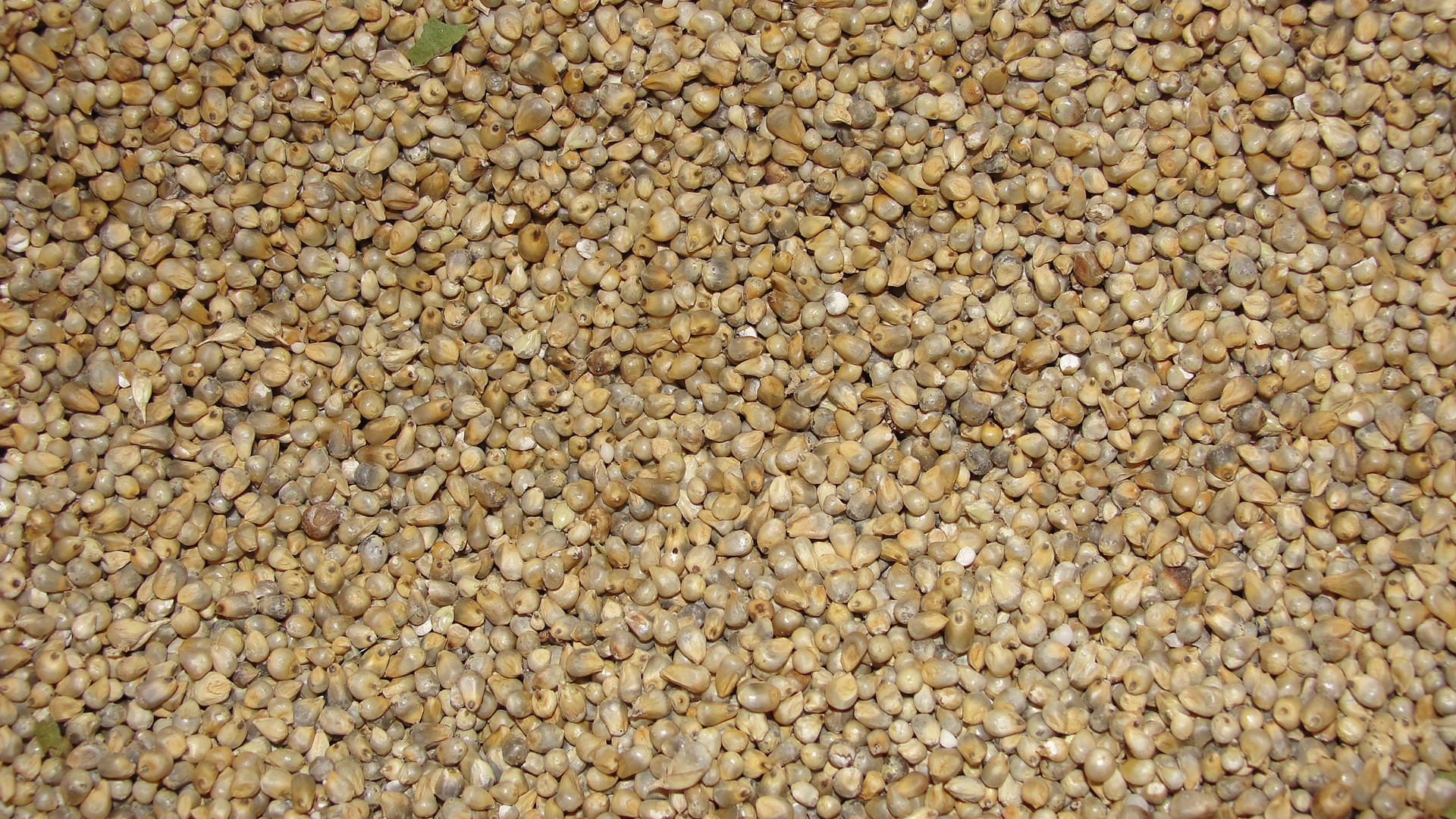

As more people embrace plant-based diets, there is an increasing demand for nutrient-rich, wholesome and versatile foods that can replace meat and dairy products. Millets, a group of small-seeded grasses, are emerging as a top choice for vegans and vegetarians, thanks to their impressive nutritional profile, eco-friendliness and culinary flexibility.
At a time when climate change, soil degradation and water scarcity are major concerns, millets offer a sustainable solution as they are hardy crops that require minimal water, pesticides or fertilisers. They can be grown organically, without degrading the soil, and they are often drought-resistant, which means they can thrive in regions where other crops would fail. With the increasing interest in organic and agro-ecological farming practices, millets are likely to become a prominent source of food in the near future.
For those who have been looking for a protein-rich, gluten-free grain that is easy to digest and can help regulate blood sugar levels, millets are a perfect fit. They contain all nine essential amino acids, as well as high levels of fiber, calcium, iron, magnesium and B vitamins. Unlike wheat, rice, corn or oats, millets have a low glycemic index, which means they release glucose into the bloodstream slowly and steadily, providing sustained energy for longer periods and avoiding the spikes and crashes associated with refined carbohydrates.
Millets are also highly adaptable to various cooking methods and can be used in a wide range of dishes, from porridges and pancakes to stir-fries and salads. They have a mild, nutty flavor that complements both sweet and savory recipes and can be combined with various spices, herbs, vegetables and fruits. Some of the popular types of millets are foxtail, finger, kodo, barnyard, pearl and sorghum, each with its unique texture and taste. Some of the signature dishes using millets are ragi balls, biryani, upma, and dosa, which are highly popular in South India.
In addition to their nutritional and culinary value, millets have cultural, historical and spiritual significance. They have been cultivated and consumed for over 10,000 years in different parts of the world, such as Africa, Asia, South America and Australia, and they have featured in the cuisine of many ancient civilizations, including the Mayans, the Greeks, the Egyptians and the Chinese. Millets have also played a role in religious rituals and festivals in several cultures, and they are often associated with fertility, prosperity, and abundance. The resurgence of millets as a superfood is therefore not just a matter of health and environment but also a celebration of diversity and heritage.
With all these benefits, it’s no wonder that millets are gaining in popularity among health-conscious and ethical consumers, whether they are vegans, vegetarians, or simply looking to diversify their diet. So, the next time you go grocery shopping, consider adding some millet-based products to your cart, and join the millet revolution!
Introduction
The vegan and vegetarian lifestyle has gained popularity in recent years. One of the challenges that come with this lifestyle is finding nutrient-dense food sources. Millets are becoming increasingly popular due to their high nutritional content and versatility in cooking.
Nutritional Value of Millets
Millets are rich in vitamins B-complex, protein, fiber, and minerals such as iron, magnesium, and potassium. Millets are also gluten-free, making them an excellent alternative for those with gluten intolerance.
Sustainability of Millet Farming
Millets are environmentally sustainable as they require minimal water and fertilizers compared to other grains. They also have a short growing cycle, making them more resilient to climate change.
Easy to Incorporate into Meals
Millets are versatile and can be cooked in various ways, such as in salads, porridge, or as a substitute for rice or potatoes. They can also be ground to produce flour for baking.
Low on the Glycemic Index
Millets have a low glycemic index, which means they release glucose into the bloodstream slowly, making them ideal for those with diabetes, insulin resistance, or weight-loss goals.
Cost-Effective Source of Nutrition
Millets are affordable and widely available, making them an excellent choice for those on a budget. They also have a longer shelf life than other grains, reducing food waste.
Millets and Gut Health
Millets contain prebiotic fibers that nourish the gut microbiome, improving digestion, and reducing the risk of gut-related health issues.
Conclusion
Millets are a nutritious, sustainable, and cost-effective choice for vegans and vegetarians. They are versatile, easy to incorporate into meals, and have numerous health benefits, making them a valuable addition to any balanced diet.
Summary
Millets are becoming popular among vegans and vegetarians due to their nutritional profile, eco-friendliness and culinary versatility. They’re hardy crops that require minimal water, pesticides or fertilisers and can be grown organically without degrading soil, making them a sustainable solution as climate change, soil degradation and water scarcity continue to rise. Millets are protein-rich, gluten-free, easy to digest and regulate blood sugar levels. They’re highly adaptable to various cooking methods with a mild, nutty flavor that complements both sweet and savory recipes. Millets hold cultural, historical and spiritual significance worldwide and are celebrated as a diverse and heritage food.
FAQ
What are millets?
Millets are small-seeded grasses that have been cultivated for thousands of years and are now becoming increasingly popular as a valuable food crop. They are gluten-free and can be consumed by those who are sensitive to wheat or other grains. They come in many varieties, including pearl millet, finger millet, foxtail millet, and sorghum, and are highly nutritious.
What makes millets perfect for a vegan or vegetarian lifestyle?
Millets are an excellent source of protein, fiber, and other essential nutrients that are often missing in a vegetarian or vegan diet. They are also rich in vitamins and minerals that are essential for maintaining good health, such as iron, magnesium, and potassium. They are easy to digest and help regulate blood sugar levels, making them an excellent choice for people with diabetes or other health conditions.
How can millets be incorporated into a vegan or vegetarian diet?
Millets can be used in a variety of ways to add flavor and texture to vegetarian and vegan dishes. For example, they can be boiled and mixed with vegetables and spices to make pilafs or salads. They can also be ground into flour and used to make bread, cakes, and other baked goods. They can even be used as a substitute for rice or pasta in a stir-fry or casserole.
Are there any downsides to consuming millets as a regular part of a vegan or vegetarian diet?
While millets are generally safe and beneficial for most people, they can be difficult to digest in large quantities, especially if they are not properly cooked. Some people may also be allergic to millets or have a sensitivity to them. In addition, some types of millets are high in oxalates and phytates, which can interfere with the absorption of certain nutrients. However, these potential downsides are outweighed by the many health benefits that millets provide when consumed in moderation.