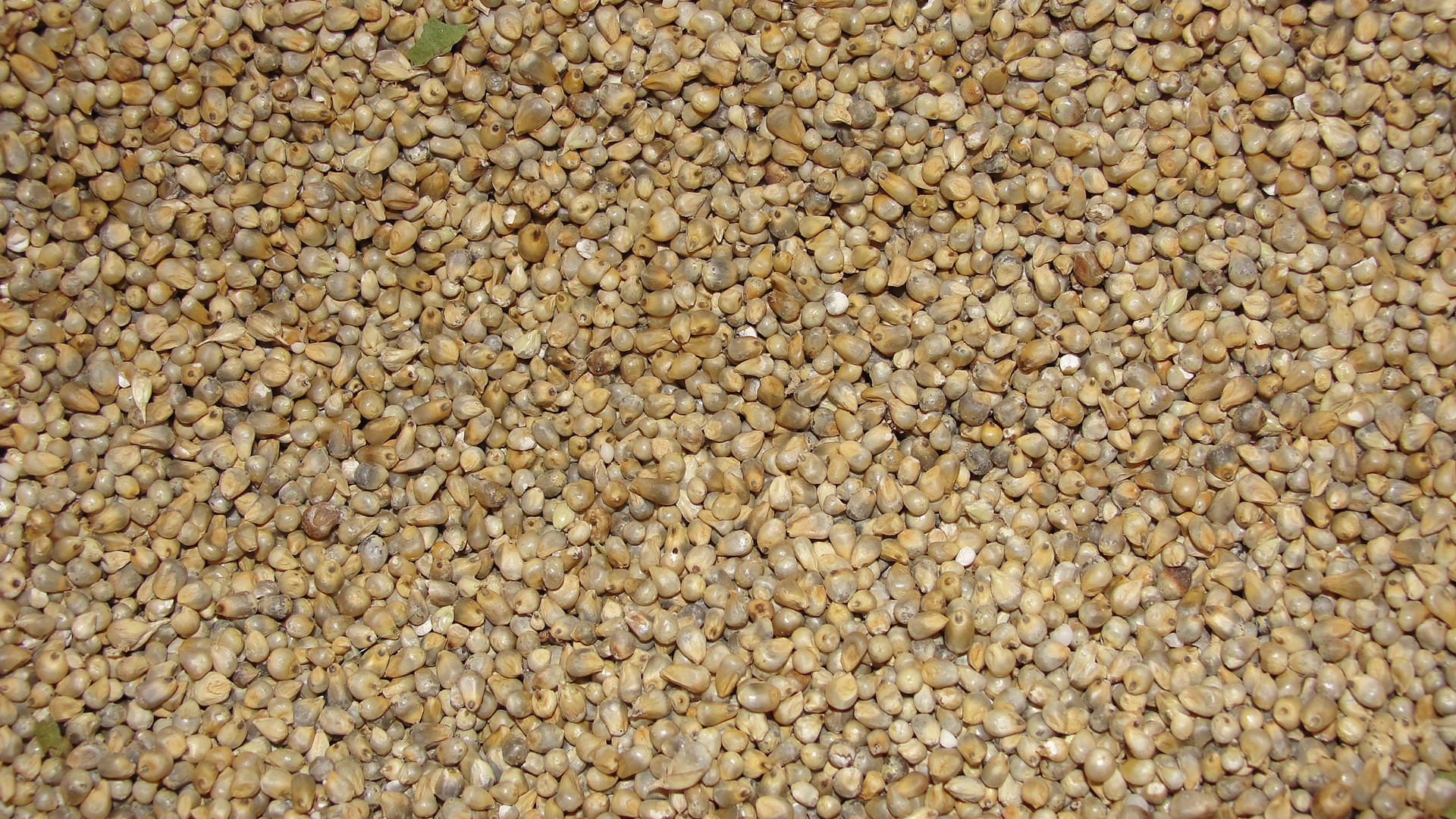
Millets have been part of our food culture in India for centuries, and rightfully so. These nutrient-rich grains are versatile, easy to cook, and have a distinctive flavor that adds depth to any dish. However, with the advent of modernization, these age-old grains have taken a backseat in our kitchens. With the shift towards a more health-conscious lifestyle, there has been a renewed interest in millets. It is time to rediscover the lost millet-based dishes and incorporate them into our daily lives.
Cooking with millets is easy and the results are always delicious. With an array of flavors and textures available, it is no wonder that millets are fast gaining popularity in today’s health-conscious world. They are gluten-free, low GI, and are rich in fiber, protein, and essential minerals. Moreover, millets are easy on the stomach, making them perfect for people with gluten sensitivity or digestive issues.
However, if you are new to millets, then it can be intimidating to know where to start. There are a variety of millets available in the market, and each has its unique flavor and texture. From ragi, jowar, bajra, and foxtail millet, the options are endless. You can use millets in place of rice or wheat in any dish, be it breakfast, lunch, dinner, or snacks.
The best way to start cooking with millets is by discovering some basic recipes that are easy to make and are familiar. For example, millet upma, millet khichdi, millet idli, and millet dosa are excellent options. Once you get comfortable with these recipes, you can experiment with other dishes like millet salads, soups, and desserts.
It is surprising to know that millets can add versatility to an already healthy diet. With this humble grain, you can create a range of dishes that are not only nutritious but also appealing to the taste buds. Cooking with millets can open a whole new world of flavors and textures that are unique yet familiar to our palate.
In conclusion, cooking with millets is an excellent way to embrace a healthy lifestyle without compromising on taste. These grains add an earthy flavor to any dish and can be easily incorporated into any recipe. With the wide variety of millets available, there are endless possibilities to experiment with your culinary skills. So, what are you waiting for? Get creative and start your journey towards a healthier lifestyle with millets.
What are millets and why cook with them?
Millets are a group of small-seeded grains that have been consumed for thousands of years, primarily in Asia and Africa. In recent years, they have gained popularity as a more sustainable and nutritious alternative to wheat and rice. Millets are packed with vitamins and minerals, including calcium, iron, and magnesium, and are high in protein and fiber. They are also gluten-free, making them a great option for people with celiac disease or gluten sensitivities. By cooking with millets, you can add variety to your diet, improve your health, and contribute to a more sustainable food system.
Simple millet recipes for beginners
If you’re new to cooking with millets, there are plenty of easy and delicious recipes to get you started. One option is to substitute millet for rice in traditional recipes like pilaf or risotto. Millet also makes a great base for salads, mixed with seasonal vegetables and a dressing of your choice. Or, try making a creamy millet porridge for breakfast, topped with fresh fruits or nuts. Whatever recipe you choose, be sure to rinse the millet thoroughly before cooking to remove any bitterness.
Advanced millet recipes for home cooks
Once you’ve mastered the basics of cooking with millets, there are plenty of more creative recipes to explore. You can make savory dishes like millet-stuffed peppers, or use millet to create faux meatballs or burger patties. Another option is to combine millets with other grains like quinoa or amaranth to create a more complex flavor and texture. For those with a sweet tooth, millet flour can be used to make desserts like cookies or cakes.
Incorporating millets into your daily diet
One of the benefits of millets is that they are incredibly versatile and can be used in a variety of dishes. To incorporate millets into your daily diet, try swapping out your usual grains with millets in recipes like stir-frys or stews. You can also use millet flour to make pancakes or waffles, or add cooked millet to smoothie bowls for extra texture. If you’re short on time, pre-cooked millet can be found in many health food stores and can be used as a quick and nutritious side dish.
Benefits of cooking with millets for health and sustainability
Not only are millets packed with nutrients, but they are also a sustainable crop to grow. Unlike other grains like wheat and rice, millets require less water and are more resistant to pests and disease. By incorporating millets into your diet, you can help support more sustainable and eco-friendly food systems. Additionally, consuming millets may help lower the risk of certain health conditions like diabetes or heart disease, thanks to their high fiber and mineral content.
Cooking with millets for special diets
For those with dietary restrictions, millets can be a great alternative to other grains. Because they are gluten-free, millets are a safe option for people with celiac disease or gluten sensitivities. They are also suitable for vegans and vegetarians and can be used in place of meat in certain recipes. Additionally, millets have a low glycemic index and may be a good option for people with type 2 diabetes.
Where to buy millets and millet products
Millets can be found at many health food stores or specialty markets. Look for whole millets or millet flour, as well as pre-packaged millet products like crackers or pasta. Some popular varieties include foxtail millet, finger millet, and pearl millet. You can also purchase millets online from retailers like Amazon or Thrive Market.
Conclusion
Cooking with millets is a great way to add variety and nutrition to your diet, while also supporting more sustainable and eco-friendly food systems. Whether you’re a beginner or an experienced cook, there are plenty of delicious millet recipes to explore. By incorporating millets into your daily routine, you can help improve your health and contribute to a more sustainable future.
Summary
Millets, nutrient-rich grains that have been a part of Indian food culture for centuries, are making a comeback as people shift towards a more health-conscious lifestyle. Millets are versatile, gluten-free, low GI, and rich in fiber, protein, and essential minerals. They are easy to cook and can be used in any dish from breakfast to snacks, making them an excellent addition to a healthy diet. Starting with basic recipes such as millet upma and millet khichdi, experimentation with millets can lead to a whole new world of flavors that are both nutritious and delicious.
FAQ
What are millets and why are they considered to be a good substitute for rice and wheat in cooking?
Millets are a group of small-seeded grasses that are grown in different parts of the world. They are considered to be a good substitute for rice and wheat in cooking as they are gluten-free, have a low glycemic index, and are rich in vitamins, minerals, and fiber. Millets are also easy to digest and are known to help in weight loss, lower cholesterol levels, and manage blood sugar levels.
When it comes to cooking, millets are versatile and can be used in many dishes like salads, biryanis, dosas, and bread. They can be cooked in the same way as rice or quinoa or can be ground into flour for making bread, pancakes, or cookies. In addition, millets are available in different varieties including finger millet, pearl millet, foxtail millet, and sorghum, each with its own unique flavor and texture.
What are some delicious recipes that can be made with millets and where can I find them?
Some delicious recipes that can be made with millets include millet porridge, millet khichdi, millet upma, millet biryani, and millet dosa. Millet porridge is a wholesome breakfast option where cooked millets are simmered in milk and topped with fresh fruits, nuts, and honey. Millet khichdi is a one-pot meal that is prepared by sautéing millets, lentils, and vegetables in ghee and spices. Millet biryani is a flavorful dinner option where millets are cooked with aromatic spices, vegetables, and herbs.
You can find these and many other millet recipes online or in cookbooks dedicated to millet-based dishes. There are also many food bloggers and chefs who specialize in cooking with millets and share their recipes and tips on social media platforms like Instagram and YouTube.
Are there any tips for cooking with millets that I should be aware of?
Yes, there are a few tips that can help you cook with millets more effectively. Firstly, it is important to rinse the millets thoroughly before cooking to remove any dirt or debris. Secondly, millets require less water than rice or wheat, so be careful not to add too much water while cooking. A ratio of 1:2 (one cup of millets to two cups of water) is usually sufficient for most millet varieties.
Thirdly, millets can be cooked in a pressure cooker or on the stove. If you are cooking millets on the stove, make sure to keep an eye on them as they cook quickly and can easily stick to the bottom of the pot. Lastly, millets can be soaked overnight to reduce cooking time and improve their digestibility.
Where can I buy millets and are they expensive?
Millets are available at most grocery stores, health food stores, and online retailers. They can be found in the grains and rice aisle or in the organic food section. Millets are usually sold in packaging ranging from 500g to 1kg and the price varies depending on the variety and brand. Generally, millets are not expensive and are comparable to the cost of other grains and rice. Buying in bulk can be a cost-effective option and can help reduce waste. It is also important to choose organic and non-GMO millets to ensure that they are free from harmful chemicals and pollutants.