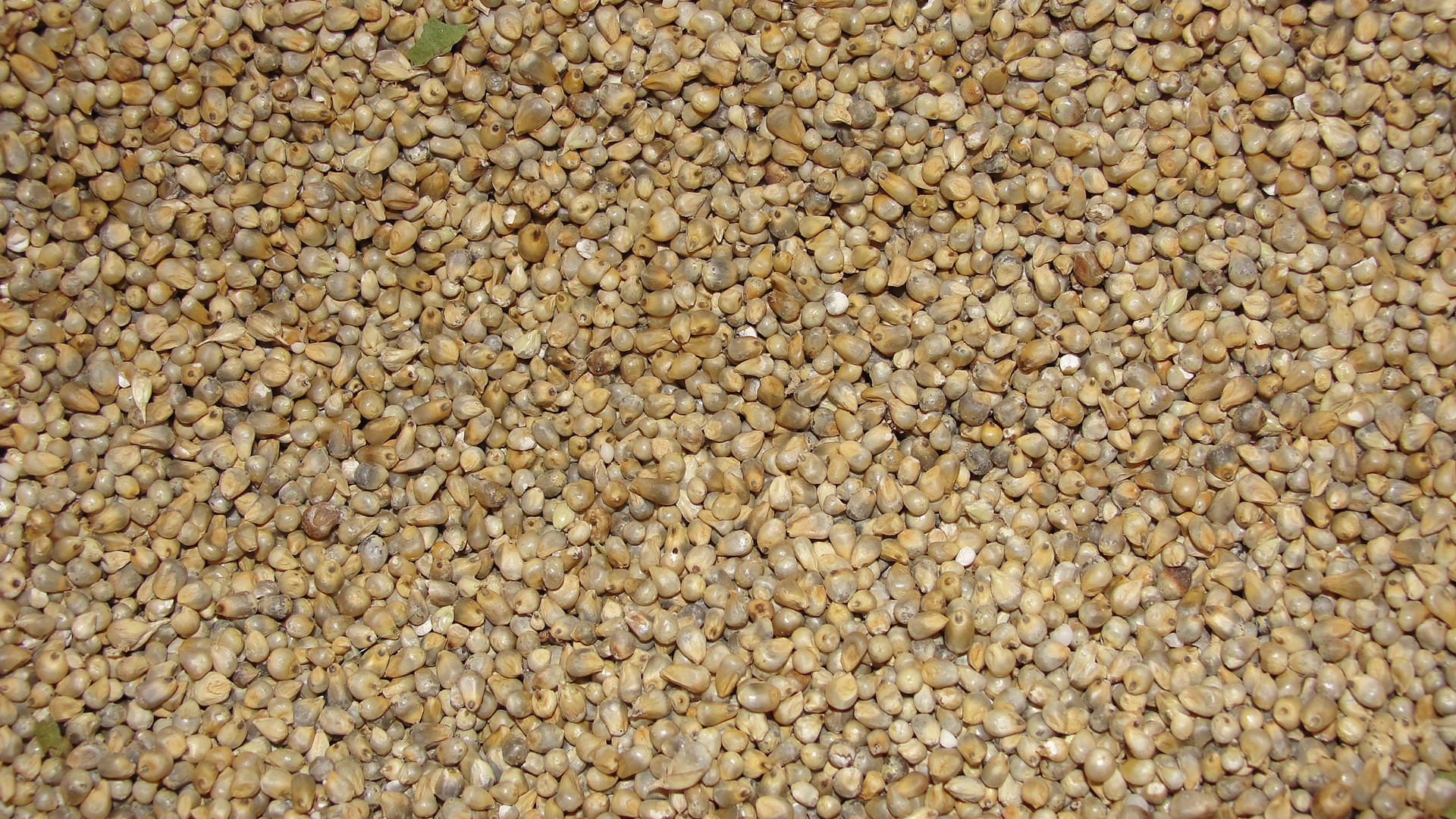
In our quest for a healthy lifestyle, we often prioritize exercise and diet. But have you ever wondered if there is an alternative to our usual diet that can not only give us healthy nourishment, but also help us contribute to the environment? The answer lies in the millets, which have recently made a comeback as a superfood that ticks all the boxes for a healthy and sustainable diet.
For those who are still unfamiliar, millets are a group of small-seeded grasses that have been cultivated and consumed around the world for thousands of years. They are renowned for their nutrition content and exceptional adaptability to grow in dry and harsh environments, making them an ideal option for a sustainable and low-cost agriculture. Currently, there are around 8,000 varieties of millets, and their use in the world’s food industry has been widely growing in the last decade.
Apart from being a sustainable solution to agricultural and food industry issues, there are many reasons why you should include millets in your diet. They are gluten-free, low in glycemic index, and packed with antioxidants, minerals, and vitamins that our bodies need. They are also rich in fiber, making them an effective alternative to processed grains that lack essential nutrients.
The benefits of millets do not end there. The use of millets in your diet can help reduce the risk of cardiovascular diseases, diabetes, and obesity. As a low-glycemic food, they help control blood sugar levels, making them an excellent option for diabetic patients. This makes millets a must-have for anyone looking for a wholesome and healthy diet.
If you are looking to adopt a sustainable and healthy diet, incorporating millets in your meals can create a big difference. The possibilities are endless, from using millets as a grain in your meals to making flour for your bread or using it in baking. The various types of millets available in the market make them versatile enough to be incorporated in both savory and sweet dishes.
To sum up, it is time to unlock the benefits of millets and add them to your diet. As you explore the potential health benefits that these small-seeded grasses offer, you can also help protect the environment and promote sustainable agriculture. The future of food indeed lies in these power-packed grains, and it is time for us to make the switch to a better and healthier lifestyle.
Introduction to Millets
Millets have been known since ancient times, mainly considered as bird feed. However, there has been a renewed interest in these ancient grains as people have recognized their nutritional benefits. Millets come in multiple varieties, including finger millet, pearl millet, and sorghum, that form a significant part of the staple diet in many parts of the world.
Rich in Fiber
Millets are rich in fiber, making them an excellent choice for people who want to lose weight. They help you feel fuller for longer and reduce your appetite, helping you eat fewer calories throughout the day. Fiber also improves digestion and bowel function, ensuring that nutrients are properly absorbed and waste eliminated from the body.
High Nutritional Value
Millets are packed with essential vitamins and minerals like Magnesium, Calcium, and Iron, which is essential for building strong bones and teeth. Additionally, they are a great source of protein and provide the body with much-needed energy for the day. The abundance of B vitamins in millets makes sure that your body has all the necessary elements to heal and repair cells.
Low in Fat
Millets are an ideal food for people who are trying to maintain or lose weight. They are low in saturated fat and cholesterol, reducing the risk of heart diseases and promoting overall heart health. Millets are a perfect food for people who want to reduce or eliminate animal products from their diets.
Gluten-free
Millets are naturally gluten-free, making them an ideal choice for people with celiac disease or gluten intolerance. This means that they can enjoy millets without worrying about facing any adverse effects.
Prevents Constipation
The high fiber content in millets helps in maintaining good bowel movement and prevents constipation, which is a prevalent problem among people. The presence of the digestive enzyme, phytic acid, in millets helps in releasing minerals like phosphorus, magnesium, and zinc, which are essential for overall health.
Boosts Immunity
Millets have a high concentration of antioxidants, which helps in boosting the body’s immunity power. It also helps in controlling inflammation, reducing the risk of chronic diseases like cancer and type 2 diabetes, among others.
Diverse Cooking Options
Millets can be used in various ways, making them a versatile food item. They can be used as a flour substitute, in soups and salads, and in the preparation of various dishes like millet pulao, upma, khichdi, among others. The diverse cooking options make millets an excellent choice for people who want to include them in their diets.
Conclusion
Millets are a valuable addition to anyone’s diet, providing numerous health benefits. They are gluten-free, rich in fiber, and high in nutritional value, making them an ideal food for maintaining overall health and well-being. Incorporating millets into your diet is an easy yet straightforward step towards a healthy lifestyle.
Summary
Millets, a group of small-seeded grasses, are a superfood that offer a healthy and sustainable alternative to traditional diets. With around 8,000 varieties, millets are a low-cost and adaptable crop that are packed with antioxidants, vitamins, and minerals. They are also gluten-free and low in glycemic index, making them a great option for diabetic patients. Incorporating millets in your diet can help reduce the risk of cardiovascular diseases, diabetes, and obesity, and their versatility means that they can be used in both savory and sweet dishes. By choosing millets, you can contribute to a more sustainable and healthy lifestyle.
FAQ
What are millets and why are they considered a healthy food option?
Millets are small-seeded grasses that have been cultivated as grains for thousands of years. They are gluten-free, rich in nutrients, and have a low glycemic index, which means they release sugar slowly into the bloodstream and help maintain steady blood sugar levels. Millets are also a good source of dietary fiber, vitamins, and minerals, and can help prevent various health problems such as diabetes, heart disease, and obesity. They are also easy to digest and provide sustained energy, making them a great food choice for athletes and fitness enthusiasts.
How can millets be included in one’s daily diet?
Millets can be incorporated into one’s daily diet in numerous ways. They can be used to make porridges, pancakes, cakes, or bread, and can also be added to soups, stews, and salads. Millets can be cooked with vegetables, lentils, and spices to make a nutritious and flavorful meal. They can also be used as a substitute for rice or pasta in dishes such as biryani, risotto, or stir-fry. Additionally, millet flour can be used to make gluten-free baked goods such as cookies, muffins, and bread.
Are there any specific health benefits of consuming millets?
Millets have numerous health benefits such as reducing the risk of heart disease, diabetes, and obesity. They are rich in antioxidants, which help neutralize free radicals and prevent cellular damage. Millets also have anti-inflammatory properties, which can help alleviate inflammation in the body and prevent chronic diseases. They are an excellent source of magnesium, which is crucial for bone health, and potassium, which is vital for maintaining optimal blood pressure. Millets are also high in protein, iron, and zinc, making them a great food choice for vegetarians and vegans.
Are millets suitable for people with gluten intolerance or celiac disease?
Yes! Millets are gluten-free and can be an excellent food option for people with gluten intolerance or celiac disease. Unlike wheat, rye, or barley, millets do not contain gluten, a protein that can cause digestive problems in some people. Millets are also easy to digest and do not contain complex sugars that can cause bloating or gas. However, it’s essential to ensure that millets are not contaminated with gluten during processing or packaging. Therefore, it’s always best to purchase millets from certified sources and check the labels for any signs of gluten contamination.