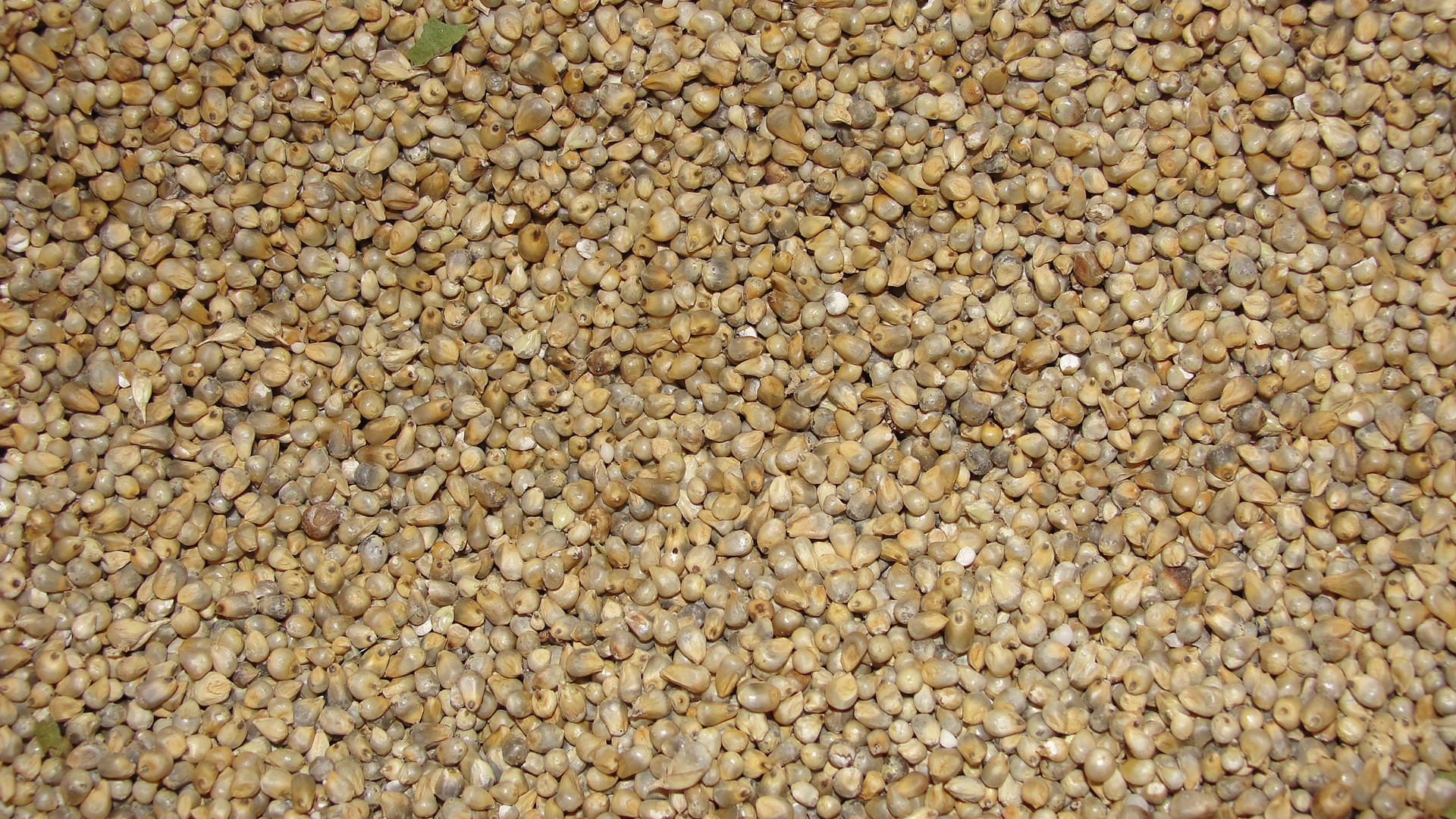
Imagine waking up every morning feeling energized and ready to take on the day. Picture yourself effortlessly maintaining a healthy weight, improving your digestion, and boosting your overall well-being. It may sound like a dream, but achieving a healthy lifestyle is within your reach, and it all begins with the choices you make in your diet. In recent years, there has been a growing buzz around the incredible health benefits of millets – a diverse group of small-seeded grains that have been a staple in traditional diets for centuries. In this guide, we will delve into the world of millets, unlocking their secrets and showing you how they can elevate your well-being to new heights.
In an age where fad diets and confusing nutritional advice dominate the media, it can be overwhelming to discern what truly constitutes a healthy lifestyle. Millets offer a simple yet powerful solution to this predicament. These grains are packed with essential nutrients, including fiber, protein, vitamins, and minerals, making them a remarkable addition to any diet. Whether you are a vegan looking for plant-based protein sources or someone seeking to improve their overall gut health, millets are a fantastic choice that caters to all dietary requirements.
Apart from their nutritional value, millets have several other remarkable properties that make them a game-changer when it comes to achieving optimal well-being. One of the most significant advantages of millets is their versatility in the kitchen. From fluffy millet porridge for breakfast to hearty millet pilaf for lunch and decadent millet-based desserts, the possibilities are endless. Furthermore, millets can be easily incorporated into gluten-free and allergen-friendly recipes, ensuring that everyone can enjoy their exceptional benefits.
In addition to being exceptionally nutritious, millets have also been associated with numerous health benefits. Several studies have linked millet consumption to weight loss and weight management due to their high fiber content, which helps to promote feelings of fullness and satiety. Moreover, millets have been shown to regulate blood sugar levels, making them an excellent choice for individuals with diabetes or those aiming to prevent its onset. By incorporating millets into your diet, you can take important steps towards safeguarding your long-term health.
Embracing a healthy lifestyle is not limited to just physical well-being; it also encompasses your mental and emotional health. Stress has become a prevalent issue in today’s fast-paced world, leading to a range of mental health concerns. Fortunately, millets have proven to be a valuable ally in promoting mental well-being. These grains contain high levels of antioxidants, which help to combat oxidative stress and reduce inflammation, thereby contributing to improved brain function and cognitive health.
While millets may be unfamiliar to many people in certain parts of the world, they have a rich history and have been a significant part of traditional diets across various cultures. So, why has their popularity waned over time? Amidst the rise of modern agriculture and the focus on mass-produced, refined grains, the nutritional potential of millets was often overlooked. However, as we now witness a shift towards conscious and sustainable eating, millets are reclaiming their well-deserved place on our plates. Through this guide, we aim to reintroduce you to these extraordinary grains and inspire you to make them an integral part of your healthy lifestyle.
1. Introduction
Millets have gained significant popularity in recent years as an essential part of a healthy lifestyle. With their high nutritional value, these tiny grains offer a plethora of health benefits ranging from improved digestion to reduced risk of chronic diseases. Incorporating millets into your diet can help you elevate your overall well-being and promote a healthier lifestyle.
Various types of millets, such as sorghum, pearl millet, foxtail millet, and finger millet, are rich sources of vitamins, minerals, dietary fiber, and antioxidants. They are gluten-free and have a low glycemic index, making them suitable for individuals with gluten sensitivity or those aiming to maintain stable blood sugar levels.
2. Nutritional Benefits of Millets
The health benefits of millets are abundant. They are a great source of essential nutrients like iron, magnesium, phosphorus, and B vitamins, including niacin, thiamin, and riboflavin. These nutrients contribute to energy production, strong bones, improved heart health, and enhanced cognitive function.
Millets are also high in dietary fiber, aiding digestion, preventing constipation, and promoting a healthy gut. Additionally, the high antioxidant content in millets helps fight against oxidative stress, supporting a strong immune system and reducing the risk of developing chronic diseases.
3. Weight Management and Millets
If you’re looking to shed some extra pounds or maintain a healthy weight, millets can be an excellent addition to your diet. Due to their high fiber content, millets provide a feeling of fullness, reducing overeating and controlling cravings. They also help regulate metabolism and optimize nutrient absorption, facilitating weight management effectively.
Millets are low in fat, making them a great choice for individuals aiming for weight loss while still enjoying a balanced and nutritious diet. So, swap those refined grains with millets to enhance your weight management journey and experience the difference.
4. Digestive Health and Millets
Poor digestion can lead to various health issues, including bloating, constipation, and nutrient deficiencies. Fortunately, millets are loaded with dietary fiber, which aids in maintaining a healthy digestive system. The fiber content in millets adds bulk to your stool, promoting regular bowel movements and preventing constipation.
Moreover, millets contain prebiotic properties, acting as food for the beneficial gut bacteria. A healthy gut flora not only supports digestion but also boosts overall immunity. By incorporating millets into your diet, you can improve your digestive health, ensuring optimal nutrient absorption and smooth bowel movements.
5. Heart Health and Millets
Maintaining a healthy heart is essential for overall well-being. Millets possess heart-protecting properties due to their high potassium content and heart-friendly fats. Potassium helps regulate blood pressure levels, reducing the risk of hypertension and cardiovascular diseases.
Furthermore, the presence of soluble fiber in millets aids in lowering cholesterol levels. The dietary fiber binds to cholesterol in the body, ensuring its elimination rather than accumulation in the arteries. By incorporating millets into your diet, you can promote a healthy heart and minimize the risk of heart-related ailments.
6. Simple Ways to Include Millets in Your Diet
Adding millets to your daily meals can be hassle-free and enjoyable. Start by substituting refined grains like rice or wheat with millets in your dishes. Millets can be used to prepare a variety of delicious recipes, such as millet pulao, millet upma, millet porridge, and millet pancakes.
You can also incorporate millet flour into your baking endeavors, making nutritious bread, biscuits, and muffins. Additionally, millet-based snacks, such as roasted millet mixtures or millet energy bars, can be a great alternative to processed snacks, ensuring a healthy intake of essential nutrients.
7. Conclusion
Millets offer a myriad of health benefits, supporting your journey towards a healthy and balanced lifestyle. By making millets a part of your regular diet, you can improve digestion, manage weight effectively, promote heart health, and elevate your overall well-being. Embrace the versatility of millets and embark on a nutritious and delicious culinary adventure to experience the immense advantages these tiny grains can provide.
Summary
Millets, a group of small-seeded grains, have been a staple in traditional diets for centuries and are gaining popularity for their incredible health benefits. They are packed with essential nutrients and can cater to various dietary requirements, making them a fantastic choice for anyone looking to improve their well-being. Millets are versatile in the kitchen and can be easily incorporated into gluten-free and allergen-friendly recipes. They have been associated with weight loss, blood sugar regulation, and improved brain function. Millets have a rich history but were overshadowed by mass-produced refined grains in modern times. However, as the focus shifts towards conscious and sustainable eating, millets are making a comeback.
FAQ
What are millets and why are they important for a healthy lifestyle?
Millets are a group of small-seeded grains that have been cultivated for thousands of years and are now gaining popularity as a superfood. They include varieties such as ragi, jowar, bajra, and foxtail millet. Millets are an excellent source of essential nutrients like vitamins, minerals, fiber, and antioxidants. They are also gluten-free and have a low glycemic index, making them a great choice for people with gluten sensitivity or diabetes. Including millets in your diet can provide a range of health benefits, including improved digestion, lower blood sugar levels, and reduced risk of chronic diseases such as heart disease and cancer.
How can millets be incorporated into a daily diet?
There are numerous ways to incorporate millets into your daily diet. Millet grains can be cooked and used as a substitute for rice or quinoa in various dishes. For example, you can cook millet and serve it as a side dish with curries or stews, or use it as a base for salads, stir-fries, and pilafs. Millet flour can also be used to make bread, pancakes, muffins, or other baked goods. Additionally, millet flakes can be used as a nutritious breakfast cereal or added to smoothies. The versatility of millets allows for endless possibilities in creating wholesome and delicious meals that can elevate your overall well-being.
Are millets suitable for people with gluten intolerance or Celiac disease?
Yes, millets are an excellent choice for people with gluten intolerance or Celiac disease. Millets are naturally gluten-free and therefore do not contain the proteins that can trigger adverse reactions in individuals with gluten-related disorders. This makes them a safe and nutritious alternative to wheat, barley, and rye. Millets are high in fiber, which aids in digestion and can help alleviate digestive issues commonly associated with gluten intolerance. It is important, however, to ensure that millets are sourced from reputable gluten-free certified brands to avoid cross-contamination during processing.
Can millets help with weight management and overall well-being?
Yes, incorporating millets into your diet can be beneficial for weight management and overall well-being. Millets are high in fiber, which promotes feelings of fullness and reduces calorie intake. Additionally, their low glycemic index helps regulate blood sugar levels and prevent spikes and crashes in energy levels, making them a suitable choice for diabetics or those looking to maintain stable blood sugar levels. Moreover, the essential nutrients present in millets, such as magnesium, iron, and B vitamins, support overall well-being by improving metabolism, boosting energy levels, and strengthening the immune system. Including millets as part of a balanced diet can contribute to a healthy lifestyle and well-being.