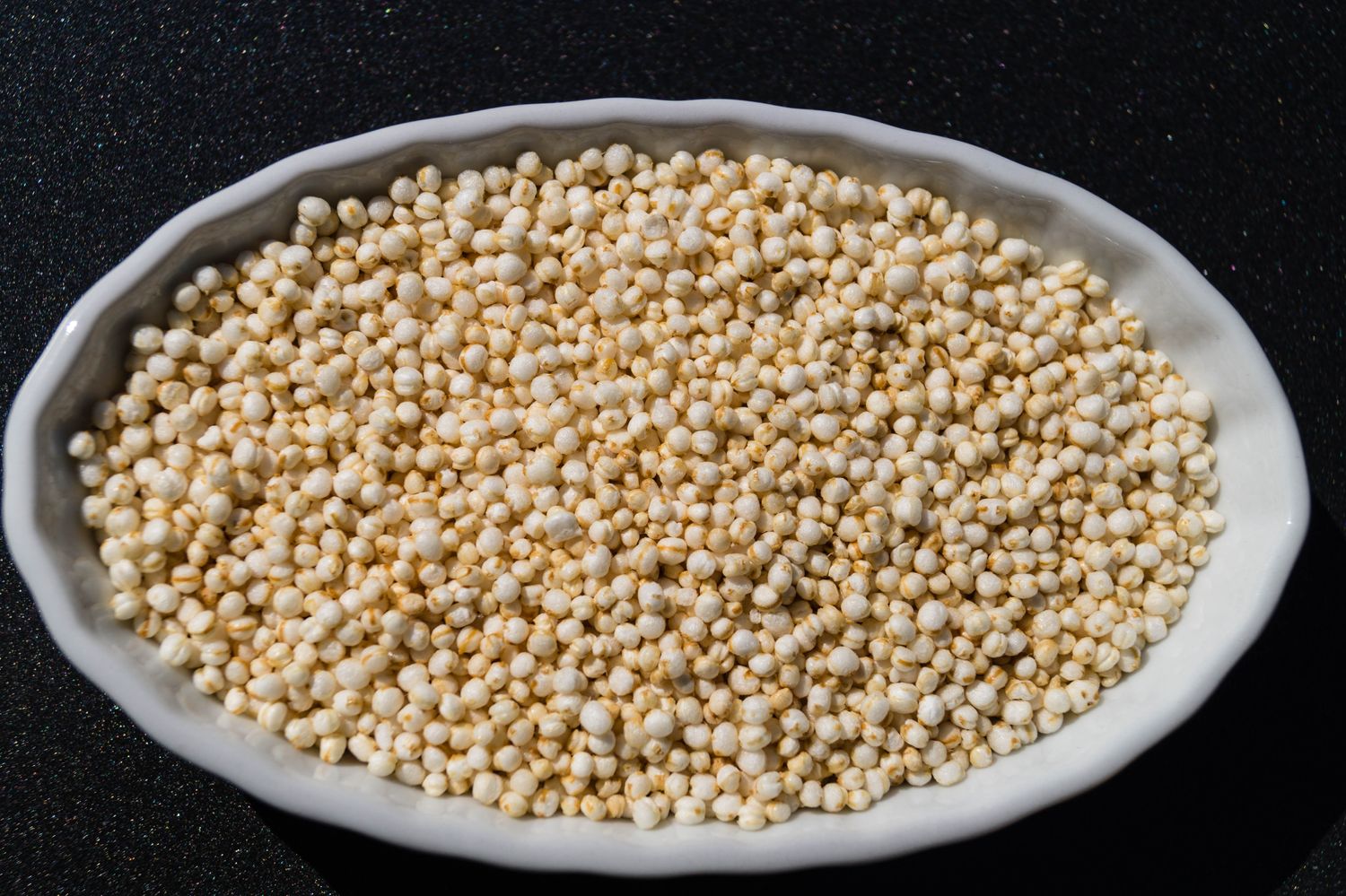

Millets, the humble yet nutritious grains that have been a staple in many cultures for centuries, are regaining their rightful place in modern-day cooking. Whether you are looking to add more variety to your meals or aiming for a healthier lifestyle, millets offer a versatile and delicious solution. From replacing rice in your pilaf to incorporating them into hearty salads, the possibilities are endless. In this article, we will explore the numerous ways you can use millets in your everyday cooking, providing you with ideas and tips to make the most of these wholesome grains.
One of the greatest advantages of incorporating millets into your cooking repertoire is their adaptability to a range of culinary styles. Their nutty and earthy flavors can complement various cuisines, from Mediterranean to Asian. For example, you can use millets as a base for a vibrant Mexican-inspired grain bowl, layering it with zesty avocado, black beans, and a squeeze of lime. Or perhaps you’re in the mood for a fragrant Moroccan tagine, where millets can replace couscous, absorbing the rich aromas of saffron, cinnamon, and dried fruits.
Beyond their remarkable versatility, millets are also hailed for their exceptional nutritional profile. Packed with vitamins, minerals, and dietary fiber, these grains promote good digestion and contribute to a balanced diet. Whether you choose to incorporate gluten-free millets like pearl millet or finger millet, or opt for highly alkaline varieties such as foxtail millet or barnyard millet, you can be assured of their health benefits. Millets are perfect for those who follow a vegetarian, vegan, or gluten-free diet, serving as an excellent source of plant-based protein and energy.
The cooking process for millets is relatively simple and does not require any specialized equipment or expertise. To begin, ensure you rinse the grains thoroughly under running water to remove any impurities or bitterness. Then, for added flavor and fluffiness, lightly toast the millets in a dry pan before cooking. This step brings out their natural aroma and enhances their texture. As a general rule, cook millets in a ratio of 2:1, with two parts water to one part grain. Simmer gently for approximately 15-20 minutes, until the millets are tender and have absorbed the liquid.
Millets can be used as a wholesome alternative in common dishes you enjoy daily. For instance, instead of using refined flour for pancakes or waffles, try incorporating millet flour into the batter for a delightful twist. You’ll be pleasantly surprised by the added nuttiness and the tender yet crisp texture it imparts. Likewise, you can create delicious and nourishing soups by replacing pasta or rice with millets. Simmer them in a flavorful broth with a medley of vegetables and herbs, and you have a satisfying meal ready in no time.
Finally, it is worth mentioning that millets are not only beneficial for our health but also for the environment. These grains are resistant to drought and require far less water to grow compared to other commonly cultivated crops. By embracing millets in our everyday cooking, we can contribute to sustainable farming practices and minimize the strain on diminishing water resources. In a world where conscious choices matter more than ever, incorporating millets into our diet is a small step towards a greener future.
In conclusion, millets hold immense potential in elevating the taste, nutrition, and overall quality of our everyday meals. Their adaptability, health benefits, simple cooking process, and positive environmental impact make them an excellent addition to any kitchen. With the creative ideas and tips provided in this article, you can embark on a culinary adventure and discover the diverse flavors and textures that millets have to offer. So why not give them a try and experience the magic of millets in your own everyday cooking?
The Benefits of Including Millets in Your Diet
Millets, such as foxtail millet, finger millet, and pearl millet, are gaining popularity in the culinary world due to their numerous health benefits. These ancient grains are rich in fiber, essential minerals, and antioxidants, making them an excellent addition to a balanced diet. Millets are gluten-free and have a low glycemic index, making them suitable for people with gluten intolerance or diabetes. They also help in weight management, promote digestive health, and reduce the risk of chronic diseases. By incorporating millets into your everyday cooking, you can take a big step towards improving your overall well-being.
One of the primary advantages of millets is their versatility in cooking. You can use millets in a variety of dishes, ranging from breakfast to dinner, to add a healthy twist without compromising on taste. From delicious millet porridges and pilafs to hearty soups and crunchy salads, the options are endless.
Millet as a Substitute for Rice and Wheat
If you are looking to reduce your consumption of refined grains like rice and wheat, millets are a perfect alternative. Millets can be cooked and eaten just like rice, either by boiling, steaming, or using a rice cooker. They have a slightly nutty flavor and a pleasant texture, making them an interesting replacement for rice in traditional dishes such as pulao, biryani, and fried rice. Similarly, you can replace wheat flour with millet flour to prepare delicious gluten-free chapatis, rotis, or flatbreads. This allows you to enjoy your favorite meals while reaping the health benefits of millets.
Furthermore, millets can be easily powdered to make flour, which can be used in baking cakes, cookies, muffins, and bread. With a little experimentation, you can create unique recipes by combining millet flour with other gluten-free flours like almond flour or buckwheat flour.
Millet-based Breakfast Ideas
Start your day on a nutritious note by incorporating millets into your breakfast routine. Millet porridge, also known as millet khichdi, is a hearty and filling option. Cook millets with vegetables and spices of your choice to prepare a flavorful and wholesome breakfast bowl. You can also make millet pancakes by substituting all-purpose flour with millet flour. Top them with fresh fruits and a drizzle of honey for a delicious and nutritious morning treat.
If you prefer a grab-and-go breakfast option, millet-based granola bars or energy balls are perfect. Mix millet flakes with nuts, dried fruits, and a natural sweetener such as honey or maple syrup. Shape the mixture into small bars or balls and refrigerate. These energy-packed snacks will keep you fueled throughout the day.
Millet in Savory Lunch and Dinner Recipes
Millets can enhance the nutritional value and taste of your lunch or dinner meals. Prepare millet pilaf by sautéing cooked millets with vegetables, spices, and herbs. This wholesome and flavorful dish pairs well with curries, stir-fried vegetables, or grilled chicken or fish. Alternatively, millet can be used to thicken soups and stews, adding a heartier texture and a nutty flavor.
Another popular savory millet recipe is a vegetable-filled millet gratin. Layer cooked millets with roasted vegetables, cheese, and a creamy sauce, then bake until golden. This indulgent yet healthy dish will satisfy your cravings while providing essential nutrients.
Millet Desserts and Snacks
Millets can also be a delightful addition to your sweet treats and snacks. For a healthier dessert, try making millet pudding by cooking millets in coconut milk and sweetening it with jaggery or natural sweeteners. Add cardamom or cinnamon for an aromatic touch. You can also use millet flour to bake cookies, muffins, or cakes. The nutty flavor of millets adds a unique twist to traditional baked goods.
When it comes to snacks, millet-based options are endless. Roasted millet nuts, millet crackers, or even crispy millet-based granola are great choices for a quick energy boost between meals. With these tasty snacks, you can satiate your hunger while promoting a healthier lifestyle.
Tips for Cooking with Millets
When cooking with millets, it is important to rinse them thoroughly under running water before use. This removes any impurities and bitter taste. Soaking them for a few hours or overnight can also reduce the cooking time and enhance their digestibility. To cook millets, use a 2:1 water-to-millet ratio and simmer for around 15-20 minutes until they become tender. However, the cooking time may vary depending on the variety of millet used.
Experiment with different types of millets to discover your favorite flavors and textures. While some millets are fluffy and light, others have a slightly chewy texture. Mixing a few varieties can also give your dishes an interesting mix of colors and flavors. Don’t be afraid to explore and create your own millet-based recipes – the possibilities are endless!
Summary
Millets, a nutritious grain that has been a staple in many cultures, are making a comeback in modern cooking. They offer versatility and deliciousness, allowing for a variety of dishes. Millets can be used in different culinary styles, from Mediterranean to Asian, and can be a base for Mexican-inspired grain bowls or a replacement for couscous in Moroccan tagines. They are also packed with beneficial vitamins, minerals, and fiber, making them a nutritious choice for vegetarian, vegan, and gluten-free diets. Cooking millets is simple and they can be used as an alternative in pancakes, waffles, soups, and more. Additionally, millets are environmentally friendly, requiring less water to grow. Overall, incorporating millets into everyday cooking can enhance taste, nutrition, and contribute to a greener future.
FAQ
How do I incorporate millets into my everyday cooking?
Millets can be used in various ways to add nutrition and diversity to your meals. As a substitute for rice or grains, you can cook millets like any other grain by boiling them in water or broth until they are tender. Millets can also be ground into flour and used for baking bread, cookies, or pancakes. They can be added to soups, stews, and salads, or even used as a base for porridge. Additionally, you can incorporate millet flour into your homemade granola bars or energy balls for a nutritious snack.
Keep in mind that different varieties of millets may have different cooking times and water ratios, so it’s important to follow specific instructions for each type. Experiment with different recipes, blend them with other ingredients, and embrace the versatility of millets to enjoy their nutritional benefits.
Are millets suitable for people with gluten intolerance or allergies?
Yes, millets are gluten-free, which makes them an excellent choice for individuals with gluten intolerance or celiac disease. Millets are naturally gluten-free and do not contain the proteins that can trigger adverse reactions in those with gluten sensitivities. This makes millets a great alternative to wheat, barley, or rye for people who need to follow a gluten-free diet.
Millets not only provide a gluten-free option but also offer a range of health benefits. They are rich in fiber, vitamins, and minerals, and promote healthy digestion, weight management, and overall wellbeing. Whether you are gluten-intolerant or simply seeking to diversify your diet, millets can be a nutritious and delicious addition to your everyday cooking.
How do I store millets for long-term use?
To ensure the longevity of your millets, it’s essential to store them properly. Millets should be stored in airtight containers in a cool, dark, and dry place, away from direct sunlight, heat, or moisture. Humidity can lead to the growth of molds or pests, so it’s important to keep millets in a dry environment to prevent spoilage.
You can extend the shelf life of millets by refrigerating or freezing them. Millets can be stored in the refrigerator in airtight containers or resealable bags for up to 6 months, while freezing them can preserve their quality for up to a year. Before cooking, ensure you inspect the millets for any signs of spoilage, such as a musty smell, discoloration, or pests. By following these storage guidelines, you can enjoy the nutritional benefits of millets in your everyday cooking for an extended period.
Can millets be used to replace other grains in recipes?
Absolutely! Millets are versatile and can be used as a substitute for other grains in a wide range of recipes. For example, instead of rice, you can use cooked millets to make flavorful pilafs, stir-fries, or sushi rolls. Millet flour can replace wheat flour in baked goods like bread, muffins, or pie crusts.
When using millets as a replacement, it’s important to consider the cooking time and water ratio involved. Millets tend to cook faster than some other grains, so you might need to adjust the cooking time accordingly. Also, each variety of millet may have its own unique texture and flavor, so experimenting with different types can lead to exciting new culinary experiences. Whether you’re looking to reduce gluten intake or simply try something new, incorporating millets into your everyday cooking can provide a healthy and tasty alternative to traditional grains.