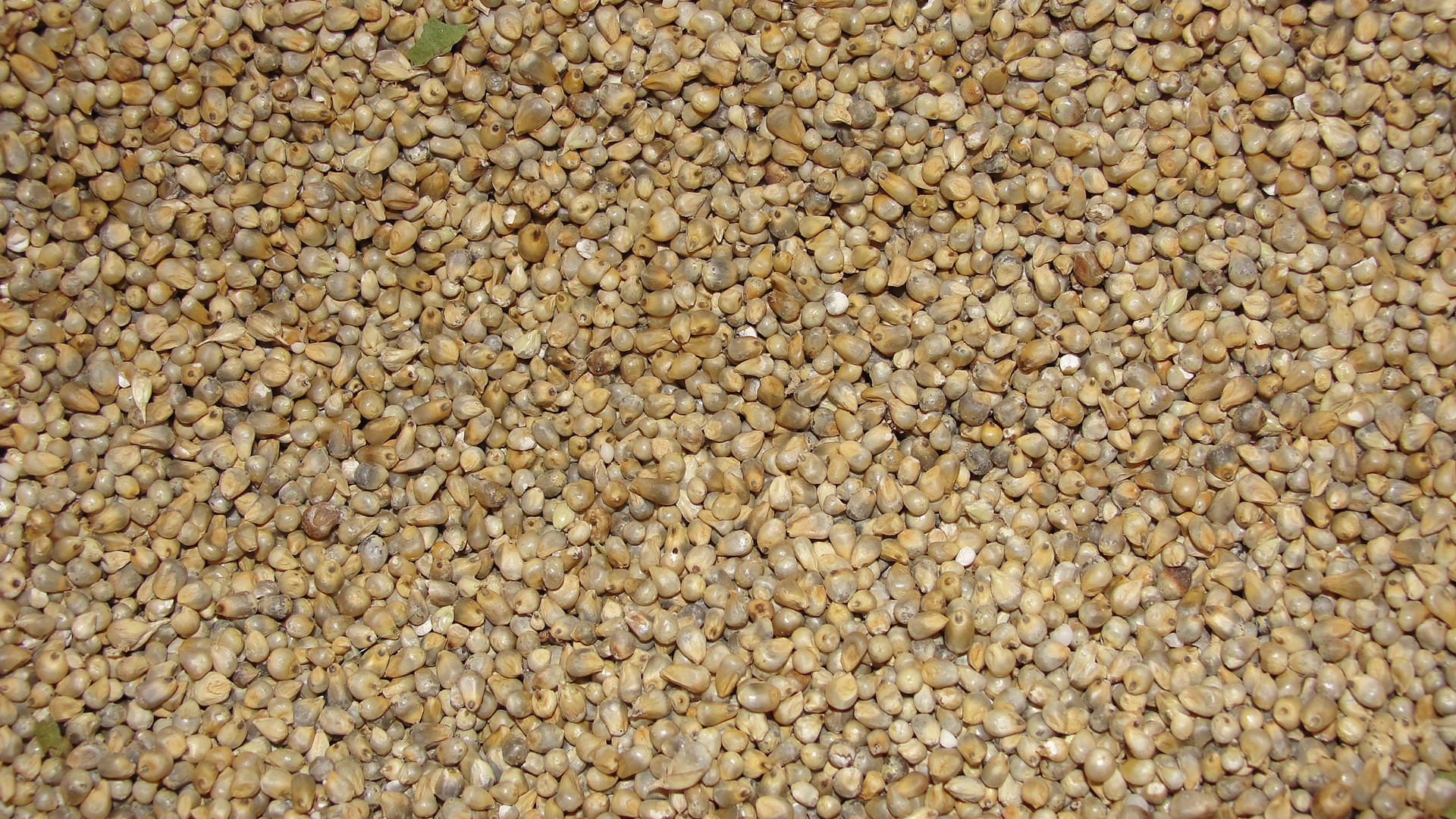
In today’s fast-paced world, where convenience often outranks nutrition in our daily food choices, it becomes crucial to pause and rediscover the potential of wholesome and nutrient-rich foods. Amidst this quest for nutrition, one class of grains emerges as a true powerhouse: millets. These ancient grains have been a staple in many parts of the world for centuries, but they have recently caught the attention of health enthusiasts and nutrition experts alike. Millets offer an array of benefits, from their remarkable nutritional profile to their versatility in various culinary creations. Join us as we embark on a journey to explore the wondrous nutritional qualities of millets and understand their role in a well-balanced diet.
Nutrition plays a fundamental role in our overall well-being, and millets have much to contribute in this regard. These small, yet mighty grains are packed with essential nutrients that can fuel our bodies and support optimal health. Loaded with fiber, proteins, vitamins, and minerals like magnesium, potassium, and iron, millets can provide a substantial boost to our daily nutritional intake. Whether you are seeking to maintain a healthy weight, combat chronic diseases, or simply improve your overall energy levels, millets offer a valuable addition to any diet.
What truly distinguishes millets is their exceptional diversity and adaptability. With a vast array of millet varieties available, including pearl millet, finger millet, sorghum, and foxtail millet, there is something to suit every palate and dietary need. From traditional Indian flatbreads like rotis and dosas to contemporary dishes like salads, stews, and even baked goods, millets can easily be incorporated into a wide range of recipes. Their neutral flavor profile allows them to seamlessly blend with various ingredients, adding a unique texture and nutritional punch to a variety of dishes.
Beyond their nutritional value and versatility, millets can also play a vital role in sustainability and environmental preservation. These grains are known for their resilience, thriving in arid and challenging conditions without the need for excessive water or pesticides. With the growing concerns over water scarcity and climate change, incorporating millets into our diets can contribute to more sustainable agricultural practices and help minimize our ecological footprint. By embracing the goodness of millets, we not only nourish ourselves but also contribute to a healthier planet.
While millets have immense potential, their journey to becoming a dietary staple for many has been obstructed by several misconceptions. Often overshadowed by more popular grains like rice and wheat, millets have been unfairly marginalized, especially in urban areas. However, with the increasing demand for nutritious alternatives and a deeper understanding of their benefits, millets are gradually gaining the recognition they deserve. From promoting satiety to managing blood sugar levels, these grains have proven their worth, challenging the conventional notions around what constitutes a healthy diet.
As we explore the incredible nutritional powerhouse of millets, we must also consider the various ways in which they empower communities and promote socio-economic sustainability. Millet production can create employment opportunities, particularly in rural areas, leading to improved livelihoods and economic growth. Additionally, the cultivation and consumption of local, indigenous grains like millets can foster a sense of cultural identity and revive traditional agricultural practices. Embracing millets not only benefits our health but also contributes to building resilient and socially inclusive food systems.
In this article, we will delve into the remarkable nutritional properties of millets, uncover the scientific evidence supporting their health benefits, and provide practical tips to incorporate them into your daily meals. Whether you are a health-conscious individual, an adventurous chef, or someone looking to better understand the ecological impact of our food choices, this exploration of millets will undoubtedly leave you inspired to infuse your diet with these glorious grains. So, let’s embark on this enriching journey and discover the true potential of millets in achieving a well-balanced and nourishing lifestyle.
1. What are Millets?
Millets are grains that have been cultivated for thousands of years and are widely consumed in many parts of the world. They are small-seeded grasses that belong to the Poaceae family and are rich in essential nutrients, including minerals, fiber, and antioxidants. Millets are naturally gluten-free, making them an excellent alternative for those with gluten intolerance or celiac disease.
Millets come in various types, such as pearl millet, foxtail millet, finger millet, and sorghum. Each type has its unique health benefits and culinary uses, but they all share some common nutritional characteristics that make them a great addition to a balanced diet.
2. Nutritional Value of Millets
Millets are known for their exceptional nutritional profile. They are rich in dietary fiber, which aids digestion and helps maintain a healthy weight. Additionally, millets are packed with essential minerals, such as magnesium, phosphorus, and iron, which play a crucial role in various bodily functions, including bone health, energy production, and oxygen transport.
Furthermore, millets contain a good amount of antioxidants, including phenolic compounds and flavonoids, which help protect our cells from damage caused by harmful free radicals. These antioxidants also possess anti-inflammatory properties, promoting overall well-being.
3. Millets and Weight Management
Incorporating millets into your daily diet can be beneficial for weight management. Millets have a low glycemic index, meaning they cause a slower rise in blood sugar levels compared to refined grains. This gradual release of energy prevents sudden spikes and crashes in blood sugar, leading to improved satiety and reduced cravings.
Moreover, the high fiber content in millets keeps you feeling full for a longer time, reducing the likelihood of overeating. It also supports healthy digestion and helps regulate bowel movements, preventing constipation and promoting a healthy gut.
4. Millets for Heart Health
Eating millets regularly can have a positive impact on heart health. Millets are naturally low in cholesterol and unhealthy fats while being rich in heart-friendly nutrients like potassium and magnesium. These minerals help maintain normal blood pressure levels, reducing the risk of hypertension and cardiovascular diseases.
The fiber content in millets also contributes to heart health by reducing the absorption of cholesterol in the bloodstream. By lowering LDL cholesterol levels, millets protect against plaque buildup in the arteries, thus reducing the risk of heart attacks and strokes.
5. Millets and Diabetes Management
For individuals with diabetes or those at risk of developing diabetes, millets can be an excellent addition to their diet. As mentioned earlier, millets have a low glycemic index, which means they cause a slower rise in blood sugar levels. This quality helps in better glycemic control and prevents sudden spikes and drops in blood sugar, promoting stable energy levels throughout the day.
Additionally, the fiber and magnesium in millets aid in insulin sensitivity, allowing cells to utilize glucose effectively. Incorporating millets into a meal plan for diabetes management can contribute to better blood sugar control and overall metabolic health.
6. Millets as a Source of Plant-Based Protein
In a world increasingly focused on plant-based eating patterns, millets serve as a valuable source of plant-based protein. Millets have a higher protein content compared to other grains, making them an excellent option for vegetarians and vegans.
The protein in millets contains a good balance of essential amino acids, which are the building blocks of proteins required for various bodily functions. Including millets in a vegetarian or vegan diet can help meet the recommended daily protein intake and support muscle growth, repair, and overall health.
7. Culinary Uses and Easy Incorporation of Millets
Millets have a mild nutty flavor and can be used in a variety of dishes. They can be cooked and substituted for rice or quinoa in traditional recipes such as pilafs, biryanis, and salads.
Millet flour can be used to make gluten-free baked goods like bread, muffins, and cookies. It can also be added to smoothies, soups, and stews as a thickening agent. With their versatility, millets can be easily incorporated into your daily meals, boosting the nutritional value without compromising taste.
8. Conclusion
Millets are a nutritional powerhouse that offers numerous health benefits. From aiding in weight management and heart health to diabetes management and providing plant-based protein, millets are a valuable addition to a balanced diet.
Consider incorporating different types of millets into your meals to enjoy their unique flavors and reap the nutritional rewards. By discovering and including millets in your dietary routine, you take a significant step towards a healthier, more vibrant lifestyle.
Summary
This article discusses the nutritional benefits, versatility, and sustainable qualities of millets. Millets are ancient grains that are packed with essential nutrients like fiber, proteins, vitamins, and minerals. They can be incorporated into various dishes, from traditional Indian recipes to contemporary salads and baked goods. Millets are also environmentally friendly, as they can thrive in challenging conditions without excessive water or pesticides. Despite being underappreciated compared to popular grains like rice and wheat, millets are gaining recognition for their health benefits and potential to create employment opportunities and preserve traditional agricultural practices. The article aims to inspire readers to include millets in their diet for a well-balanced and nourishing lifestyle.
FAQ
What exactly are millets and why are they considered a nutritional powerhouse?
Millets are a group of small-seeded grasses that have been cultivated for thousands of years as staple crops in many regions. They are highly nutritious as they are packed with essential nutrients like fiber, protein, vitamins, and minerals. Millets are also gluten-free and have a low glycemic index, making them suitable for individuals with gluten intolerance or those looking to manage their blood sugar levels. Moreover, millets are rich in antioxidants and phytochemicals that contribute to their reputation as a nutritional powerhouse.
How can millets contribute to a balanced diet?
Millets are a valuable addition to a balanced diet as they offer a range of health benefits. Firstly, millets are an excellent source of dietary fiber, promoting better digestion, preventing constipation, and increasing satiety, which aids in weight management. Secondly, the protein content in millets, especially in foxtail millet, finger millet, and barnyard millet, is higher than in other cereals, making them an ideal choice for vegetarians and vegans. Thirdly, millets are rich in minerals like iron, calcium, phosphorus, and magnesium, which are essential for maintaining strong bones and overall well-being. Lastly, the low glycemic index of millets helps regulate blood sugar levels, reducing the risk of diabetes.
How can millets be incorporated into a daily diet?
There are numerous ways to incorporate millets into your daily diet. Millets can be cooked and enjoyed as a replacement for rice or couscous. They can also be used to make porridge, upma, halwa, or added to soups, stews, salads, and smoothies. Additionally, millet flour can be used for making rotis, bread, pancakes, and cookies. By substituting refined grains with millets, you can enhance the nutritional value of your meals and diversify your food choices. It is important to note that millets require soaking or cooking with water before consuming to eliminate anti-nutrients and improve digestibility.
Are there any potential side effects or precautions to consider when consuming millets?
Millets are generally safe to consume and have been a part of traditional diets in many cultures. However, some individuals may be allergic or intolerant to millets, experiencing symptoms like bloating, gas, or digestive discomfort. If you experience any adverse reactions after consuming millets, it is recommended to consult a healthcare professional. Additionally, millets contain compounds called “goitrogens,” which can interfere with thyroid function when consumed in large quantities. It is important to consume millets as part of a balanced diet and not rely solely on them as the main source of nutrition. Pregnant and breastfeeding women, as well as individuals with known thyroid disorders, should consult their healthcare provider before making significant dietary changes involving millets.