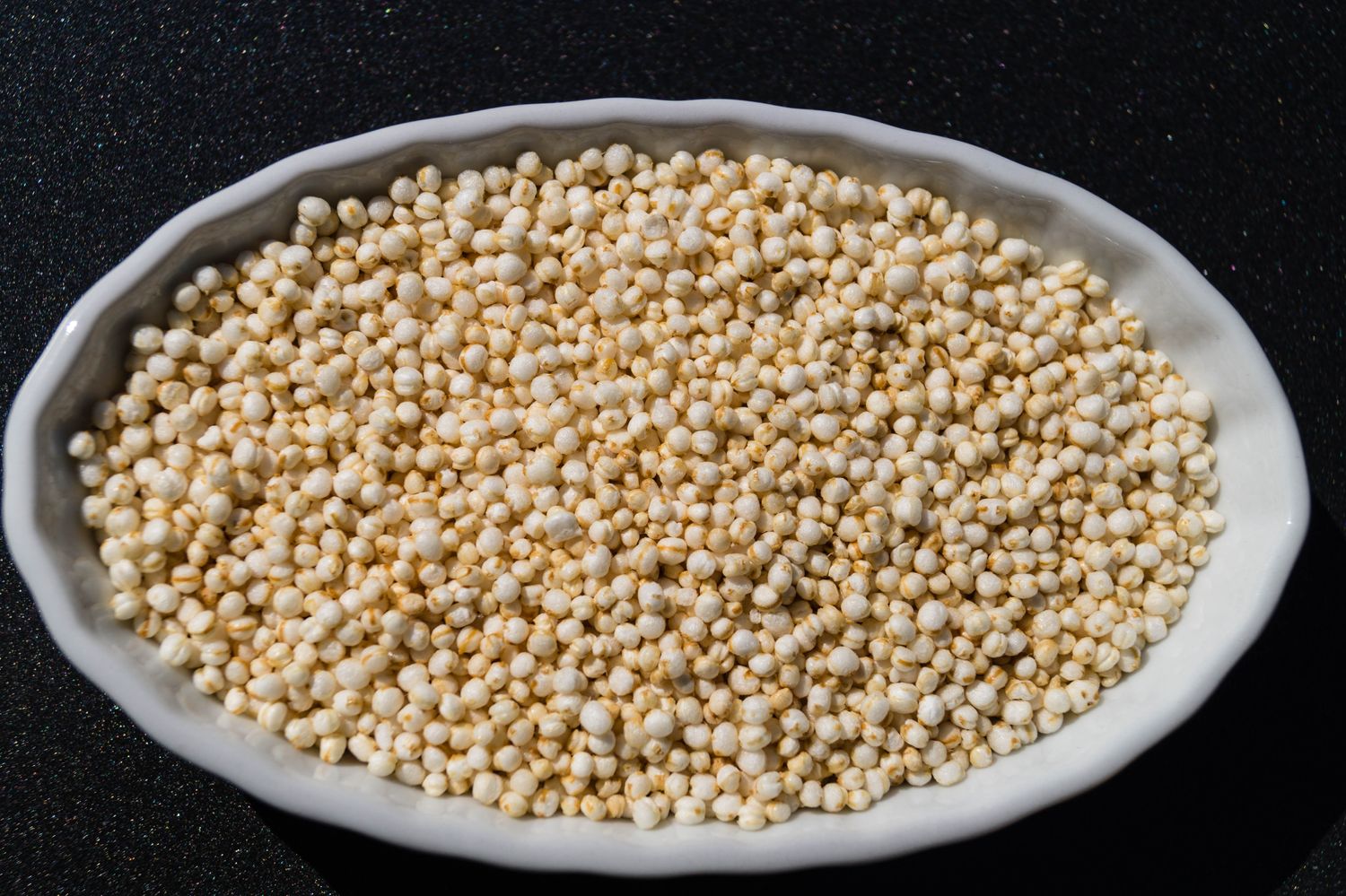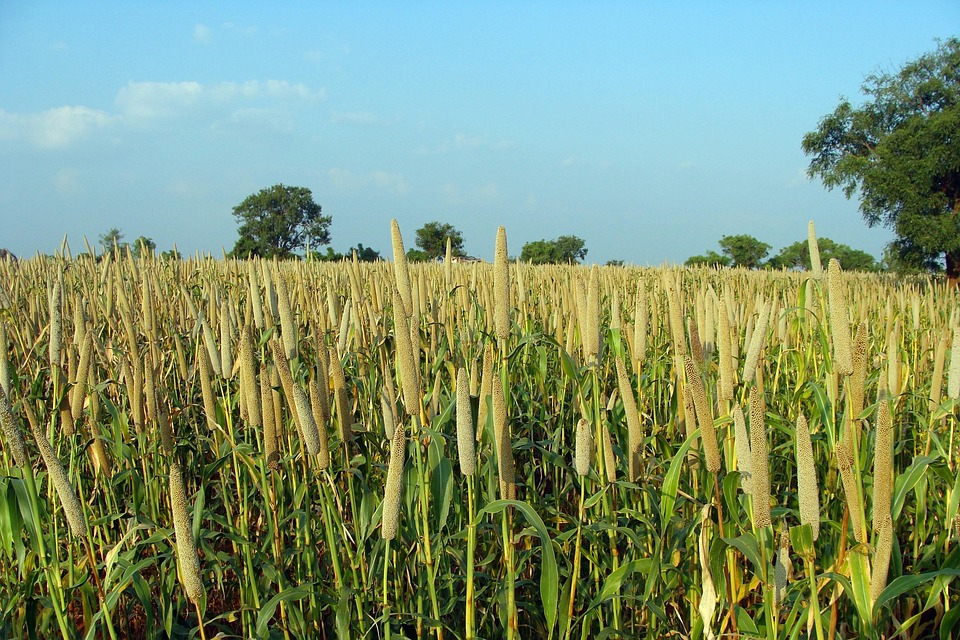
In an ever-changing world, where sustainability and food security are paramount concerns, millet farming has emerged as a viable option for agricultural communities across the globe. As an ancient grain with a rich history dating back thousands of years, millet offers a myriad of benefits to both farmers and consumers alike. Its hardy nature allows it to thrive in harsh conditions, making it an excellent choice for regions grappling with climate change and water scarcity. However, as with any agricultural endeavor, millet farming also presents challenges that need to be considered. In this comprehensive guide, we will delve into the pros and cons of millet farming, exploring its potential for providing nutritious sustenance and promoting environmental resilience, while simultaneously examining the limitations and obstacles that farmers may encounter along the way.
One of the most compelling advantages of millet cultivation lies in its ability to adapt and flourish in a wide range of agroecological zones. Unlike other major cereal crops, such as wheat or maize, millet does not demand extensive irrigation or copious amounts of fertilizers. With its shallow roots, millet can still extract vital nutrients from low-quality soils, enabling farmers to grow this resilient crop in areas where other crops struggle to survive. Moreover, millet exhibits an impressive tolerance for drought conditions, making it an ideal choice for regions plagued by erratic rainfall patterns and increasing aridity due to climate change. This versatility in growing conditions positions millet as a promising option to curb food insecurity and boost rural economies in vulnerable areas.
Beyond its adaptability, millet boasts numerous nutritional merits that make it an appealing staple grain. Packed with essential vitamins and minerals─ including calcium, iron, and magnesium─this powerhouse grain offers a valuable source of nutrients for populations vulnerable to malnutrition and micronutrient deficiencies. Additionally, millet has a lower glycemic index compared to refined grains, making it an attractive alternative for those monitoring their blood sugar levels. Furthermore, it is gluten-free, rendering millet a safe and nutritious choice for individuals with celiac disease or gluten sensitivities. By incorporating millet into their diets, both individuals and communities can reap the rewards of improved nutrition, contributing to better overall health and well-being.
It is crucial to acknowledge, however, that millet farming does present certain challenges that farmers must navigate. One such obstacle revolves around market demand and consumer preferences. Despite its impressive nutritional content and adaptability, millet remains largely underutilized and undervalued, often neglected in favor of more widely recognized grains. This lack of market recognition can pose economic barriers for farmers seeking to establish a profitable livelihood through millet farming. Additionally, limited infrastructure and value chain development further impede efforts to link millet producers with potential consumers, further amplifying the struggle to sell their harvests at fair prices.
Despite the hurdles and constraints associated with millet farming, bold initiatives and collaborative efforts are emerging to promote millet’s potential on a larger scale. Governments, NGOs, and research institutions are recognizing the value of this ancient grain, investing in research and development to enhance millet production and utilization. By elevating millet’s profile through increased promotion and awareness, policymakers and market actors seek to create market linkages that adequately reward farmers for their efforts. Embracing millet as a sustainable and nutritious option requires a multidimensional approach that involves education, policy support, and integration into national agricultural strategies.
In conclusion, millet farming offers a promising pathway towards sustainable agriculture and enhanced food security. Its resilience, adaptability, and nutritional benefits make it a valuable resource, particularly in the face of environmental challenges and a growing need for diverse, nutrient-dense foods. While obstacles such as limited market demand and infrastructure remain, efforts to elevate millet’s status are gaining traction, presenting opportunities for farmers to thrive in a changing agricultural landscape. By understanding and appreciating the pros and cons of millet farming, we can collectively unlock the potential of this ancient grain and pave the way for a more sustainable and nourished future.
Millet farming is a popular agricultural practice worldwide due to the various health benefits and yield potentials of the crop. However, like any farming methods, millet farming also has its advantages and disadvantages. In this comprehensive guide, we will take a closer look at the pros and cons of millet farming to help you decide if this is the right crop for you.
Pros of Millet Farming
One of the biggest advantages of millet farming is its ability to adapt to different environmental conditions. Millets can be grown in various soils, including heavy clay, sandy, or shallow soils, and they require minimal water and fertilizer compared to other crops. Another advantage of millet farming is the high nutritional value of the crop. Millets are rich in essential nutrients like magnesium, copper, and phosphorus and offer various health benefits to consumers, such as lowering blood pressure and improving digestion.
Cons of Millet Farming
One of the main disadvantages of millet farming is the low-profit margin compared to other crops. Millets are often sold at a lower price than crops like wheat and rice, which reduces the economic incentives for farmers to grow them. Additionally, millet farming is vulnerable to pest attacks, especially birds and rodents, which can cause significant crop losses. Finally, millet farming can also be labor-intensive, requiring manual labor for weeding and harvesting, which can increase the production costs.
Environmental Impacts of Millet Farming
Millet farming can have both positive and negative effects on the environment. On the positive side, millets require little water and fertilizer inputs, reducing the impact of agricultural runoff on the environment. Millet farming can also help to improve soil health and prevent soil erosion. On the negative side, millet farming can lead to deforestation, especially in areas where forests are cut down for cultivating the crop. Additionally, millet farming can contribute to greenhouse gas emissions, mainly due to the use of fertilizers and other inputs.
Health Benefits of Millets
Millets offer a wide range of health benefits to consumers. Millets are rich in antioxidants, which can help to prevent chronic diseases like cancer and heart disease. Millets are also a good source of dietary fiber, which can help to improve digestion and reduce the risk of constipation. Additionally, millets are gluten-free, making them an excellent alternative for people with gluten intolerance or celiac disease.
Uses of Millets
Millets have various uses, ranging from food to animal feed. In many parts of the world, millets are a staple food, used for making porridge, bread, and beer. Millets are also used as birdseed and livestock fodder due to their high nutrient content. Furthermore, millets are increasingly used in the food industry as a source of gluten-free flour or as an ingredient in breakfast cereals and energy bars.
Market Potential of Millet Farming
Millet farming has a high market potential due to the growing demand for healthy and sustainable food products. Millets are gaining popularity in the western world due to their gluten-free and high nutritional values. Moreover, millets are an essential food crop in many developing countries, especially in Africa and Asia, with a growing population and increasing food demand.
Conclusion
Millet farming has both pros and cons, and its suitability depends on various factors, such as climatic conditions, production costs, and market demand. However, millet farming can be a profitable and sustainable practice if done correctly and in the right conditions. Ultimately, the benefits of millets, such as their high nutritional value and environmental sustainability, offer a compelling reason to consider millet farming as an option for farmers and consumers alike.
Summary
Millet farming is growing in popularity as a sustainable and nutritious option for agricultural communities worldwide. Millet is a hardy grain that can thrive in harsh conditions, making it suitable for regions facing climate change and water shortages. It requires less irrigation and fertilizer compared to other crops and can extract nutrients from low-quality soils. Additionally, millet is packed with essential vitamins and minerals, making it a valuable source of nutrition for populations at risk of malnutrition. However, market demand and limited infrastructure present challenges for millet farmers. Nonetheless, efforts are being made to promote millet and support farmers through research, development, and policy initiatives. Overall, millet farming has great potential for sustainable agriculture and food security.
FAQ
What are the potential benefits of millet farming?
Millet farming offers several advantages that make it an attractive option for farmers. Firstly, millets are known for their resilience and adaptability to various climatic conditions, making them suitable for cultivation in arid and semi-arid regions where other crops may struggle. Additionally, millets are highly nutritious, packed with essential vitamins, minerals, and dietary fiber. They are gluten-free and have a low glycemic index, making them a healthier alternative to processed grains for individuals with gluten sensitivities or diabetes. Moreover, millet crops have a relatively shorter growing cycle compared to many other grains, allowing farmers to harvest multiple times a year, thereby increasing their income potential.
However, it’s important to consider the potential challenges associated with millet farming as well.
What are the main challenges faced in millet farming?
Millet farming does present certain challenges that farmers need to be aware of. One of the primary challenges is the lack of awareness and market demand for millets in many regions. While millets have significant nutritional benefits, they have been overshadowed by other cereal grains, leading to limited market access and low prices. This can be a deterrent for farmers looking to venture into millet farming. Additionally, millet crops require specific agronomic practices and inputs for optimal growth, such as suitable soil conditions, proper irrigation, and pest control. Farmers who are new to millet farming might require guidance and technical support to meet these requirements effectively.
How does millet farming contribute to sustainable agriculture?
Millet farming holds great potential in promoting sustainable agriculture practices. Firstly, millets are considered climate-smart crops as they require less water compared to water-intensive crops like rice or wheat. Farmers cultivating millets can contribute to water conservation efforts. Moreover, millets have deep roots that enhance soil health and fertility, reducing the need for excessive chemical fertilizers. This promotes agroecological practices and decreases the environmental impact of farming. Additionally, millets are often grown using traditional farming techniques that are more organic and eco-friendly, preserving the biodiversity of local ecosystems and promoting the retention of traditional knowledge.
Are there any social and economic benefits associated with millet farming?
Yes, millet farming has various social and economic benefits. Millets are staples in many regions around the world, particularly in developing countries. By encouraging millet farming, local economies can become more self-sufficient in food production and reduce dependence on expensive or imported grains. This can enhance food security and improve livelihoods, particularly for small-scale farmers. Furthermore, millet cultivation can create employment opportunities, both directly in farming activities and indirectly in processing and value addition, such as milling or manufacturing millet-based products. Promoting millet farming can also preserve cultural heritage and traditional farming practices, empowering rural communities and fostering community resilience.