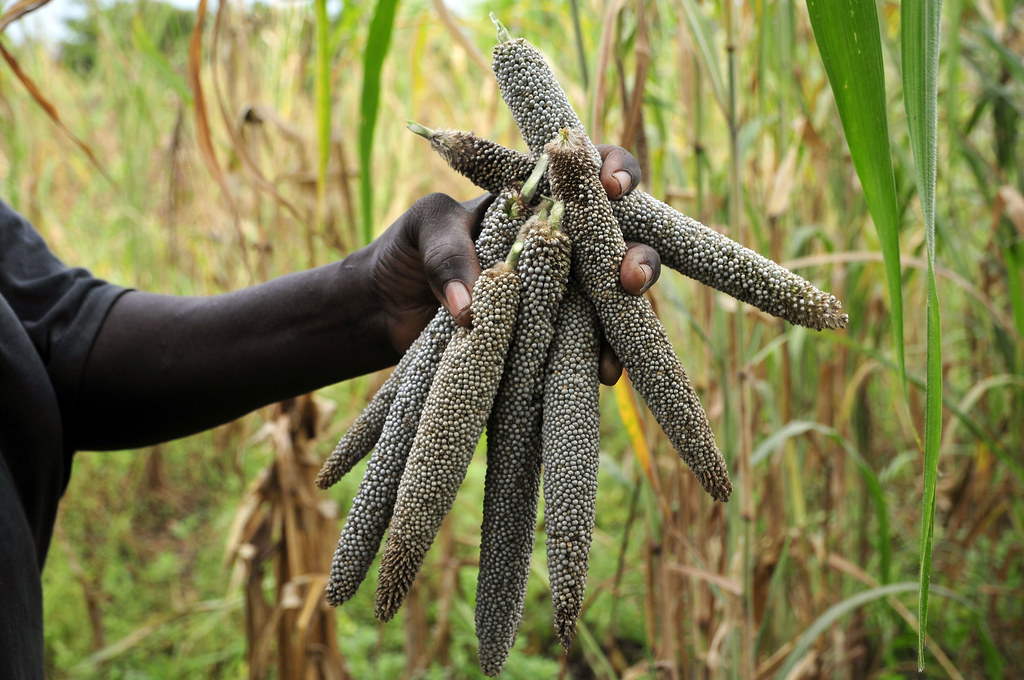
Millets, a group of small-seeded grains, have recently captured the attention of health-conscious consumers and food industry experts alike. As the demand for gluten-free alternatives continues to surge, millets are emerging as a promising solution. Packed with essential nutrients, these ancient grains offer a range of benefits, making them an excellent choice for individuals with gluten sensitivities or those simply seeking healthier options. From their remarkable diversity to their sustainability, millets possess the potential to revolutionize the food industry and transform the way we view gluten-free diets.
One of the most significant advantages of millets lies in their fantastic versatility. These grains come in various types, such as pearl millet, sorghum, and finger millet, each with its unique properties. From steaming bowls of creamy porridge to fluffy pancakes, and even hearty meat substitutes, millets can be incorporated into an array of recipes, catering to different tastes and culinary preferences. This adaptability makes millets an ideal choice for individuals looking to diversify their gluten-free diet while still enjoying a wide range of delicious dishes.
Apart from their culinary potential, millets offer a substantial nutritional value. These super grains are rich in vitamins, minerals, and fiber, promoting good digestive health, weight management, and a strengthened immune system. With the rising concerns over sedentary lifestyles and unhealthy eating habits, millets can claim their place as a prominent source of proper nourishment, assisting in combating various lifestyle-related ailments.
Moreover, millets possess remarkable sustainability as an added advantage over other gluten-free alternatives. These grains require minimal water, fertilizer, and pesticides to grow, making them environmentally friendly and cost-effective. This characteristic is particularly significant in today’s world, where sustainability has become a pressing concern. By incorporating millets into our diets, we not only enhance our personal well-being but also contribute to protecting the planet.
As millets gain recognition in the food industry, the demand for gluten-free products can be met with greater efficiency and variety. Manufacturers and chefs are actively exploring the potential of millets to craft bread, pasta, snacks, and even desserts that are both gluten-free and flavorful. This innovation allows individuals with gluten sensitivities to enjoy a broader range of options without compromising on taste or quality. By embracing millets, the food industry can cater to a larger consumer base effectively.
The rise in gluten-related disorders, such as celiac disease, has prompted a surge of interest in gluten-free diets. Millets, with their impeccable nutritional profile and gluten-free properties, have become a viable alternative for those seeking to eliminate or reduce gluten consumption. Furthermore, millets can offer relief to individuals experiencing digestive discomfort or inflammation caused by gluten sensitivity, providing them with a delicious solution that promotes overall well-being.
In conclusion, the potential of millets as a gluten-free alternative in the food industry is vast and promising. With their versatility, nutritional value, sustainability, and the ability to meet the increasing demand for gluten-free options, millets are ready to make their mark on the culinary world. As more people embrace healthier lifestyles and dietary restrictions, millets offer a remarkable solution, transforming the way we view gluten-free diets and redefining the possibilities of nutritious and flavorful foods. As the future unfolds, we can undoubtedly anticipate millets taking center stage on our plates and in the food industry.
Millets have gained significant attention in recent years as a gluten-free alternative in the food industry. With the increasing prevalence of gluten intolerance and celiac disease, millets offer a promising solution to cater to the needs of gluten-sensitive individuals. Millets, such as sorghum, pearl millet, finger millet, and foxtail millet, are ancient grains that have been consumed for centuries in various parts of the world. These grains are highly nutritious, low in glycemic index, and packed with essential vitamins and minerals, making them an ideal choice for those seeking gluten-free options.
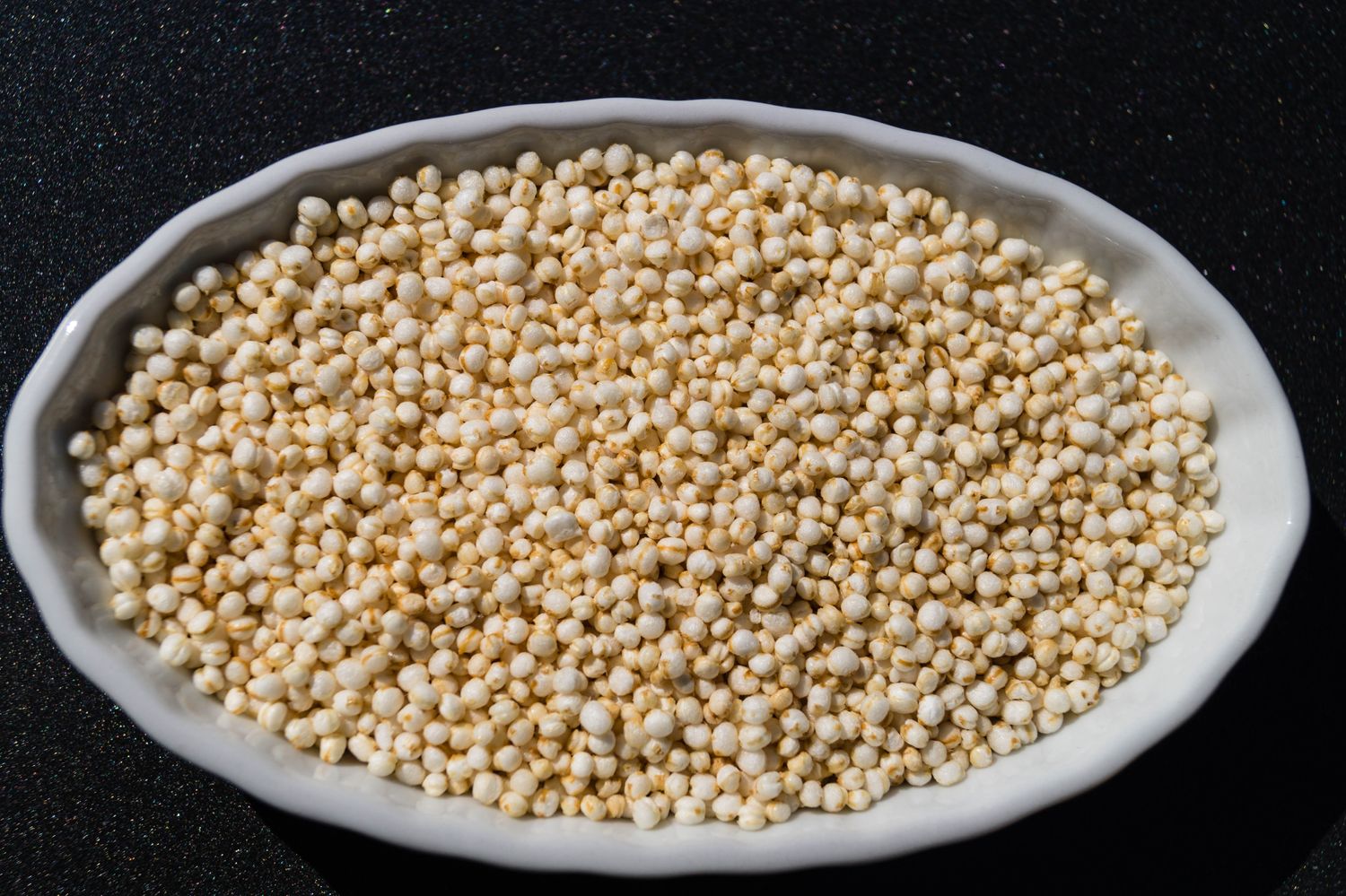
One of the main advantages of millets is that they can be easily incorporated into a variety of food products, ranging from bread and pasta to cookies and snacks. Millet flour, for example, can be used as a substitute for wheat flour in baking, providing a similar texture and taste. Moreover, millets can be processed into flakes or puffed forms, which can be utilized as an ingredient in granola bars, breakfast cereals, and other ready-to-eat products. This versatility of millets makes them an attractive option for food manufacturers looking to diversify their gluten-free product offerings.
Nutritional benefits of Millets
Millets offer numerous nutritional benefits that further enhance their appeal as a gluten-free alternative in the food industry. These grains are rich in dietary fiber, which aids digestion and contributes to a healthy gut. Additionally, millets are a good source of protein, providing a plant-based alternative for individuals looking to incorporate more protein into their diets.
Furthermore, millets are packed with essential vitamins and minerals, including iron, calcium, magnesium, and phosphorus. Iron is particularly important for preventing anemia, while calcium contributes to bone health. Magnesium and phosphorus support various bodily functions, including nerve and muscle function. Incorporating millets into the diet can thus help individuals meet their daily nutritional requirements and promote overall wellness.
Millets and the Baking Industry
In the baking industry, millets offer an excellent gluten-free alternative that can easily replace wheat flour in various products. Millet flour, for instance, has a mild, nutty flavor that adds a unique taste profile to baked goods. It also possesses binding properties, resulting in a similar texture to wheat-based products.
Moreover, millet flour’s fine texture allows for good hydration during baking, resulting in moist and tender products. This is particularly important in gluten-free baking, as gluten provides structure and moisture retention in traditional recipes. By utilizing millet flour, bakers can create gluten-free products that are equally delicious, satisfying the needs of both gluten-intolerant and gluten-tolerant consumers.
Millets and Snack Food Industry
The snack food industry is witnessing a growing demand for healthier, gluten-free snack options, and millets offer an excellent solution to meet this need. Millets can be transformed into various snack forms, providing a nutritious and tasty alternative to traditional snack foods.
For instance, millets can be processed into puffed forms, which can be used in the production of savory snacks like crisps. These puffed millets retain their crunchiness and provide a satisfying snacking experience. Additionally, millet flakes can be used as a base ingredient for granola bars, energy bites, and other wholesome snacks. The inclusion of millets in these snack products enhances their nutritional value by introducing dietary fiber, protein, and essential vitamins and minerals.
The Sustainability Aspect
In addition to their nutritional benefits, millets also offer environmental sustainability advantages. Millets are known for their ability to thrive in diverse agro-climatic conditions, requiring minimal water and fertilizer inputs. They are resilient crops that can withstand harsh climates, making them an excellent choice for sustainable farming practices.
Furthermore, millets have a short growing season and require less time to mature compared to many other grains, reducing the risk of crop failure. This makes them less dependent on irrigation and decreases the carbon footprint associated with their cultivation. As the demand for gluten-free alternatives increases, millet cultivation can be an environmentally friendly solution for the food industry, promoting sustainable agricultural practices and reducing the pressure on water resources.
Promoting Food Security with Millets
Millets have played a crucial role in ensuring food security in many developing countries. These grains are a staple food for millions of people, particularly in regions where staple crops like wheat and rice have limitations due to climate or economic factors.
By adopting millets as a gluten-free alternative, the food industry can contribute to global food security by diversifying dietary options and promoting the cultivation and consumption of resilient and nutritious crops. Embracing millets can not only cater to the needs of gluten-sensitive individuals but also support sustainable agriculture, alleviate the dependency on certain staple crops, and foster a more inclusive and sustainable food system.
The Future of Millets in the Food Industry
As the demand for gluten-free products continues to rise, millets have the potential to play a significant role in the food industry. These ancient grains offer a nutritious, sustainable, and versatile gluten-free alternative that caters to the needs of consumers with gluten intolerance or celiac disease.
As food manufacturers become more aware of the benefits of millets, we can expect to see an increase in the development of innovative millet-based products. The use of millets in the bakery, snack, and ready-to-eat sectors is likely to expand, providing consumers with an ever-growing range of gluten-free options. Moreover, increased adoption of millets benefits not only consumers but also farmers and the environment, making it a win-win situation for all stakeholders.
Summary
Millets, small-seeded grains, are gaining popularity as a gluten-free alternative in the food industry. They offer various benefits, including versatility, nutritional value, and sustainability. With different types like pearl millet and finger millet, millets can be used in a wide range of recipes, making them an excellent choice for gluten-free diets. Additionally, they are packed with vitamins, minerals, and fiber, promoting digestive health and weight management. Millets also require minimal resources to grow, making them environmentally friendly and cost-effective. As the demand for gluten-free products grows, millets have the potential to revolutionize the food industry and improve the options available for consumers.
FAQ
Can millets truly be a viable gluten-free alternative in the food industry?
Millets have gained recognition as a promising gluten-free alternative in the food industry due to their numerous health benefits and versatility in culinary applications. These ancient grains are naturally gluten-free and rich in essential nutrients such as fiber, protein, and antioxidants. Moreover, millets are known to have a lower glycemic index compared to other grains like wheat or rice, making them suitable for individuals with diabetes or those aiming to manage their blood sugar levels. With their unique texture and nutty flavor, millets can be used in a variety of dishes, including bread, pasta, porridge, and even desserts. As such, the potential of millets as a gluten-free alternative in the food industry is evident, offering consumers with gluten intolerance or preference for gluten-free diets a healthy and flavorful option.
Why should the food industry consider incorporating millets into their products?
Integrating millets into food products can be immensely beneficial for both the food industry and consumers. Firstly, millets are gluten-free, making them an inclusive choice for individuals with celiac disease or gluten sensitivity. By incorporating millets into their products, food companies can tap into a growing market segment that seeks gluten-free options, catering to the needs of a wider consumer base. Secondly, millets are incredibly nutritious, containing essential vitamins, minerals, and antioxidants. Utilizing millets in food products enhances their nutritional profile and aligns with the increasing demand for healthier, functional foods. Furthermore, millets are sustainable crops that require minimal water and pesticides to grow, making them an environmentally friendly choice for conscious consumers. By incorporating millets, the food industry can contribute to sustainable farming practices while appealing to consumers who prioritize eco-friendly choices.
Can millets be used as a substitute for wheat in baking?
Yes, millets can serve as an excellent substitute for wheat in baking. While wheat flour provides structure and elasticity due to gluten, millets offer a unique set of properties to achieve similar results. For example, millet flours, such as those made from pearl millet or finger millet, can be used in combination with other gluten-free flours like rice flour or tapioca flour to provide a desirable texture and taste. The choice of millet flour depends on the specific recipe and desired outcome, as different millet varieties may have varying flavors and textures. Additionally, using millet flour in combination with binding agents like xanthan gum or psyllium husk can help mimic the elasticity provided by gluten. With careful formulation and experimentation, millets can be successfully incorporated into various baked goods like bread, muffins, cakes, and cookies, providing a flavorful gluten-free alternative.
Are there any potential challenges in adopting millets as a gluten-free alternative in the food industry?
While millets show great potential as a gluten-free alternative in the food industry, there are a few challenges that need to be addressed. One primary concern is the limited awareness and familiarity of millets among consumers. To overcome this, efforts should be made to educate and create awareness about millets’ health benefits, culinary versatility, and their potential role as a gluten-free substitute. Additionally, the availability and accessibility of millet-based products may pose challenges, as the food industry needs to invest in research, development, and production to meet the growing demand. Collaborations between the food industry and agriculture sectors can help address issues related to sourcing, processing, and distribution of millets. Moreover, the formulation and texture attributes of millets may differ from traditional gluten-containing products, requiring appropriate research and development to ensure consumer acceptance. By actively addressing these challenges, the food industry can unlock the full potential of millets as a gluten-free alternative and cater to the varied dietary needs of consumers.