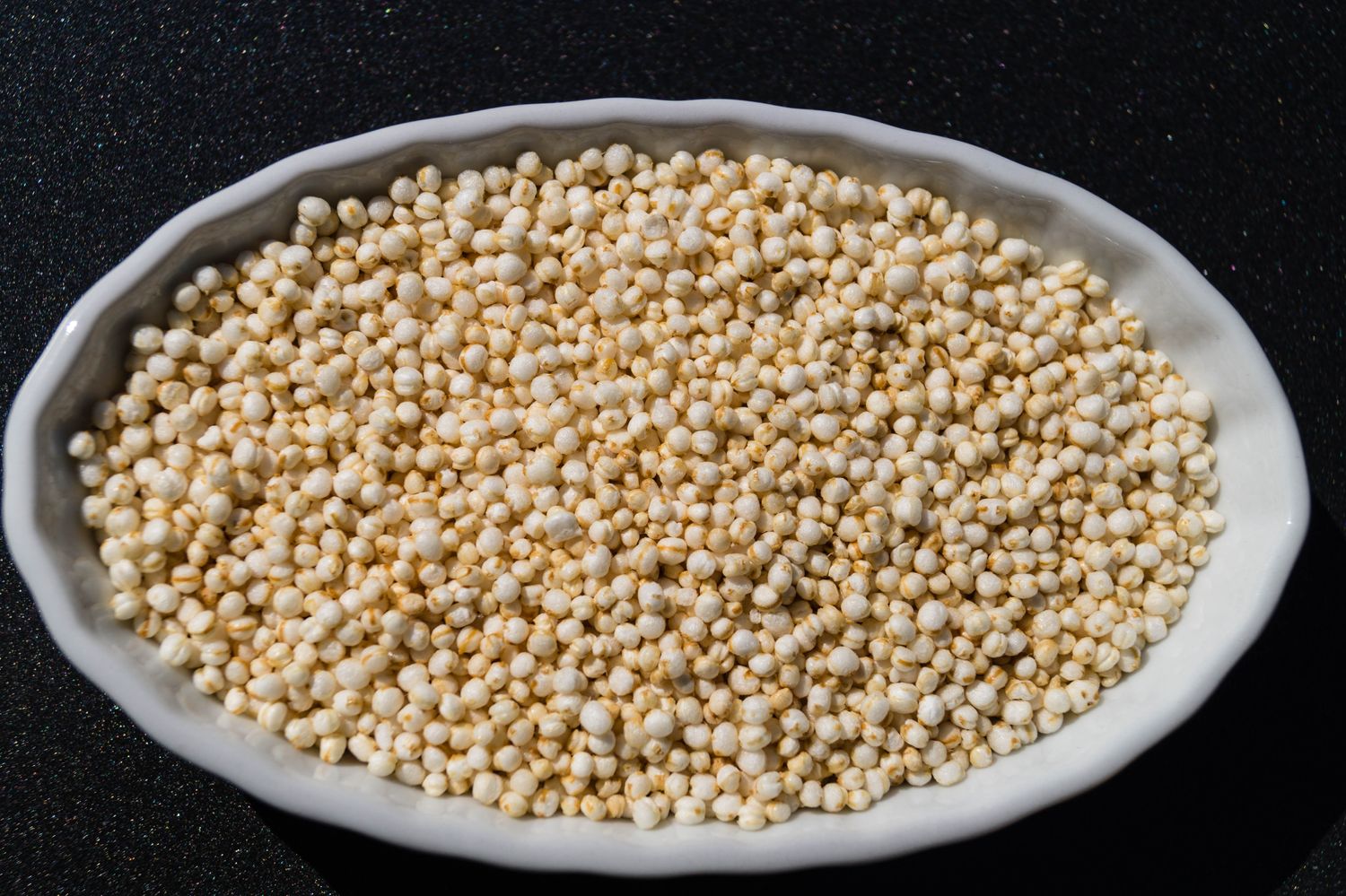

You may have noticed that the health food aisle in your local supermarket is brimming with an assortment of quinoa, chia seeds, and kale chips. While these trendy superfoods have captured our modern food scene by storm, it is vital to remember the ancient grains that have nourished civilizations for centuries. Though their popularity may have waned over time, millets, the unsung heroes of the grain world, are making a well-deserved comeback. From their humble beginnings in ancient civilizations to their resurgence as modern superfoods, the history of millets is a fascinating saga that deserves our attention.
Step into the annals of time, where our ancestors first embraced the humble millet grains as a staple food source. Dating back over 7,000 years, these tiny seeds quickly gained prominence in the diets of ancient civilizations across the globe. From the ancient Egyptians and Greeks to the Indians and Chinese, millets were revered for their versatility and resilience. These small but mighty grains thrived in diverse climates, making them an indispensable crop that sustained civilizations through times of scarcity and abundance.
Not only were millets praised for their adaptability, but they also boasted an impressive nutritional profile. Rich in essential nutrients like fiber, protein, and minerals, millets provided a wholesome and nourishing source of sustenance. Ingrained in the culinary traditions of countless cultures, millets were transformed into a myriad of delectable dishes. Whether it was the crunchy pearl millet flatbreads of India or the savory millet porridge of ancient Rome, these grains were celebrated for their gastronomic possibilities.
However, as time progressed and modern farming practices evolved, the dominance of millets in our diets slowly diminished. These ancient grains were overshadowed by the rise of mass-produced cereals like rice and wheat, whose high yield and easy cultivation captured the attention of farmers and consumers alike. In this dramatic shift, the rich cultural heritage and nutritional benefits of millets were sorely overlooked—until now.
Today, as we grapple with a myriad of health issues, ranging from diabetes to obesity, there is a renewed interest in the superpowers of millets. Their low glycemic index and gluten-free nature have garnered praise from health enthusiasts and nutritionists alike. The resurgence of millets in the wellness industry has breathed new life into these once-forgotten grains, catapulting them into superfood stardom. Their history, intertwined with the very fabric of human civilization, is now coming full circle as the world reembraces the gifts that millets have to offer.
So, join us on a journey through time as we delve into the captivating story of millets—from their ancient beginnings as humble grains sustaining empires to their triumphant revival as modern superfoods. Prepare to be dazzled by tales of resilience, forgotten traditions, and the remarkable health benefits of these little wonders. As we unravel the history of millets, we invite you to rediscover the extraordinary potential that lies within these unassuming grains and explore the powerful transformation they can bring to our culinary world and overall well-being.
Summary
Millets, the ancient grains that have nourished civilizations for centuries, are making a comeback in the health food industry. Dating back over 7,000 years, millets were revered for their versatility, resilience, and nutritional value. However, they were overshadowed by mass-produced cereals in modern times. Now, with a renewed interest in health and wellness, millets are gaining popularity again. Their low glycemic index and gluten-free nature have made them a favorite among health enthusiasts and nutritionists. This resurgence is bringing attention back to the rich cultural heritage and nutritional benefits of millets, transforming them into modern superfoods.
FAQ
What are millets and what is their historical significance?
Millets are ancient grains that have been cultivated for thousands of years. They are a group of small-seeded grasses that were once staple crops in many parts of the world, including Africa, Asia, and Europe. Millets played a crucial role in ancient civilizations as they provided a reliable source of nutrition and were adaptable to various environments. These grains were valued for their hardiness, drought resistance, and ability to grow in poor soil conditions. Millets served as a dietary staple for billions of people throughout history, contributing to their survival and sustenance.
How have millets evolved over time to become modern superfoods?
Millets have undergone a transformation from ancient grains to modern superfoods due to increased awareness of their nutritional benefits. These grains are naturally gluten-free and rich in complex carbohydrates, dietary fiber, vitamins, and minerals. They have a low glycemic index, making them an excellent choice for controlling blood sugar levels. The high protein content, including essential amino acids, makes millets a valuable source of plant-based protein. Additionally, millets contain antioxidants that help combat life-threatening diseases and promote overall well-being. As a result, millets have gained popularity as a nutrient-dense and sustainable alternative to other grains.
Are millets suitable for everyone, including those with dietary restrictions or allergies?
Millets are generally considered safe and suitable for most individuals, including those with dietary restrictions or allergies. Since millets are gluten-free, they are an excellent choice for individuals with celiac disease or gluten sensitivity. However, it’s worth noting that some people may be allergic to specific millet varieties, such as finger millet or pearl millet. As with any new food, it’s advisable to introduce millets gradually into your diet to observe any potential allergic reactions. Consulting with a healthcare professional or a registered dietitian can also provide personalized guidance based on individual dietary needs and restrictions.
How can millets be incorporated into a modern diet?
Millets offer a versatile option for incorporating into a modern diet. They can be used as a substitute for rice, oats, or other grains in various dishes such as porridge, pilaf, salads, and even baked goods. Millet flour can be used to make bread, pancakes, or muffins, adding a unique nutty flavor. Millet grains can also be sprouted and added to salads or used as a topping on yogurt and smoothie bowls. Additionally, millet-based snacks like puffed millet or roasted millets make for a healthy, on-the-go option. Overall, millets can be easily integrated into a balanced diet, offering a wide range of culinary possibilities while providing numerous health benefits.