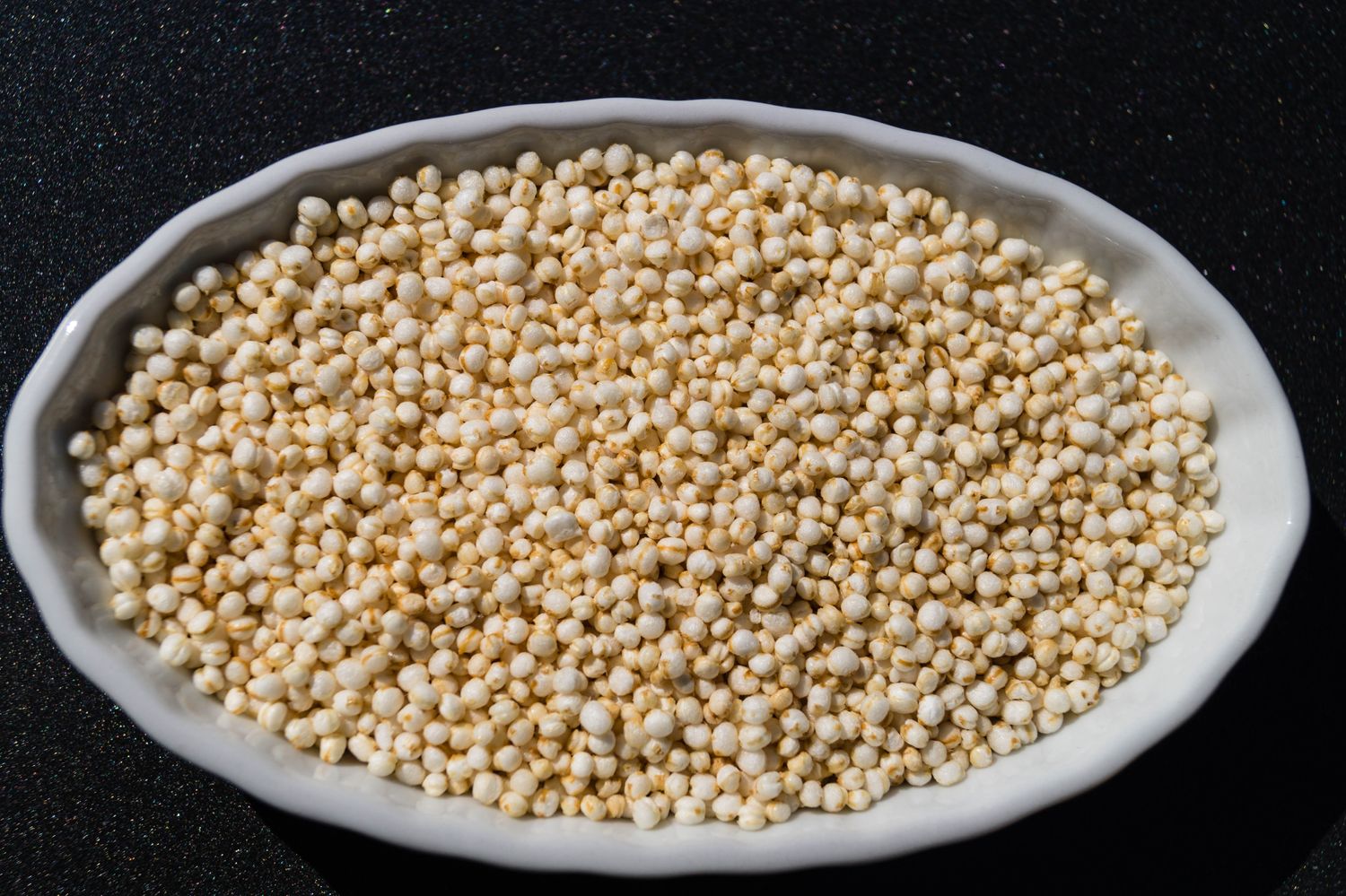
Amidst the evolving global food industry, a quiet revolution has slowly been transpiring: the growing demand for millets. Although long overshadowed by the popularity of wheat, rice, and maize, these ancient grains are making a remarkable comeback. As more people seek healthier alternatives and sustainable food options, millets have piqued the interest of consumers, governments, and producers alike. This article aims to shed light on the market insights surrounding the escalating demand for millets, exploring the factors behind their resurgence, their nutritional benefits, and the economic opportunities they present.
One cannot ignore the shifting dietary preferences and the desire for a well-balanced, nutritious meal. As individuals become more health-conscious, they seek alternatives to refined grains that often lack essential nutrients. Millets, with their high fiber and protein content, emerge as a promising solution. These gluten-free grains are not only easy to digest but also provide a host of essential vitamins and minerals. As a result, millets have garnered attention from health enthusiasts, fitness aficionados, and individuals with specific dietary requirements, such as those following a gluten-free or vegan lifestyle.
The growing demand for millets is not limited to individual consumers alone. Governments across the globe have recognized the potential of these ancient grains in addressing various food security and environmental challenges. With their ability to withstand diverse climatic conditions and their low water and fertilizer requirements, millets present themselves as ideal crops for sustainable agriculture. Consequently, several governments have launched initiatives to promote millet cultivation and consumption, thereby boosting their market demand and creating new economic opportunities for farmers.
In addition to their nutritional and environmental benefits, the rising popularity of millets can also be attributed to their versatility in culinary applications. These versatile grains can be milled into flour for baking, boiled and included in savory dishes, or popped like corn for a delightful snack. The unique textures and flavors they bring to meals have captivated the taste buds of both professional chefs and home cooks, inspiring a myriad of innovative millet-based recipes that cater to various palates and cultural cuisines.
Despite their numerous attributes, it is important to acknowledge the challenges that millets face in expanding their market reach. The lack of awareness and limited availability of millets in mainstream supermarkets can hinder their adoption. However, this obstacle is gradually being overcome, thanks to the efforts of various organizations and companies dedicated to promoting millets as a viable alternative to other grains. Furthermore, online platforms and specialty food stores have stepped in to bridge the gap, making millets more accessible to consumers globally.
Not only do millets offer an appealing alternative to health-conscious individuals, but they also present a multitude of economic opportunities. As more regions embrace millet cultivation, there is growing potential in the production, processing, and packaging of these grains. This, in turn, contributes to job creation, supporting local economies, and enhancing the livelihoods of farmers. Additionally, the expanding market for millets has led to increased investment in research and development, with companies and organizations exploring innovative techniques to improve millet crop yields and develop value-added products.
In conclusion, the resurgence of millets within the food industry reflects the shifting trends towards healthier, sustainable, and diverse diets. With their nutritional benefits, adaptability in the kitchen, and potential economic opportunities, millets have captured the attention of individuals, governments, and businesses alike. As we delve deeper into the market insights surrounding the growing demand for millets, it becomes evident that these ancient grains are no longer just a niche component of ancient civilizations but rather an integral part of the future of food.
1. Introduction
Millets, once considered a forgotten ancient grain, are experiencing a significant resurgence in popularity. Over the past few years, there has been a notable increase in the demand for millets due to their remarkable nutritional properties and their ability to thrive in diverse climatic conditions. This article explores the market insights and trends driving the growing demand for millets.
Millets, commonly known as coarse grains or small-seeded grasses, are rich in fiber, protein, essential minerals, and vitamins. Recognized for their resilience and adaptability, millets are gaining prominence as a sustainable and climate-smart crop, making them a favored choice among health-conscious consumers and environmentally conscious farmers.
2. Health Benefits
One of the key factors contributing to the rising demand for millets is their numerous health benefits. Millets are gluten-free, making them an excellent alternative for individuals with gluten sensitivities or celiac disease. Additionally, these grains have a low glycemic index, making them ideal for managing blood sugar levels and reducing the risk of type 2 diabetes.
Millets are rich in antioxidants, which help in combating free radicals and reducing the risk of chronic diseases such as cardiovascular diseases and certain types of cancer. Moreover, millets are abundant in dietary fiber, aiding in digestion, preventing constipation, and promoting gut health. Their high protein content appeals to vegetarians and vegans looking for plant-based protein sources.
3. Environmental Sustainability
Another crucial aspect behind the growing demand for millets is their reduced environmental impact compared to conventional grains. Unlike certain crops like rice or wheat that demand extensive irrigation and synthetic fertilizers, millets are hardy crops that require minimal water and chemical inputs.
Millets have a short growing cycle and high photosynthetic efficiency, allowing farmers to cultivate them with less water consumption and lower environmental degradation. The resilient nature of millets contributes to their ability to withstand droughts, pests, and diseases, reducing the need for pesticides or genetic modifications. This inherent sustainability appeals to environmentally conscious consumers who are actively seeking eco-friendly food choices.
4. Market Trends
The market for millets has been witnessing several noteworthy trends that attest to the growing demand. With rising health consciousness, millets have made their way into mainstream retail stores and food products. Various food companies are incorporating millet flour, flakes, and grains into an array of products like bread, snacks, pasta, and breakfast cereals.
Furthermore, the exponential growth of e-commerce and online grocery platforms has made millets more accessible to a wider consumer base. This ease of access and convenience of purchasing millet-based products is fueling their demand across different demographics, including urban populations.
5. Government Initiatives
Recognizing the potential of millets in promoting food security and sustainable agriculture, governments worldwide are taking initiatives to support their cultivation and consumption. In India, for instance, the government launched the “National Year of Millets” campaign to raise awareness about their nutritional benefits and encourage farmers to grow them.
Similar initiatives are being undertaken in various countries, focusing on research and development, infrastructure development, and marketing support to enhance millet production and create a favorable market ecosystem. These governmental efforts are expected to further drive the demand for millets in the coming years.
6. Challenges and Opportunities
Despite the growing demand, challenges exist that may hinder the widespread adoption of millets. Limited consumer awareness, lack of processing and value addition infrastructure, and insufficient distribution networks pose obstacles to the scalability of the millet market.
However, these challenges also present opportunities for entrepreneurs and businesses. By investing in education and awareness campaigns, building necessary infrastructure, and establishing strong supply chains, organizations can tap into the rising demand for millets and create a sustainable and profitable market for these nutritious grains.
7. Future Outlook
The future looks promising for millets as consumer preferences continue to shift towards healthier and more sustainable food choices. The growing demand for millets is not limited to a specific region but expanding globally, as people are increasingly recognizing the nutritional, ecological, and socioeconomic benefits of incorporating millets into their diets.
With ongoing research and development, advancements in processing techniques, and increasing governmental support, millets are poised to gain a substantial market share in the grain industry. As more individuals embrace millets as a staple food, the market is likely to witness diversification in product offerings and an expansion of its consumer base.
8. Conclusion
The rising demand for millets is driven by their exceptional health benefits, environmental sustainability, and the combined efforts of governments and agricultural stakeholders. This growing interest in millets presents immense opportunities for the food industry to innovate and cater to health-conscious consumers while promoting sustainable agriculture.
Millets have the potential to address various global challenges such as malnutrition, food security, and climate change while contributing to the overall well-being of individuals and the planet. Embracing millets as a part of our daily diets can be a step towards building a resilient and sustainable food system for future generations.
Summary
Millets, ancient grains overshadowed by wheat, rice, and maize, are experiencing a resurgence in the global food industry. As people seek healthier and sustainable food options, millets have gained popularity due to their high fiber and protein content, nutritional benefits, and versatility in culinary applications. Governments are also recognizing the potential of millets in addressing various food security and environmental challenges, leading to initiatives to promote millet cultivation. Despite challenges such as limited availability, efforts are being made to make millets more accessible to consumers through online platforms and specialty food stores. The growing demand for millets also presents economic opportunities, supporting job creation and research and development in the industry.
FAQ
Why is there a growing demand for millets in the market?
Millets have gained popularity in recent years due to their numerous health benefits and versatility in culinary applications. As a gluten-free grain alternative, millets are highly sought after by individuals with dietary restrictions, including those with celiac disease or gluten sensitivities. Millets are rich in essential nutrients such as dietary fiber, iron, magnesium, and B vitamins, making them a nutritious choice for a well-balanced diet. Additionally, millets have a low glycemic index, which means that they release sugar slowly in the blood, making them suitable for managing diabetes. These factors, combined with the increasing consumer demand for healthy, natural, and sustainable food choices, have contributed to the growing popularity of millets in the market.
Are there any specific regions where millet production is concentrated?
Millets have been cultivated for centuries in various regions around the world, including Africa, Asia, and parts of Europe. However, some countries have emerged as major producers and consumers of millets. In India, for example, millets have been staple crops in certain regions, such as Karnataka and Rajasthan, for a long time. Similarly, African countries like Nigeria, Niger, and Mali have a strong tradition of millet farming. On a global scale, India is the largest producer of millets, followed by countries like Nigeria and Niger. The concentration of millet production in these regions is often due to favorable climatic conditions, cultural traditions, and the ability of millets to thrive in diverse ecosystems, including arid and semi-arid areas.
What are the various ways millets are being incorporated into the food industry?
Millets are incredibly versatile and can be incorporated into various food products. In the food industry, millets are used to produce a wide range of products including breakfast cereals, bakery products, snacks, pasta, and even beverages. Millet flour can be used as a gluten-free alternative to wheat flour in baking applications, such as bread, muffins, and cookies. Millet grains can be cooked and enjoyed as a side dish or incorporated into salads, soups, and stews. Additionally, millet-based products, such as millet flakes and puffed millet, are increasingly used as ingredients in granola bars, energy bars, and snack mixes. The versatility of millets in the food industry allows for their incorporation into various cuisines and dietary preferences, making them an appealing ingredient for manufacturers and consumers alike.
What are the environmental benefits of millet production?
The cultivation of millets offers numerous environmental benefits, making them an appealing choice for sustainable agriculture. Millets are naturally resistant to pests and diseases, reducing the need for chemical pesticides and fertilizers. They are also known for their ability to withstand drought and high temperatures, making them suitable for cultivation in arid and semi-arid regions with limited water availability. Millet plants have extensive root systems that help prevent soil erosion and improve soil structure, enhancing the long-term fertility of agricultural land. Furthermore, millets are characterized by their efficient use of water and minimal carbon footprint during cultivation, making them a climate-smart crop. The cultivation of millets can contribute to biodiversity conservation and promote eco-friendly farming practices, making them a valuable option for environmentally conscious consumers and farmers.