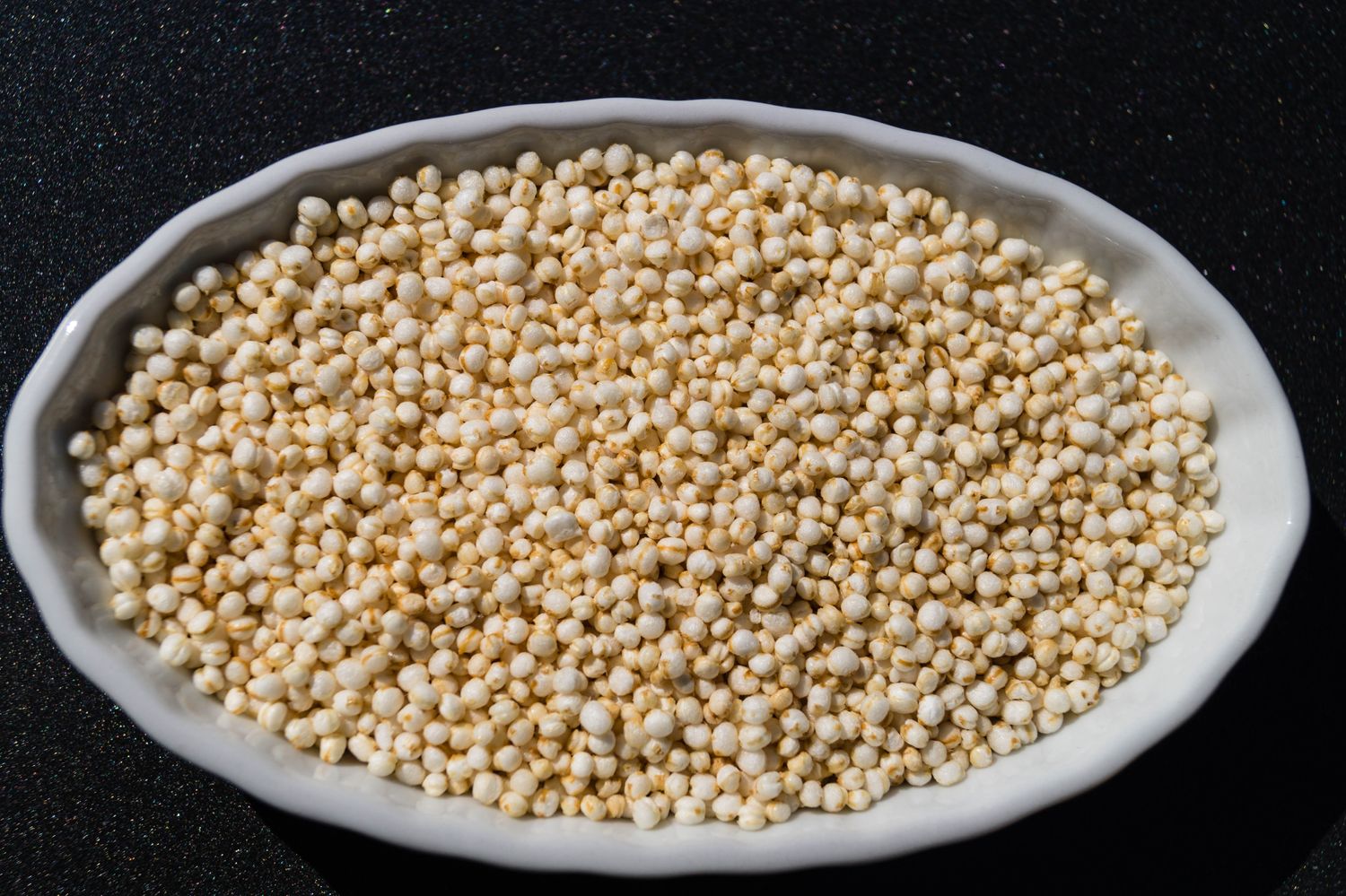
Samplings of ancient grains in recipes are forcing their way into mainstream diets, and one such dynamic ingredient leading the pack is millets. Bursting with versatility, these tiny super seeds have been enjoyed for centuries in cultures across the globe. Whether you’re a health-conscious individual, an adventurous foodie, or simply seeking culinary inspiration, millets are an absolute must-have in your pantry. Their rich nutty flavors, paired with an impressive array of health benefits, make them a perfect addition to almost any dish. From comforting porridges to fluffy baked goods and savory pilafs, millets elevate the simplest of recipes into nourishing culinary delights.
Perhaps one of the most outstanding qualities of millets is their adaptability. These ancient grains come in several varieties, each lending its unique character to diverse cuisines. Whether you opt for the light and fluffy texture of foxtail millet or the earthy taste of finger millet, there’s a millet variety to suit every palate. The diverse range of culinary uses is astounding – you can substitute millets for rice in stir-fries, swap them for oats in your morning porridge, or even sprinkle them on salads for an exciting crunch. With such versatility, millets open up a world of possibilities in the kitchen, allowing you to experiment and create deliciously wholesome meals.
Not only are millets a culinary powerhouse, but they also offer an abundance of health benefits. Packed with essential nutrients like fiber, vitamins, and minerals, these tiny seeds make a big impact on overall well-being. Millets are known for their impressive protein content, making them an excellent choice for vegetarian and vegan diets. Furthermore, studies have suggested that incorporating millets into your diet may help manage diabetes, reduce the risk of heart disease, and promote healthy digestion. With such compelling health advantages, it’s no wonder millets have garnered attention from health enthusiasts, nutritionists, and wellness seekers worldwide.
Millets also have a remarkable sustainability story. These grains are hardy crops that require minimal water, pesticides, and fertilizers compared to other cereals like wheat or rice. Their resilience in challenging climates and ability to grow in poor soil make them environmentally-friendly and valuable crops for farmers. By incorporating millets into your pantry staples, you not only reap their nutritional benefits but also contribute to a sustainable food system and support farmers who cultivate these climate-smart crops.
What’s more, millets provide a delightful twist to familiar dishes, ushering in a whole new world of culinary sensations. Imagine biting into a slice of warm, freshly-baked millet bread with its delectable nutty aroma wafting through the kitchen. Or savoring a velvety bowl of millet risotto, with each spoonful revealing a sumptuous blend of creamy textures and distinctive flavors. With millets, the possibilities extend far beyond traditional recipes, giving you the chance to awaken your taste buds and explore uncharted culinary territories.
Intriguingly, millets have a rich cultural heritage that spans centuries and continents. These grains have been a staple in the diets of various civilizations, from ancient China to Africa, and from India to South America. Renowned for their resilience in harsh climatic conditions and their ability to combat food insecurity, millets have played a vital role in nourishing communities throughout history. By embracing millets in your pantry, you not only incorporate a nutritious ingredient into your meals but also connect with the rich tapestry of cultural traditions that have celebrated these grains for generations.
So, whether you’re seeking a healthier alternative to your regular staples, aiming to broaden your culinary horizons, or simply wishing to explore the cultural significance of ancient grains, millets are the versatile ingredient that will captivate your taste buds and nourish your body. From their adaptability in the kitchen to their impressive range of health benefits and their sustainable farming practices, millets are a true culinary treasure waiting to be discovered. So, why not join the millet movement and embark on an exciting gastronomic adventure? Your palate and the planet will both thank you.
Millets, often considered the forgotten grains, have been an integral part of human diets for thousands of years. These tiny seeds are not only affordable but also highly nutritious, making them an excellent addition to your pantry. Millets are gluten-free, cholesterol-free, low in fat, and rich in essential vitamins and minerals. They also have a low glycemic index, making them suitable for those with diabetes or who are trying to manage their blood sugar levels.
One of the most remarkable features of millets is their versatility. They can be used in various forms in a wide range of dishes, catering to different tastes and preferences. Millet flour can be used to make delicious pancakes, bread, and rotis. The whole millets can be used as a base for hearty salads or as a substitute for processed grains like rice or couscous. Millet flakes can also be used as a nutritious alternative to oats for making porridge or granola. With their mild, nutty flavor, millets can be easily customized with spices, herbs, and other ingredients to create delectable recipes.
As compared to other grains, millets are exceptionally environmentally friendly. They require minimal water, grow well in poor soil conditions, and are highly resistant to pests and diseases. The cultivation of millets also contributes to sustainable farming practices and biodiversity conservation. By incorporating millets into your meals, you not only promote your own well-being but also support ecological balance.
Millets are a treasure trove of health benefits. These ancient grains are rich in dietary fiber, promoting digestive health and preventing constipation. They are also a great source of essential minerals such as iron, magnesium, and phosphorus, which are crucial for maintaining healthy bones and preventing anemia. Additionally, millets are known to have antioxidant properties, helping to combat oxidative stress and inflammation in the body.
Adding millets to your diet can offer immense advantages for weight management. Being high in fiber and low in calories, millets provide a feeling of fullness, reducing the urge to overeat. Their complex carbohydrates release energy slowly, ensuring long-lasting satiety. Moreover, millets have a lower fat content compared to other grains, making them a healthy choice for maintaining a balanced diet.
Millets are an excellent source of protein, especially for vegetarians and vegans. The amino acids present in millets complement each other, providing a complete protein profile. Incorporating millets into your diet can help meet your protein requirements, support muscle growth, repair tissues, and regulate various bodily functions. From athletes to fitness enthusiasts, millets can be a valuable addition to their dietary plans.
For individuals with gluten intolerance or celiac disease, millets are a fantastic alternative. Being gluten-free, millets offer a safe and healthy option for those who need to avoid gluten-containing grains. Millets can be enjoyed by people of all ages, including children who can benefit from the essential nutrients for their healthy growth and development.
In conclusion, millets are a versatile, nutritious, and sustainable ingredient that deserves a place in your pantry. From their numerous health benefits to their adaptability in various recipes, millets have proven their worth throughout history. By incorporating these power-packed grains into your meals, you can enjoy a well-balanced diet while contributing to your overall health and the environment.
Summary
Millets, ancient grains with rich cultural and culinary significance, are gaining popularity for their versatility and health benefits. These tiny super seeds can be incorporated into a variety of dishes, from porridges to baked goods and pilafs. With different varieties available, such as foxtail millet and finger millet, there is a millet to suit every palate. Millets are also packed with essential nutrients, making them a great choice for vegetarian and vegan diets. In addition, they are environmentally-friendly crops that require minimal resources to grow. By adding millets to your pantry, you not only enjoy their delicious flavors but also support sustainable farming practices. Millets offer a delightful twist to familiar dishes and connect you to a rich cultural heritage. Whether you’re looking for a healthier alternative, culinary exploration, or cultural appreciation, millets are a treasure waiting to be discovered.
FAQ
What are millets and why should I include them in my pantry?
Millets are ancient grains that have been consumed for thousands of years. They are small-seeded grasses that are gluten-free and highly nutritious. Millets come in various types such as pearl millet, foxtail millet, finger millet, and sorghum. These grains are rich in fiber, protein, vitamins, and minerals. They are considered a versatile ingredient because they can be used in a variety of dishes, including breakfast cereals, pilafs, salads, bread, and even desserts. Millets are a great addition to any pantry as they offer a healthier alternative to refined grains and can help in managing weight, reducing the risk of chronic diseases, and promoting overall gut health.
How do I cook millets and can they be used as a substitute for other grains?
Cooking millets is relatively easy. Start by rinsing them thoroughly to remove any impurities. Then, soak them for a few hours or overnight to make them more digestible. Drain the water and cook them in a saucepan with water or broth, using a 2:1 ratio (2 cups of liquid for 1 cup of millets). Bring it to a boil, then reduce the heat and simmer for about 15-20 minutes until tender. Millets can be used as a substitute for other grains like rice, quinoa, or couscous. They have a slightly nutty flavor and a light texture that works well in a variety of dishes. Experiment with millets in recipes like stir-fries, grain bowls, soups, or even as a side dish to complement your main course.
Are millets suitable for a gluten-free diet?
Yes, millets are naturally gluten-free, making them an excellent choice for individuals with Celiac disease or gluten sensitivity. Millets provide a safe alternative to gluten-containing grains like wheat, barley, and rye. Incorporating millets into a gluten-free diet can diversify the range of grains available and add more variety to meals. They can be used as a base for gluten-free bread, muffins, or cookies, or as a replacement for grains in recipes like gluten-free pasta or pizza crusts. However, if you have severe gluten intolerance, it is advisable to purchase millets that are certified gluten-free to avoid cross-contamination during processing or packaging.
Can millets be beneficial for weight management and overall health?
Yes, millets can be beneficial for weight management and overall health. These grains are rich in dietary fiber, which aids in digestion, helps in maintaining satiety, and assists in weight management. The high fiber content also helps regulate blood sugar levels and reduces the risk of developing type 2 diabetes. Millets are a good source of complex carbohydrates, which provide sustained energy and help control hunger cravings. Additionally, millets are packed with essential nutrients like iron, magnesium, phosphorus, and B vitamins, which support overall well-being and contribute to maintaining healthy bones, heart, and immune system. Including millets in your pantry can be a great way to incorporate a nutritious and versatile ingredient into your diet.