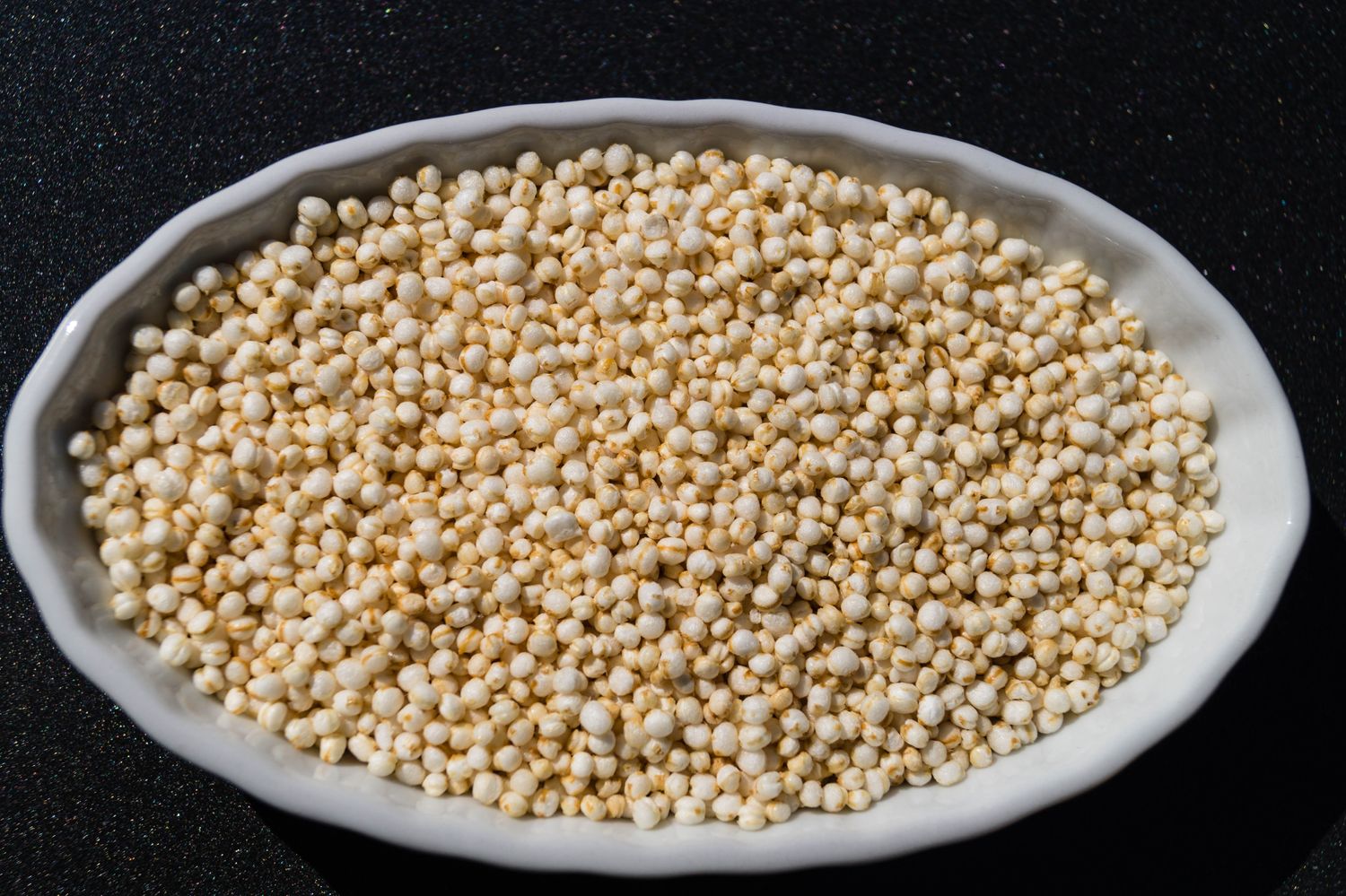
Interested in exploring alternative flour options for your cooking and baking adventures? Look no further than millet flour, a high-nutrition ingredient that can add a new twist to your recipes. Millet flour is derived from tiny grains that boast a sweet, nutty flavor and a delicate texture, making it a versatile choice for a wide range of dishes. Whether you are looking to create fluffy baked goods, hearty bread, or even deliciously crispy pancakes, this gluten-free flour has got you covered. Let’s embark on a culinary journey together as we dive into the world of millet flour and uncover its remarkable benefits and countless ways to incorporate this nutritious ingredient into your everyday meals.
First and foremost, let’s dive into the exceptional nutritional profile of millet flour. Bursting with essential vitamins and minerals, this flour is a powerhouse of nutrients that can enhance the nutritional value of your meals. Packed with dietary fiber, it aids digestion and promotes a healthy gut. Additionally, millet flour is an excellent source of protein, making it an ideal option for those following a vegetarian or vegan lifestyle. Moreover, it is rich in B vitamins, iron, magnesium, and antioxidants, which are all crucial for maintaining good health and overall well-being. By incorporating millet flour into your diet, you can not only enjoy delicious meals but also nourish your body with vital nutrients.
When it comes to cooking and baking, millet flour offers an array of possibilities. Its soft texture and unique taste provide a delightful twist to traditional recipes. You can start with simple swaps – replacing a portion of all-purpose flour with millet flour in recipes such as pancakes or muffins. The result? A subtly nutty flavor that elevates your baked goods to a whole new level. For a gluten-free option, consider using millet flour as a primary ingredient. Its natural binding properties allow for successful baking without the need for additional binders or gums. You’ll be amazed by the light and fluffy texture achieved with this flour.
But millet flour isn’t just limited to baking; it can also be a game-changer in savory dishes. Craving a crispy coating for your chicken or fish? Look no further than millet flour! Its fine texture and slightly sweet taste create a golden crust that will leave your taste buds dancing. Moreover, millet flour can be used to thicken sauces, soups, and stews, adding a velvety richness without altering the flavors.
Don’t be afraid to experiment with millet flour in your favorite recipes—its versatility knows no bounds. From decadent chocolate cakes to airy bread, this flour can handle it all. You can even try using millet flour in combination with other gluten-free flours, such as almond flour or rice flour, to enhance the flavors and textures further. The possibilities are endless, and you’ll find yourself eagerly exploring new culinary horizons.
Embrace the potential that millet flour brings to your kitchen and redefine your approach to cooking and baking. As you embark on this journey, get ready to be pleasantly surprised by the plethora of flavors and textures millet flour can offer. So, gather your ingredients, dust off your apron, and let millet flour take center stage in your culinary creations. Your taste buds and your body will thank you for it! Let’s dive in and discover the delicious ways to incorporate this nutritious flour into our everyday meals.
1. What is Millet Flour?
Millet flour is a gluten-free, nutrient-dense alternative to traditional wheat flour. Derived from the ancient grain millet, this flour is not only versatile but also offers remarkable health benefits. Millet flour is naturally high in fiber, B-vitamins, antioxidants, and minerals, making it an excellent choice for those seeking a nutritious ingredient for their cooking and baking needs.
The light and mild flavor of millet flour make it suitable for various cuisine types and dietary restrictions, including gluten-free and vegan diets. Whether you’re looking to incorporate more whole grains into your diet or exploring alternative flours, millet flour is a fantastic option that can add both taste and nutrition to your culinary endeavors.
2. Benefits of Cooking and Baking with Millet Flour
One of the significant advantages of using millet flour in your cooking and baking is its high nutritional content. It is rich in magnesium, a mineral crucial for maintaining healthy blood pressure and heart function. Additionally, millet flour is a good source of fiber, which aids digestion, promotes satiety, and helps stabilize blood sugar levels.
Furthermore, millet flour’s gluten-free nature makes it a suitable option for individuals with celiac disease or gluten sensitivities. It can be a valuable substitute for traditional wheat flour, allowing those with dietary restrictions to enjoy a wide range of dishes while still reaping the nutritional benefits.
3. Using Millet Flour in Cooking
Millet flour can be incorporated into a variety of savory dishes, such as soups, stews, and even as a breading for frying. Its mild flavor blends well with other ingredients, offering a nutritional boost without overpowering the dish’s taste. When using millet flour in cooking, it’s essential to gradually substitute it for all-purpose or wheat flour to assess the desired texture and consistency.
Experimenting with millet flour in your favorite recipes can lead to delightful surprises. Its versatility allows you to add a healthful twist to pancakes, muffins, bread, and even homemade pasta. Don’t be afraid to venture into new culinary territories; millet flour offers endless possibilities.
4. Baking with Millet Flour
When it comes to baking, millet flour performs well in various recipes. However, it doesn’t contain gluten, which affects the texture and structure of baked goods. Combining it with other gluten-free flours such as rice flour, almond flour, or tapioca flour can help improve its binding properties.
From cookies to cakes and pie crusts, millet flour can be an excellent addition to your baking repertoire. Its subtly sweet taste can enhance the flavors in your pastries, while its nutritional profile contributes to a more balanced treat. Furthermore, the high fiber content in millet flour can result in moist and tender baked goods.
5. Tips for Incorporating Millet Flour
When using millet flour, it’s advisable to keep a few tips in mind. Firstly, storing millet flour in a cool, dry place will prolong its shelf life and prevent it from turning rancid. Additionally, sifting the flour before use can help remove any clumps and ensure a smoother consistency in your recipes.
It is worth noting that millet flour has a slightly different texture than traditional wheat flour, so the final product may vary. Adjusting the liquid-to-flour ratio or using millet flour in combination with other gluten-free flours may be necessary to achieve the desired outcome. Lastly, don’t be discouraged if your first attempts aren’t perfect – practice and experimentation will help you master the art of cooking and baking with millet flour.
6. Millet Flour as a Nutritious Alternative
If you’re looking to incorporate healthier ingredients into your diet, millet flour is an excellent choice. Its high nutritional content, gluten-free nature, and versatility make it a worthwhile addition to any pantry. By substituting millet flour for all-purpose flour in your favorite recipes, you can create nutrient-rich meals and delights that your whole family can enjoy.
7. Recipes Showcasing Millet Flour
Here are two recipes that highlight the culinary potential of millet flour:
- Gluten-Free Blueberry Muffins: These moist and flavorful muffins combine the goodness of millet flour with fresh blueberries for a delightful gluten-free treat.
- Vegan Millet Pizza Crust: Create a nutritious pizza crust using millet flour as the main ingredient, and top it with your favorite vegan toppings for a scrumptious plant-based meal.
These recipes demonstrate just a fraction of the culinary possibilities millet flour offers. Get creative and explore various dishes that suit your taste and dietary needs.
8. Embracing Millet Flour for Healthier Cooking and Baking
With its impressive nutritional profile and endless culinary potential, millet flour presents a fantastic opportunity to enhance the nutritional value of your dishes while exploring new flavors. Whether you’re looking for gluten-free alternatives, added fiber, or simply a more nutritious flour option, millet flour is worthy of consideration in your cooking and baking adventures. Embrace this high-nutrition flour and discover the joys of both wholesome and delicious creations.
Summary
Millet flour is a versatile and nutritious alternative to traditional flour options. It has a sweet, nutty flavor and a delicate texture, making it suitable for a variety of dishes. Packed with essential vitamins and minerals, millet flour offers numerous health benefits, including aiding digestion and providing a good source of protein. In cooking and baking, it can be used as a substitute for all-purpose flour, resulting in a subtly nutty flavor. Additionally, it can be used in savory dishes, such as creating a crispy coating for chicken or fish, or as a thickening agent in sauces and stews. The possibilities are endless, and by incorporating millet flour into your meals, you can enjoy delicious flavors while nourishing your body with vital nutrients.
FAQ
What is millet flour and how is it different from regular flour?
Millet flour is a gluten-free flour made from ground millet grains. It is gaining popularity due to its high nutritional value, being rich in fiber, protein, and essential minerals. Unlike regular flour, which is usually made from wheat, millet flour provides a great alternative for individuals with gluten intolerance or those who prefer a more varied diet. Millet flour has a slightly sweet, nutty flavor and a light texture that enhances the taste of baked goods.
How can millet flour be used in cooking and baking?
Millet flour can be used in a variety of cooking and baking recipes. In cooking, it can be used as a thickener for soups, stews, or sauces, adding a unique flavor profile. In baking, millet flour works well in combination with other gluten-free flours like rice flour or tapioca flour to make bread, cakes, cookies, and muffins. It is important to note that millet flour does not rise as much as regular flour, so it is advisable to use a combination of leavening agents like baking soda or baking powder to achieve the desired texture in your baked goods.
Is it necessary to adjust the recipe when using millet flour?
When using millet flour in recipes, it is often necessary to make a few adjustments to achieve the best results. Millet flour tends to absorb more liquid than regular flour, so it is often advised to add a bit more liquid to the recipe or reduce the amount of millet flour used. Additionally, since millet flour does not contain gluten, which provides structure in baking, incorporating xanthan gum or guar gum to the recipe can help improve the texture and avoid crumbliness. It is recommended to experiment and adjust the recipe gradually while incorporating millet flour until the desired taste and texture are achieved.
Can millet flour be substituted one-to-one for regular flour?
Millet flour cannot be substituted one-to-one for regular flour in most recipes due to its unique properties. As mentioned earlier, millet flour does not contain gluten, which is an essential binding agent in baking. Consequently, it may not provide the same structure or rise as regular flour. When substituting millet flour, it is best to combine it with other gluten-free flours or starches to achieve the desired consistency. Experimentation is key to finding the right combination of flours that works best for each specific recipe.